
My Story
The Day My Life Stopped
How a Stroke Took Everything and How I Rebuilt It

The Day My Life Stopped
That morning began like any other.
I kissed my husband goodbye, dropped our little one at nursery, and settled into my home office under a bright, hopeful sky. I felt healthy, strong and full of plans.
By the afternoon, everything had changed.
I walked towards the supermarket, thinking about dinner, when something strange stopped me mid-step.
I was wearing only one shoe.
I had crossed rough ground without noticing. Confusion washed over me.
Then came the numbness. One side of my body weakened. A violent, lightning-like pain tore through my head. The short walk became impossible.
I stumbled back to my car, terrified, unaware that I was experiencing the early signs of a major stroke.
At home, I tried to stand.
I collapsed.
Half my body felt as though it had turned to stone. My independence vanished in seconds. I was trapped inside a body that no longer obeyed me.
In that moment, life as I knew it stopped.
The Reality of Stroke: When Your Body Suddenly Stops Obeying
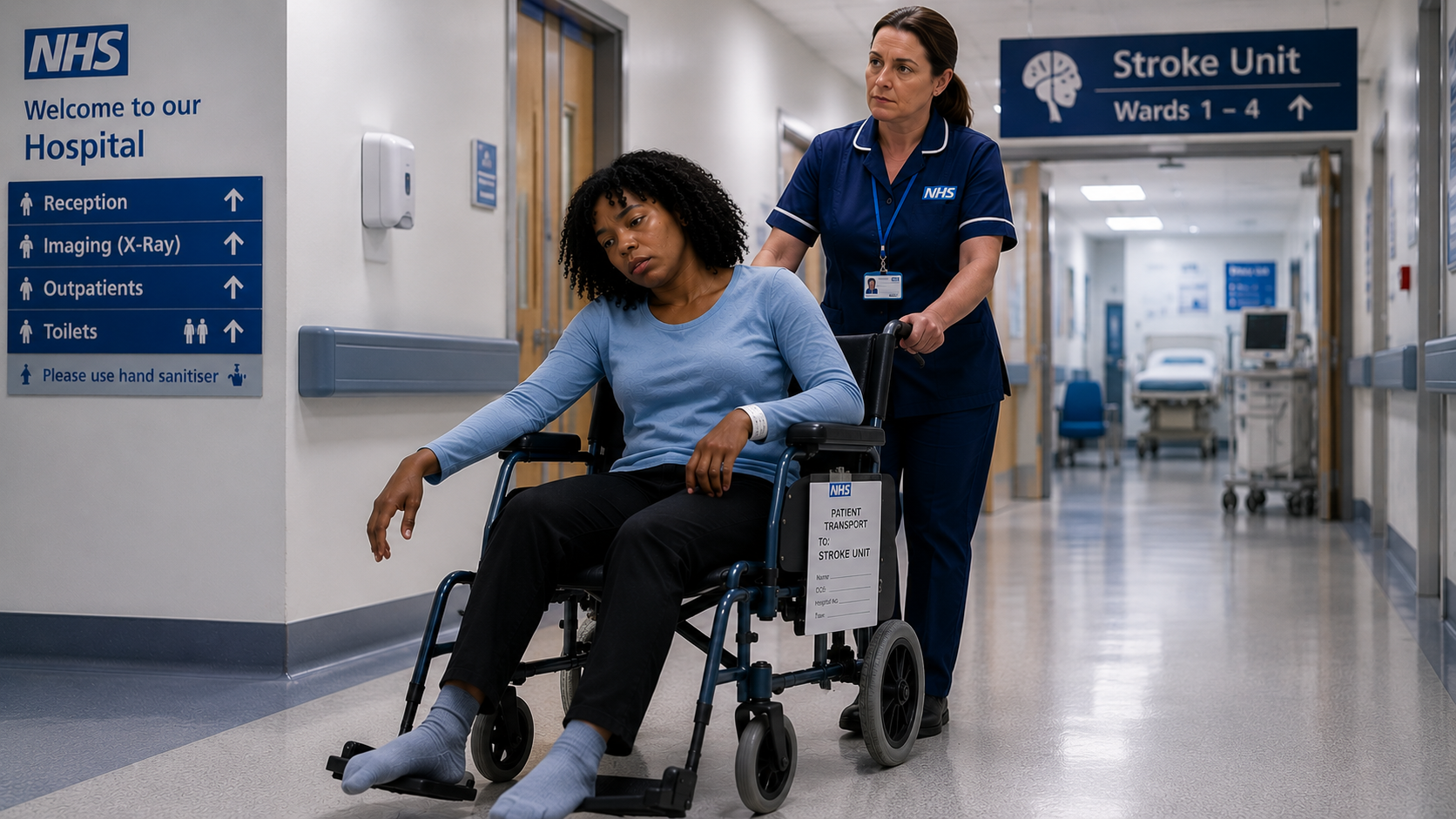
Hospital confirmation stripped away hope. I had suffered a major stroke, leaving me completely paralysed on my left side.
A simple test showed that I could feel nothing on that side. Blood flow to part of my brain had been interrupted, depriving it of oxygen.
I needed help to wash, dress and turn in bed. A basin of warm water felt like a luxury I had never imagined needing.
Privacy disappeared. Dignity evaporated. I could not manage the most basic parts of personal care without someone else’s help.
Visitors came at first. I could see the fear behind their reassurance.
Then, slowly, they faded away.
Friends I thought would always be there slipped into silence. Their absence hurt more than the paralysis. I realised I wasn’t only grieving my body; I was grieving my former life and some of the people I thought would still be part of it.
Loneliness settled in deeply. For the first time, I questioned whether my llife was worth fighting for.
And yet, something inside me refused to disappear completely.
A Reason to Fight: What Made Me Refuse to Give Up
In the darkest moments, I thought of my son.
His laugh. His arms around my neck. The future I still wanted to be part of.
That love became my reason to fight.
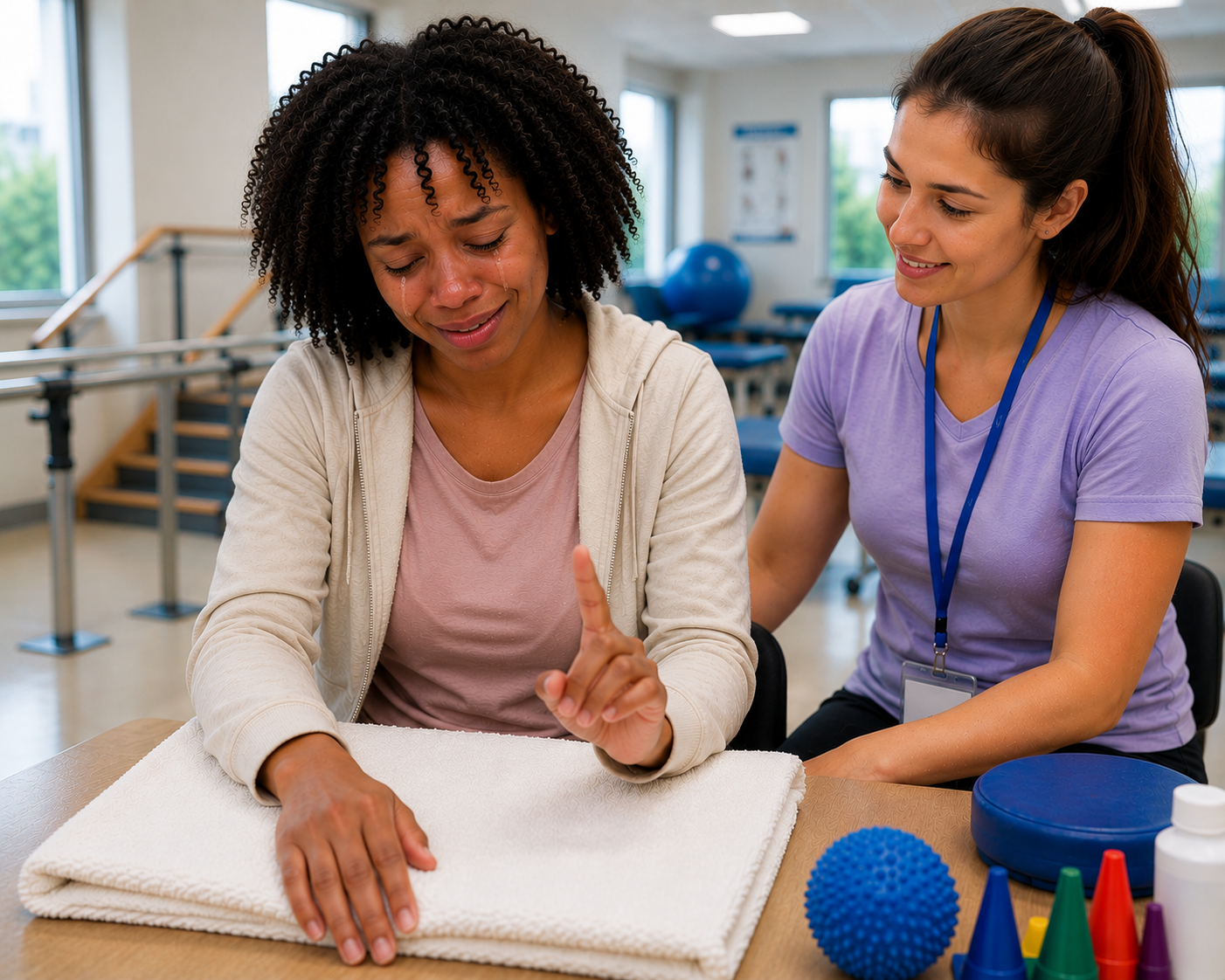
Rehabilitation was relentless. Movements that had once required no thought now demanded concentration, repetition and patience. Some sessions left me exhausted. Others left me frustrated by how little my body seemed willing to give back.
But I kept returning.
Progress rarely arrived in dramatic breakthroughs. Sometimes it was a movement becoming slightly easier, a little more control, or managing something I had not been able to do the week before.
Those small changes mattered.
Recovery demanded more than physical effort. I had to keep believing that the work was worth doing even when there was little visible evidence that it was working.
What carried me forward:
Hope, even when it felt fragile
Love for my family
A refusal to let slow progress become no progress
Rebuilding After Stroke: Learning to Move Again, Inch by Inch
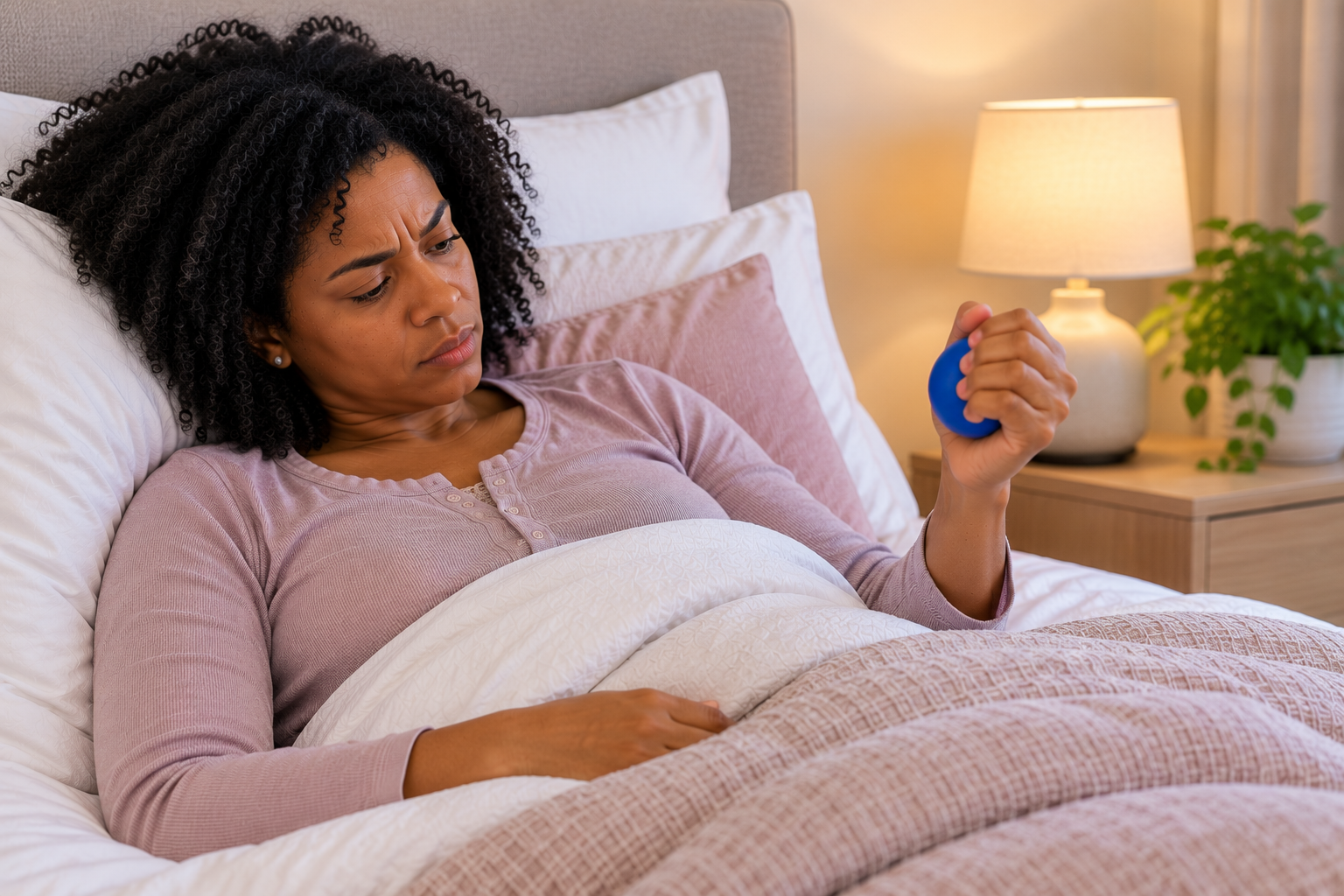
The strangest part of physical recovery was realising how much the body normally does without permission.
Before my stroke, I never thought about how to stand, how to place a foot or how to keep myself upright. Afterwards, those automatic movements were no longer automatic.
Movement became something I had to think through.
Where is my foot?
Is my knee straight?
Am I leaning?
Will my leg lift high enough to clear the floor?
I became intensely aware of movements I had spent a lifetime taking for granted.
At times, my mind knew exactly what I wanted my body to do, but my body did not respond in the way I expected. That disconnect was one of the hardest things to understand.
Rehabilitation was about rebuilding that connection.
Little by little, movement began to feel less deliberate. My body started to remember what my mind was asking of it.
That was when recovery began to feel real.
Acceptance and Strength: Living After Everything Changed
Acceptance did not arrive dramatically. It came quietly.
I accepted that some abilities might never fully return, but my life was not over.
My stroke did not define me.
What defined me was what I chose to do afterwards.
I kept trying.
I rebuilt what I could.
I accepted what had changed without allowing it to erase the life I still had.
Strength was not pretending the struggle had disappeared.
It was continuing to live while it was still there.
Life Today
What 96% Stroke Recovery Really Looks Like
When I say I’m 96% recovered, I’m not referring to a clinical score or suggesting that every effect of my stroke has disappeared.
It is my personal way of describing how much function, independence and everyday life I have regained.
I still experience:
🔵 A tremor in my left hand when I overreach
🔵 Foot drag on some walks
🔵 Pain that sometimes lingers in my head, affected hand and foot
🔵 Occasional periods when I need support to walk
🔵 An inability to run
🔵 Occasional word-finding difficulty
Those remaining changes are part of my recovery, but they no longer define what I am able to do.
For the most part, I walk independently. I climb stairs. I drive. I work. I look after my family. I make plans for the future.
Recovery did not give me my old life back.
It gave me a life I fought long and hard to reclaim.
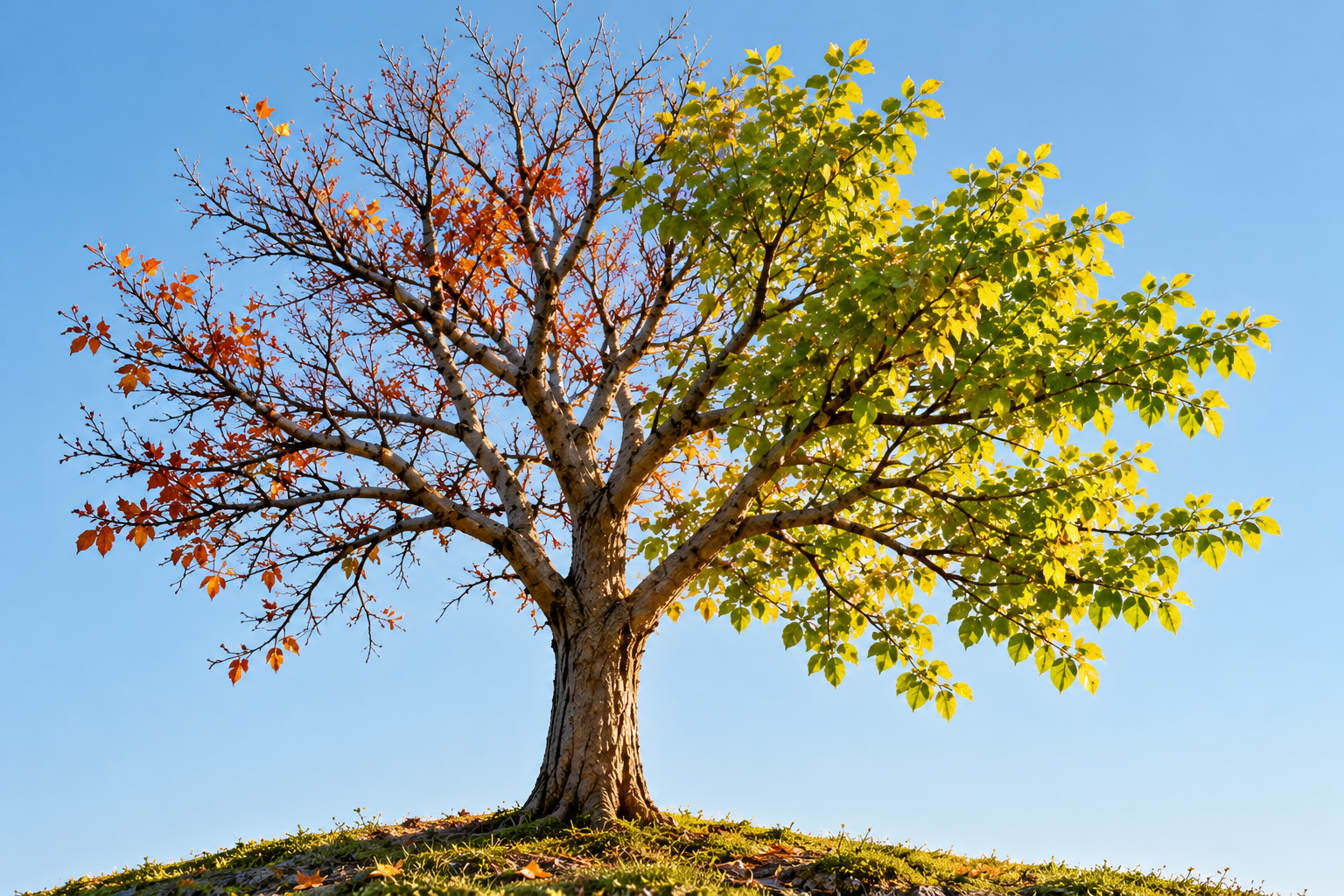
Words for Anyone Who Feels Broken After Stroke
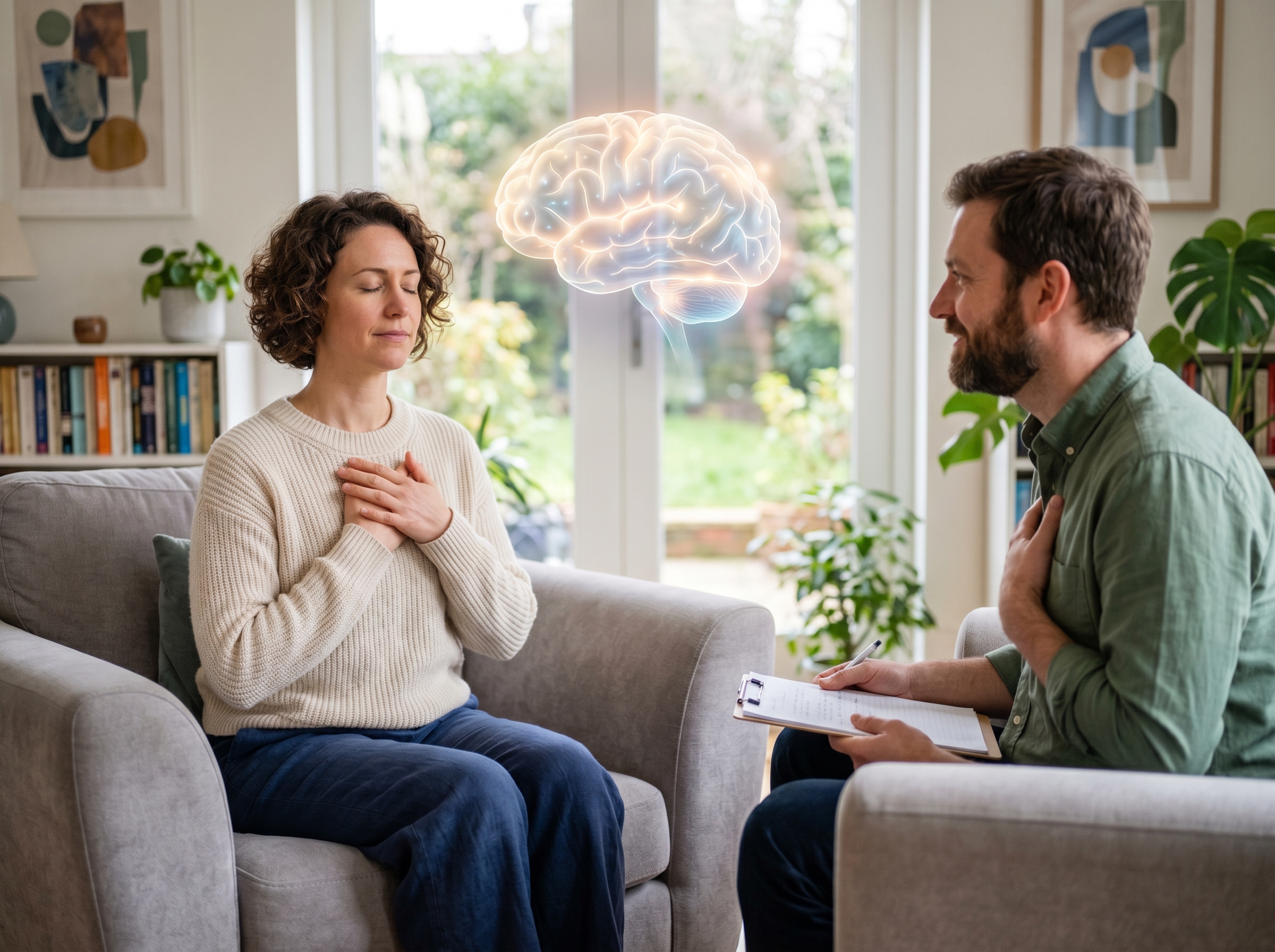
Your brain is healing, but it needs your partnership.
Recovery will not happen in a straight line or according to the timeline you had hoped for.
There will be days when progress feels invisible. That does not mean nothing is changing.
Keep challenging yourself gently, in partnership with your rehabilitation team. Trust progress that happens quietly. Notice the small gains. Celebrate them.
There may still be some way to go. Lost abilities can improve in ways you cannot yet see.
Keep going, even when hope feels lost or your mind tells you it is pointless. Do so with rest, support and guidance.
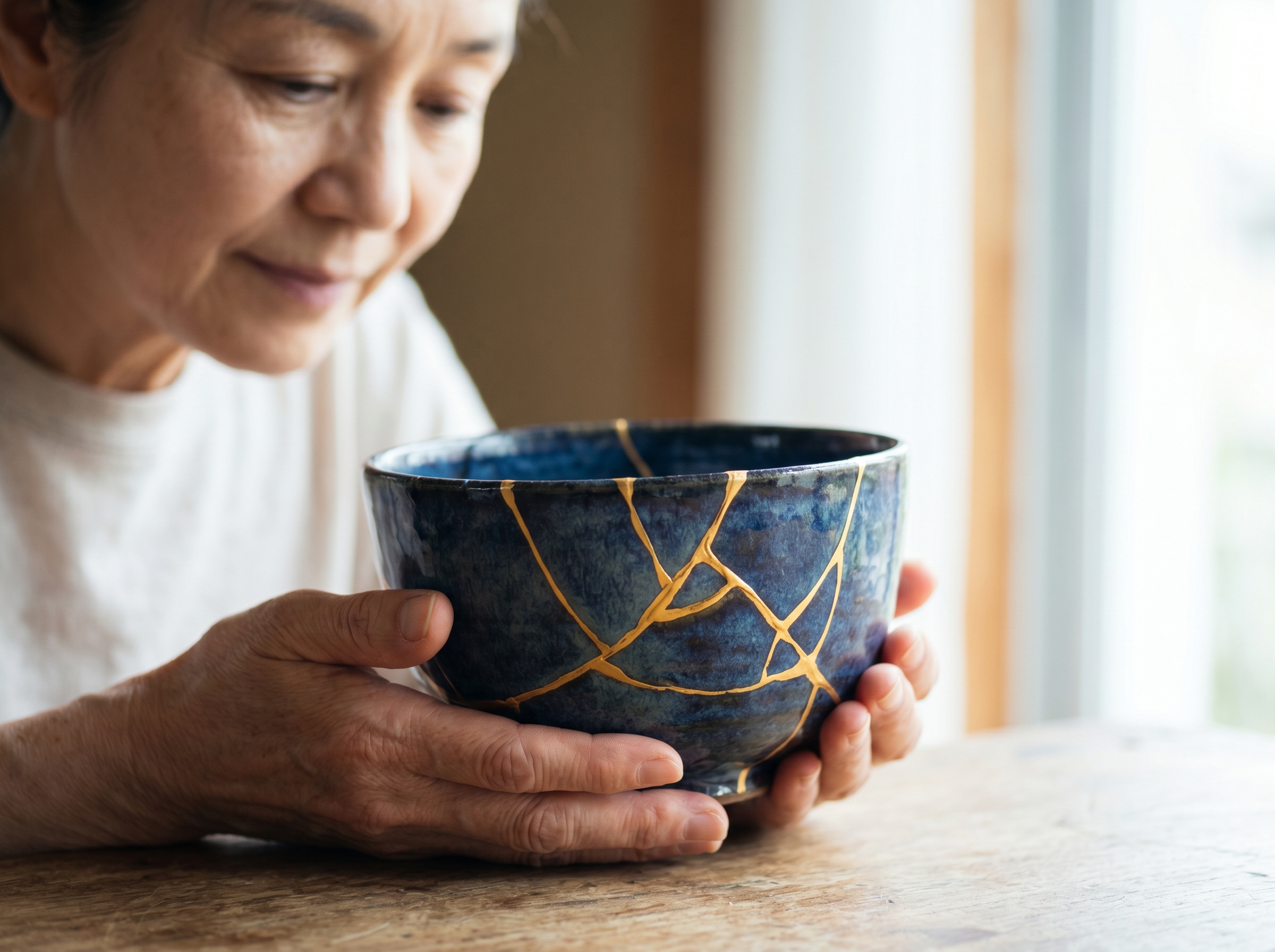
Final Reflection
What Stroke Taught Me About Survival
Life after stroke is not what I imagined.
It carries scars. It carries grief. It carries moments I never asked for.
But it is mine.
I reclaimed it. I rebuilt it.
And in a life that is no longer perfect, I discovered a strength I never knew I had.
IF You’re Recovering From A Stroke, find your category Next
About the Author: A Stroke Survivor Who Rebuilt Her Life
Alisia Gayle is a stroke survivor who regained 96% of her abilities after a life-changing stroke. She writes about stroke recovery, invisible neurological challenges, and rebuilding life after trauma. Her work is grounded in lived experience, ethical responsibility, and a commitment to helping survivors and families feel informed and less alone.
Get the Latest News Delivered to Your Inbox
Never Miss an Update – Subscribe for Fresh News & Insights!

Alisia Gayle is a stroke survivor, author, and advocate whose life was transformed in a single, ordinary day.
COMPANY
Quick links


Copyright All Rights Reserved.