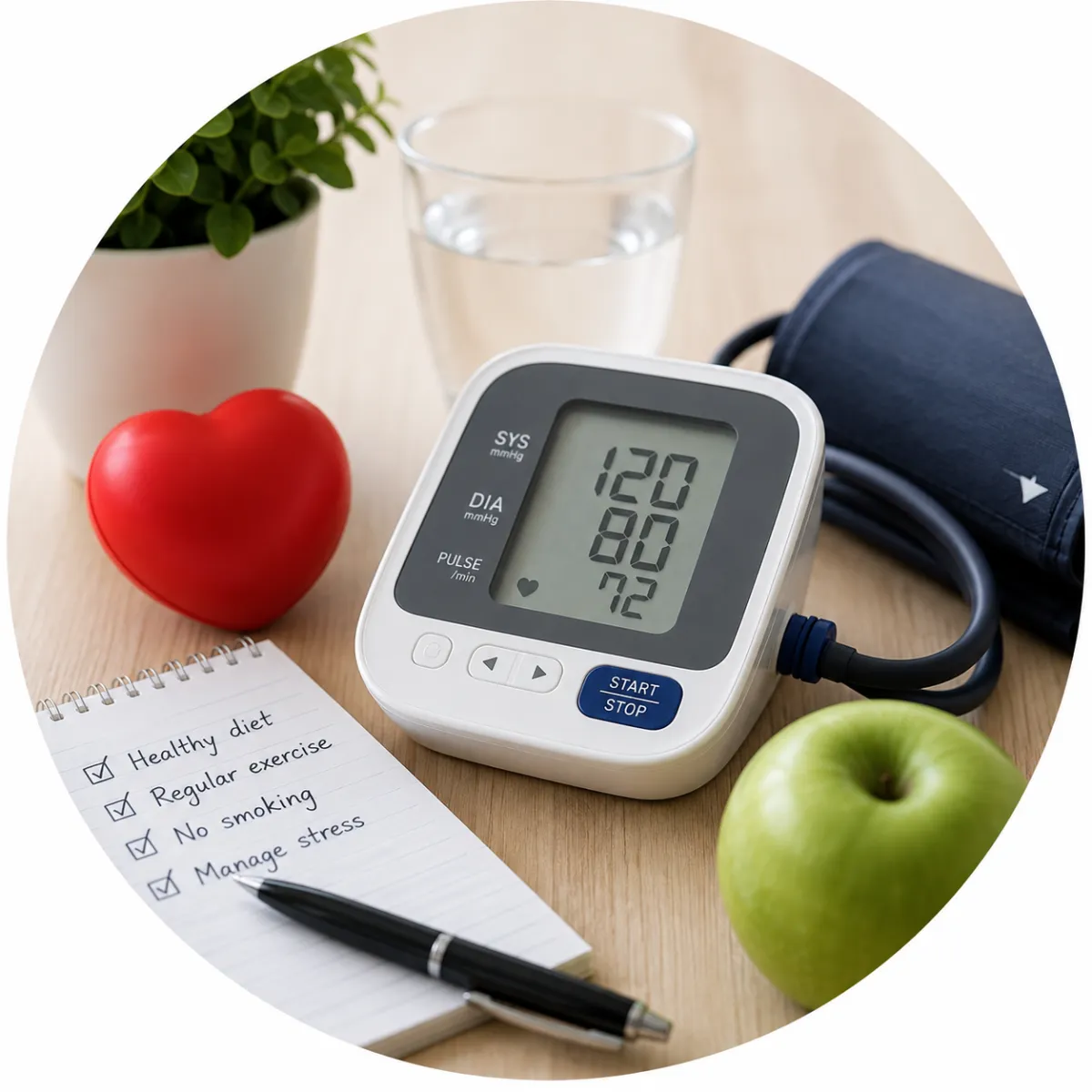
Blood pressure medication is one of the most important treatments after a stroke. High blood pressure is the leading risk factor for both first and recurrent strokes, even if you have never previously been diagnosed with hypertension. These medications lower blood pressure, reduce strain on your arteries and significantly reduce your risk of another stroke or heart attack. Learn why blood pressure medication is prescribed after a stroke, the different types available, possible side effects and why taking it as prescribed is essential for protecting your recovery.
After your stroke...
You leave hospital with several new medications.
One of them is for your blood pressure.
Perhaps you've never had high blood pressure.
Maybe your blood pressure seems normal now.
You begin wondering...
"Why do I need blood pressure medication after my stroke?"
Or perhaps...
You're worried about taking tablets for the rest of your life.
The good news is...
Blood pressure medication is one of the most effective ways to reduce your risk of another stroke.
✦ ✦ ✦
The Good News
For many stroke survivors, controlling blood pressure is the single most important step in preventing another stroke.
Even small reductions in blood pressure can significantly lower your future risk.
When combined with healthy lifestyle choices and other prescribed medications, blood pressure medication helps protect your brain, heart and blood vessels for years to come.
✦ ✦ ✦
What Is Blood Pressure Medication?
Blood pressure medication is a group of medicines designed to lower the pressure inside your arteries.
Lower blood pressure means:
✓ Less strain on blood vessel walls.
✓ Reduced damage to the arteries.
✓ Lower risk of blood clots forming.
✓ Lower risk of blood vessels bursting.
✓ Better long-term protection for your brain and heart.
There are several different types of blood pressure medication, and many people take more than one because they work in different ways.
✦ ✦ ✦
Why Is Blood Pressure Medication Prescribed After a Stroke?
High blood pressure is the biggest modifiable risk factor for stroke.
Over time, high pressure damages the lining of blood vessels, making them more likely to become blocked or rupture.
Blood pressure medication helps reduce the risk of another stroke by:
✓ Lowering blood pressure.
✓ Reducing strain on blood vessels.
✓ Protecting the arteries from further damage.
✓ Reducing the risk of blood clots.
✓ Lowering the chance of bleeding inside the brain.
Together, these effects greatly reduce the risk of future strokes.
✦ ✦ ✦
Do I Need Blood Pressure Medication If My Blood Pressure Is Normal?
Possibly.
Many people are surprised to learn they are prescribed blood pressure medication even when their readings appear normal.
That's because your doctor is treating your future stroke risk—not just today's blood pressure reading.
Blood pressure naturally changes throughout the day, and lower long-term blood pressure provides greater protection after a stroke.
Your healthcare professional will decide the blood pressure target that is safest and most appropriate for you.
✦ ✦ ✦
Common Types of Blood Pressure Medication
Several different medicines may be used after a stroke.
ACE Inhibitors
Examples include:
✓ Ramipril.
✓ Perindopril.
✓ Lisinopril.
These relax blood vessels, allowing blood to flow more easily.
Angiotensin II Receptor Blockers (ARBs)
Examples include:
✓ Candesartan.
✓ Losartan.
✓ Irbesartan.
These work in a similar way to ACE inhibitors but are less likely to cause a persistent cough.
Calcium Channel Blockers
Examples include:
✓ Amlodipine.
✓ Felodipine.
These relax the muscles in the artery walls, helping lower blood pressure.
Diuretics (Water Tablets)
Examples include:
✓ Indapamide.
✓ Bendroflumethiazide.
These help remove excess salt and water from the body.
Beta Blockers
Examples include:
✓ Bisoprolol.
✓ Atenolol.
These slow the heart rate and reduce blood pressure and may also be prescribed for certain heart conditions.
✦ ✦ ✦
Will I Need More Than One Medication?
Possibly.
Many stroke survivors take two or more blood pressure medications.
Different medications lower blood pressure in different ways, and using lower doses of several medicines often works better than taking a high dose of one.
Your medication may also change over time depending on how your blood pressure responds.
✦ ✦ ✦
Benefits of Blood Pressure Medication
Taking your medication as prescribed can:
✓ Reduce the risk of another stroke.
✓ Lower the risk of heart attack.
✓ Protect your arteries.
✓ Reduce damage to blood vessels.
✓ Improve long-term cardiovascular health.
The greatest benefit comes from taking your medication consistently over many years.
✦ ✦ ✦
Possible Side Effects
Most people tolerate blood pressure medication very well.
Possible side effects include:
✓ Dizziness.
✓ Light-headedness.
✓ Tiredness.
✓ Headache.
✓ Swollen ankles (with some medications).
✓ Dry cough (ACE inhibitors).
✓ Frequent urination (diuretics).
Many side effects improve as your body adjusts during the first few weeks.
Never stop taking your medication without speaking to your healthcare professional.
✦ ✦ ✦
Rare but Serious Side Effects
Although uncommon, seek medical advice promptly if you develop:
✓ Severe dizziness causing fainting.
✓ Difficulty breathing.
✓ Swelling of the face, lips or tongue.
✓ Persistent chest pain.
✓ Very low blood pressure with collapse.
These symptoms require urgent medical assessment.
✦ ✦ ✦
Tips for Taking Blood Pressure Medication
To get the greatest benefit from your treatment:
✓ Take your medication exactly as prescribed.
✓ Do not skip doses.
✓ Monitor your blood pressure if advised.
✓ Attend regular check-ups.
✓ Continue eating a heart-healthy diet.
✓ Stay physically active where possible.
Healthy lifestyle changes and medication work best together.
✦ ✦ ✦
When Should You Seek Medical Advice?
Arrange an appointment with your healthcare professional if:
✓ Your blood pressure remains high.
✓ You experience troublesome side effects.
✓ You frequently feel dizzy.
✓ You miss several doses.
✓ You are considering stopping your medication.
Seek urgent medical attention if you experience:
✓ Fainting.
✓ Severe chest pain.
✓ Difficulty breathing.
✓ Swelling of the face or throat.
✓ Symptoms of another stroke.
Early treatment can prevent serious complications.
✦ ✦ ✦
My Perspective
After a stroke...
Recovery isn't only about learning to walk again or rebuilding strength.
It's also about protecting your brain from another stroke.
Taking a blood pressure tablet each day may seem like a small thing.
But it could be one of the most important decisions you make for your long-term recovery.
✦ ✦ ✦
Frequently Asked Questions
Will I need to take blood pressure medication forever?
Many people continue treatment long term because it provides ongoing protection against future strokes and heart disease.
Your doctor will review your medication regularly.
✦ ✦ ✦
Can I stop taking my medication if my blood pressure becomes normal?
No.
Your blood pressure may be normal because the medication is working.
Always speak to your healthcare professional before making any changes.
✦ ✦ ✦
Can I reduce my need for medication through lifestyle changes?
Healthy eating, exercise, weight loss and reducing salt intake can all help lower blood pressure.
Some people may eventually require less medication, but this should only happen under medical supervision.
✦ ✦ ✦
Is it safe to exercise while taking blood pressure medication?
Yes.
Regular physical activity is encouraged after a stroke, although you should stand up slowly if you experience dizziness.
Always follow your rehabilitation team's advice.
✦ ✦ ✦
What happens if I miss a dose?
Take it as soon as you remember unless it is nearly time for your next dose.
Do not take two doses together unless advised by your healthcare professional.
✦ ✦ ✦
Key Takeaways
✓ Blood pressure medication is one of the most effective ways to prevent another stroke.
✓ High blood pressure is the biggest modifiable risk factor for stroke.
✓ Many people are prescribed medication even if their blood pressure appears normal.
✓ Several different types of medication are available and many people take more than one.
✓ Most people tolerate treatment well with few side effects.
✓ Taking your medication consistently is one of the best ways to protect your long-term recovery.
✦ ✦ ✦
Related Articles
Continue learning about stroke prevention with these helpful guides:
Statins After a Stroke – Learn how statins lower stroke risk and protect your arteries.
Blood Thinners After a Stroke – Understand how anticoagulants help prevent harmful blood clots.
Aspirin After a Stroke – Discover when aspirin is prescribed and how it helps prevent another stroke.
Preventing Another Stroke – Practical lifestyle changes and treatments that reduce your future stroke risk.
Cholesterol After a Stroke – Learn how cholesterol affects stroke risk and why it matters.
✦ ✦ ✦
Final Thoughts
After a stroke...
Every decision matters.
Every blood pressure tablet...
Every healthy meal...
Every walk...
Every follow-up appointment...
Helps protect your brain.
Recovering from a stroke isn't only about getting stronger today.
It's about reducing your chances of facing another stroke tomorrow.
Taking your medication consistently is one of the simplest and most powerful ways to protect the recovery you've worked so hard to achieve.