

MOBILITY & PHYSICAL RECOVERY

Sitting Balance After a Stroke.

A calmer, easier-to-scan guide to why sitting balance can change after stroke, what may help, and when to seek professional advice.

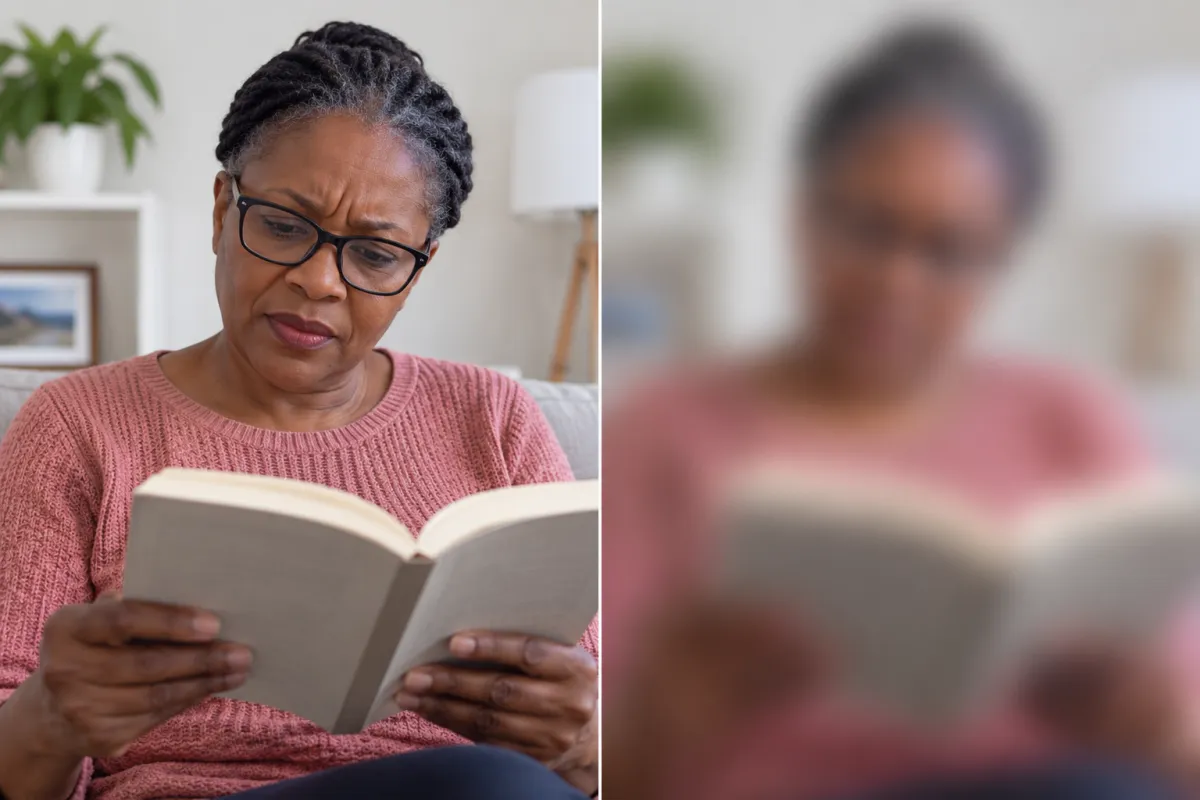
Blurred Vision After a Stroke

Blurred Vision After a Stroke

July 06, 20266 min read

Blurred vision after a stroke is a common problem that can make reading, walking and everyday tasks more difficult. It may be caused by changes in the brain, eye movement problems or other visual complications. Learn why blurred vision happens after a stroke, how it is diagnosed, and what treatments may help.

After your stroke...

Words on a page seem fuzzy.

Faces aren't as clear.

The television looks out of focus.

You blink...

But nothing changes.

You begin wondering...

"Do I need new glasses?"

Sometimes you might.

But often...

The problem isn't your eyes.

It's the way your brain is processing what your eyes are seeing.

✦ ✦ ✦

The Good News

Blurred vision often improves during stroke recovery.

Many people experience gradual improvement as the brain heals.

Others benefit from glasses, vision rehabilitation or treatment for the underlying cause.

Early assessment can make a significant difference.

✦ ✦ ✦

Can a Stroke Cause Blurred Vision?

Yes.

A stroke can affect the parts of the brain responsible for processing visual information.

Even when your eyes are healthy, the brain may struggle to interpret what it sees clearly.

Blurred vision may occur immediately after a stroke or develop during recovery.

✦ ✦ ✦

What Causes Blurred Vision After a Stroke?

Several factors may contribute.

Brain Processing Changes

The most common cause is damage to the areas of the brain responsible for vision.

Although your eyes collect visual information normally, your brain may struggle to process it accurately.

✦ ✦ ✦

Eye Movement Problems

If your eyes no longer move together properly, images may appear blurred because both eyes are not focusing on the same point.

This often occurs alongside double vision.

✦ ✦ ✦

Dry Eyes

Dry eyes are common after stroke.

Without enough tears, the surface of the eye becomes uneven, making vision appear blurry.

Vision often clears temporarily after blinking.

✦ ✦ ✦

Visual Fatigue

Reading.

Watching television.

Using a computer.

All place extra demands on the recovering brain.

Blurred vision may become worse when you're tired.

✦ ✦ ✦

Existing Eye Conditions

Blurred vision isn't always caused by the stroke.

Cataracts, glaucoma, macular degeneration and changes in your glasses prescription may also affect your vision.

This is why a full eye examination remains important.

✦ ✦ ✦

Symptoms of Blurred Vision

You may experience:

✓ Difficulty focusing.

✓ Fuzzy or unclear vision.

✓ Trouble reading.

✓ Difficulty recognising faces.

✓ Eye strain.

✓ Headaches.

✓ Vision that improves after blinking.

✓ Blurred vision that becomes worse when tired.

Symptoms may affect one eye, both eyes or only certain parts of your visual field.

✦ ✦ ✦

How Does Blurred Vision Affect Everyday Life?

Blurred vision can make simple activities much more challenging.

You may struggle with:

✓ Reading books or newspapers.

✓ Watching television.

✓ Cooking.

✓ Walking safely.

✓ Using a computer.

✓ Shopping.

✓ Recognising people.

✓ Driving (if medically permitted).

Many people also lose confidence because they worry about missing hazards.

✦ ✦ ✦

How Is Blurred Vision Diagnosed?

Your healthcare professional may assess:

✓ Visual acuity.

✓ Eye movements.

✓ Visual fields.

✓ Eye health.

✓ Reading ability.

✓ Functional vision.

You may be referred to an optometrist, ophthalmologist or orthoptist for specialist assessment.

Identifying the exact cause is essential because treatment depends on the underlying problem.

✦ ✦ ✦

Treatment Options

Treatment depends on why your vision is blurred.

✦ ✦ ✦

Vision Rehabilitation

If the stroke has affected how your brain processes visual information, specialist rehabilitation may help improve visual function and teach practical coping strategies.

✦ ✦ ✦

Glasses

If blurred vision is caused by changes in your eyesight, updating your glasses prescription may improve clarity.

✦ ✦ ✦

Artificial Tears

If dry eyes are contributing to blurred vision, lubricating eye drops may improve comfort and help restore clearer vision.

✦ ✦ ✦

Eye Movement Rehabilitation

If blurred vision is caused by poor eye coordination, eye exercises or prism glasses may be recommended by your specialist.

✦ ✦ ✦

Managing Fatigue

Many stroke survivors notice their vision becomes blurrier when they are tired.

Regular breaks and pacing your activities may improve symptoms.

✦ ✦ ✦

Practical Tips

Take Regular Breaks

Rest your eyes regularly when reading or using digital devices.

✦ ✦ ✦

Improve Lighting

Good lighting makes reading and everyday tasks much easier.

✦ ✦ ✦

Blink Frequently

Blinking helps spread tears across the eye and may improve temporary blurred vision caused by dryness.

✦ ✦ ✦

Keep Your Eye Appointments

Regular eye examinations help identify problems that may be unrelated to your stroke.

✦ ✦ ✦

Follow Your Rehabilitation Plan

Practising any recommended vision exercises consistently gives your brain the best opportunity to adapt.

✦ ✦ ✦

When Should You Seek Medical Advice?

Seek immediate medical attention if:

✓ You suddenly lose your vision.

✓ Blurred vision develops suddenly.

✓ You develop double vision.

✓ You experience severe eye pain.

✓ You develop new weakness, facial drooping or speech difficulties.

✓ Your blurred vision rapidly becomes worse.

Sudden changes in vision should always be treated as a medical emergency until proven otherwise.

✦ ✦ ✦

My Perspective

Vision affects almost everything we do.

When it becomes blurred after a stroke, everyday tasks suddenly require much more effort.

The reassuring thing is that blurred vision often has an explanation.

And once that explanation is found, many people discover there are treatments and strategies that help them regain confidence.

Recovery isn't just about seeing more clearly.

It's about living more confidently.

✦ ✦ ✦

Frequently Asked Questions

Can Blurred Vision Improve After a Stroke?

Yes.

Many people experience gradual improvement as the brain heals, while others benefit from glasses, rehabilitation or treatment for dry eyes and eye movement problems.

✦ ✦ ✦

Is Blurred Vision Permanent?

Not always.

Recovery depends on which part of the brain was affected and the underlying cause of the blurred vision.

✦ ✦ ✦

Should I Have My Eyes Tested?

Yes.

Even if your stroke caused the blurred vision, regular eye examinations remain important to identify other treatable eye conditions.

✦ ✦ ✦

Can Fatigue Make Blurred Vision Worse?

Yes.

Many stroke survivors notice that their vision becomes blurrier when they are physically or mentally tired.

Managing fatigue may help reduce symptoms.

✦ ✦ ✦

Key Takeaways

✓ Blurred vision is a common effect of stroke.

✓ The problem often lies in the brain rather than the eyes.

✓ Dry eyes, eye movement problems and fatigue may all contribute.

✓ Specialist assessment helps identify the underlying cause.

✓ Many people improve with rehabilitation, treatment and practical strategies.

✓ Seek urgent medical attention for sudden or worsening vision changes.

✦ ✦ ✦

Final Thoughts

Blurred vision can make the world feel uncertain.

But it doesn't mean your recovery has stopped.

Every eye test...

Every rehabilitation exercise...

Every small improvement...

Helps you better understand and adapt to the changes you're experiencing.

Be patient with yourself.

Recovery is about bringing life back into focus—one day at a time.

blog author avatar
Stroke Survivor and Author
Back to Blog

What you’ll learn

Why sitting balance can be affected after a stroke

Common problems people notice day to day

Simple rehabilitation approaches that may help

When changes in balance need medical attention

Why sitting balance matters

Sitting balance is often one of the foundations for standing, walking and everyday activities. After a stroke, some people find it difficult to sit upright without support, lean to one side, or feel unsteady when reaching.

The good news

Sitting balance often improves with rehabilitation, practice and time. Even small improvements can support confidence and independence.

Why can balance change after a stroke?

A stroke may affect several systems that help you stay upright, including strength, coordination, sensation, body awareness and balance control.

Strength

Trunk muscles may become weaker or slower to respond.

Coordination

Movements may feel less automatic or less controlled.

Sensation

You may have less feedback about where your body is in space.

Confidence

Fear of falling can make movement feel harder.

Common sitting problems after a stroke

  • Leaning to one side

  • Difficulty sitting upright without support

  • Feeling unstable when reaching

  • Falling or drifting backwards

  • Increased fatigue during longer periods of sitting

Some people may also experience pusher syndrome, where they actively push towards their weaker side. This should be assessed by a rehabilitation professional.

What May Help

Physiotherapy and occupational therapy often work on trunk control, weight shifting, posture, coordination and everyday activities.

Examples of exercises

  • Sitting unsupported for short periods

  • Gentle reaching tasks

  • Weight shifting from side to side

  • Trunk strengthening

  • Practising on different safe surfaces when appropriate

Keep it individual

Exercises should be matched to your own abilities and professional advice.

More detail: posture and positioning

Helpful strategies may include keeping both feet supported, maintaining an upright posture, and using supportive cushions when recommended.

More detail: fatigue and balance

Balance can become worse when you are tired. Regular rest periods and shorter practice sessions may help.

More detail: tips for family and carers

Encourage safe practice, avoid unexpected pulling or pushing, and help maintain good posture while celebrating small improvements.

When should you seek medical advice?

Arrange an appointment with a healthcare professional if sitting balance is worsening, falls are occurring, new weakness develops, or balance problems are significantly affecting daily activities.

Seek urgent medical attention for sudden new weakness, new speech difficulties, sudden confusion or sudden vision changes.

Key takeaways

Sitting balance is commonly affected after stroke.

Weakness, sensation and body awareness can all contribute.

Good sitting balance supports everyday activity and later mobility.

Recovery can continue over months and years.

Frequently asked questions

Is poor sitting balance common after a stroke?

Yes. Many stroke survivors experience difficulty with sitting balance, particularly during earlier stages of recovery.

Will my sitting balance improve?

Many people improve through rehabilitation, ongoing recovery and repeated practice.

Can exercises help?

Targeted exercises can help improve trunk control, balance and confidence when they are appropriate for the individual.

About Alisia

Alisia Gayle is a stroke survivor who achieved 96% neurological recovery following an ischaemic stroke.

After years of rehabilitation, she now shares practical, evidence-informed resources to help stroke survivors, carers and families better understand recovery and rebuild their lives with confidence.

Alisia is also the author of Brain Damage: My Journey to 96% Recovery, where she shares her personal stroke recovery story and the lessons she learned throughout her rehabilitation.

Next articles

Medical disclaimer

This article is intended for educational purposes only and should not replace professional medical advice, diagnosis or treatment.

Always seek advice from your doctor, physiotherapist or rehabilitation team regarding symptoms, concerns or changes in your condition.

Alisia Gayle is a stroke survivor, author, and advocate whose life was transformed in a single, ordinary day.

Contact us

800 1234 5678

FOLLOW US

Copyright 2026. Alisia Gayle | Stroke Recovery Through Lived Experience. All Rights Reserved.