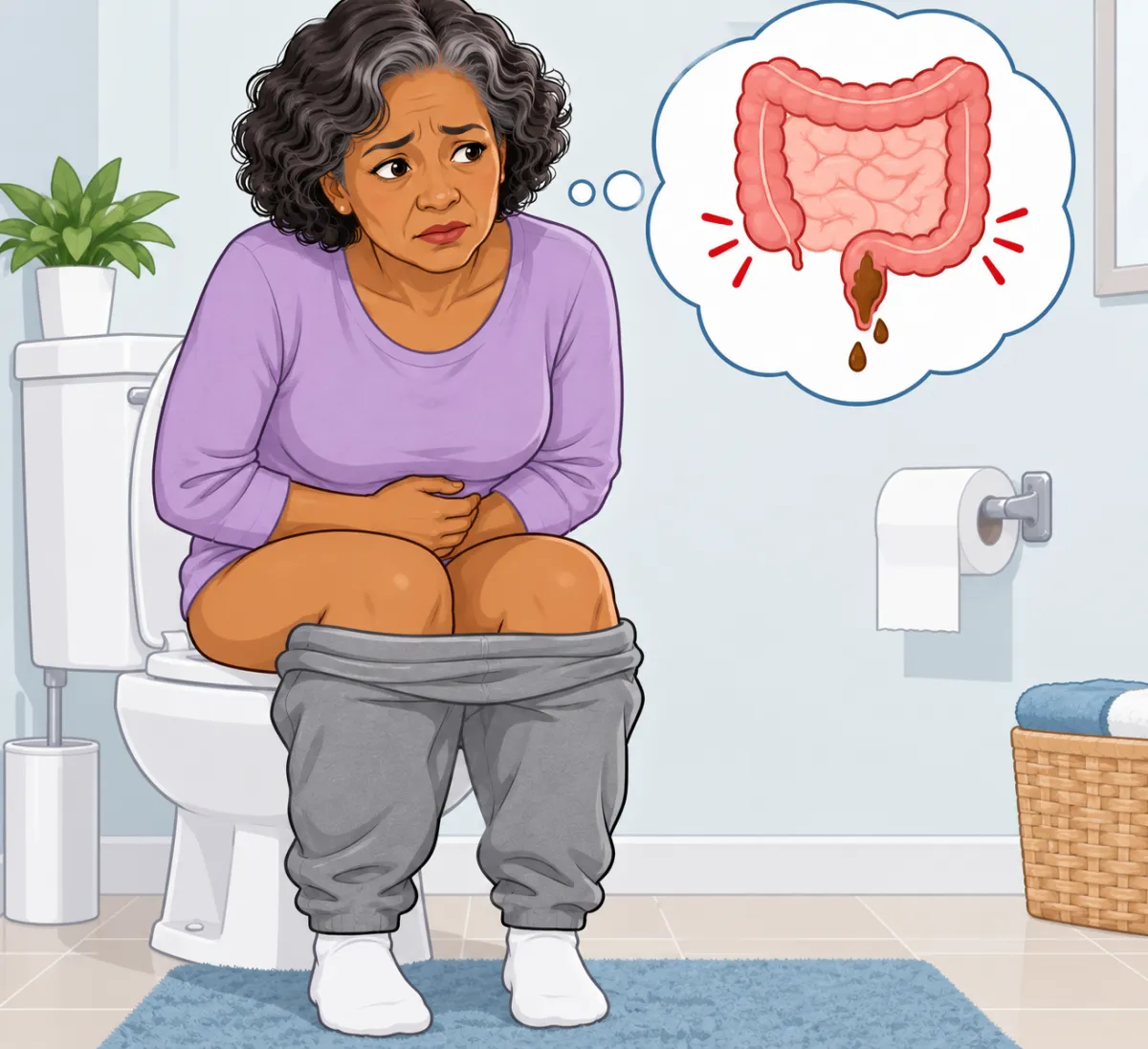
Bowel incontinence after a stroke can be upsetting, embarrassing and difficult to talk about, but it is more common than many people realise. A stroke can affect the brain's control of bowel function, reduce mobility, impair sensation or make it difficult to reach the toilet in time. The good news is that bowel control often improves as recovery progresses, and there are many treatments and practical strategies that can help. Learn why bowel incontinence happens after a stroke, how it is treated and what you can do to manage it confidently.
After your stroke...
You notice something unexpected.
You don't always make it to the toilet in time.
Or perhaps...
You don't realise you need to go until it's too late.
You feel embarrassed.
Ashamed.
You begin wondering...
"Will this ever get better?"
"Is this normal after a stroke?"
These are concerns many stroke survivors experience, even though few people talk about them.
✦ ✦ ✦
The Good News
Bowel incontinence often improves after a stroke.
As your brain and body recover, many people regain better bowel control.
Even if problems continue, treatments, rehabilitation and simple lifestyle changes can make symptoms much easier to manage.
You are not alone, and help is available.
✦ ✦ ✦
Why Can a Stroke Cause Bowel Incontinence?
A stroke can affect the areas of the brain that control bowel function.
It may also affect:
✓ Awareness of needing to open your bowels.
✓ Muscle control around the anus.
✓ Mobility, making it harder to reach the toilet.
✓ Communication, making it difficult to ask for help.
✓ Thinking and memory, leading to missed toilet visits.
Some medications and reduced physical activity after a stroke can also contribute to bowel problems.
✦ ✦ ✦
Types of Bowel Incontinence After a Stroke
People experience bowel incontinence in different ways.
You may notice:
✓ Leakage of stool.
✓ Difficulty controlling wind.
✓ Sudden urgency to use the toilet.
✓ Not recognising the need to open your bowels.
✓ Accidents before reaching the toilet.
Some people experience occasional accidents, while others need ongoing support.
✦ ✦ ✦
Other Symptoms You May Notice
Alongside bowel incontinence, you may experience:
✓ Constipation.
✓ Diarrhoea.
✓ Bloating.
✓ Abdominal discomfort.
✓ Difficulty emptying your bowels completely.
✓ Changes in your normal bowel routine.
Sometimes constipation can actually worsen bowel leakage by causing overflow incontinence.
✦ ✦ ✦
How Is Bowel Incontinence Diagnosed?
Your healthcare professional will usually ask about:
✓ Your symptoms.
✓ Your bowel habits.
✓ Your medications.
✓ Your diet and fluid intake.
✓ Any previous bowel problems.
In some cases, further tests may be recommended to identify other causes.
Although discussing bowel problems may feel uncomfortable, healthcare professionals deal with these issues regularly.
✦ ✦ ✦
Treating the Underlying Cause
Treatment depends on why the bowel incontinence is happening.
Your healthcare team may recommend:
✓ Treating constipation.
✓ Managing diarrhoea.
✓ Adjusting medications if appropriate.
✓ Pelvic floor exercises.
✓ Bladder and bowel rehabilitation.
✓ Reviewing your diet.
Treating the underlying cause often improves bowel control.
✦ ✦ ✦
Establish a Regular Toilet Routine
Many people benefit from a regular bowel routine.
Try to:
✓ Visit the toilet at the same time each day.
✓ Allow enough time without rushing.
✓ Sit comfortably with your feet supported.
✓ Respond promptly when you feel the urge.
Consistency often helps train the bowel.
✦ ✦ ✦
Eat Enough Fibre
A healthy amount of fibre helps keep stools well formed.
Good sources include:
✓ Fruit.
✓ Vegetables.
✓ Wholegrains.
✓ Beans and pulses.
✓ Oats.
Increase fibre gradually and drink enough fluids to help prevent constipation.
✦ ✦ ✦
Stay Hydrated
Drinking enough fluids helps keep stools soft and easier to pass.
Avoid reducing fluids to prevent accidents, as dehydration may make constipation worse.
Your healthcare professional can advise how much fluid is right for you.
✦ ✦ ✦
Stay Physically Active
Movement helps stimulate normal bowel function.
Even gentle activity can help improve:
✓ Digestion.
✓ Bowel regularity.
✓ Overall health.
Choose activities appropriate for your stage of recovery.
✦ ✦ ✦
Pelvic Floor Exercises
Some stroke survivors benefit from exercises that strengthen the pelvic floor muscles.
These muscles help support bowel control.
A continence nurse or physiotherapist can teach the correct technique if appropriate.
✦ ✦ ✦
Practical Ways to Manage Accidents
While recovery continues, it may help to:
✓ Wear appropriate continence products if recommended.
✓ Carry spare clothing when away from home.
✓ Know where toilets are when travelling.
✓ Keep skin clean and dry after accidents.
✓ Use barrier creams if advised to protect the skin.
These strategies can help you feel more confident and reduce anxiety.
✦ ✦ ✦
Looking After Your Emotional Wellbeing
Bowel incontinence can affect confidence and social life.
You may avoid going out because you're worried about accidents.
Remember:
This is a medical problem.
It is not your fault.
Talking openly with your healthcare team can help you find effective solutions.
Many people see significant improvements over time.
✦ ✦ ✦
Tips for Family and Carers
If you're supporting someone after a stroke:
✓ Be patient and respectful.
✓ Protect their dignity and privacy.
✓ Encourage regular toilet routines.
✓ Help ensure easy access to the bathroom if needed.
✓ Watch for signs of constipation or dehydration.
✓ Encourage them to speak with their healthcare professional.
Kindness and reassurance can reduce embarrassment and improve confidence.
✦ ✦ ✦
When Should You Seek Medical Advice?
Arrange an appointment with your healthcare professional if:
✓ Bowel incontinence is ongoing.
✓ Symptoms suddenly become worse.
✓ You have severe constipation or diarrhoea.
✓ You notice blood in your stool.
✓ You develop unexplained weight loss.
✓ Skin becomes sore or damaged due to leakage.
Seek urgent medical attention if you develop severe abdominal pain, persistent vomiting or signs of a bowel obstruction.
✦ ✦ ✦
My Perspective
Some of the most difficult parts of stroke recovery...
Are often the least talked about.
Bowel problems can leave you feeling embarrassed...
Frustrated...
Or isolated.
But they don't define you.
They're simply another challenge that can happen after a stroke.
Like weakness...
Fatigue...
Or speech difficulties...
They deserve understanding, treatment and support.
No one should suffer in silence because they feel too embarrassed to ask for help.
✦ ✦ ✦
Frequently Asked Questions
Is Bowel Incontinence Common After a Stroke?
It can occur after a stroke, particularly in the early stages of recovery, although many people regain bowel control over time.
✦ ✦ ✦
Will My Bowel Control Improve?
Many stroke survivors experience improvement as the brain heals and mobility increases.
Recovery varies from person to person.
✦ ✦ ✦
Can Constipation Cause Bowel Leakage?
Yes.
Severe constipation can lead to overflow incontinence, where loose stool leaks around hard stool trapped in the bowel.
✦ ✦ ✦
Should I Stop Drinking Fluids to Prevent Accidents?
No.
Reducing your fluid intake can worsen constipation and make bowel problems more difficult to manage.
Drink the amount recommended by your healthcare professional.
✦ ✦ ✦
Key Takeaways
✓ Bowel incontinence can occur after a stroke for several different reasons.
✓ Many people improve as recovery progresses.
✓ Regular toilet routines, good hydration and a healthy diet can help.
✓ Constipation should be recognised and treated appropriately.
✓ Speak to your healthcare professional if symptoms continue or worsen.
✓ You should never feel embarrassed about asking for help.
✦ ✦ ✦
Related Articles
Continue learning about bowel and bladder health after stroke with these helpful guides:
Urinary Incontinence After a Stroke – Learn why bladder control problems happen and how they are treated.
Constipation After a Stroke – Discover common causes of constipation and practical ways to relieve it.
Bladder Problems After a Stroke – Understand the different bladder symptoms stroke survivors may experience.
Eating and Nutrition After a Stroke – Learn how healthy eating supports recovery and digestive health.
Caring for Someone After a Stroke – Practical advice for supporting a loved one with dignity and confidence.
✦ ✦ ✦
Final Thoughts
Bowel incontinence may feel overwhelming...
But it doesn't have to control your life.
With the right support...
Good medical care...
Healthy habits...
And patience...
Many people regain confidence and better bowel control after a stroke.
Recovery isn't only about healing your brain...
It's also about finding practical ways to live well every day.