Yes, a stroke can cause chronic pain. Pain may develop because of damage to the brain, muscle weakness, spasticity, joint problems or changes in the way the body moves during recovery. For some stroke survivors, the pain lasts for months or even years. Learn why chronic pain happens after a stroke, the different types of pain, and the treatments that can help you regain comfort and quality of life.
After your stroke...
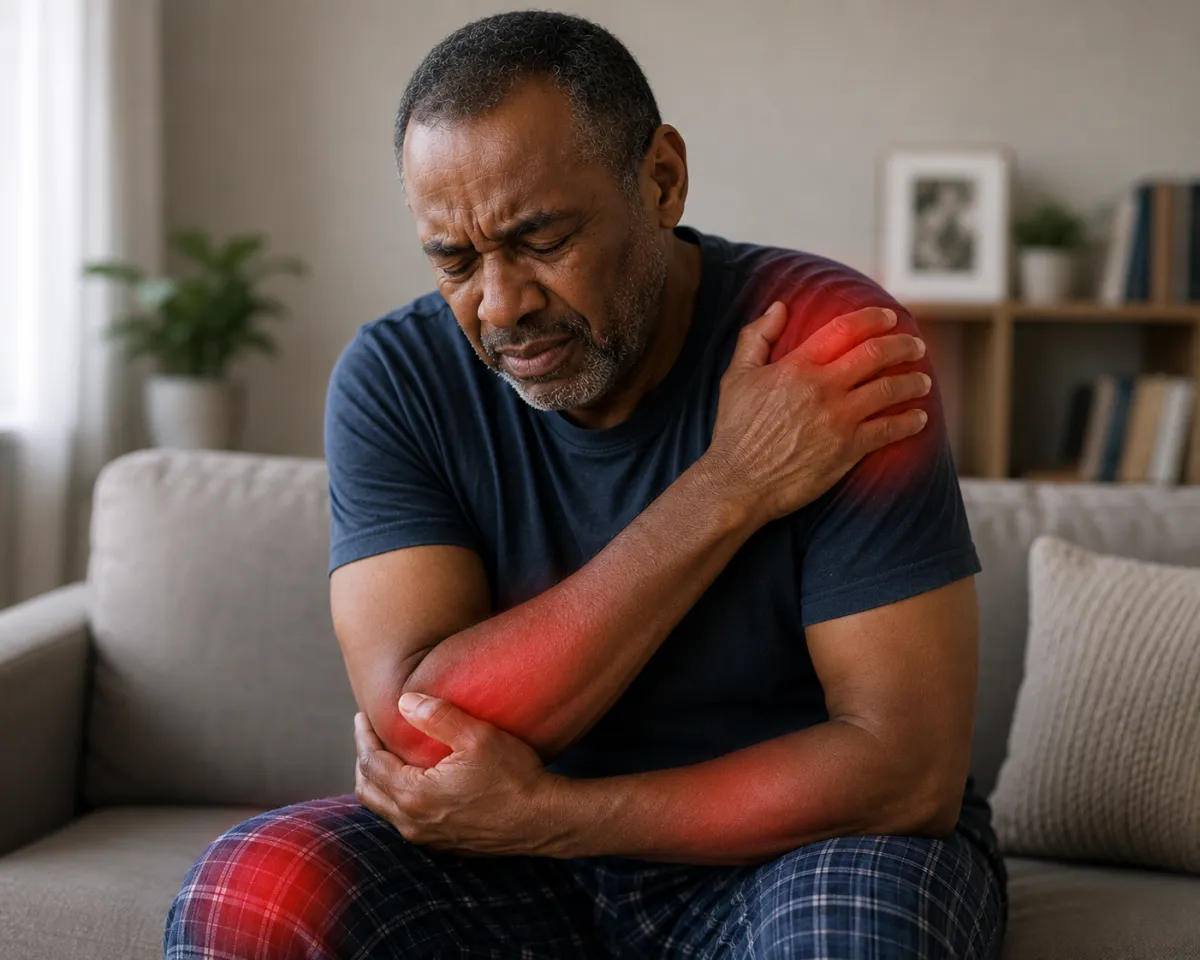
Your shoulder still hurts months later.
Your hand burns for no obvious reason.
Your leg aches every time you walk.
You expected the pain to disappear.
But it hasn't.
You begin wondering...
"Can a stroke cause chronic pain?"
The answer is...
Yes.
Many stroke survivors live with ongoing pain.
The good news is that treatment can often help.
✦ ✦ ✦
The Good News
Although chronic pain after a stroke can be difficult to manage, many people find significant relief through rehabilitation, medication and learning how to manage their symptoms.
The earlier the cause of the pain is identified, the more treatment options are available.
✦ ✦ ✦
What Is Chronic Pain?
Chronic pain is pain that lasts for three months or longer.
Unlike short-term pain caused by an injury, chronic pain continues after the initial healing period.
After a stroke, chronic pain may result from:
✓ Damage to the brain.
✓ Muscle tightness.
✓ Joint problems.
✓ Changes in movement.
✓ Nerve damage.
Sometimes more than one type of pain is present.
✦ ✦ ✦
Why Can a Stroke Cause Chronic Pain?
A stroke changes the way your brain communicates with your body.
It can affect:
✓ Movement.
✓ Sensation.
✓ Muscle tone.
✓ Joint position.
✓ Balance.
✓ Walking.
These changes may place extra strain on muscles and joints or alter how the brain processes pain signals.
✦ ✦ ✦
Common Types of Chronic Pain After a Stroke
Central Post-Stroke Pain
This is a type of neuropathic (nerve) pain caused by damage to the brain.
It may feel like:
✓ Burning.
✓ Stabbing.
✓ Electric shocks.
✓ Tingling.
✓ Extreme sensitivity to touch.
It often develops weeks or months after the stroke.
✦ ✦ ✦
Shoulder Pain
Shoulder pain is one of the most common long-term complications.
It may result from:
✓ Muscle weakness.
✓ Shoulder subluxation.
✓ Frozen shoulder.
✓ Spasticity.
✓ Rotator cuff injury.
Without treatment, shoulder pain can affect rehabilitation.
✦ ✦ ✦
Spasticity-Related Pain
As muscles become tight and overactive, they may cause:
✓ Muscle cramps.
✓ Joint stiffness.
✓ Pain during movement.
✓ Difficulty stretching.
Spasticity often develops gradually during recovery.
✦ ✦ ✦
Joint and Muscle Pain
Changes in posture and walking may place extra stress on:
✓ Hips.
✓ Knees.
✓ Ankles.
✓ Wrists.
✓ Hands.
✓ Back.
This can lead to long-term muscle and joint pain.
✦ ✦ ✦
Overuse Pain
Your stronger side often works much harder after a stroke.
Over time, this can lead to pain from repeated use of muscles and joints.
✦ ✦ ✦
Symptoms of Chronic Pain
Symptoms vary depending on the cause.
You may experience:
✓ Burning pain.
✓ Aching pain.
✓ Sharp pain.
✓ Electric shock sensations.
✓ Tingling.
✓ Pins and needles.
✓ Muscle tightness.
✓ Joint stiffness.
✓ Pain during movement.
✓ Pain that affects sleep.
Pain may be constant or come and go throughout the day.
✦ ✦ ✦
How Can Chronic Pain Affect Recovery?
Persistent pain can make it harder to:
✓ Walk.
✓ Exercise.
✓ Sleep.
✓ Concentrate.
✓ Dress yourself.
✓ Cook.
✓ Return to work.
✓ Enjoy hobbies.
It may also affect your mood and confidence.
Treating pain helps you stay active in your rehabilitation.
✦ ✦ ✦
Treatment Options
Treatment depends on the cause of your pain.
Many people benefit from a combination of approaches.
✦ ✦ ✦
Physiotherapy
Physiotherapy helps improve:
✓ Strength.
✓ Flexibility.
✓ Walking.
✓ Joint movement.
✓ Posture.
Improving movement often reduces pain.
✦ ✦ ✦
Occupational Therapy
Occupational therapists help you find safer and easier ways to complete everyday activities while protecting painful joints.
✦ ✦ ✦
Medication
Your doctor may recommend medication depending on the type of pain.
For example:
✓ Standard pain-relieving medicines for some muscle or joint pain.
✓ Medicines commonly used for neuropathic (nerve) pain, such as certain antidepressants or anti-seizure (antiepileptic) medicines, if the pain is caused by changes in the nervous system.
The most suitable treatment depends on your symptoms and medical history.
✦ ✦ ✦
Managing Spasticity
If muscle tightness is causing pain, treatment may include:
✓ Stretching.
✓ Splints.
✓ Botulinum toxin (Botox) injections.
✓ Medication.
Reducing spasticity often improves comfort and movement.
✦ ✦ ✦
Pain Management Programmes
Specialist pain clinics combine medical treatment, education and psychological support to help people manage chronic pain more effectively.
✦ ✦ ✦
Practical Tips
Keep Moving
Gentle movement helps prevent stiffness and supports recovery.
Avoid stopping activity completely unless advised by your healthcare professional.
✦ ✦ ✦
Pace Yourself
Balance activity with regular rest.
Doing too much on good days may worsen pain later.
✦ ✦ ✦
Prioritise Sleep
Poor sleep often increases pain sensitivity.
A regular sleep routine can help reduce flare-ups.
✦ ✦ ✦
Manage Stress
Stress and anxiety can make chronic pain feel more intense.
Relaxation techniques, breathing exercises and mindfulness may help.
✦ ✦ ✦
Don't Ignore Persistent Pain
Pain lasting several weeks or months deserves medical assessment.
Early treatment often improves long-term outcomes.
✦ ✦ ✦
Tips for Family and Carers
If you're supporting someone with chronic pain:
✓ Understand that their pain is real.
✓ Encourage regular rehabilitation.
✓ Support gentle physical activity.
✓ Help identify pain triggers.
✓ Be patient during pain flare-ups.
Your understanding can have a positive impact on both physical and emotional recovery.
✦ ✦ ✦
When Should You Seek Medical Advice?
Speak with your healthcare professional if:
✓ Pain lasts longer than a few weeks.
✓ Pain is affecting sleep or daily life.
✓ Current treatment isn't helping.
✓ Pain is becoming more severe.
✓ You notice new weakness or changes in sensation.
Seek emergency medical attention immediately if chronic pain is accompanied by:
✓ New facial drooping.
✓ Sudden arm or leg weakness.
✓ Difficulty speaking.
✓ Sudden confusion.
✓ Vision changes.
These may be signs of another stroke.
✦ ✦ ✦
My Perspective
Living with chronic pain after a stroke can be exhausting.
Some days...
The pain feels louder than everything else.
But pain doesn't mean you've stopped recovering.
Many people find that the right combination of treatment, rehabilitation and support helps them regain control and improve their quality of life.
Don't suffer in silence.
Help is available.
✦ ✦ ✦
Frequently Asked Questions
How Common Is Chronic Pain After a Stroke?
Chronic pain affects a significant number of stroke survivors. The exact cause varies from person to person and may involve muscles, joints, nerves or a combination of these.
✦ ✦ ✦
Can Chronic Pain Start Months After a Stroke?
Yes.
Some types of pain, particularly central post-stroke pain and spasticity-related pain, often develop weeks or months after the stroke.
✦ ✦ ✦
Will Chronic Pain Ever Go Away?
Some people experience complete recovery.
Others continue to have long-term pain that becomes easier to manage with the right treatment and rehabilitation.
✦ ✦ ✦
Should I Exercise if I'm in Pain?
Gentle exercise is often beneficial, but persistent or severe pain should be assessed by your healthcare professional.
Your physiotherapist can recommend exercises that are safe for your specific condition.
✦ ✦ ✦
Key Takeaways
✓ A stroke can cause chronic pain that lasts for months or years.
✓ Pain may be caused by nerve damage, muscle weakness, spasticity or joint problems.
✓ Early diagnosis helps guide the most effective treatment.
✓ Physiotherapy, occupational therapy and appropriate medication all play important roles.
✓ Staying active and managing pain early supports recovery.
✓ Many people improve with the right rehabilitation and ongoing support.
✦ ✦ ✦
About the Author
Alisia Gayle is a stroke survivor who achieved 96% neurological recovery following an ischaemic stroke.
After years of rehabilitation, she now shares practical, evidence-informed resources to help stroke survivors, carers and families better understand recovery and rebuild their lives with confidence.
Alisia is also the author of Brain Damage: My Journey to 96% Recovery, where she shares her personal stroke recovery story and the lessons she learned throughout her rehabilitation.
✦ ✦ ✦
Medical Disclaimer
This article is intended for educational purposes only and should not replace professional medical advice, diagnosis or treatment.
Always seek advice from your doctor, physiotherapist, occupational therapist or other healthcare professional regarding symptoms, concerns or changes in your condition.
Never stop or change prescribed medication without medical guidance.
✦ ✦ ✦
Final Thoughts
Chronic pain can become part of your stroke journey...
But it doesn't have to define it.
Every treatment...
Every therapy session...
Every small improvement...
Is helping you take back control.
Be patient with yourself.
Keep asking for support.
Recovery isn't just about reducing pain—it's about building a life that isn't ruled by it.