
Yes, hand function can continue to improve years after a stroke. Although recovery is often fastest during the first few months, the brain remains capable of adapting through neuroplasticity for many years. With regular rehabilitation, meaningful practice and persistence, many stroke survivors continue to regain strength, coordination and fine motor skills long after their stroke. Learn why long-term recovery is possible and how to maximise your hand function.
After your stroke...
Months have passed.
Perhaps even years.
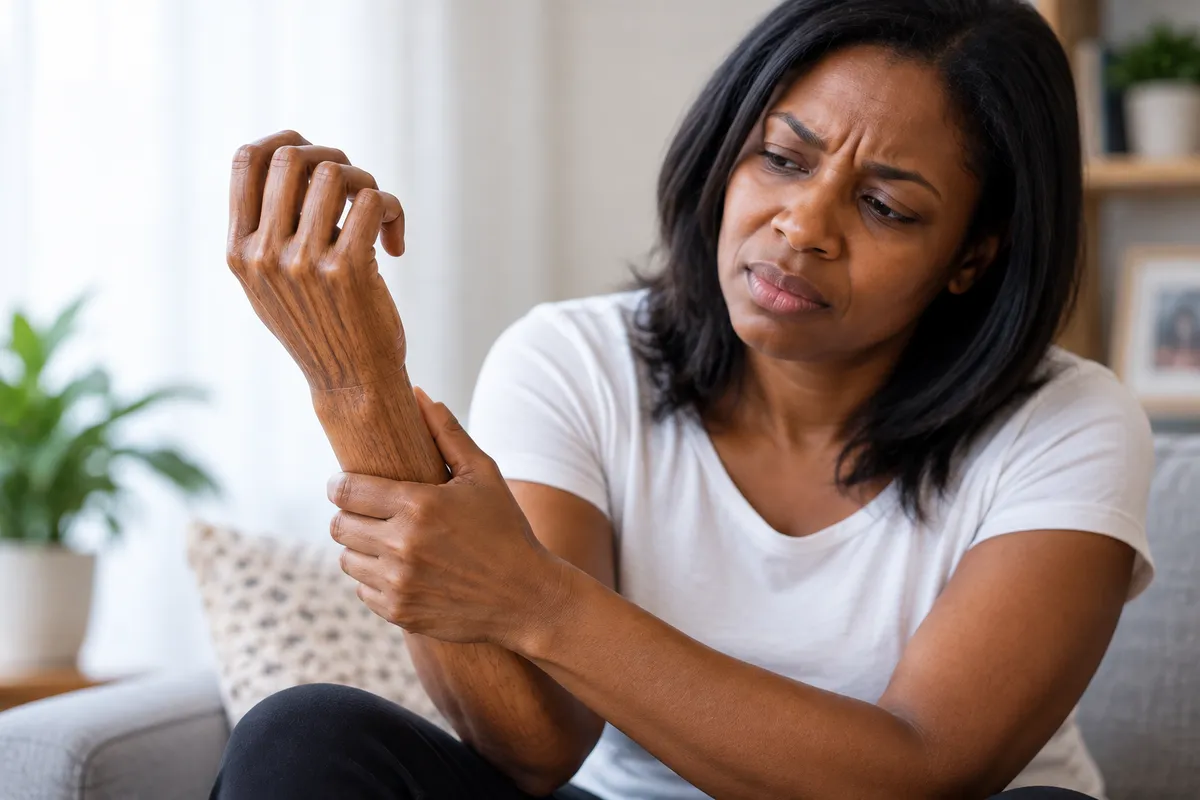
Your hand still isn't where you want it to be.
People tell you...
"Recovery stops after six months."
Or...
"If it hasn't improved by now, it never will."
You begin wondering...
"Is there still hope?"
The answer is...
Yes.
✦ ✦ ✦
The Good News
Recovery does not have an expiry date.
Although improvements are usually fastest during the first few months after a stroke, your brain continues to change throughout your life.
Many stroke survivors regain better hand movement, coordination and function years after their stroke through consistent rehabilitation.
✦ ✦ ✦
Can Hand Function Really Return Years Later?
Yes.
Research has shown that the brain remains capable of neuroplasticity, meaning it can continue forming new neural connections long after a stroke.
This means improvements can still happen:
✓ One year later.
✓ Two years later.
✓ Five years later.
✓ Even decades later.
Recovery may be slower than it was in the early months...
But it is still possible.
✦ ✦ ✦
Why Is Long-Term Recovery Possible?
After a stroke, damaged brain cells cannot usually be replaced.
Instead...
Other areas of the brain learn to take over some of their functions.
Every time you:
✓ Open your hand.
✓ Reach for an object.
✓ Pick something up.
✓ Complete an exercise.
Your brain strengthens these new pathways.
The more meaningful repetitions you perform...
The stronger those pathways become.
✦ ✦ ✦
Why Do Some People Stop Improving?
Often...
It's not because the brain has stopped recovering.
It's because rehabilitation has stopped.
Many stroke survivors receive intensive therapy for only a few weeks or months.
After formal rehabilitation ends, daily practice often becomes less frequent.
Without repetition...
Progress naturally slows.
Continuing to challenge your brain is one of the best ways to keep improving.
✦ ✦ ✦
What Improvements Are Still Possible?
Many people continue improving:
✓ Hand strength.
✓ Finger movement.
✓ Grip.
✓ Coordination.
✓ Fine motor skills.
✓ Dexterity.
✓ Speed.
✓ Accuracy.
✓ Confidence using the affected hand.
Even small improvements can make everyday activities much easier.
✦ ✦ ✦
What Helps Long-Term Hand Recovery?
Regular Practice
The brain learns through repetition.
Daily exercises continue stimulating recovery.
✦ ✦ ✦
Using Your Hand Every Day
Don't save your affected hand only for therapy sessions.
Use it during:
✓ Dressing.
✓ Cooking.
✓ Eating.
✓ Household tasks.
✓ Hobbies.
Everyday activities are excellent rehabilitation.
✦ ✦ ✦
Challenging Your Brain
As your hand improves...
Increase the difficulty of your activities.
Your brain adapts best when challenged.
✦ ✦ ✦
Strength and Coordination Training
Continue exercises that improve:
✓ Strength.
✓ Coordination.
✓ Fine motor skills.
✓ Finger control.
Maintaining movement helps prevent stiffness and further weakness.
✦ ✦ ✦
Neuroplasticity
Every movement...
Every repetition...
Every attempt...
Helps your brain strengthen its communication with your hand.
Neuroplasticity never completely disappears.
✦ ✦ ✦
Treatments That May Help
Your rehabilitation team may recommend:
✓ Physiotherapy.
✓ Occupational therapy.
✓ Mirror therapy.
✓ Functional Electrical Stimulation (FES).
✓ Constraint-Induced Movement Therapy (CIMT).
✓ Task-specific training.
The right combination depends on your level of recovery and your goals.
✦ ✦ ✦
Practical Tips
Don't Stop Exercising
Even small daily practice sessions continue stimulating your brain.
Consistency matters more than intensity.
✦ ✦ ✦
Set New Goals
Instead of focusing only on recovery...
Focus on learning new skills.
Each new challenge encourages further brain adaptation.
✦ ✦ ✦
Use Both Hands
Where possible, include your affected hand in everyday tasks.
Even using it as a supporting hand provides valuable practice.
✦ ✦ ✦
Celebrate Small Improvements
Opening your fingers a little wider...
Writing more neatly...
Holding a cup more steadily...
These are meaningful achievements.
✦ ✦ ✦
Stay Hopeful
Recovery often comes in small steps rather than dramatic breakthroughs.
Those small steps add up.
✦ ✦ ✦
Tips for Family and Carers
If you're supporting someone years after their stroke:
✓ Continue encouraging rehabilitation.
✓ Avoid assuming recovery has finished.
✓ Celebrate ongoing improvements.
✓ Encourage use of the affected hand.
✓ Help maintain motivation.
Recovery can continue for much longer than many people expect.
✦ ✦ ✦
When Should You Seek Medical Advice?
Speak with your healthcare professional if:
✓ Your hand becomes increasingly stiff.
✓ You develop worsening pain.
✓ You notice increasing weakness.
✓ You're unsure which rehabilitation techniques are most appropriate.
Seek emergency medical attention immediately if:
✓ Your hand suddenly becomes much weaker.
✓ You develop facial drooping.
✓ Your speech becomes slurred.
✓ You experience sudden numbness or confusion.
These may be signs of another stroke.
✦ ✦ ✦
My Perspective
One of the biggest myths about stroke recovery...
Is that it has an end date.
It doesn't.
Your recovery may become slower...
But your brain never completely loses its ability to learn.
Every repetition...
Every exercise...
Every challenge...
Is another opportunity to improve.
Progress isn't measured by how long it's been since your stroke.
It's measured by what you continue to practise.
✦ ✦ ✦
Frequently Asked Questions
Can Hand Function Improve Five Years After a Stroke?
Yes.
Many stroke survivors continue making meaningful improvements several years after their stroke through ongoing rehabilitation and daily practice.
✦ ✦ ✦
Does Recovery Ever Completely Stop?
There is no clear point at which recovery suddenly stops.
Although progress usually slows over time, the brain remains capable of neuroplasticity throughout life.
✦ ✦ ✦
Why Does Progress Feel So Slow Now?
Early recovery is often rapid.
Later improvements are usually smaller and take longer, but they can still have a meaningful impact on your independence.
✦ ✦ ✦
What's the Most Important Thing I Can Do?
Keep using your hand.
Consistent, meaningful practice remains one of the most effective ways to support long-term recovery.
✦ ✦ ✦
Key Takeaways
✓ Hand function can continue improving years after a stroke.
✓ Neuroplasticity allows the brain to keep adapting throughout life.
✓ Regular rehabilitation and daily practice remain essential.
✓ Don't assume recovery has finished simply because progress has slowed.
✓ Small improvements can significantly improve independence.
✓ Recovery is a lifelong process, not one limited to the first few months.
✦ ✦ ✦
Related Articles
Continue learning about hand and arm recovery with these helpful guides:
How Long Does Hand Recovery Take After a Stroke? – Learn what influences recovery timelines and what to expect.
Best Hand Exercises After a Stroke – Discover exercises that improve strength, flexibility and coordination.
Neuroplasticity After Stroke: How Your Brain Rewires Itself – Understand how your brain continues adapting through repetition.
Fine Motor Skills After a Stroke – Learn how to improve precision for everyday tasks.
Constraint-Induced Movement Therapy (CIMT) After a Stroke – Discover how intensive practice encourages long-term hand recovery.
✦ ✦ ✦
About the Author
Alisia Gayle is a stroke survivor who achieved 96% neurological recovery following an ischaemic stroke.
After years of rehabilitation, she now shares practical, evidence-informed resources to help stroke survivors, carers and families better understand recovery and rebuild their lives with confidence.
Alisia is also the author of Brain Damage: My Journey to 96% Recovery, where she shares her personal stroke recovery story and the lessons she learned throughout her rehabilitation.
✦ ✦ ✦
Medical Disclaimer
This article is intended for educational purposes only and should not replace professional medical advice, diagnosis or treatment.
Always seek advice from your doctor, physiotherapist or occupational therapist regarding symptoms, concerns or changes in your condition.

✦ ✦ ✦
Final Thoughts
It doesn't matter whether your stroke happened...
Six months ago...
Three years ago...
Or ten years ago.
If you continue giving your brain a reason to learn...
It can continue adapting.
Keep practising.
Keep challenging yourself.
Recovery doesn't stop because time has passed—it continues every time you give your brain another opportunity to improve.