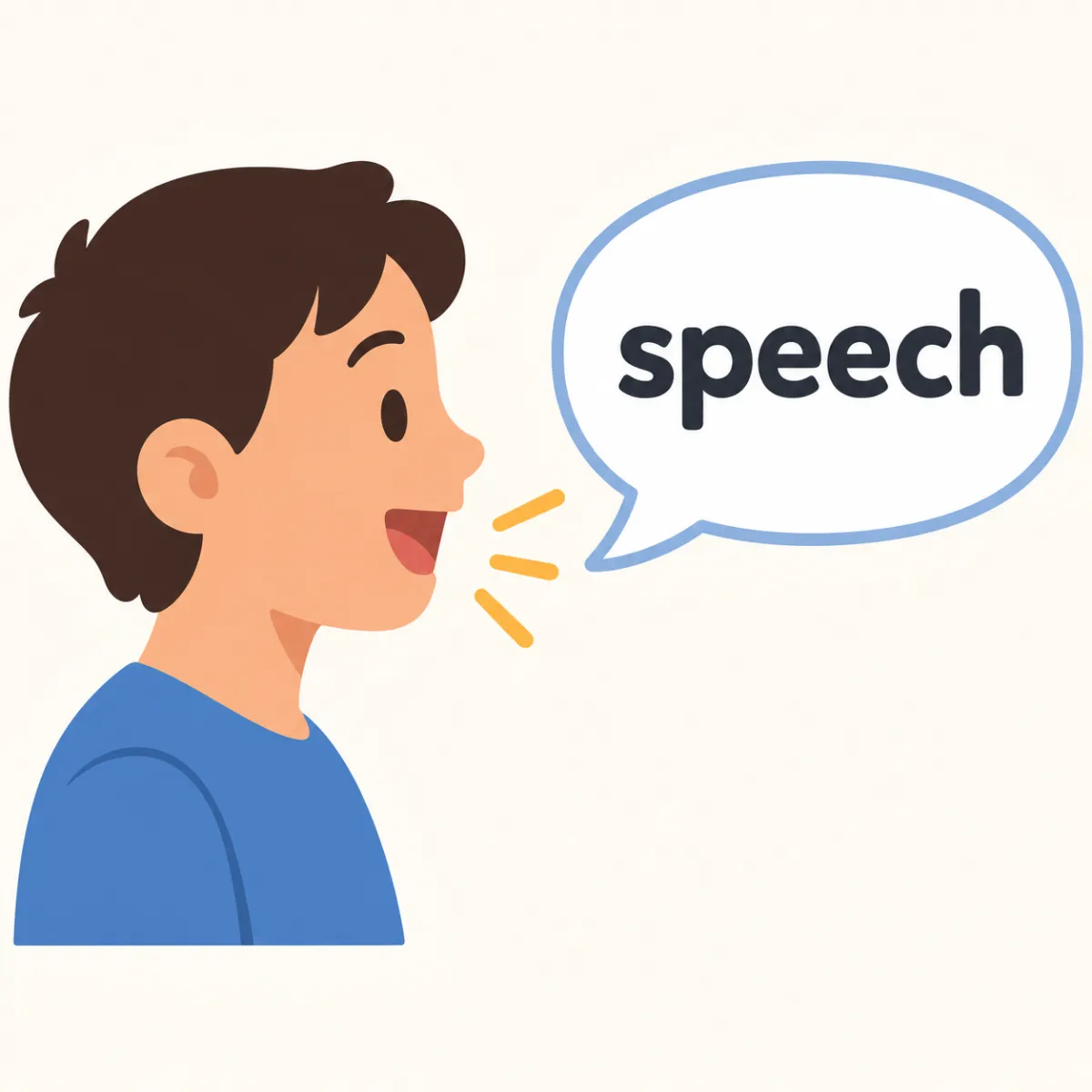
Many stroke survivors wonder whether they will ever speak normally again. The answer is that speech recovery is possible, but it depends on the type of speech problem, the severity of the stroke and the rehabilitation you receive. Learn how speech recovers after a stroke, what treatments can help, and why improvement can continue for months and even years.
After your stroke...
You struggle to say your name.
Simple conversations feel impossible.
People ask you to repeat yourself.
You know what you want to say...
But the words won't come.
You begin wondering...
"Will I ever speak normally again?"
It's one of the first questions many stroke survivors ask.
And while no one can predict exactly how much speech will return...
There is genuine reason to be hopeful.
✦ ✦ ✦
The Good News
Speech recovery is possible.
Many stroke survivors regain some—or even most—of their communication abilities.
Others continue improving for years after their stroke through rehabilitation, daily practice and the brain's ability to reorganise itself.
Recovery is different for everyone.
But your brain has a remarkable ability to adapt.
✦ ✦ ✦
Can Speech Return After a Stroke?
Yes.
Many people experience significant improvements.
Some recover almost completely.
Others continue to have communication difficulties but learn effective ways to communicate confidently.
Recovery depends on several factors, including:
✓ The location of the stroke.
✓ The size of the stroke.
✓ The type of speech disorder.
✓ How quickly rehabilitation begins.
✓ The amount of practice completed.
✓ Your overall health.
No two recoveries are exactly the same.
✦ ✦ ✦
Why Does a Stroke Affect Speech?
Speech depends on many different areas of the brain working together.
A stroke can interrupt the pathways responsible for:
✓ Producing words.
✓ Understanding language.
✓ Controlling the speech muscles.
✓ Planning speech movements.
The exact communication problem depends on which part of the brain has been affected.
✦ ✦ ✦
Different Types of Speech Problems
Several conditions can affect speech after a stroke.
Aphasia
Aphasia affects language.
You may struggle to:
✓ Find words.
✓ Understand conversations.
✓ Read.
✓ Write.
✦ ✦ ✦
Dysarthria
Dysarthria affects the muscles used for speech.
Speech may sound:
✓ Slurred.
✓ Slow.
✓ Quiet.
✓ Difficult to understand.
✦ ✦ ✦
Apraxia of Speech
With apraxia, the brain struggles to plan the movements needed for speech.
You know the words.
Your muscles may be strong enough.
But the brain cannot organise the movements correctly.
Some people experience more than one of these conditions.
✦ ✦ ✦
How Does Speech Recover?
Recovery happens because of neuroplasticity.
Neuroplasticity is the brain's ability to create new pathways around damaged areas.
Every time you practise speaking...
Your brain is strengthening those pathways.
This is why repetition is so important.
The more meaningful practice you do...
The more opportunities your brain has to improve.
✦ ✦ ✦
What Helps Speech Recovery?
Speech and Language Therapy
Speech and language therapy is one of the most effective treatments for communication problems after stroke.
Your therapist may help improve:
✓ Speech clarity.
✓ Word finding.
✓ Understanding.
✓ Reading.
✓ Writing.
✓ Conversation skills.
Therapy is tailored to your individual needs.
✦ ✦ ✦
Daily Practice
Recovery doesn't only happen during therapy sessions.
Practising every day helps reinforce what your brain is learning.
Even ten to fifteen minutes of regular practice can make a difference over time.
✦ ✦ ✦
Talking to Other People
Every conversation is an opportunity to practise.
Talking with family, friends and carers helps strengthen communication pathways while rebuilding confidence.
✦ ✦ ✦
Reading Aloud
Reading books, newspapers or short articles aloud helps improve speech, pronunciation and confidence.
Start with short passages and gradually increase the difficulty.
✦ ✦ ✦
Looking After Your Health
Your brain recovers best when you:
✓ Get enough sleep.
✓ Stay physically active.
✓ Eat a balanced diet.
✓ Manage stress.
✓ Attend rehabilitation appointments.
Looking after your overall health supports your recovery.
✦ ✦ ✦
How Long Does Speech Recovery Take?
Recovery varies enormously.
Some people improve within weeks.
Others continue improving for months or years.
Many survivors notice the biggest improvements during the first few months.
However...
Recovery doesn't stop there.
Meaningful progress can continue for many years because the brain never completely loses its ability to adapt.
✦ ✦ ✦
What If My Speech Doesn't Return Completely?
Even if speech doesn't return exactly as it was before, communication can still improve.
Many stroke survivors learn new ways to express themselves using:
✓ Gestures.
✓ Writing.
✓ Communication apps.
✓ Picture boards.
✓ Slower, clearer speech.
The goal isn't perfection.
The goal is meaningful communication.
✦ ✦ ✦
Practical Tips
Speak Slowly
Rushing often makes speech less clear.
Give yourself permission to slow down.
✦ ✦ ✦
Practise Every Day
Small amounts of daily practice are usually more effective than occasional long sessions.
Consistency matters.
✦ ✦ ✦
Be Patient
Speech recovery takes time.
Celebrate progress—even if it feels small.
Those small improvements add up.
✦ ✦ ✦
Don't Avoid Conversations
The more you communicate, the more opportunities your brain has to learn.
Even difficult conversations are helping your recovery.
✦ ✦ ✦
Accept Help
Speech and language therapists, family and friends all play an important role in recovery.
You don't have to do it alone.
✦ ✦ ✦
When Should You Seek Medical Advice?
Speak with your healthcare professional if:
✓ Your speech suddenly becomes worse.
✓ You develop new communication difficulties.
✓ Swallowing also becomes more difficult.
✓ You become increasingly frustrated or isolated.
Seek emergency medical attention immediately if speech suddenly becomes slurred or you cannot speak, especially if accompanied by facial drooping, arm weakness or confusion.
These may be signs of another stroke.
✦ ✦ ✦
My Perspective
One of the hardest parts of recovery is not knowing what the future holds.
You wonder if you'll ever speak the way you used to.
I learned that recovery doesn't happen all at once.
It happens one conversation...
One word...
One sentence at a time.
Some days you'll surprise yourself.
Other days will feel harder.
Keep going.
Your brain is learning with every attempt.
✦ ✦ ✦
Frequently Asked Questions
Can Speech Fully Recover After a Stroke?
Some people regain almost all of their speech.
Others continue to improve while adapting to lasting communication difficulties.
Every recovery is unique.
✦ ✦ ✦
How Long Does Speech Recovery Take?
Recovery varies from person to person.
Many people continue improving for months and even years after their stroke.
✦ ✦ ✦
Is It Too Late to Improve?
No.
Thanks to neuroplasticity, meaningful improvements remain possible years after a stroke.
Regular practice continues to stimulate the brain.
✦ ✦ ✦
Does Speech Therapy Really Help?
Yes.
Speech and language therapy is one of the most effective treatments for communication problems after stroke and is recommended as early as possible.
✦ ✦ ✦
Key Takeaways
✓ Speech recovery after a stroke is possible.
✓ Recovery depends on the type and severity of the communication problem.
✓ Speech and language therapy is the cornerstone of treatment.
✓ Daily practice helps strengthen new neural pathways.
✓ Many people continue improving for months and even years.
✓ Every conversation is an opportunity for your brain to recover.
✦ ✦ ✦
About the Author
Alisia Gayle is a stroke survivor who achieved 96% neurological recovery following an ischaemic stroke.
After years of rehabilitation, she now shares practical, evidence-informed resources to help stroke survivors, carers and families better understand recovery and rebuild their lives with confidence.
Alisia is also the author of Brain Damage: My Journey to 96% Recovery, where she shares her personal stroke recovery story and the lessons she learned throughout her rehabilitation.
✦ ✦ ✦
Medical Disclaimer
This article is intended for educational purposes only and should not replace professional medical advice, diagnosis or treatment.
Always seek advice from your doctor, speech and language therapist or other healthcare professional regarding symptoms, concerns or changes in your condition.
✦ ✦ ✦
Final Thoughts
If you're struggling to speak today...
Remember this.
Your recovery isn't measured by how many words you can say.
It's measured by your willingness to keep trying.
Every exercise...
Every conversation...
Every word you practise...
Is helping your brain build stronger communication pathways.
Recovery isn't about finding your old voice—it's about discovering the strength of your new one, one word at a time.