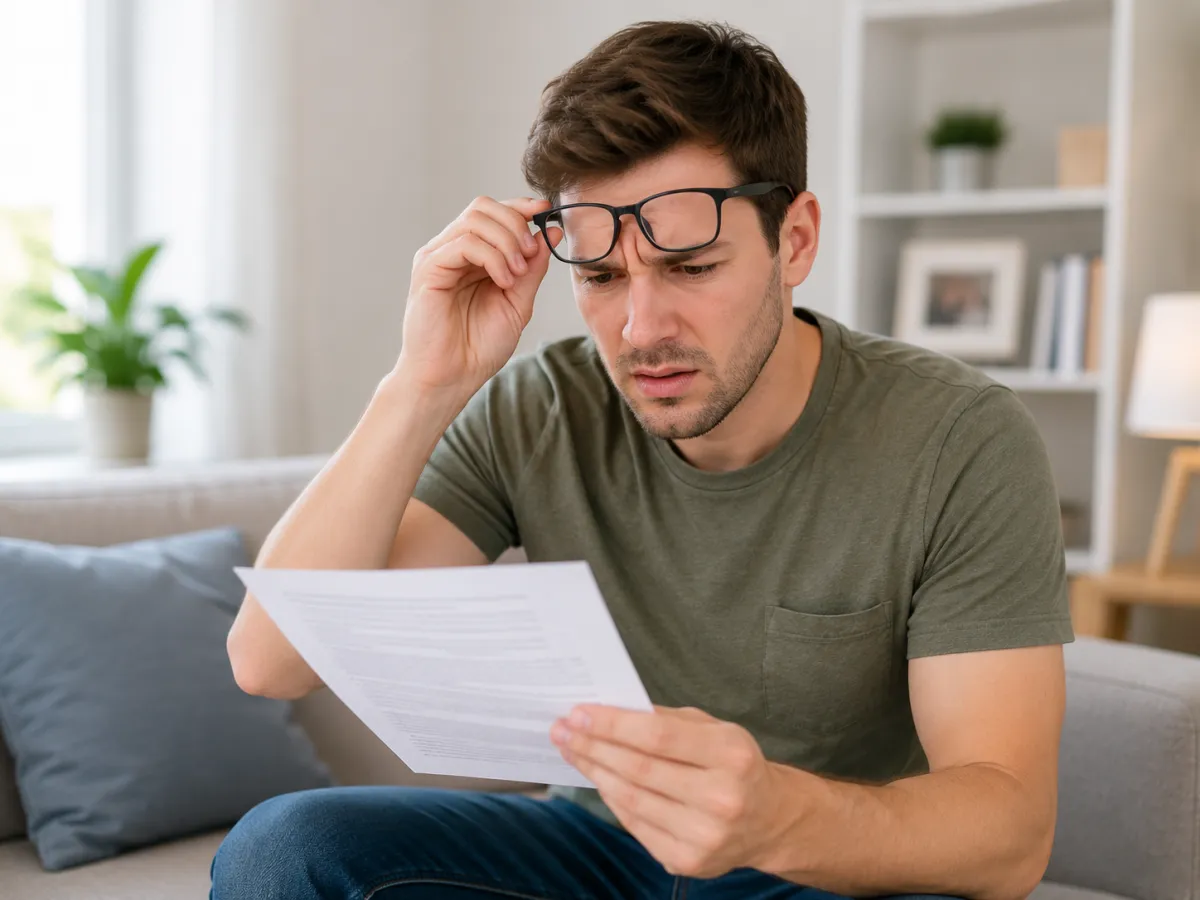
Many stroke survivors notice changes in their vision after a stroke and naturally wonder whether these problems will improve, stay the same or become worse. Some people experience periods where vision seems to fluctuate, while others notice symptoms worsening when they are tired or unwell. Learn why vision problems can sometimes appear to worsen after stroke, when this may be temporary and when medical attention is important.
After your stroke...
Some days your vision seems better.
Other days it feels much worse.
Perhaps you bump into more things.
Maybe reading suddenly becomes harder.
Or perhaps crowded places that were manageable last week now feel overwhelming.
You begin wondering...
"Is my vision getting worse?"
Or...
"Does this mean I'm having another stroke?"
The good news is...
Temporary worsening of vision symptoms after stroke is relatively common and does not always mean permanent deterioration.
✦ ✦ ✦
The Good News
Vision recovery after stroke is rarely a straight line.
Many people experience:
✓ Good days and bad days.
✓ Temporary setbacks.
✓ Fluctuating symptoms.
✓ Improvements followed by periods of frustration.
This can be completely normal during recovery.
In many cases, worsening symptoms are caused by fatigue, illness or increased demands on the brain rather than new damage.
✦ ✦ ✦
Why Might Vision Problems Seem Worse?
There are several possible reasons.
Common causes include:
✓ Stroke fatigue.
✓ Poor sleep.
✓ Stress and anxiety.
✓ Illness or infection.
✓ Visual overload.
✓ Changes in lighting.
✓ Increased cognitive demands.
✓ Natural ageing or separate eye conditions.
Understanding the cause can help determine whether symptoms are temporary or require further assessment.
✦ ✦ ✦
Fatigue Can Significantly Affect Vision
The brain works much harder after a stroke.
When you become tired, you may notice:
✓ More blurred vision.
✓ Increased double vision.
✓ Greater difficulty reading.
✓ Worse visual neglect.
✓ Increased difficulty recognising faces or objects.
✓ More problems in busy environments.
This does not necessarily mean your eyesight is deteriorating.
It may simply mean that your brain has less energy available for visual processing.
✦ ✦ ✦
Visual Overload
Many survivors become overwhelmed by environments containing too much visual information.
For example:
✓ Supermarkets.
✓ Shopping centres.
✓ Busy roads.
✓ Large family gatherings.
✓ Watching television.
After prolonged visual activity, symptoms may temporarily worsen.
You may feel:
✓ Visually exhausted.
✓ More confused.
✓ Less able to process what you are seeing.
✓ More dependent on rest.
This is often referred to as visual fatigue or visual overload.
✦ ✦ ✦
Poor Sleep and Illness
Poor sleep can significantly affect brain function.
You may notice worsening symptoms when:
✓ Sleep deprived.
✓ Experiencing infections.
✓ Recovering from illness.
✓ Under physical stress.
Many neurological symptoms temporarily worsen when the body is unwell.
✦ ✦ ✦
Stress and Anxiety
Stress affects concentration, attention and processing speed.
When anxious, you may notice:
✓ Increased visual confusion.
✓ More difficulty reading.
✓ Greater sensitivity to busy environments.
✓ Increased awareness of visual symptoms.
Stress does not cause the original stroke injury.
However, it can temporarily make existing symptoms feel worse.
✦ ✦ ✦
Can Vision Problems Worsen Permanently?
Sometimes, yes.
Not all changes are necessarily related to the original stroke.
Other conditions can develop over time, including:
✓ Cataracts.
✓ Glaucoma.
✓ Macular degeneration.
✓ Diabetes-related eye disease.
✓ New neurological conditions.
Normal ageing can also affect vision.
This is why regular eye examinations remain important after stroke.
✦ ✦ ✦
Could It Mean Another Stroke?
Sometimes sudden visual changes can indicate another stroke or transient ischaemic attack (TIA).
Seek urgent medical attention if you experience:
✓ Sudden loss of vision.
✓ Sudden double vision.
✓ New visual field loss.
✓ Sudden worsening of neglect.
✓ New weakness or speech problems.
✓ Sudden severe headache.
These symptoms should always be assessed urgently.
✦ ✦ ✦
Why Does My Vision Fluctuate?
Many stroke survivors describe vision as being:
✓ Better in the morning.
✓ Worse in the evening.
✓ Worse after concentration.
✓ Worse after busy social events.
✓ Better after rest.
This fluctuation is often related to the brain's energy levels rather than permanent worsening.
✦ ✦ ✦
Can Visual Recovery Continue?
Yes.
Visual recovery can continue for months and sometimes years.
Some people experience:
✓ Gradual improvement in visual fields.
✓ Better visual scanning.
✓ Reduced neglect.
✓ Improved reading ability.
✓ Better adaptation to visual changes.
Others may not regain normal vision but become much better at compensating.
✦ ✦ ✦
What Can Help?
Manage Fatigue
Rest is an important part of neurological recovery.
Take Visual Breaks
Frequent breaks may reduce visual overload.
Reduce Clutter
Simplifying environments can make visual processing easier.
Improve Lighting
Good lighting may reduce strain.
Pace Activities
Avoid long periods of reading or visually demanding tasks without rest.
Attend Regular Eye Examinations
Not every visual change is caused by stroke.
Routine eye care remains important.
✦ ✦ ✦
When Should You Seek Medical Advice?
Arrange an appointment with your healthcare professional if:
✓ Vision is gradually worsening.
✓ Reading has become significantly harder.
✓ New symptoms are developing.
✓ Visual problems are affecting independence.
✓ You suspect another eye condition.
Seek urgent medical attention if symptoms worsen suddenly.
✦ ✦ ✦
My Perspective
After a stroke...
Fluctuating symptoms can be incredibly frightening.
You may finally feel that things are improving...
Only to wake up one morning and feel as though you have gone backwards.
This can be emotionally exhausting.
But temporary worsening does not necessarily mean recovery has stopped.
The brain often has good days and bad days.
Learning to recognise triggers such as fatigue, stress and overload can help make these fluctuations less frightening.
✦ ✦ ✦
Frequently Asked Questions
Is it normal for vision to fluctuate after a stroke?
Yes.
Many people experience good days and bad days.
✦ ✦ ✦
Why is my vision worse when I'm tired?
Fatigue reduces the brain's ability to process visual information efficiently.
✦ ✦ ✦
Does worsening vision always mean another stroke?
No.
However, sudden visual changes should always be assessed urgently.
✦ ✦ ✦
Can visual symptoms improve years later?
Sometimes, yes.
Recovery and adaptation can continue for a long time.
✦ ✦ ✦
Should I still have regular eye tests?
Yes.
Other eye conditions can develop independently of the stroke.
✦ ✦ ✦
Key Takeaways
✓ Vision problems may fluctuate after stroke.
✓ Fatigue, stress and illness commonly make symptoms worse.
✓ Temporary worsening does not necessarily mean permanent deterioration.
✓ Sudden visual changes should always be assessed urgently.
✓ Other eye conditions can also develop after stroke.
✓ Many people continue improving or adapting over time.
✦ ✦ ✦
Related Articles
Continue learning about visual recovery after stroke with these helpful guides:
Can Vision Return After a Stroke? – Learn about visual recovery and neuroplasticity.
Visual Processing Problems After Stroke – Understand why seeing and understanding can become disconnected.
Reading Problems After Stroke – Learn why reading may suddenly become difficult.
Difficulty Recognising Faces After Stroke – Discover why familiar faces may seem unfamiliar.
Eye Fatigue After Stroke – Understand why visual tasks become exhausting.
✦ ✦ ✦
About the Author
Alisia Gayle is a stroke survivor who achieved 96% neurological recovery following an ischaemic stroke.
After years of rehabilitation, she now shares practical, evidence-informed resources to help stroke survivors, carers and families better understand recovery and rebuild their lives with confidence.
Alisia is also the author of Brain Damage: My Journey to 96% Recovery, where she shares her personal stroke recovery story and the lessons she learned throughout her rehabilitation.
✦ ✦ ✦
Medical Disclaimer
This article is intended for educational purposes only and should not replace professional medical advice, diagnosis or treatment.
Always seek advice from your doctor, optometrist, ophthalmologist or other qualified healthcare professional regarding vision changes following a stroke.
✦ ✦ ✦
Final Thoughts
After a stroke...
Vision may not always follow a predictable path.
Some days may feel encouraging.
Others may feel like setbacks.
This can be frustrating and frightening.
But fluctuations are often part of neurological recovery.
Rest.
Patience.
Understanding your triggers.
And seeking help when needed can all make a difference.
And remember...
A bad day does not necessarily mean you are getting worse.
Sometimes...
It simply means your brain needs time to recover.