
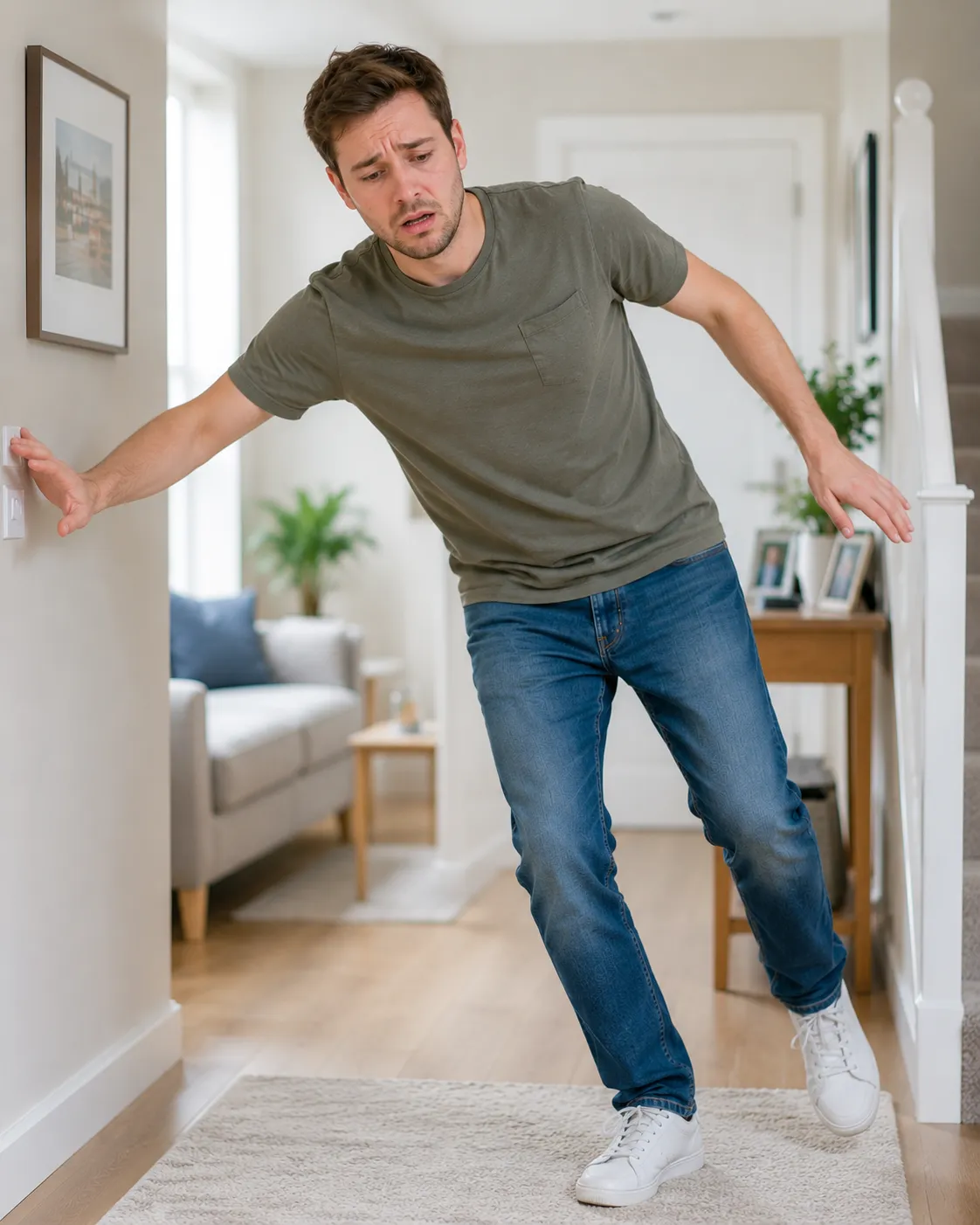
MOBILITY & PHYSICAL RECOVERY

Sitting Balance After a Stroke.

A calmer, easier-to-scan guide to why sitting balance can change after stroke, what may help, and when to seek professional advice.

 Vision  After a Stroke

Can Vision Return After a Stroke?

July 19, 20266 min read

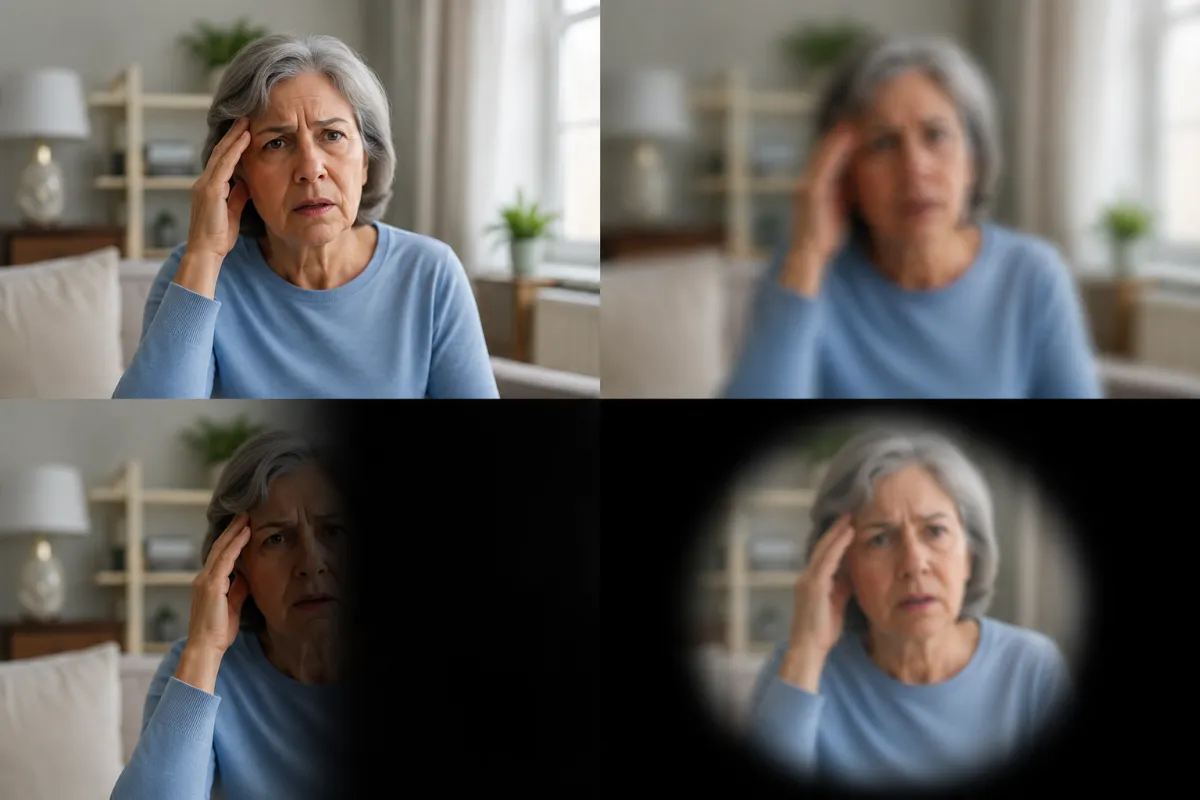
Vision problems are common after a stroke and can be frightening and confusing. You may suddenly notice missing areas in your vision, double vision, blurred vision or difficulty reading and recognising objects. Learn whether vision can return after a stroke, what affects recovery and the treatments that may help improve your visual function.

After your stroke...

You walk into doorframes.

You miss objects on one side.

Reading suddenly becomes difficult.

Perhaps you struggle to recognise faces or judge distances.

You begin wondering...

"Will my vision ever return?"

"Is the damage permanent?"

"Can the brain relearn how to see?"

These questions are extremely common after stroke.

✦ ✦ ✦

The Good News

Many people experience improvements in vision after a stroke.

Some recover completely.

Others experience partial improvements and learn effective ways to compensate for ongoing visual difficulties.

Recovery can continue for months and sometimes years.

The brain has an incredible ability to adapt.

✦ ✦ ✦

Can Vision Return Completely?

The answer is:

Sometimes, yes.

The amount of recovery depends on several factors, including:

✓ The type of vision problem

✓ Which part of the brain was affected

✓ The size of the stroke

✓ The severity of the damage

✓ How quickly rehabilitation begins

Some people regain almost all of their vision.

Others may continue to have some permanent visual changes.

✦ ✦ ✦

Why Does a Stroke Affect Vision?

A stroke can damage areas of the brain responsible for processing visual information.

Even if the eyes themselves are completely healthy, the brain may struggle to interpret what the eyes are seeing.

Vision problems after stroke often involve the brain rather than the eyes.

✦ ✦ ✦

Common Vision Problems After Stroke

Visual Field Loss (Hemianopia)

This is one of the most common visual problems after stroke.

You may lose vision on one side.

For example:

✓ Missing the left side of your plate

✓ Walking into objects on one side

✓ Struggling to read lines of text

Some recovery may occur over time.

Double Vision (Diplopia)

Stroke can affect the muscles that move the eyes.

This may cause:

✓ Two images instead of one

✓ Difficulty focusing

✓ Dizziness and nausea

Double vision sometimes improves as the brain recovers.

Eye Movement Problems

You may have difficulty moving your eyes smoothly or scanning your environment.

This can affect:

✓ Reading

✓ Driving

✓ Balance

✓ Navigation

Visual Neglect

Some people are unaware of one side of their world.

They may:

✓ Ignore food on one side of the plate

✓ Forget to shave or apply makeup to one side

✓ Bump into objects

Neglect often improves, although recovery can vary considerably.

✦ ✦ ✦

When Does Vision Recovery Occur?

The greatest improvements often occur during the first few months.

This may happen because:

✓ Swelling decreases

✓ Blood flow improves

✓ The brain reorganises itself

However, improvement does not necessarily stop after this period.

Many people continue to notice gradual improvements over much longer periods.

✦ ✦ ✦

Recovery Does Not Always Mean Complete Restoration

Sometimes the brain learns to compensate rather than fully restore vision.

You may become better at:

✓ Scanning your environment

✓ Turning your head more effectively

✓ Using visual strategies

✓ Adapting daily activities

These improvements can significantly increase independence.

✦ ✦ ✦

Can Neuroplasticity Help?

Yes.

The brain remains capable of change throughout life.

This ability is called neuroplasticity.

Through repetition and practice, the brain may develop new pathways and improve visual processing.

This is one reason why visual rehabilitation remains important.

✦ ✦ ✦

What Treatments Can Help?

Visual Rehabilitation Therapy

Exercises may help improve:

✓ Visual scanning

✓ Eye movements

✓ Reading abilities

✓ Awareness of the affected side

Occupational Therapy

Occupational therapists can teach strategies to improve safety and independence.

Prisms and Visual Aids

Special glasses or prisms may help some people compensate for visual field loss.

Environmental Adaptations

Simple changes can make daily life easier, such as:

✓ Improving lighting

✓ Reducing clutter

✓ Positioning important items on the stronger visual side

✦ ✦ ✦

Can Vision Problems Affect Other Areas of Recovery?

Yes.

Vision difficulties may contribute to:

✓ Falls

✓ Balance problems

✓ Fatigue

✓ Reduced confidence

✓ Difficulties driving

✓ Social withdrawal

Many people do not realise how much visual problems can affect daily life.

✦ ✦ ✦

Emotional Impact of Vision Loss

Vision changes after stroke can be upsetting.

You may feel:

✓ Frustrated

✓ Anxious

✓ Less independent

✓ Afraid to go out alone

✓ Concerned about the future

These feelings are completely understandable.

Visual changes often require significant adjustment.

✦ ✦ ✦

My Perspective

Vision problems after stroke can feel incredibly frightening.

You may suddenly no longer trust your own eyes.

Activities that once felt automatic can become difficult and exhausting.

But there is also hope.

Many people experience improvements.

Others become remarkably good at adapting.

Recovery may not always mean returning to exactly how things were before.

Sometimes it means learning new ways to navigate the world with confidence again.

✦ ✦ ✦

Frequently Asked Questions

Can Vision Return Completely After a Stroke?

Yes, some people experience complete recovery.

Others experience partial recovery or learn effective compensatory strategies.

How Long Does Vision Recovery Take?

Recovery varies greatly.

Improvements may continue for months and sometimes years.

Can Vision Improve Years Later?

Some people continue to notice gradual improvements and better adaptation long after their stroke.

Should I See an Eye Specialist?

Yes.

Assessment by an eye specialist or neuro-ophthalmologist can help identify the type of visual problem and appropriate treatment options.

✦ ✦ ✦

Key Takeaways

✓ Vision problems are common after stroke.

✓ Some people recover completely, while others experience partial recovery.

✓ The brain may adapt through neuroplasticity.

✓ Visual rehabilitation and compensation strategies can help.

✓ Improvements may continue for months and years.

✓ Meaningful improvements in independence remain possible even if some visual difficulties persist.

✦ ✦ ✦

Related Articles

Continue learning about vision problems after stroke:

Vision Problems After a Stroke
Double Vision After a Stroke
Hemianopia After a Stroke
Visual Neglect After a Stroke
Can You Drive With Vision Loss After a Stroke?

✦ ✦ ✦

About the Author

Alisia Gayle is a stroke survivor who achieved 96% neurological recovery following an ischaemic stroke.

After years of rehabilitation, she now shares practical, evidence-informed resources to help stroke survivors, carers and families better understand recovery and rebuild their lives with confidence.

Alisia is also the author of Brain Damage: My Journey to 96% Recovery, where she shares her personal stroke recovery story and the lessons she learned throughout her rehabilitation.

✦ ✦ ✦

Medical Disclaimer

This article is intended for educational purposes only and should not replace professional medical advice, diagnosis or treatment.

Always seek advice from your doctor, optometrist or neuro-ophthalmologist regarding any visual changes following a stroke.

✦ ✦ ✦

Final Thoughts

Can vision return after a stroke?

Sometimes, yes.

Sometimes only partially.

And sometimes recovery means becoming better at adapting rather than fully restoring lost vision.

Try not to lose hope.

The brain can continue changing and adapting long after a stroke.

Focus on progress.

Use the support available.

And remember...

Even if your vision has changed, meaningful recovery, confidence and independence are still possible.

blog author avatar
Stroke Survivor and Author
Back to Blog

What you’ll learn

Why sitting balance can be affected after a stroke

Common problems people notice day to day

Simple rehabilitation approaches that may help

When changes in balance need medical attention

Why sitting balance matters

Sitting balance is often one of the foundations for standing, walking and everyday activities. After a stroke, some people find it difficult to sit upright without support, lean to one side, or feel unsteady when reaching.

The good news

Sitting balance often improves with rehabilitation, practice and time. Even small improvements can support confidence and independence.

Why can balance change after a stroke?

A stroke may affect several systems that help you stay upright, including strength, coordination, sensation, body awareness and balance control.

Strength

Trunk muscles may become weaker or slower to respond.

Coordination

Movements may feel less automatic or less controlled.

Sensation

You may have less feedback about where your body is in space.

Confidence

Fear of falling can make movement feel harder.

Common sitting problems after a stroke

  • Leaning to one side

  • Difficulty sitting upright without support

  • Feeling unstable when reaching

  • Falling or drifting backwards

  • Increased fatigue during longer periods of sitting

Some people may also experience pusher syndrome, where they actively push towards their weaker side. This should be assessed by a rehabilitation professional.

What May Help

Physiotherapy and occupational therapy often work on trunk control, weight shifting, posture, coordination and everyday activities.

Examples of exercises

  • Sitting unsupported for short periods

  • Gentle reaching tasks

  • Weight shifting from side to side

  • Trunk strengthening

  • Practising on different safe surfaces when appropriate

Keep it individual

Exercises should be matched to your own abilities and professional advice.

More detail: posture and positioning

Helpful strategies may include keeping both feet supported, maintaining an upright posture, and using supportive cushions when recommended.

More detail: fatigue and balance

Balance can become worse when you are tired. Regular rest periods and shorter practice sessions may help.

More detail: tips for family and carers

Encourage safe practice, avoid unexpected pulling or pushing, and help maintain good posture while celebrating small improvements.

When should you seek medical advice?

Arrange an appointment with a healthcare professional if sitting balance is worsening, falls are occurring, new weakness develops, or balance problems are significantly affecting daily activities.

Seek urgent medical attention for sudden new weakness, new speech difficulties, sudden confusion or sudden vision changes.

Key takeaways

Sitting balance is commonly affected after stroke.

Weakness, sensation and body awareness can all contribute.

Good sitting balance supports everyday activity and later mobility.

Recovery can continue over months and years.

Frequently asked questions

Is poor sitting balance common after a stroke?

Yes. Many stroke survivors experience difficulty with sitting balance, particularly during earlier stages of recovery.

Will my sitting balance improve?

Many people improve through rehabilitation, ongoing recovery and repeated practice.

Can exercises help?

Targeted exercises can help improve trunk control, balance and confidence when they are appropriate for the individual.

About Alisia

Alisia Gayle is a stroke survivor who achieved 96% neurological recovery following an ischaemic stroke.

After years of rehabilitation, she now shares practical, evidence-informed resources to help stroke survivors, carers and families better understand recovery and rebuild their lives with confidence.

Alisia is also the author of Brain Damage: My Journey to 96% Recovery, where she shares her personal stroke recovery story and the lessons she learned throughout her rehabilitation.

Next articles

Medical disclaimer

This article is intended for educational purposes only and should not replace professional medical advice, diagnosis or treatment.

Always seek advice from your doctor, physiotherapist or rehabilitation team regarding symptoms, concerns or changes in your condition.

Alisia Gayle is a stroke survivor, author, and advocate whose life was transformed in a single, ordinary day.

Contact us

800 1234 5678

FOLLOW US

Copyright 2026. Alisia Gayle | Stroke Recovery Through Lived Experience. All Rights Reserved.