MOBILITY & PHYSICAL RECOVERY

Sitting Balance After a Stroke.

A calmer, easier-to-scan guide to why sitting balance can change after stroke, what may help, and when to seek professional advice.

Full Recovery From a Stroke

Can You Fully Recover From a Stroke? What Recovery Really Looks Like

July 05, 20266 min read

Can you fully recover from a stroke? The answer is more complex than a simple yes or no. Learn what full recovery really means, why every stroke is different, and how meaningful improvements can continue for months and even years after a stroke.

You desperately want one answer.

Will I recover?

Will I walk again?

Will I use my hand again?

Will I talk normally again?

Will life ever feel the same?

These are often the first questions every stroke survivor and family asks.

The truth is...

Nobody can answer them with certainty in the early days.

And that's because stroke recovery is far more individual than most people realise.

✦ ✦ ✦

The Good News

Many people make remarkable recoveries after a stroke.

Others continue to improve for years.

Recovery is rarely one dramatic breakthrough.

It is usually built through hundreds of small improvements.

One exercise.

One achievement.

One day at a time.

✦ ✦ ✦

What Does "Full Recovery" Actually Mean?

Many people imagine full recovery means returning to exactly the way life was before their stroke.

Sometimes that happens.

Often, recovery looks different.

For one person, full recovery means returning to work.

For another, it means walking independently.

For someone else, it means speaking clearly again or living independently without help.

Recovery isn't always about perfection.

It's about regaining as much function, confidence and independence as possible.

✦ ✦ ✦

Can You Fully Recover From a Stroke?

Yes.

Some people recover so well that you would never know they had experienced a stroke.

Others continue living with some long-term effects.

Both outcomes are common.

Recovery depends on many factors, including:

✓ The type of stroke.

✓ The size of the stroke.

✓ The area of the brain affected.

✓ Age and general health.

✓ How quickly treatment was received.

✓ Access to rehabilitation.

✓ Consistency of practice.

No two strokes are ever identical.

That means no two recoveries are identical either.

✦ ✦ ✦

Why Recovery Is So Difficult to Predict

One of the hardest parts of stroke recovery is uncertainty.

Doctors can estimate.

Therapists can assess.

Brain scans provide valuable information.

But nobody can predict exactly how your brain will respond.

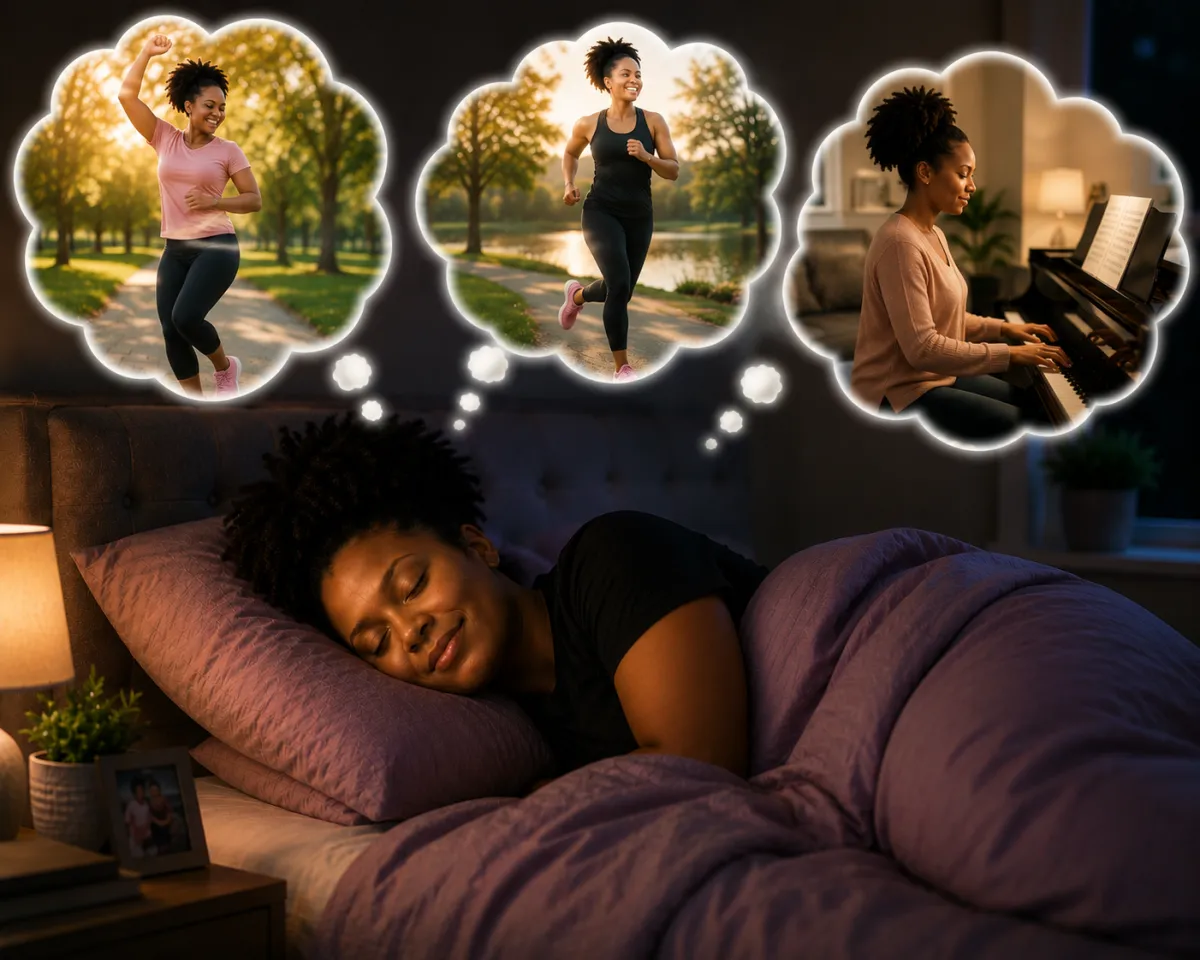
Many survivors improve far beyond what seemed possible during the first few weeks.

This is why early predictions should always be viewed with caution.

✦ ✦ ✦

The Brain Can Continue Learning

One of the most encouraging discoveries in stroke rehabilitation is neuroplasticity.

Neuroplasticity is the brain's ability to reorganise itself by forming new neural connections.

When one pathway is damaged, the brain can sometimes find another route to perform the same task.

Every repetition...

Every exercise...

Every attempt...

Gives the brain another opportunity to strengthen these new pathways.

✦ ✦ ✦

What Recovery May Look Like

Recovery often happens gradually.

You may notice:

✓ Walking a little further.

✓ Holding a cup more easily.

✓ Remembering words more quickly.

✓ Better balance.

✓ Improved confidence.

✓ Less fatigue.

✓ Better coordination.

These improvements may seem small on their own.

Together, they become life changing.

✦ ✦ ✦

Does Recovery Stop After Six Months?

No.

This is one of the biggest myths in stroke recovery.

Although recovery is often fastest during the first few months, improvement does not suddenly stop.

Many stroke survivors continue making meaningful progress years after their stroke.

The brain remains capable of adapting throughout life.

Recovery may slow.

But it doesn't necessarily end.

✦ ✦ ✦

Why Some People Recover More Than Others

There is no single reason.

Recovery is influenced by a combination of factors including:

✓ Stroke severity.

✓ Rehabilitation intensity.

✓ Daily practice.

✓ Motivation.

✓ Family support.

✓ Medical complications.

✓ Fatigue management.

✓ Overall health.

Some factors cannot be changed.

Many can.

Focusing on what you can control is often one of the most powerful parts of recovery.

✦ ✦ ✦

Treatment and Rehabilitation

Recovery usually involves a combination of therapies.

Depending on your symptoms, rehabilitation may include:

✓ Physiotherapy.

✓ Occupational therapy.

✓ Speech and language therapy.

✓ Cognitive rehabilitation.

✓ Psychological support.

✓ Exercise programmes.

✓ Home practice.

Each therapy helps retrain different parts of the brain and body.

✦ ✦ ✦

Practical Tips for Maximising Recovery

Keep Practising

Recovery depends on repetition.

Every movement gives your brain another opportunity to learn.

✦ ✦ ✦

Stay Active

Appropriate physical activity supports both physical recovery and overall health.

✦ ✦ ✦

Manage Fatigue

Stroke fatigue can slow progress.

Pacing yourself allows you to practise more consistently.

✦ ✦ ✦

Celebrate Small Wins

Small improvements often become big improvements over time.

Don't ignore them.

✦ ✦ ✦

Be Patient

Recovery rarely follows a straight line.

Some days will feel encouraging.

Others may feel frustrating.

Both are a normal part of the journey.

✦ ✦ ✦

When Should You Seek Medical Advice?

Speak with your healthcare professional if:

✓ You experience new stroke symptoms.

✓ Existing symptoms suddenly become worse.

✓ You develop new weakness.

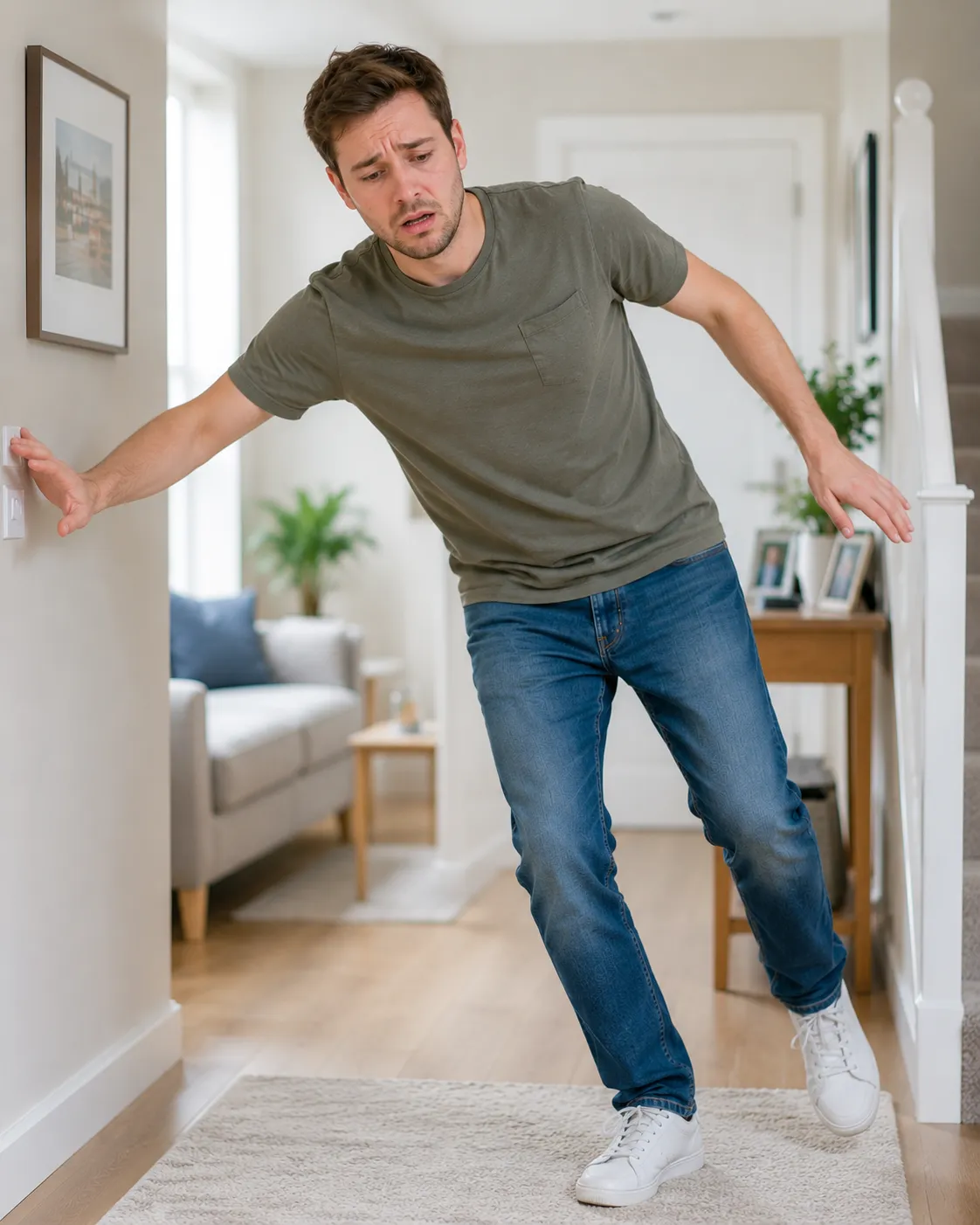
✓ You experience repeated falls.

✓ You have concerns about your rehabilitation programme.

Early assessment allows problems to be addressed promptly.

✦ ✦ ✦

My Perspective

When I had my stroke, I wanted someone to tell me exactly what my future would look like.

Nobody could.

At first, that uncertainty was frightening.

Later, I realised it was also hopeful.

Because nobody knew my limits.

Not even me.

Recovery didn't happen because of one miracle.

It happened because I kept turning up.

One exercise.

One day.

One improvement at a time.

Today, I have achieved approximately 96% neurological recovery.

If I had believed recovery stopped after a few months, I would never have discovered what was still possible.

✦ ✦ ✦

Frequently Asked Questions

Can Someone Make a Full Recovery After a Stroke?

Yes.

Some people recover almost completely.

Others continue living with lasting disabilities.

Both outcomes are possible.

✦ ✦ ✦

Can Recovery Continue Years Later?

Yes.

Many stroke survivors continue improving years after their stroke through ongoing rehabilitation and neuroplasticity.

✦ ✦ ✦

Is Every Stroke Different?

Absolutely.

Every stroke affects a different area of the brain and every person's recovery journey is unique.

✦ ✦ ✦

Does Hard Work Guarantee Full Recovery?

No.

Rehabilitation greatly improves your chances of recovery, but nobody can guarantee a specific outcome.

The goal is always to maximise your individual potential.

✦ ✦ ✦

Key Takeaways

✓ Full recovery means different things to different people.

✓ Many people make remarkable improvements after stroke.

✓ Recovery is influenced by many factors.

✓ Neuroplasticity allows the brain to continue adapting.

✓ Meaningful improvements can continue for months and years.

✓ Focus on progress rather than perfection.

✦ ✦ ✦

About the Author

Alisia Gayle is a stroke survivor who achieved 96% neurological recovery following an ischaemic stroke.

After years of rehabilitation, she now shares practical, evidence-informed resources to help stroke survivors, carers and families better understand recovery and rebuild their lives with confidence.

Alisia is also the author of Brain Damage: My Journey to 96% Recovery, where she shares her personal stroke recovery story and the lessons she learned throughout her rehabilitation.

✦ ✦ ✦

Medical Disclaimer

This article is intended for educational purposes only and should not replace professional medical advice, diagnosis or treatment.

Always seek advice from your doctor, physiotherapist or rehabilitation team regarding symptoms, concerns or changes in your condition.

✦ ✦ ✦

Final Thoughts

Recovery isn't a race.

It isn't a competition.

And it isn't always perfect.

What matters is continuing to move forwards.

Every exercise you complete...

Every challenge you overcome...

Every small improvement you notice...

Is another opportunity for your brain to learn.

Recovery rarely happens all at once.

It happens one step at a time.

blog author avatar
Stroke Survivor and Author
Back to Blog

What you’ll learn

Why sitting balance can be affected after a stroke

Common problems people notice day to day

Simple rehabilitation approaches that may help

When changes in balance need medical attention

Why sitting balance matters

Sitting balance is often one of the foundations for standing, walking and everyday activities. After a stroke, some people find it difficult to sit upright without support, lean to one side, or feel unsteady when reaching.

The good news

Sitting balance often improves with rehabilitation, practice and time. Even small improvements can support confidence and independence.

Why can balance change after a stroke?

A stroke may affect several systems that help you stay upright, including strength, coordination, sensation, body awareness and balance control.

Strength

Trunk muscles may become weaker or slower to respond.

Coordination

Movements may feel less automatic or less controlled.

Sensation

You may have less feedback about where your body is in space.

Confidence

Fear of falling can make movement feel harder.

Common sitting problems after a stroke

  • Leaning to one side

  • Difficulty sitting upright without support

  • Feeling unstable when reaching

  • Falling or drifting backwards

  • Increased fatigue during longer periods of sitting

Some people may also experience pusher syndrome, where they actively push towards their weaker side. This should be assessed by a rehabilitation professional.

What May Help

Physiotherapy and occupational therapy often work on trunk control, weight shifting, posture, coordination and everyday activities.

Examples of exercises

  • Sitting unsupported for short periods

  • Gentle reaching tasks

  • Weight shifting from side to side

  • Trunk strengthening

  • Practising on different safe surfaces when appropriate

Keep it individual

Exercises should be matched to your own abilities and professional advice.

More detail: posture and positioning

Helpful strategies may include keeping both feet supported, maintaining an upright posture, and using supportive cushions when recommended.

More detail: fatigue and balance

Balance can become worse when you are tired. Regular rest periods and shorter practice sessions may help.

More detail: tips for family and carers

Encourage safe practice, avoid unexpected pulling or pushing, and help maintain good posture while celebrating small improvements.

When should you seek medical advice?

Arrange an appointment with a healthcare professional if sitting balance is worsening, falls are occurring, new weakness develops, or balance problems are significantly affecting daily activities.

Seek urgent medical attention for sudden new weakness, new speech difficulties, sudden confusion or sudden vision changes.

Key takeaways

Sitting balance is commonly affected after stroke.

Weakness, sensation and body awareness can all contribute.

Good sitting balance supports everyday activity and later mobility.

Recovery can continue over months and years.

Frequently asked questions

Is poor sitting balance common after a stroke?

Yes. Many stroke survivors experience difficulty with sitting balance, particularly during earlier stages of recovery.

Will my sitting balance improve?

Many people improve through rehabilitation, ongoing recovery and repeated practice.

Can exercises help?

Targeted exercises can help improve trunk control, balance and confidence when they are appropriate for the individual.

About Alisia

Alisia Gayle is a stroke survivor who achieved 96% neurological recovery following an ischaemic stroke.

After years of rehabilitation, she now shares practical, evidence-informed resources to help stroke survivors, carers and families better understand recovery and rebuild their lives with confidence.

Alisia is also the author of Brain Damage: My Journey to 96% Recovery, where she shares her personal stroke recovery story and the lessons she learned throughout her rehabilitation.

Next articles

Medical disclaimer

This article is intended for educational purposes only and should not replace professional medical advice, diagnosis or treatment.

Always seek advice from your doctor, physiotherapist or rehabilitation team regarding symptoms, concerns or changes in your condition.

Alisia Gayle is a stroke survivor, author, and advocate whose life was transformed in a single, ordinary day.

Contact us

800 1234 5678

FOLLOW US

Copyright 2026. Alisia Gayle | Stroke Recovery Through Lived Experience. All Rights Reserved.