

MOBILITY & PHYSICAL RECOVERY

Sitting Balance After a Stroke.

A calmer, easier-to-scan guide to why sitting balance can change after stroke, what may help, and when to seek professional advice.

Caring for Someone After a Stroke

Caring for Someone After a Stroke

July 09, 20267 min read

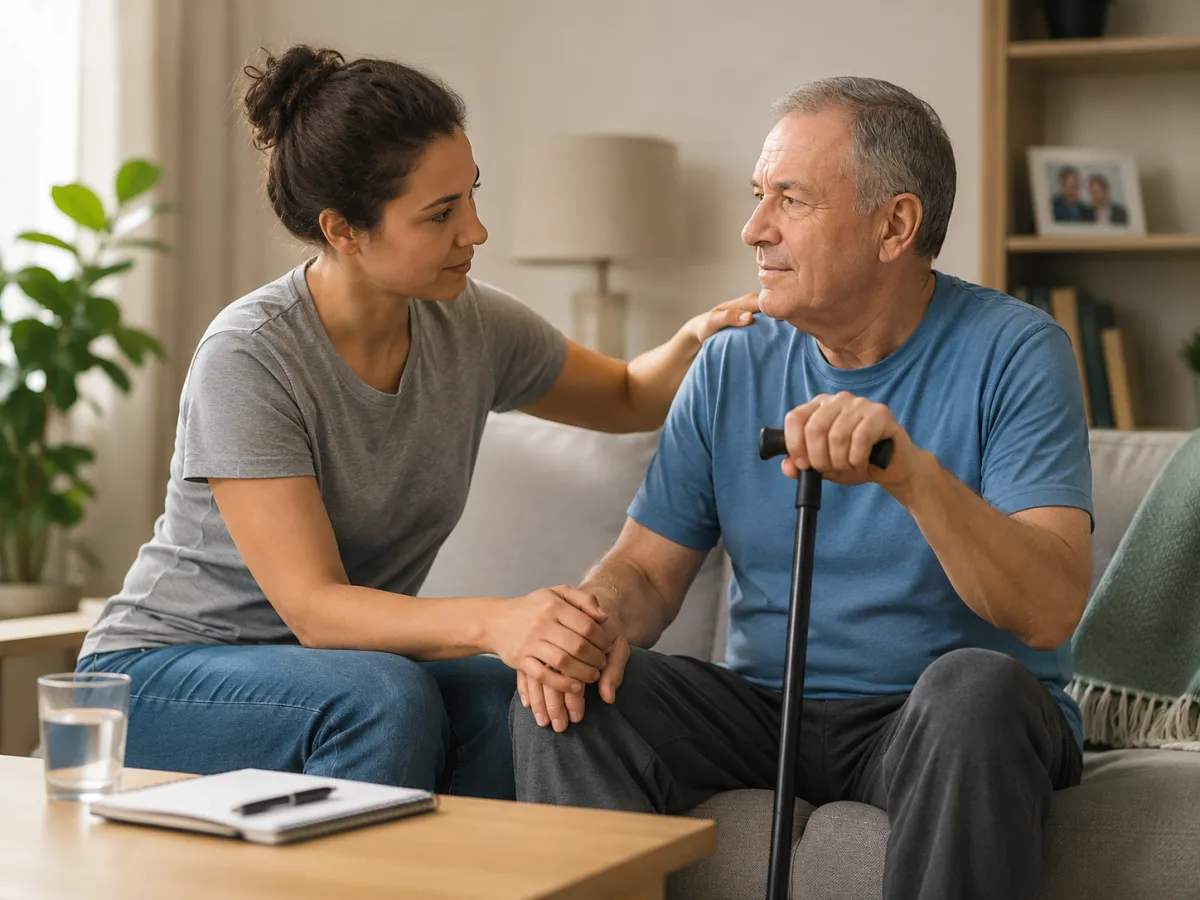
Caring for someone after a stroke can be both rewarding and challenging. Stroke survivors often need physical, emotional and practical support while they recover, and carers play a vital role in helping them regain independence. Learn how to support someone after a stroke, what challenges you may face, and how to care for yourself as well.

After your loved one has a stroke...

Everything changes.

Hospital appointments become routine.

You help with dressing.

Preparing meals.

Exercises.

Medication.

Some days you feel hopeful.

Other days...

You feel exhausted.

You begin wondering...

"Am I doing enough?"

"How can I help them recover?"

These feelings are completely understandable.

✦ ✦ ✦

The Good News

Most stroke survivors improve with time, rehabilitation and support.

As a carer, you don't have to do everything perfectly.

Providing encouragement, patience and practical help can make an enormous difference to someone's recovery.

You matter too.

✦ ✦ ✦

How Can a Stroke Affect Someone?

Every stroke is different.

Some people recover quickly.

Others may experience lasting difficulties with:

✓ Walking.

✓ Balance.

✓ Hand function.

✓ Speech.

✓ Swallowing.

✓ Vision.

✓ Memory.

✓ Thinking.

✓ Fatigue.

✓ Emotions.

Your role will depend on the survivor's individual needs.

✦ ✦ ✦

Ways You Can Help

Encourage Independence

It's natural to want to do everything for your loved one.

However...

Doing too much can slow their confidence and independence.

Whenever it's safe:

✓ Allow extra time.

✓ Encourage them to try first.

✓ Offer help only when needed.

Small achievements build confidence.

✦ ✦ ✦

Support Rehabilitation

Recovery depends on repetition.

Encourage them to:

✓ Complete prescribed exercises.

✓ Attend therapy appointments.

✓ Practise everyday activities.

✓ Stay active.

Your encouragement can help maintain motivation.

✦ ✦ ✦

Help With Medication

Many stroke survivors take several medications.

Help them:

✓ Take medication on time.

✓ Attend medication reviews.

✓ Refill prescriptions.

✓ Understand why each medication is important.

Never stop medication without medical advice.

✦ ✦ ✦

Create a Safe Home

Simple changes may reduce the risk of falls.

Consider:

✓ Removing loose rugs.

✓ Improving lighting.

✓ Keeping walkways clear.

✓ Installing grab rails if needed.

✓ Using recommended mobility aids.

An occupational therapist can advise on home adaptations.

✦ ✦ ✦

Encourage Healthy Habits

Healthy lifestyle choices help reduce the risk of another stroke.

Encourage:

✓ Healthy eating.

✓ Regular physical activity.

✓ Good sleep.

✓ Stopping smoking if they smoke.

✓ Limiting alcohol.

Support is often more effective than pressure.

✦ ✦ ✦

Supporting Emotional Recovery

Many stroke survivors experience:

✓ Anxiety.

✓ Depression.

✓ Frustration.

✓ Anger.

✓ Mood swings.

✓ Emotional lability.

Listen without judgement.

Sometimes...

Simply being present is the greatest support you can offer.

✦ ✦ ✦

Communication Tips

If your loved one has aphasia or speech difficulties:

✓ Speak slowly.

✓ Use short sentences.

✓ Give them time to respond.

✓ Avoid finishing every sentence for them.

✓ Reduce background noise.

✓ Use gestures or pictures if helpful.

Patience is one of the greatest gifts you can give.

✦ ✦ ✦

Looking After Yourself

Caring for someone else can be physically and emotionally demanding.

Don't ignore your own wellbeing.

Try to:

✓ Accept help when it's offered.

✓ Take regular breaks.

✓ Maintain your own medical appointments.

✓ Stay connected with friends and family.

✓ Get enough sleep.

✓ Continue hobbies where possible.

Looking after yourself isn't selfish.

It helps you continue caring effectively.

✦ ✦ ✦

Signs You May Need More Support

You may be struggling if you:

✓ Feel constantly exhausted.

✓ Feel overwhelmed.

✓ Become irritable frequently.

✓ Lose interest in activities you enjoy.

✓ Feel isolated.

✓ Neglect your own health.

Speak with your GP or healthcare professional if caring is affecting your wellbeing.

Support is available.

✦ ✦ ✦

Practical Tips

Recovery Takes Time

Progress is often measured over months rather than days.

Try not to become discouraged by slow improvements.

✦ ✦ ✦

Celebrate Small Wins

Walking a little further...

Using a hand more effectively...

Speaking a new word...

Every achievement matters.

✦ ✦ ✦

Ask Questions

Don't be afraid to ask your healthcare team for advice.

Understanding the recovery process can reduce anxiety.

✦ ✦ ✦

Accept That Some Days Are Hard

Recovery isn't a straight line.

Some days will feel frustrating.

That doesn't mean progress has stopped.

✦ ✦ ✦

Remember You're Part of the Recovery Team

Doctors, nurses and therapists all play important roles.

So do carers.

Your encouragement helps recovery continue between therapy sessions.

✦ ✦ ✦

When Should You Seek Medical Advice?

Speak with your healthcare professional if the stroke survivor:

✓ Develops increasing weakness.

✓ Experiences worsening swallowing problems.

✓ Has repeated falls.

✓ Develops increasing confusion.

✓ Shows signs of depression or severe anxiety.

Seek emergency medical attention immediately if they develop:

✓ Sudden facial drooping.

✓ New arm or leg weakness.

✓ Slurred speech.

✓ Sudden vision loss.

✓ Sudden confusion.

✓ A severe, unexplained headache.

These may be signs of another stroke.

✦ ✦ ✦

My Perspective

Recovery is rarely achieved alone.

Behind many stroke survivors...

Is someone quietly encouraging them every day.

Helping with exercises.

Offering reassurance.

Celebrating tiny victories that nobody else notices.

If you're caring for someone after a stroke...

Never underestimate the difference you're making.

Even on the difficult days.

✦ ✦ ✦

Frequently Asked Questions

How Long Will I Need to Care for Someone After a Stroke?

Every stroke is different.

Some people need help for only a few weeks, while others require ongoing support for months or years.

Many become increasingly independent as recovery progresses.

✦ ✦ ✦

Should I Encourage Them to Do Things for Themselves?

Yes.

Whenever it's safe, encouraging independence helps rebuild confidence and supports rehabilitation.

Offer help when it's genuinely needed, but avoid taking over every task.

✦ ✦ ✦

What If They Become Frustrated?

Frustration is very common after a stroke.

Stay calm, give them time and recognise that recovery can be emotionally challenging.

If mood changes become severe or persistent, speak with their healthcare professional.

✦ ✦ ✦

How Do I Avoid Carer Burnout?

Accept support from others, take regular breaks, look after your own health and ask for help when you need it.

You cannot provide good care if your own wellbeing is neglected.

✦ ✦ ✦

Key Takeaways

✓ Carers play an essential role in stroke recovery.

✓ Encourage independence wherever possible.

✓ Support rehabilitation and healthy habits.

✓ Be patient with emotional and communication changes.

✓ Look after your own physical and emotional wellbeing.

✓ Seek medical advice if new or worsening symptoms develop.

✦ ✦ ✦

Related Articles

Continue learning about supporting stroke recovery with these helpful guides:

  • How Family Can Communicate With Someone Who Has Aphasia – Practical ways to improve communication after a stroke.

  • Emotional Changes After a Stroke – Understand why mood and emotions may change during recovery.

  • Can You Fully Recover From a Stroke? – Learn what influences long-term recovery and what to expect.

  • Preventing Another Stroke – Discover how to reduce the risk of future strokes through medication and lifestyle changes.

  • Best Daily Habits for Stroke Recovery – Explore simple habits that support brain healing and rehabilitation.

✦ ✦ ✦

About the Author

Alisia Gayle is a stroke survivor who achieved 96% neurological recovery following an ischaemic stroke.

After years of rehabilitation, she now shares practical, evidence-informed resources to help stroke survivors, carers and families better understand recovery and rebuild their lives with confidence.

Alisia is also the author of Brain Damage: My Journey to 96% Recovery, where she shares her personal stroke recovery story and the lessons she learned throughout her rehabilitation.

✦ ✦ ✦

Medical Disclaimer

This article is intended for educational purposes only and should not replace professional medical advice, diagnosis or treatment.

Always seek advice from your doctor or other healthcare professional regarding symptoms, concerns or changes in your condition.

✦ ✦ ✦

Final Thoughts

Being a carer isn't about having all the answers.

It's about showing up...

Day after day...

Offering patience...

Encouragement...

And hope.

Those everyday moments matter more than you may realise.

Stroke recovery is rarely a journey taken alone—and the support you give can help someone rebuild their life, one day at a time.

blog author avatar
Stroke Survivor and Author
Back to Blog

What you’ll learn

Why sitting balance can be affected after a stroke

Common problems people notice day to day

Simple rehabilitation approaches that may help

When changes in balance need medical attention

Why sitting balance matters

Sitting balance is often one of the foundations for standing, walking and everyday activities. After a stroke, some people find it difficult to sit upright without support, lean to one side, or feel unsteady when reaching.

The good news

Sitting balance often improves with rehabilitation, practice and time. Even small improvements can support confidence and independence.

Why can balance change after a stroke?

A stroke may affect several systems that help you stay upright, including strength, coordination, sensation, body awareness and balance control.

Strength

Trunk muscles may become weaker or slower to respond.

Coordination

Movements may feel less automatic or less controlled.

Sensation

You may have less feedback about where your body is in space.

Confidence

Fear of falling can make movement feel harder.

Common sitting problems after a stroke

  • Leaning to one side

  • Difficulty sitting upright without support

  • Feeling unstable when reaching

  • Falling or drifting backwards

  • Increased fatigue during longer periods of sitting

Some people may also experience pusher syndrome, where they actively push towards their weaker side. This should be assessed by a rehabilitation professional.

What May Help

Physiotherapy and occupational therapy often work on trunk control, weight shifting, posture, coordination and everyday activities.

Examples of exercises

  • Sitting unsupported for short periods

  • Gentle reaching tasks

  • Weight shifting from side to side

  • Trunk strengthening

  • Practising on different safe surfaces when appropriate

Keep it individual

Exercises should be matched to your own abilities and professional advice.

More detail: posture and positioning

Helpful strategies may include keeping both feet supported, maintaining an upright posture, and using supportive cushions when recommended.

More detail: fatigue and balance

Balance can become worse when you are tired. Regular rest periods and shorter practice sessions may help.

More detail: tips for family and carers

Encourage safe practice, avoid unexpected pulling or pushing, and help maintain good posture while celebrating small improvements.

When should you seek medical advice?

Arrange an appointment with a healthcare professional if sitting balance is worsening, falls are occurring, new weakness develops, or balance problems are significantly affecting daily activities.

Seek urgent medical attention for sudden new weakness, new speech difficulties, sudden confusion or sudden vision changes.

Key takeaways

Sitting balance is commonly affected after stroke.

Weakness, sensation and body awareness can all contribute.

Good sitting balance supports everyday activity and later mobility.

Recovery can continue over months and years.

Frequently asked questions

Is poor sitting balance common after a stroke?

Yes. Many stroke survivors experience difficulty with sitting balance, particularly during earlier stages of recovery.

Will my sitting balance improve?

Many people improve through rehabilitation, ongoing recovery and repeated practice.

Can exercises help?

Targeted exercises can help improve trunk control, balance and confidence when they are appropriate for the individual.

About Alisia

Alisia Gayle is a stroke survivor who achieved 96% neurological recovery following an ischaemic stroke.

After years of rehabilitation, she now shares practical, evidence-informed resources to help stroke survivors, carers and families better understand recovery and rebuild their lives with confidence.

Alisia is also the author of Brain Damage: My Journey to 96% Recovery, where she shares her personal stroke recovery story and the lessons she learned throughout her rehabilitation.

Next articles

Medical disclaimer

This article is intended for educational purposes only and should not replace professional medical advice, diagnosis or treatment.

Always seek advice from your doctor, physiotherapist or rehabilitation team regarding symptoms, concerns or changes in your condition.

Alisia Gayle is a stroke survivor, author, and advocate whose life was transformed in a single, ordinary day.

Contact us

800 1234 5678

FOLLOW US

Copyright 2026. Alisia Gayle | Stroke Recovery Through Lived Experience. All Rights Reserved.