Central post-stroke pain (CPSP) is a type of nerve pain caused by damage to the brain after a stroke. It can develop weeks or months after the stroke and may cause burning, stabbing or electric shock-like sensations, even when there is no injury to the skin or muscles. Learn why central post-stroke pain happens, its symptoms, and the treatments that may help.
After your stroke...
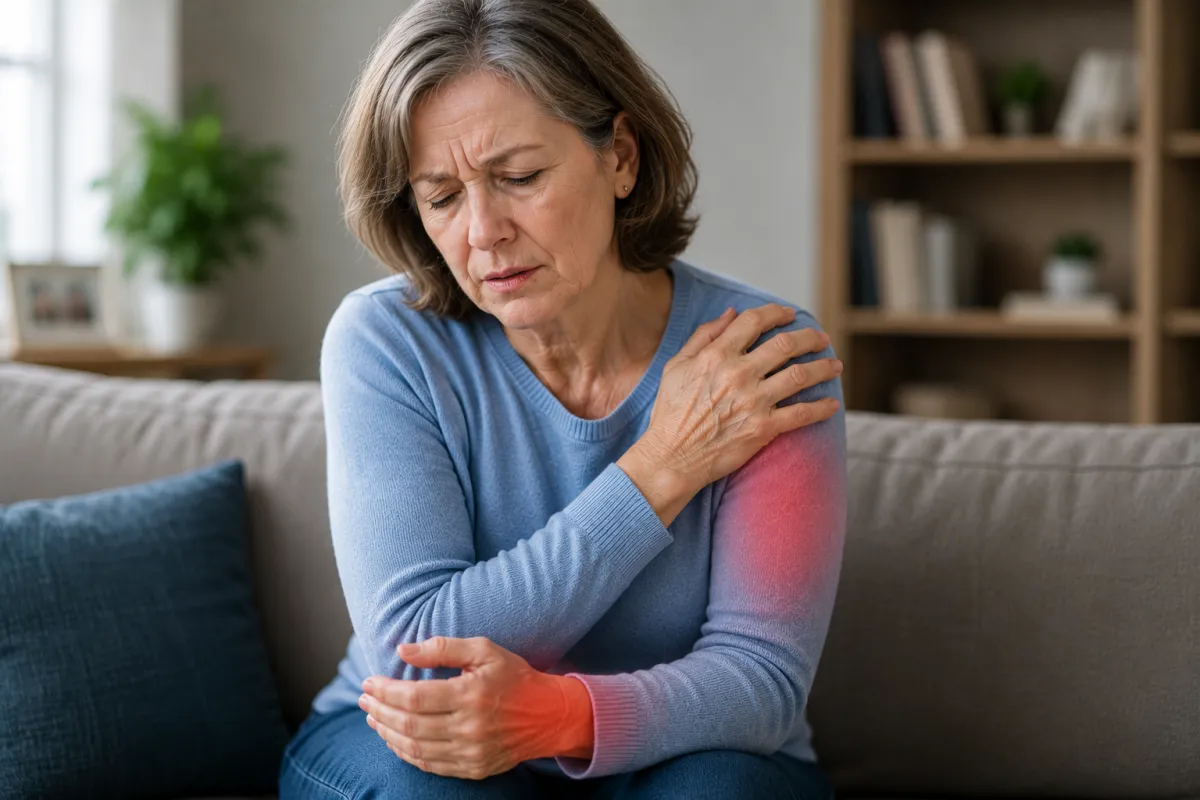
Your arm burns.
Your leg feels like it's on fire.
Even a light touch from clothing hurts.
Or perhaps...
Cold air feels painfully sharp.
You begin wondering...
"Why am I in pain when nothing looks injured?"
For some stroke survivors...
This is called central post-stroke pain (CPSP).
✦ ✦ ✦
The Good News
Although central post-stroke pain can be difficult to manage, treatments are available.
Many people find that medication, rehabilitation and learning how to manage triggers help reduce the impact of the pain and improve their quality of life.
✦ ✦ ✦
What Is Central Post-Stroke Pain?
Central post-stroke pain is a type of neuropathic (nerve) pain caused by damage to the brain following a stroke.
Unlike pain caused by an injury to muscles, joints or bones...
CPSP occurs because the brain is processing pain signals differently.
In other words...
The pain is real.
But it originates in the nervous system rather than damaged body tissues.
✦ ✦ ✦
Can a Stroke Cause Chronic Pain?
Yes.
A stroke can damage the parts of the brain responsible for processing sensation.
When these pathways are disrupted, the brain may misinterpret normal sensations as painful.
Central post-stroke pain usually develops weeks or months after the stroke, although it can occasionally appear earlier or much later.
✦ ✦ ✦
Why Does Central Post-Stroke Pain Happen?
Normally, nerves send accurate information from your body to your brain.
After a stroke...
Those signals may become distorted.
As a result, your brain may incorrectly interpret:
✓ Light touch as pain.
✓ Warmth as burning.
✓ Cold as extreme discomfort.
✓ Normal sensations as painful.
This is why CPSP often feels confusing.
The pain isn't coming from an injured arm or leg.
It's coming from changes in the brain itself.
✦ ✦ ✦
Symptoms of Central Post-Stroke Pain
Symptoms vary widely between individuals.
You may experience:
✓ Burning pain.
✓ Stabbing pain.
✓ Sharp, shooting pain.
✓ Electric shock sensations.
✓ Aching pain.
✓ Tingling.
✓ Pins and needles.
✓ Numbness with pain.
✓ Increased sensitivity to touch.
✓ Pain triggered by cold temperatures.
The pain may affect:
✓ The face.
✓ Arm.
✓ Hand.
✓ Leg.
✓ Foot.
Or an entire side of the body affected by the stroke.
✦ ✦ ✦
What Makes the Pain Worse?
Many people notice their pain becomes worse with:
✓ Cold weather.
✓ Stress.
✓ Fatigue.
✓ Anxiety.
✓ Light touch.
✓ Temperature changes.
✓ Poor sleep.
Learning your personal triggers can help you manage symptoms more effectively.
✦ ✦ ✦
How Is Central Post-Stroke Pain Diagnosed?
There isn't a single test for CPSP.
Your healthcare professional will usually:
✓ Review your stroke history.
✓ Ask about your symptoms.
✓ Examine sensation.
✓ Rule out other causes of pain.
Because several conditions can cause pain after a stroke, accurate diagnosis is important before treatment begins.
✦ ✦ ✦
Treatment Options
Treatment usually involves a combination of approaches.
✦ ✦ ✦
Medication
Standard painkillers such as paracetamol or ibuprofen often provide little relief because CPSP is nerve pain.
Your doctor may recommend medications commonly used for neuropathic pain, such as:
✓ Certain antidepressants.
✓ Certain anti-seizure (antiepileptic) medications.
The most appropriate medication depends on your symptoms, medical history and any other medicines you take.
✦ ✦ ✦
Physiotherapy
Physiotherapy won't directly cure nerve pain.
However, maintaining movement, strength and flexibility can prevent secondary problems and improve overall function.
✦ ✦ ✦
Occupational Therapy
Occupational therapists can suggest practical strategies and equipment that make daily activities less painful and easier to manage.
✦ ✦ ✦
Psychological Support
Living with persistent pain can affect mood, sleep and confidence.
Counselling, pain management programmes or psychological therapy may help you cope with the emotional impact of chronic pain.
✦ ✦ ✦
Lifestyle Management
Simple lifestyle changes may reduce flare-ups.
These include:
✓ Getting enough sleep.
✓ Managing stress.
✓ Staying physically active within your limits.
✓ Keeping warm if cold triggers symptoms.
✓ Following your rehabilitation programme.
✦ ✦ ✦
Practical Tips
Keep Moving
Gentle movement helps maintain flexibility and reduces stiffness.
Avoid stopping activity completely unless advised by your healthcare professional.
✦ ✦ ✦
Identify Your Triggers
Keep a diary of when pain worsens.
You may notice patterns related to:
✓ Weather.
✓ Fatigue.
✓ Stress.
✓ Certain activities.
Understanding your triggers can help you plan ahead.
✦ ✦ ✦
Prioritise Sleep
Poor sleep often makes nerve pain feel worse.
Good sleep habits can improve both pain and overall wellbeing.
✦ ✦ ✦
Pace Yourself
Overdoing activities on good days may increase pain later.
Balance activity with regular rest.
✦ ✦ ✦
Don't Ignore Persistent Pain
Pain that continues for weeks or months deserves medical assessment.
The sooner appropriate treatment begins, the sooner symptoms may improve.
✦ ✦ ✦
Tips for Family and Carers
If you're supporting someone with central post-stroke pain:
✓ Understand that the pain is real, even if there are no visible injuries.
✓ Encourage them to follow their treatment plan.
✓ Support gentle activity.
✓ Help identify pain triggers.
✓ Be patient during pain flare-ups.
Understanding from loved ones can make living with chronic pain much easier.
✦ ✦ ✦
When Should You Seek Medical Advice?
Speak with your healthcare professional if:
✓ Pain develops weeks or months after your stroke.
✓ Pain is affecting sleep or daily life.
✓ Current treatment isn't helping.
✓ Pain is becoming more severe.
✓ You develop new weakness or changes in sensation.
Seek emergency medical attention immediately if you experience sudden new stroke symptoms, including facial drooping, arm weakness, speech difficulties or sudden severe neurological changes.
✦ ✦ ✦
My Perspective
Pain after a stroke isn't always visible.
Sometimes everything looks normal on the outside...
While your nervous system is working overtime on the inside.
Living with chronic pain can be exhausting.
But you don't have to simply accept it.
The right diagnosis...
The right treatment...
And the right support...
Can make a meaningful difference.
✦ ✦ ✦
Frequently Asked Questions
Is Central Post-Stroke Pain Permanent?
Some people improve significantly with treatment.
Others continue to experience long-term symptoms that can often be managed more effectively over time.
✦ ✦ ✦
Why Don't Ordinary Painkillers Work?
Central post-stroke pain is caused by changes in the nervous system rather than damaged muscles or joints.
Because of this, standard painkillers are often less effective than medications designed for nerve pain.
✦ ✦ ✦
Can Exercise Make It Worse?
Gentle exercise is often beneficial, but activities should be guided by your healthcare team.
Overexertion may worsen symptoms for some people.
✦ ✦ ✦
Can Central Post-Stroke Pain Start Months After a Stroke?
Yes.
Many people develop symptoms weeks or even months after their stroke.
This delayed onset is common.
✦ ✦ ✦
Key Takeaways
✓ Central post-stroke pain is caused by changes in the brain after a stroke.
✓ It often feels like burning, stabbing or electric shock-like pain.
✓ Symptoms may begin weeks or months after the stroke.
✓ Nerve pain often requires different treatments from ordinary pain.
✓ Identifying triggers and following your rehabilitation plan can help manage symptoms.
✓ Support is available, and many people learn to manage their pain successfully.
✦ ✦ ✦
About the Author
Alisia Gayle is a stroke survivor who achieved 96% neurological recovery following an ischaemic stroke.
After years of rehabilitation, she now shares practical, evidence-informed resources to help stroke survivors, carers and families better understand recovery and rebuild their lives with confidence.
Alisia is also the author of Brain Damage: My Journey to 96% Recovery, where she shares her personal stroke recovery story and the lessons she learned throughout her rehabilitation.
✦ ✦ ✦
Medical Disclaimer
This article is intended for educational purposes only and should not replace professional medical advice, diagnosis or treatment.
Always seek advice from your doctor or other healthcare professional regarding symptoms, concerns or changes in your condition.
Never stop or change prescribed medication without medical guidance.
✦ ✦ ✦
Final Thoughts
Pain after a stroke can feel invisible to everyone else...
But that doesn't make it any less real.
Every appointment...
Every treatment...
Every small improvement...
Is another step towards regaining control.
Be patient with yourself.
Keep asking for support.
Recovery isn't only about movement—it's also about finding ways to live well, even when pain is part of the journey.
.