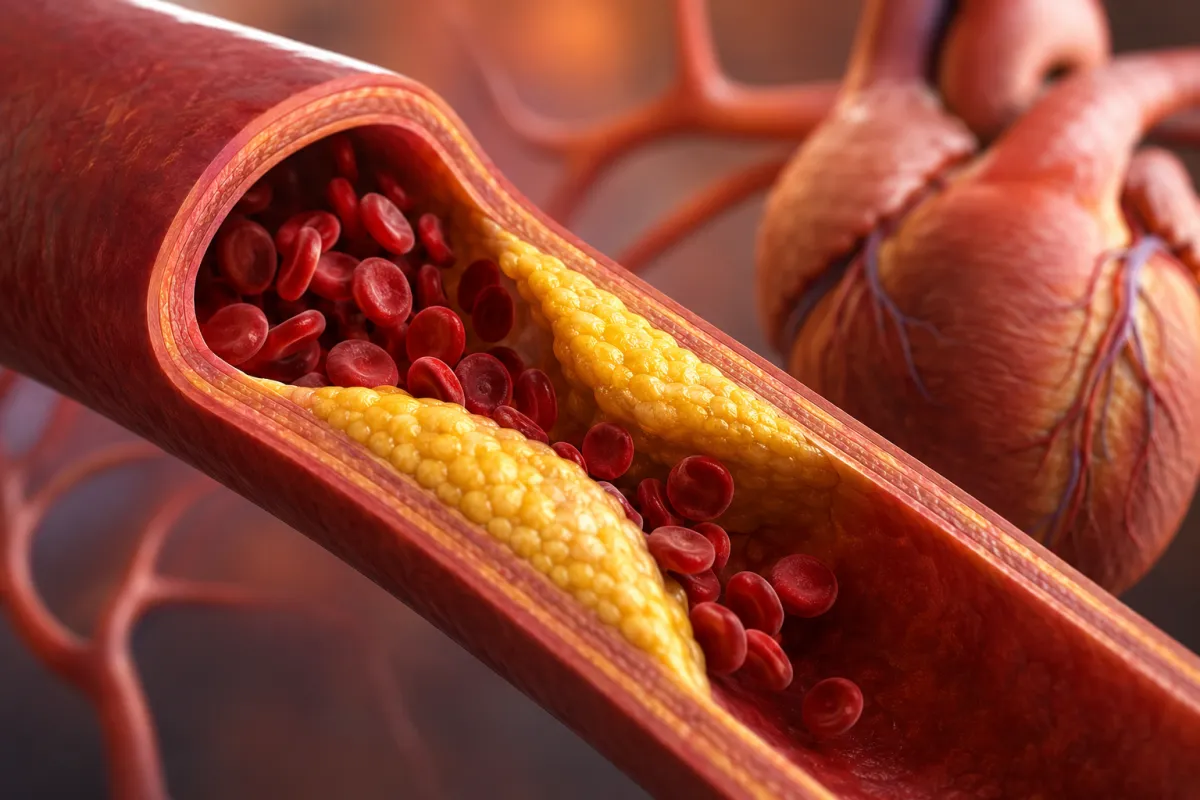
Cholesterol plays an important role in your body, but high levels of low-density lipoprotein (LDL) cholesterol can increase your risk of another stroke. After an ischaemic stroke or transient ischaemic attack (TIA), your healthcare team may recommend lowering your cholesterol through lifestyle changes, statin medication or both. Learn why cholesterol matters after a stroke, how it affects your arteries and the steps you can take to protect your brain and heart.
After your stroke...
Your doctor tells you that your cholesterol needs to come down.
Perhaps you've never thought much about cholesterol before.
Maybe you've always eaten reasonably well.
You begin wondering...
"Did cholesterol cause my stroke?"
Or perhaps...
"Can lowering my cholesterol really prevent another stroke?"
The good news is...
Managing your cholesterol is one of the most effective ways to reduce your risk of another stroke.
✦ ✦ ✦
The Good News
Many people successfully lower their cholesterol after a stroke through medication, healthy eating and lifestyle changes.
Keeping cholesterol under control helps protect your arteries, improves heart health and significantly reduces the risk of another stroke.
Every positive change you make helps protect the recovery you've worked so hard to achieve.
✦ ✦ ✦
What Is Cholesterol?
Cholesterol is a fatty substance found in your blood.
Your body needs cholesterol to:
✓ Build healthy cells.
✓ Produce hormones.
✓ Make vitamin D.
✓ Help digest food.
Most cholesterol is made by your liver, although some also comes from the food you eat.
Problems develop when there is too much LDL ("bad") cholesterol circulating in the bloodstream.
✦ ✦ ✦
The Difference Between Good and Bad Cholesterol
There are two main types of cholesterol.
LDL Cholesterol ("Bad" Cholesterol)
Low-density lipoprotein (LDL) carries cholesterol around the body.
Too much LDL can stick to the walls of your arteries, forming fatty deposits called plaques.
Over time these plaques narrow the arteries and increase the risk of blood clots.
HDL Cholesterol ("Good" Cholesterol)
High-density lipoprotein (HDL) helps remove excess cholesterol from the bloodstream and carries it back to the liver for disposal.
Higher HDL levels are generally associated with better cardiovascular health.
✦ ✦ ✦
Why Does Cholesterol Matter After a Stroke?
Many ischaemic strokes occur because blood flow to part of the brain becomes blocked.
One common cause is the build-up of fatty plaques inside the arteries supplying the brain.
If a plaque ruptures, a blood clot can quickly form and block blood flow.
Lowering LDL cholesterol helps:
✓ Slow plaque build-up.
✓ Stabilise existing plaques.
✓ Reduce inflammation inside arteries.
✓ Lower the risk of blood clots.
✓ Reduce the chance of another stroke.
✦ ✦ ✦
Can You Have a Stroke With Normal Cholesterol?
Yes.
Some people who have a stroke have completely normal cholesterol levels.
Stroke risk is influenced by many factors, including:
✓ High blood pressure.
✓ Atrial fibrillation.
✓ Diabetes.
✓ Smoking.
✓ Age.
✓ Family history.
✓ Lack of physical activity.
Even if your cholesterol is normal, your doctor may still recommend treatment to reduce your future stroke risk.
✦ ✦ ✦
What Cholesterol Level Should I Aim For?
After a stroke, your healthcare professional will usually recommend keeping LDL cholesterol as low as safely possible.
Your target depends on:
✓ Your age.
✓ Your overall health.
✓ Your type of stroke.
✓ Other medical conditions.
Your doctor will monitor your cholesterol with regular blood tests and adjust treatment if necessary.
✦ ✦ ✦
How Can I Lower My Cholesterol?
There are several effective ways to improve your cholesterol levels.
Eat a Heart-Healthy Diet
Choose foods such as:
✓ Fruit and vegetables.
✓ Wholegrains.
✓ Oily fish.
✓ Beans and pulses.
✓ Nuts and seeds.
✓ Olive oil.
Limit foods high in saturated fat, trans fats and highly processed foods.
Stay Physically Active
Regular exercise can:
✓ Increase HDL cholesterol.
✓ Improve heart health.
✓ Help maintain a healthy weight.
✓ Reduce future stroke risk.
Always follow your rehabilitation team's advice about safe exercise after a stroke.
Maintain a Healthy Weight
Losing excess weight can improve cholesterol levels and reduce strain on your heart and blood vessels.
Stop Smoking
Smoking damages artery walls and accelerates plaque formation.
Stopping smoking is one of the best things you can do for your cardiovascular health.
Take Medication If Prescribed
Many stroke survivors are prescribed statins to lower cholesterol and reduce the risk of another stroke.
Take your medication exactly as prescribed, even if your cholesterol improves.
✦ ✦ ✦
Can Diet Alone Lower Cholesterol?
For some people, healthy eating can significantly improve cholesterol levels.
However, after an ischaemic stroke, medication is often recommended as well because it provides additional protection against future strokes.
Lifestyle changes and medication work best together.
✦ ✦ ✦
When Should You Seek Medical Advice?
Arrange an appointment with your healthcare professional if:
✓ You have concerns about your cholesterol.
✓ You experience side effects from cholesterol medication.
✓ You are thinking about stopping your medication.
✓ You would like advice about improving your diet.
Regular follow-up appointments help ensure your treatment remains effective.
✦ ✦ ✦
My Perspective
After a stroke...
It's easy to think cholesterol is just another number on a blood test.
But those numbers represent something much bigger.
They represent the health of the arteries carrying blood to your brain.
Looking after your cholesterol isn't about chasing perfect blood test results.
It's about giving yourself the best possible chance of avoiding another stroke.
✦ ✦ ✦
Frequently Asked Questions
Can high cholesterol cause a stroke?
High LDL cholesterol increases the risk of fatty plaques developing inside arteries, making ischaemic stroke more likely.
✦ ✦ ✦
Can I lower my cholesterol naturally?
Healthy eating, regular exercise, maintaining a healthy weight and stopping smoking can all improve cholesterol levels.
However, many stroke survivors also benefit from statin medication.
✦ ✦ ✦
Will I need cholesterol medication forever?
Many people continue treatment long term because it provides ongoing protection against future strokes and heart disease.
Your healthcare professional will review your treatment regularly.
✦ ✦ ✦
Are eggs bad for cholesterol?
For most people, eggs can be enjoyed as part of a balanced diet.
Overall dietary pattern is usually more important than avoiding individual foods.
✦ ✦ ✦
How often should my cholesterol be checked?
Your healthcare professional will advise how often you need blood tests, particularly after starting or changing medication.
✦ ✦ ✦
Key Takeaways
✓ High LDL cholesterol increases the risk of another ischaemic stroke.
✓ Lowering cholesterol helps protect your arteries and reduce future stroke risk.
✓ Healthy eating, exercise and maintaining a healthy weight all help improve cholesterol levels.
✓ Many stroke survivors also benefit from statin medication.
✓ Never stop prescribed cholesterol medication without medical advice.
✓ Managing your cholesterol is an important part of protecting your long-term recovery.
✦ ✦ ✦
Related Articles
Continue learning about stroke prevention with these helpful guides:
Statins After a Stroke – Learn why statins are prescribed and how they reduce stroke risk.
Blood Pressure Medication After a Stroke – Discover why controlling blood pressure is essential for preventing another stroke.
Blood Thinners After a Stroke – Understand how anticoagulants help prevent blood clots.
Aspirin After a Stroke – Learn when aspirin is prescribed after a stroke.
Preventing Another Stroke – Practical lifestyle changes that help reduce your future stroke risk.
✦ ✦ ✦
About the Author
Alisia Gayle is a stroke survivor who achieved 96% neurological recovery following an ischaemic stroke.
After years of rehabilitation, she now shares practical, evidence-informed resources to help stroke survivors, carers and families better understand recovery and rebuild their lives with confidence.
Alisia is also the author of Brain Damage: My Journey to 96% Recovery, where she shares her personal stroke recovery story and the lessons she learned throughout her rehabilitation.
✦ ✦ ✦
Medical Disclaimer
This article is intended for educational purposes only and should not replace professional medical advice, diagnosis or treatment.
Always seek advice from your doctor or other qualified healthcare professional regarding cholesterol management, medications or concerns following a stroke.
✦ ✦ ✦
Final Thoughts
After a stroke...
Your recovery isn't only about what happens in rehabilitation.
It's also about the choices you make every day.
Every healthy meal...
Every walk...
Every tablet...
Every follow-up appointment...
Helps protect your brain.
Managing your cholesterol isn't about being perfect.
It's about reducing your risk of another stroke and giving yourself the best chance of enjoying many healthy years ahead.