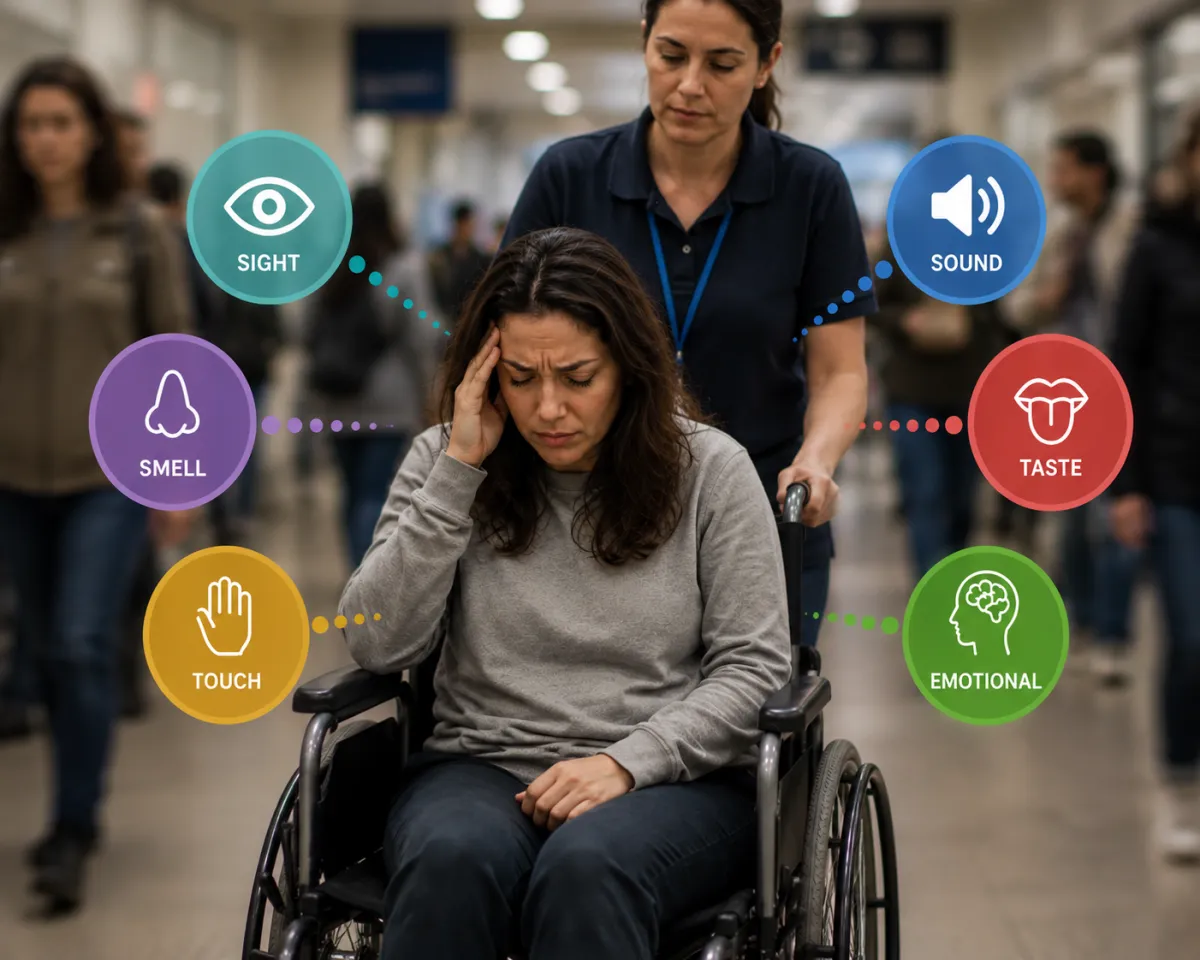
Crowded places can feel overwhelming after a stroke, especially if you have developed vision problems. Busy environments such as supermarkets, shopping centres, train stations and family gatherings may suddenly become exhausting, confusing or even frightening. Many stroke survivors struggle with visual overload, difficulty processing movement or problems noticing objects and people around them. Learn why crowded places can become difficult after a stroke and what strategies may help.
After your stroke...
You walk into a supermarket.
Within minutes, something feels wrong.
People seem to appear from nowhere.
Everything feels busy.
Noisy.
Chaotic.
Your eyes cannot seem to settle.
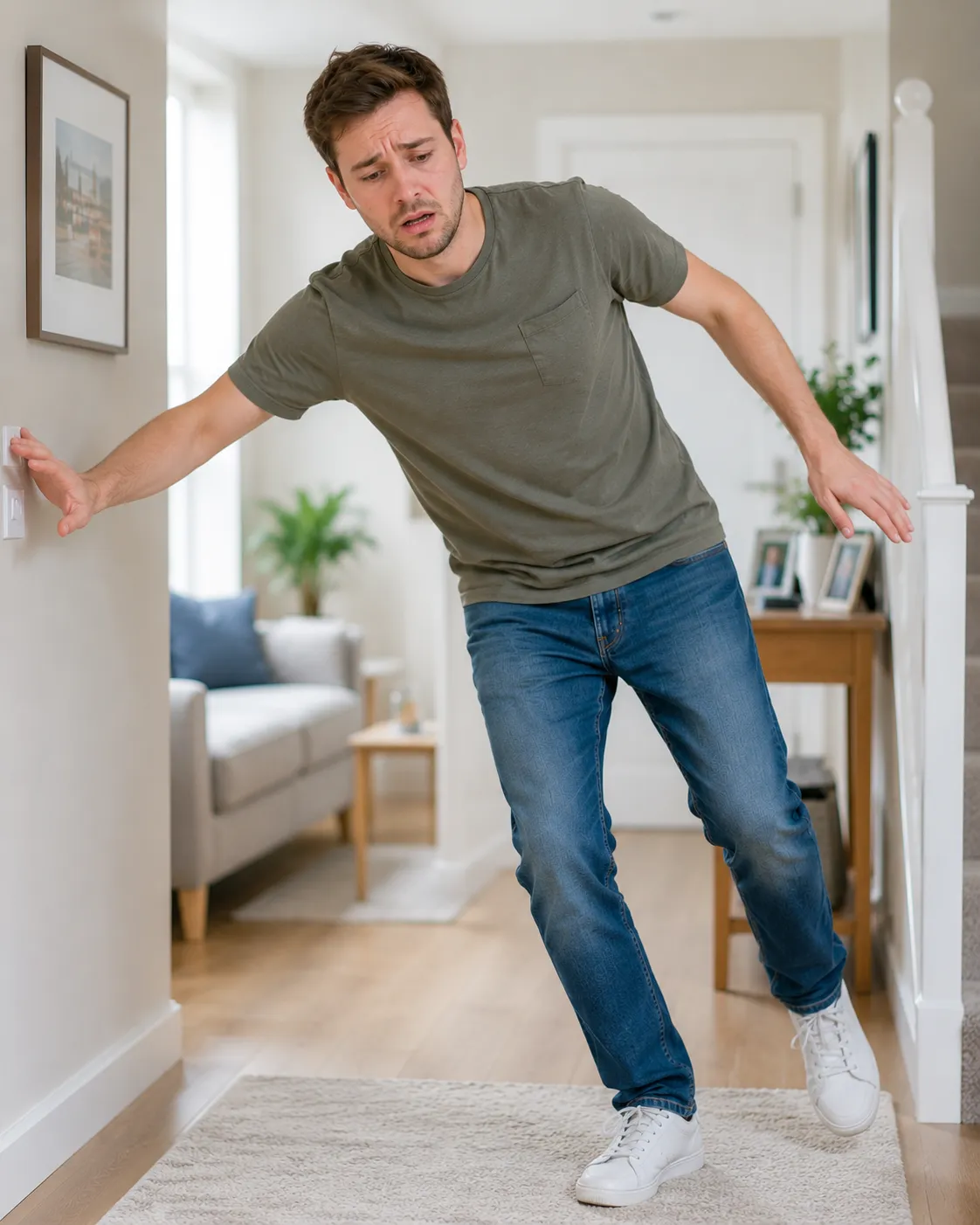
You may become dizzy.
Anxious.
Overwhelmed.
You begin wondering...
"Why can't I cope with crowded places anymore?"
"Am I becoming anxious?"
"Is something wrong with my vision?"
These experiences are extremely common after a stroke.
✦ ✦ ✦
The Good News
Difficulty coping with busy environments does not necessarily mean your eyesight is permanently damaged.
For many people, the brain simply needs more time and effort to process visual information.
With recovery, rehabilitation and practical strategies, crowded environments often become easier to manage.
✦ ✦ ✦
Why Are Crowded Places So Difficult After a Stroke?
Crowded environments place enormous demands on the brain.
Your brain must constantly:
✓ Process movement.
✓ Filter visual information.
✓ Identify important details.
✓ Ignore distractions.
✓ Coordinate vision and balance.
✓ Track multiple people and objects.
After a stroke, these tasks may become much harder.
This can lead to visual overload and mental exhaustion.
✦ ✦ ✦
Visual Overload After a Stroke
Many stroke survivors describe feeling overwhelmed by:
✓ Supermarkets.
✓ Shopping centres.
✓ Airports.
✓ Busy roads.
✓ Restaurants.
✓ School events.
✓ Large family gatherings.
The brain may struggle to process large amounts of visual information simultaneously.
Everything can suddenly feel "too much."
✦ ✦ ✦
Symptoms You May Experience
Common symptoms include:
✓ Dizziness.
✓ Feeling disorientated.
✓ Eye strain.
✓ Difficulty concentrating.
✓ Anxiety.
✓ Fatigue.
✓ Difficulty following conversations.
✓ Feeling unsafe.
✓ Becoming easily startled.
✓ Wanting to leave quickly.
These symptoms can occur even if your eyesight tests as normal.
✦ ✦ ✦
Visual Field Loss
If you have hemianopia or other visual field problems, crowded places may become particularly difficult.
You may:
✓ Miss people approaching from one side.
✓ Bump into others.
✓ Feel constantly surprised by movement.
✓ Struggle to judge where people are around you.
This can understandably make busy environments feel stressful.
✦ ✦ ✦
Visual Neglect
Visual neglect may also contribute.
You may not consistently notice information on one side of your surroundings.
In crowded places this can lead to:
✓ Missing obstacles.
✓ Becoming disorientated.
✓ Feeling unsafe.
✓ Increased mental effort.
The more crowded the environment, the more difficult compensation may become.
✦ ✦ ✦
Difficulty Processing Movement
Some people find moving environments particularly difficult.
Examples include:
✓ Escalators.
✓ Crowds walking in different directions.
✓ Traffic.
✓ Children running around.
✓ Busy television scenes.
The brain may struggle to process multiple moving objects simultaneously.
This can result in dizziness or nausea.
✦ ✦ ✦
Cognitive Fatigue Plays a Major Role
Crowded places are not only visually demanding.
They are mentally demanding too.
The brain may need to:
✓ Process sounds.
✓ Follow conversations.
✓ Plan movements.
✓ Make decisions.
✓ Remain aware of surroundings.
This combination can quickly become exhausting.
Many survivors notice that symptoms worsen when they are tired.
✦ ✦ ✦
Why Do I Feel Anxious in Crowded Places?
The anxiety is often understandable.
If your brain struggles to process visual information, crowded places may feel unpredictable.
You may fear:
✓ Falling.
✓ Bumping into people.
✓ Becoming disorientated.
✓ Feeling trapped.
✓ Missing important information.
The anxiety is often a response to feeling overwhelmed rather than a separate mental health condition.
✦ ✦ ✦
Supermarkets Are Particularly Challenging
Many stroke survivors specifically mention supermarkets.
Supermarkets contain:
✓ Bright lighting.
✓ Multiple colours.
✓ Busy shelves.
✓ Moving people.
✓ Background music.
✓ Decision making.
✓ Constant visual stimulation.
This combination can create significant visual overload.
✦ ✦ ✦
Can This Improve?
Yes.
Many people notice gradual improvements over time.
This may occur because:
✓ The brain continues healing.
✓ Compensatory strategies improve.
✓ Confidence increases.
✓ The brain becomes better at filtering information.
Recovery varies considerably from person to person.
✦ ✦ ✦
Practical Strategies That May Help
Helpful strategies may include:
✓ Visiting shops during quieter hours.
✓ Taking regular breaks.
✓ Using shopping lists.
✓ Going with someone you trust.
✓ Wearing sunglasses if bright lights are difficult.
✓ Limiting the duration of outings.
✓ Sitting down when overwhelmed.
✓ Focusing on one task at a time.
Small adjustments can make a significant difference.
✦ ✦ ✦
Gradual Exposure May Build Confidence
Avoiding busy environments completely can sometimes increase anxiety.
Some people benefit from gradually increasing exposure.
For example:
✓ Start with a small local shop.
✓ Progress to slightly busier environments.
✓ Increase time spent outside gradually.
Building tolerance slowly may improve confidence.
✦ ✦ ✦
Communication Can Help
It may help to explain your difficulties to others.
Family and friends may not realise that:
✓ Vision can appear normal.
✓ Crowds can be exhausting.
✓ Symptoms are genuine.
✓ Recovery can take time.
Understanding from others can reduce pressure and frustration.
✦ ✦ ✦
Tips for Family and Carers
If you're supporting someone with visual overload:
✓ Avoid rushing them.
✓ Allow regular breaks.
✓ Visit quieter places initially.
✓ Walk on the affected side if appropriate.
✓ Offer reassurance.
✓ Understand that symptoms may fluctuate.
What appears to be a simple outing may require enormous effort.
✦ ✦ ✦
When Should You Seek Professional Advice?
Speak with a healthcare professional if:
✓ Crowded places are severely affecting daily life.
✓ You suspect visual field loss.
✓ You frequently bump into objects.
✓ Symptoms are worsening.
✓ You feel unable to leave home.
You may benefit from assessment by:
✓ An ophthalmologist.
✓ An orthoptist.
✓ An occupational therapist.
✓ A neuro-rehabilitation team.
Seek urgent medical attention if you suddenly develop:
✓ New visual symptoms.
✓ Sudden weakness.
✓ New speech difficulties.
✓ Facial drooping.
These may be signs of another stroke.
✦ ✦ ✦
My Perspective
One of the most surprising things after a stroke can be discovering that ordinary places suddenly feel overwhelming.
A supermarket.
A shopping centre.
A busy family gathering.
Places that once felt normal may suddenly feel exhausting.
This can be difficult for other people to understand because your eyesight may appear completely normal.
But visual processing is far more than seeing.
It is about how the brain interprets and manages information.
And after a stroke, that process can become much harder.
Be patient with yourself.
The fact that crowded places feel difficult does not mean you are failing.
It simply means your brain is working much harder than before.
✦ ✦ ✦
Frequently Asked Questions
Why Do Supermarkets Make Me Feel Strange After a Stroke?
Supermarkets contain large amounts of visual information, movement and decision making, which can overwhelm the brain.
✦ ✦ ✦
Is This Anxiety or a Vision Problem?
For many people, it is a combination of visual processing difficulties and understandable anxiety related to feeling overwhelmed.
✦ ✦ ✦
Will It Improve?
Many people notice improvements over time, although some may continue to need practical adjustments.
✦ ✦ ✦
Should I Avoid Crowded Places Completely?
Not necessarily.
Gradual exposure and practical strategies may help build confidence and tolerance.
✦ ✦ ✦
Key Takeaways
✓ Crowded places can become overwhelming after a stroke.
✓ Visual overload is common, even when eyesight appears normal.
✓ Symptoms may include dizziness, fatigue, anxiety and disorientation.
✓ Visual field loss and neglect can make busy environments particularly challenging.
✓ Practical strategies and gradual exposure may help.
✓ Recovery often continues over time.
✦ ✦ ✦
Related Articles
Continue learning about vision and sensory recovery with these helpful guides:
Difficulty Using Screens After a Stroke
Hemianopia After a Stroke
Visual Neglect After a Stroke
Eye Fatigue After a Stroke
Can Vision Return After a Stroke?
✦ ✦ ✦
About the Author
Alisia Gayle is a stroke survivor who achieved 96% neurological recovery following an ischaemic stroke.
After years of rehabilitation, she now shares practical, evidence-informed resources to help stroke survivors, carers and families better understand recovery and rebuild their lives with confidence.
Alisia is also the author of Brain Damage: My Journey to 96% Recovery, where she shares her personal stroke recovery story and the lessons she learned throughout her rehabilitation.
✦ ✦ ✦
Medical Disclaimer
This article is intended for educational purposes only and should not replace professional medical advice, diagnosis or treatment.
Always seek advice from your doctor, ophthalmologist or another qualified healthcare professional regarding visual symptoms or any concerns about your stroke recovery.
✦ ✦ ✦
Final Thoughts
If crowded places suddenly feel overwhelming after your stroke...
You are not imagining it.
And you are certainly not alone.
Your brain may simply be working much harder to process the world around you.
Give yourself permission to slow down.
Take breaks.
Choose quieter environments when needed.
And remember...
Recovery is not only about regaining movement.
It is also about helping the brain learn to navigate a busy world once again.
One outing...
One shop...
And one small step at a time.