

MOBILITY & PHYSICAL RECOVERY

Sitting Balance After a Stroke.

A calmer, easier-to-scan guide to why sitting balance can change after stroke, what may help, and when to seek professional advice.

Difficulty Finding Words After a Stroke

Difficulty Finding Words After a Stroke

July 06, 20266 min read

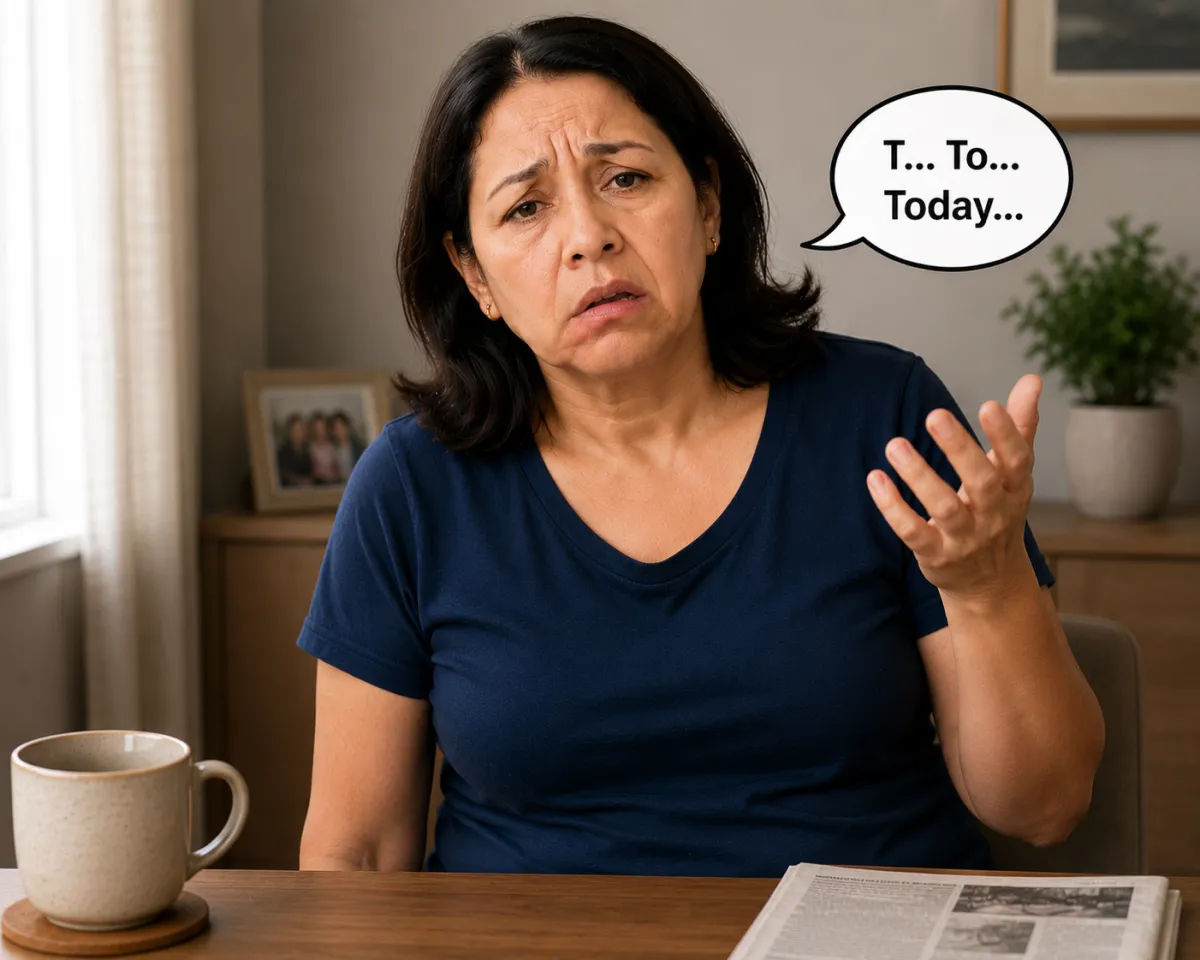
Difficulty finding words after a stroke is one of the most common communication problems survivors experience. You may know exactly what you want to say but struggle to find the right word. Learn why word-finding difficulties happen after a stroke, how they differ from other speech problems, and what treatments can help improve communication.

After your stroke...

You know the answer.

You can picture the object.

You know exactly what you want to say.

But...

The word just won't come.

It's on the tip of your tongue.

You pause.

Search.

Try another word.

You begin wondering...

"Why can't I remember simple words?"

For many stroke survivors...

This is a common part of recovery.

✦ ✦ ✦

The Good News

Word-finding difficulties often improve over time.

Many stroke survivors regain significant communication skills through speech and language therapy, regular practice and the brain's remarkable ability to adapt.

Recovery may be gradual.

But every conversation helps.

✦ ✦ ✦

Why Can't I Find My Words?

After a stroke, the brain may struggle to retrieve words that were once automatic.

The information is often still stored in your memory.

The difficulty lies in accessing it quickly.

It's a little like having a book in a library.

You know the book is there...

You just can't find the correct shelf.

✦ ✦ ✦

Can a Stroke Cause Word-Finding Problems?

Yes.

Word-finding difficulties are very common after a stroke.

They usually occur when the stroke affects the language centres of the brain, particularly on the left side.

This condition is often part of aphasia, especially anomic aphasia, where the main problem is retrieving words.

✦ ✦ ✦

What Causes Word-Finding Difficulties?

Several factors may contribute.

Damage to the Language Centres

A stroke can interrupt the brain networks responsible for retrieving words.

Although you know what you want to say, the connection to that word may become slower or temporarily blocked.

✦ ✦ ✦

Slower Brain Processing

After a stroke, your brain often needs longer to process information.

Finding the right word may simply take more time than it did before.

✦ ✦ ✦

Fatigue

Stroke fatigue affects concentration and thinking.

Many people notice word-finding becomes much harder when they are tired.

✦ ✦ ✦

Stress and Anxiety

The more pressure you put on yourself to remember a word, the harder it sometimes becomes.

Feeling relaxed often makes communication easier.

✦ ✦ ✦

Common Symptoms

You may notice:

✓ Pausing during conversations.

✓ Knowing the word but being unable to say it.

✓ Using the wrong word.

✓ Describing an object instead of naming it.

✓ Saying "that thing" instead of the correct word.

✓ Losing your train of thought.

✓ Taking longer to answer questions.

✓ Becoming frustrated while speaking.

These symptoms may come and go depending on fatigue and concentration.

✦ ✦ ✦

How Does It Affect Everyday Life?

Word-finding difficulties can affect many everyday situations.

You may struggle to:

✓ Hold conversations.

✓ Introduce yourself.

✓ Order food.

✓ Speak on the telephone.

✓ Join group discussions.

✓ Return to work.

✓ Tell stories.

✓ Express your thoughts clearly.

Many people lose confidence because speaking suddenly feels much harder.

✦ ✦ ✦

Treatment and Rehabilitation

Recovery usually involves speech and language therapy combined with regular practice.

✦ ✦ ✦

Speech and Language Therapy

Speech and language therapists use exercises that help strengthen your ability to retrieve words.

Treatment may include:

✓ Naming objects.

✓ Word association exercises.

✓ Picture naming.

✓ Category practice.

✓ Conversation exercises.

Therapy is tailored to your individual needs.

✦ ✦ ✦

Practise Naming Everyday Objects

Looking around your home and naming objects aloud helps reinforce language pathways.

For example:

Chair.

Window.

Television.

Kettle.

Keys.

Simple daily practice can be very effective.

✦ ✦ ✦

Read Aloud

Reading books, newspapers or short articles aloud gives your brain repeated opportunities to practise retrieving words.

✦ ✦ ✦

Neuroplasticity

The brain can reorganise itself by creating new pathways around damaged areas.

This ability is called neuroplasticity.

Every time you practise speaking, you're encouraging your brain to strengthen those new connections.

✦ ✦ ✦

Practical Tips

Slow Down

Don't rush.

Giving yourself a few extra seconds often allows the word to come naturally.

✦ ✦ ✦

Describe the Word

If you can't remember the exact word, describe it.

For example:

"It's something you use to cut paper."

This often helps others understand what you mean.

✦ ✦ ✦

Use Gestures

Pointing or using hand gestures can support communication while the word comes to you.

✦ ✦ ✦

Don't Be Afraid to Pause

Silence isn't failure.

Your brain is simply working.

Give it time.

✦ ✦ ✦

Practise Every Day

Five or ten minutes of daily language practice often produces better results than longer, less frequent sessions.

Consistency helps build stronger communication pathways.

✦ ✦ ✦

Tips for Family and Friends

If someone is struggling to find words:

✓ Give them time to speak.

✓ Don't immediately finish every sentence.

✓ Be patient.

✓ Reduce background distractions.

✓ Encourage rather than correct.

Sometimes the greatest support is simply allowing someone the time they need.

✦ ✦ ✦

When Should You Seek Medical Advice?

Speak with your healthcare professional if:

✓ Word-finding problems interfere with daily life.

✓ Communication suddenly becomes worse.

✓ You develop new speech or language problems.

✓ You become increasingly frustrated or withdrawn.

Seek emergency medical attention immediately if difficulty finding words starts suddenly, especially alongside facial drooping, arm weakness or confusion.

These may be signs of another stroke.

✦ ✦ ✦

My Perspective

Few things are more frustrating than knowing exactly what you want to say...

But being unable to find the word.

I've learned that those missing words aren't gone.

Sometimes they simply take a different path to reach you.

The more you practise...

The stronger those pathways become.

Don't judge your progress by one difficult conversation.

Judge it by your willingness to keep trying.

✦ ✦ ✦

Frequently Asked Questions

Will I Be Able to Find My Words Again?

Many people experience significant improvement through speech and language therapy, daily practice and continued recovery.

Progress varies from person to person.

✦ ✦ ✦

Is Difficulty Finding Words the Same as Aphasia?

Difficulty finding words is often one symptom of aphasia, particularly anomic aphasia, but aphasia can also affect understanding, reading and writing.

✦ ✦ ✦

Can Fatigue Make Word-Finding Worse?

Yes.

Many stroke survivors notice communication becomes much harder when they are tired or overwhelmed.

✦ ✦ ✦

Can Recovery Continue Years After a Stroke?

Yes.

The brain continues adapting throughout life.

Many people continue making meaningful improvements months and even years after their stroke.

✦ ✦ ✦

Key Takeaways

✓ Difficulty finding words is common after a stroke.

✓ It is often caused by changes in the brain's language centres.

✓ The words are often still stored—you simply need more time to retrieve them.

✓ Speech and language therapy can significantly improve communication.

✓ Daily practice supports neuroplasticity and long-term recovery.

✓ Many people continue improving for months and even years.

✦ ✦ ✦

Final Thoughts

Not finding the right word doesn't mean you've lost your voice.

It means your brain is taking a little longer to reach it.

Every conversation...

Every word you remember...

Every time you keep trying...

Strengthens the pathways your brain is rebuilding.

Be patient with yourself.

Recovery happens one word, one conversation and one day at a time.

blog author avatar
Stroke Survivor and Author
Back to Blog

What you’ll learn

Why sitting balance can be affected after a stroke

Common problems people notice day to day

Simple rehabilitation approaches that may help

When changes in balance need medical attention

Why sitting balance matters

Sitting balance is often one of the foundations for standing, walking and everyday activities. After a stroke, some people find it difficult to sit upright without support, lean to one side, or feel unsteady when reaching.

The good news

Sitting balance often improves with rehabilitation, practice and time. Even small improvements can support confidence and independence.

Why can balance change after a stroke?

A stroke may affect several systems that help you stay upright, including strength, coordination, sensation, body awareness and balance control.

Strength

Trunk muscles may become weaker or slower to respond.

Coordination

Movements may feel less automatic or less controlled.

Sensation

You may have less feedback about where your body is in space.

Confidence

Fear of falling can make movement feel harder.

Common sitting problems after a stroke

  • Leaning to one side

  • Difficulty sitting upright without support

  • Feeling unstable when reaching

  • Falling or drifting backwards

  • Increased fatigue during longer periods of sitting

Some people may also experience pusher syndrome, where they actively push towards their weaker side. This should be assessed by a rehabilitation professional.

What May Help

Physiotherapy and occupational therapy often work on trunk control, weight shifting, posture, coordination and everyday activities.

Examples of exercises

  • Sitting unsupported for short periods

  • Gentle reaching tasks

  • Weight shifting from side to side

  • Trunk strengthening

  • Practising on different safe surfaces when appropriate

Keep it individual

Exercises should be matched to your own abilities and professional advice.

More detail: posture and positioning

Helpful strategies may include keeping both feet supported, maintaining an upright posture, and using supportive cushions when recommended.

More detail: fatigue and balance

Balance can become worse when you are tired. Regular rest periods and shorter practice sessions may help.

More detail: tips for family and carers

Encourage safe practice, avoid unexpected pulling or pushing, and help maintain good posture while celebrating small improvements.

When should you seek medical advice?

Arrange an appointment with a healthcare professional if sitting balance is worsening, falls are occurring, new weakness develops, or balance problems are significantly affecting daily activities.

Seek urgent medical attention for sudden new weakness, new speech difficulties, sudden confusion or sudden vision changes.

Key takeaways

Sitting balance is commonly affected after stroke.

Weakness, sensation and body awareness can all contribute.

Good sitting balance supports everyday activity and later mobility.

Recovery can continue over months and years.

Frequently asked questions

Is poor sitting balance common after a stroke?

Yes. Many stroke survivors experience difficulty with sitting balance, particularly during earlier stages of recovery.

Will my sitting balance improve?

Many people improve through rehabilitation, ongoing recovery and repeated practice.

Can exercises help?

Targeted exercises can help improve trunk control, balance and confidence when they are appropriate for the individual.

About Alisia

Alisia Gayle is a stroke survivor who achieved 96% neurological recovery following an ischaemic stroke.

After years of rehabilitation, she now shares practical, evidence-informed resources to help stroke survivors, carers and families better understand recovery and rebuild their lives with confidence.

Alisia is also the author of Brain Damage: My Journey to 96% Recovery, where she shares her personal stroke recovery story and the lessons she learned throughout her rehabilitation.

Next articles

Medical disclaimer

This article is intended for educational purposes only and should not replace professional medical advice, diagnosis or treatment.

Always seek advice from your doctor, physiotherapist or rehabilitation team regarding symptoms, concerns or changes in your condition.

Alisia Gayle is a stroke survivor, author, and advocate whose life was transformed in a single, ordinary day.

Contact us

800 1234 5678

FOLLOW US

Copyright 2026. Alisia Gayle | Stroke Recovery Through Lived Experience. All Rights Reserved.