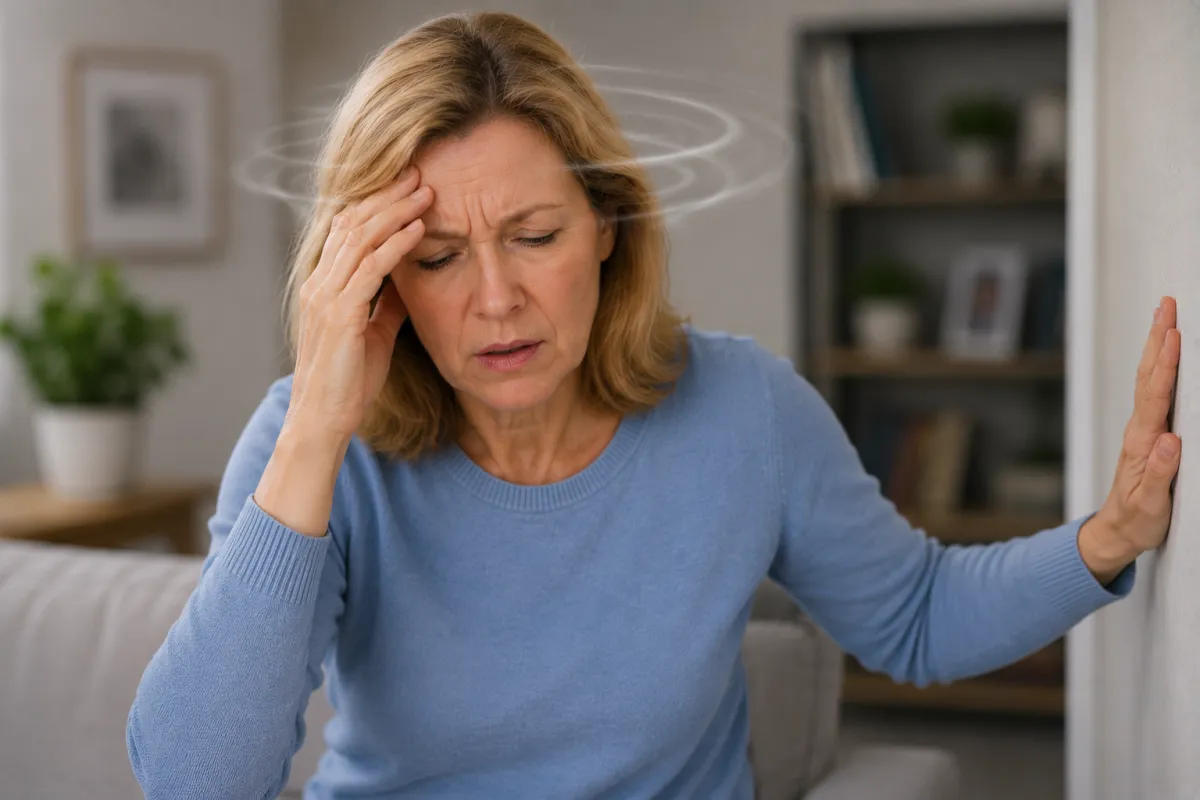
Dizziness and vision problems are common after a stroke and can significantly affect balance, confidence and everyday activities. Many stroke survivors describe feeling unsteady, disorientated or as though the world is moving around them. Others develop blurred vision, double vision or difficulty processing what they see. Learn why these symptoms occur, how they are connected and what treatments may help.
After your stroke...
You stand up and suddenly feel unsteady.
The room seems to spin.
You struggle to focus your eyes.
Walking feels strange.
Busy environments become overwhelming.
You begin wondering...
"Why do I feel dizzy all the time?"
Or...
"Are my eyes causing my dizziness?"
The good news is...
Dizziness and vision problems often improve over time, and many treatments and rehabilitation strategies can help.
✦ ✦ ✦
The Good News
The brain relies heavily on vision to maintain balance and understand where the body is in space.
After a stroke, this system can become disrupted.
Many people gradually improve their:
✓ Balance.
✓ Visual processing.
✓ Eye coordination.
✓ Confidence when moving around.
✓ Ability to tolerate busy environments.
Recovery may take time, but meaningful improvements are often possible.
✦ ✦ ✦
Why Do Dizziness and Vision Problems Happen Together?
Balance depends on three major systems working together:
✓ Vision.
✓ The inner ear (vestibular system).
✓ Sensation from muscles and joints.
A stroke can affect one or several of these systems.
If the brain receives conflicting information, symptoms such as dizziness, unsteadiness and nausea may occur.
This is why visual problems frequently lead to balance difficulties.
✦ ✦ ✦
Common Vision Problems After Stroke
Stroke can cause several different visual difficulties.
These may include:
✓ Blurred vision.
✓ Double vision.
✓ Visual field loss.
✓ Difficulty focusing.
✓ Eye movement problems.
✓ Light sensitivity.
✓ Visual neglect.
✓ Difficulty judging distances.
Even mild visual changes can significantly affect balance and confidence.
✦ ✦ ✦
How Vision Problems Can Cause Dizziness
Vision provides important information about movement and position.
When visual information becomes unreliable, the brain may struggle to interpret the environment correctly.
This can cause:
✓ Feeling unsteady.
✓ Motion sensitivity.
✓ Dizziness in supermarkets.
✓ Difficulty in crowded places.
✓ Feeling worse when moving your head.
✓ Discomfort when watching moving objects.
Many people describe feeling "off balance" rather than experiencing true spinning vertigo.
✦ ✦ ✦
Double Vision and Dizziness
Double vision can occur if the muscles controlling the eyes are no longer working together properly.
This may cause:
✓ Dizziness.
✓ Nausea.
✓ Headaches.
✓ Difficulty walking.
✓ Problems reading.
Symptoms may worsen with fatigue.
Some people benefit from prisms, eye exercises or temporary eye patches.
✦ ✦ ✦
Visual Field Loss
Some stroke survivors lose vision on one side of their visual field.
This is called hemianopia.
It may cause:
✓ Bumping into objects.
✓ Missing steps or curbs.
✓ Feeling disorientated.
✓ Increased falls risk.
✓ Anxiety when walking outdoors.
Many people do not initially realise that part of their vision is missing.
✦ ✦ ✦
Visual Neglect
Visual neglect is different from visual field loss.
The eyes may be able to see normally, but the brain fails to pay attention to one side of space.
This can cause:
✓ Ignoring objects on one side.
✓ Eating food from only one side of the plate.
✓ Colliding with furniture.
✓ Increased dizziness and disorientation.
Visual neglect often improves with rehabilitation.
✦ ✦ ✦
Dizziness in Busy Environments
Many stroke survivors struggle in:
✓ Supermarkets.
✓ Shopping centres.
✓ Traffic.
✓ Crowded streets.
✓ Large patterned floors.
These environments provide enormous amounts of visual information.
The brain may become overwhelmed trying to process it all.
This is sometimes called visual motion sensitivity.
✦ ✦ ✦
Other Causes of Dizziness After Stroke
Not all dizziness is caused by vision problems.
Other possible causes include:
✓ Vestibular dysfunction.
✓ Medication side effects.
✓ Low blood pressure.
✓ Fatigue.
✓ Anxiety.
✓ Deconditioning.
✓ Benign paroxysmal positional vertigo (BPPV).
Sometimes several factors occur together.
✦ ✦ ✦
Fatigue Often Makes Symptoms Worse
Many stroke survivors notice that dizziness and visual symptoms worsen when they are:
✓ Tired.
✓ Stressed.
✓ Unwell.
✓ Overstimulated.
The brain has to work much harder after a stroke.
When mental fatigue develops, symptoms often become more noticeable.
✦ ✦ ✦
Can Dizziness and Vision Problems Improve?
Yes.
Many people experience improvements over time.
Recovery depends on:
✓ Stroke location.
✓ Severity of visual impairment.
✓ Rehabilitation.
✓ Management of fatigue.
✓ Opportunities for practice.
The brain can often learn new ways to process information through neuroplasticity.
✦ ✦ ✦
Treatment and Rehabilitation
Treatment may include:
Vision Assessment
A thorough assessment can identify specific visual problems.
Neuro-Optometry
Some people benefit from specialist visual rehabilitation.
Vestibular Rehabilitation
Exercises may help improve dizziness and balance.
Eye Movement Exercises
These can improve eye coordination and visual tracking.
Occupational Therapy
Practical strategies can improve safety and independence.
Environmental Adaptations
Reducing clutter and simplifying environments may help reduce symptoms.
✦ ✦ ✦
Practical Tips for Managing Symptoms
You may find it helpful to:
✓ Move slowly when changing position.
✓ Take regular rest breaks.
✓ Reduce visual clutter.
✓ Wear appropriate glasses.
✓ Use handrails where possible.
✓ Gradually increase exposure to busy environments.
✓ Avoid pushing through severe fatigue.
Small adjustments can often make a significant difference.
✦ ✦ ✦
When Should You Seek Medical Advice?
Arrange medical review if:
✓ Dizziness is worsening.
✓ Double vision develops suddenly.
✓ Falls are occurring.
✓ Symptoms significantly affect daily life.
✓ Vision changes are becoming more severe.
Seek urgent medical attention if dizziness or visual problems suddenly worsen, particularly if accompanied by new stroke symptoms.
✦ ✦ ✦
My Perspective
After a stroke...
Dizziness can be incredibly unsettling.
It often makes people feel anxious about moving.
You begin to lose confidence.
Simple activities suddenly feel difficult.
Many people do not realise how closely vision and balance are connected.
When your brain struggles to process visual information, the entire world can feel unstable.
But these symptoms do not necessarily mean permanent damage.
For many people, improvement happens gradually.
Confidence returns.
Balance improves.
The world begins to feel steady again.
✦ ✦ ✦
Frequently Asked Questions
Can vision problems cause dizziness after stroke?
Yes.
Visual difficulties commonly contribute to dizziness and balance problems.
✦ ✦ ✦
Why do supermarkets make me feel dizzy?
Busy environments provide large amounts of visual information that can overwhelm the brain after stroke.
✦ ✦ ✦
Will these symptoms improve?
Many people experience improvements over time, particularly with rehabilitation and fatigue management.
✦ ✦ ✦
Why are my symptoms worse when I am tired?
Mental fatigue reduces the brain's ability to process visual information efficiently.
✦ ✦ ✦
Can dizziness continue for years after stroke?
Yes.
Some people continue to experience symptoms long term, although many learn strategies that significantly improve daily life.
✦ ✦ ✦
Key Takeaways
✓ Dizziness and vision problems commonly occur together after stroke.
✓ Vision plays an important role in balance.
✓ Double vision, visual field loss and visual neglect can contribute to dizziness.
✓ Fatigue often makes symptoms worse.
✓ Busy environments may become overwhelming.
✓ Many people improve with rehabilitation and time.
✦ ✦ ✦
Related Articles
Continue learning about visual and balance problems after stroke with these helpful guides:
Can Vision Return After a Stroke? – Learn about visual recovery after stroke.
Double Vision After a Stroke – Understand why double vision occurs and what treatments may help.
Balance Problems After a Stroke – Learn why balance difficulties develop.
Falls After a Stroke – Practical advice for reducing falls risk.
Fatigue After a Stroke – Understand why symptoms often worsen when you are tired.
✦ ✦ ✦
About the Author
Alisia Gayle is a stroke survivor who achieved 96% neurological recovery following an ischaemic stroke.
After years of rehabilitation, she now shares practical, evidence-informed resources to help stroke survivors, carers and families better understand recovery and rebuild their lives with confidence.
Alisia is also the author of Brain Damage: My Journey to 96% Recovery, where she shares her personal stroke recovery story and the lessons she learned throughout her rehabilitation.
✦ ✦ ✦
Medical Disclaimer
This article is intended for educational purposes only and should not replace professional medical advice, diagnosis or treatment.
Always seek advice from your doctor, stroke specialist or eye care professional regarding dizziness or vision changes following a stroke.
✦ ✦ ✦
Final Thoughts
After a stroke...
The world may suddenly feel unsteady.
Busy environments may become overwhelming.
Vision may no longer feel reliable.
But recovery is often possible.
The brain can adapt.
Symptoms can improve.
Confidence can return.
And with the right support and rehabilitation, many people gradually begin to trust their eyes—and their balance—again.