

MOBILITY & PHYSICAL RECOVERY

Sitting Balance After a Stroke.

A calmer, easier-to-scan guide to why sitting balance can change after stroke, what may help, and when to seek professional advice.

Excessive Sleeping After a Stroke

Excessive Sleeping After a Stroke

July 08, 20266 min read

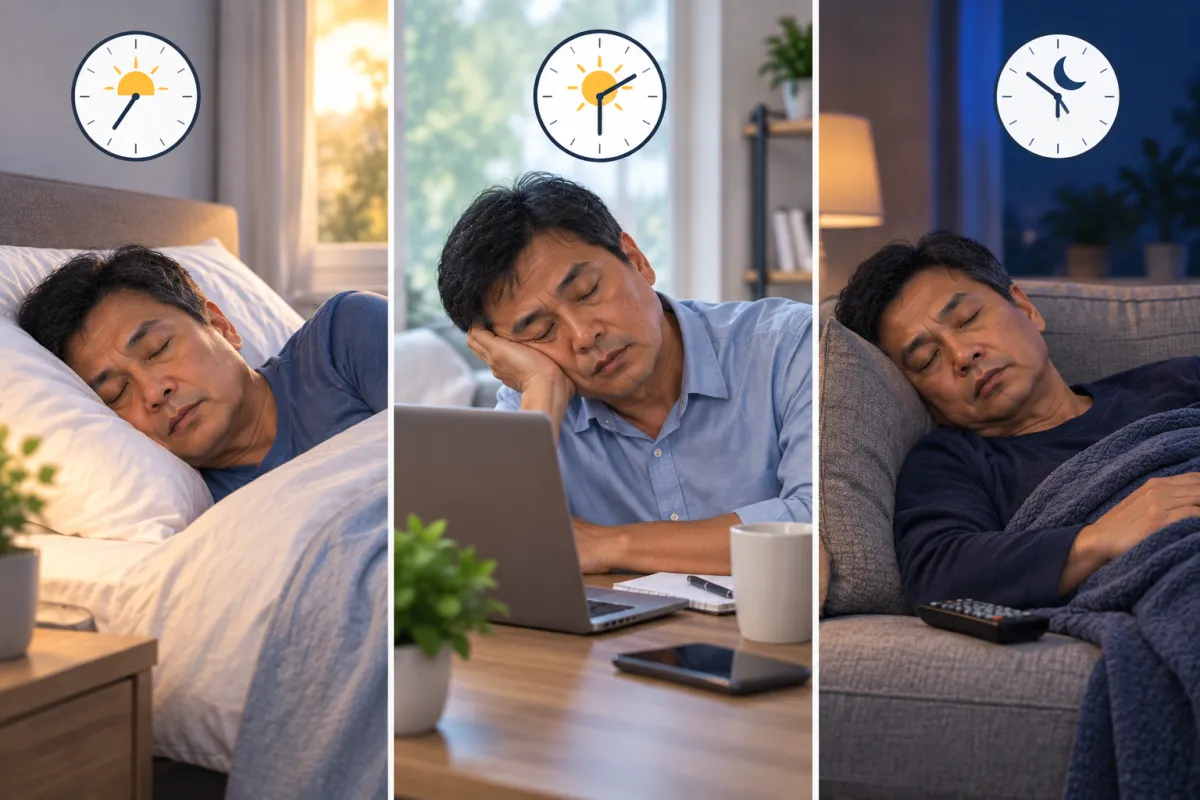
Yes, excessive sleeping is common after a stroke, particularly during the early weeks and months of recovery. Many stroke survivors find themselves sleeping much longer than usual, taking frequent naps or feeling as though they could sleep all day. Although this can be worrying, it is often a normal part of the brain's healing process. Learn why excessive sleep happens after a stroke, when it may be a cause for concern and what you can do to manage it.

After your stroke...

You wake up.

Have breakfast.

Then...

You want to go back to bed.

Perhaps...

You sleep for ten or twelve hours each night.

Then still need several naps during the day.

Friends and family begin saying...

"You're sleeping all the time."

"Shouldn't you be doing more?"

You begin wondering...

"Is this normal after a stroke?"

The answer is...

Very often...

Yes.

✦ ✦ ✦

The Good News

Many stroke survivors experience excessive sleepiness during recovery.

As your brain heals, your need for sleep often gradually decreases.

Although it can feel frustrating, extra sleep is not usually a sign that you're being lazy.

For many people...

It's a sign that their brain is working hard to recover.

✦ ✦ ✦

Why Am I Sleeping So Much?

A stroke places enormous demands on the brain.

Even when you're resting, your brain is repairing damaged pathways, forming new neural connections and adapting through neuroplasticity.

All of this requires energy.

Sleep allows your brain to carry out many of these important recovery processes.

In the weeks and months after a stroke, your body may simply need more sleep than it did before.

✦ ✦ ✦

Is Excessive Sleeping Common After a Stroke?

Yes.

Many people sleep much longer than usual during the early stages of recovery.

Some people:

✓ Sleep for long periods overnight.

✓ Need several naps during the day.

✓ Feel sleepy even after waking.

✓ Fall asleep while watching television.

✓ Feel mentally exhausted after simple activities.

For most people, this gradually improves over time.

✦ ✦ ✦

Why Does a Stroke Cause Excessive Sleepiness?

Several factors may contribute.

These include:

✓ The brain healing after injury.

✓ Increased mental effort.

✓ Stroke fatigue.

✓ Poor-quality sleep at night.

✓ Medication side effects.

✓ Depression.

✓ Pain.

✓ Sleep disorders such as sleep apnoea.

✓ Changes to the areas of the brain that regulate sleep.

Often, more than one factor is responsible.

✦ ✦ ✦

Is Sleeping More Helping My Recovery?

In many cases...

Yes.

Sleep supports many important recovery processes.

During sleep, your brain:

✓ Strengthens new neural connections.

✓ Consolidates learning from rehabilitation.

✓ Processes memories.

✓ Restores energy.

✓ Clears waste products.

✓ Supports physical healing.

This is why adequate sleep is considered an important part of stroke recovery.

✦ ✦ ✦

When Can Sleeping Too Much Become a Problem?

Although extra sleep is often normal, excessive sleeping can sometimes interfere with recovery.

It may become a problem if you:

✓ Miss rehabilitation sessions.

✓ Sleep through most of the day.

✓ Rarely participate in daily activities.

✓ Become less physically active.

✓ Have symptoms that are getting worse rather than better.

Persistent excessive sleepiness should always be discussed with your healthcare professional.

✦ ✦ ✦

How Can You Manage Excessive Sleeping?

Keep a Regular Sleep Schedule

Try to go to bed and wake up at similar times each day.

A consistent routine helps regulate your body's internal clock.

✦ ✦ ✦

Stay Active When You're Awake

Gentle rehabilitation exercises, walking and regular movement can improve daytime alertness.

Activity should be balanced with adequate rest.

✦ ✦ ✦

Take Short Naps

If you need to sleep during the day, shorter naps are often more refreshing than sleeping for several hours.

✦ ✦ ✦

Improve Night-Time Sleep

A cool, dark and quiet bedroom may help improve sleep quality.

Avoid caffeine late in the day if it affects your sleep.

✦ ✦ ✦

Listen to Your Body

Some days your brain simply needs more rest than others.

Recovery is not the same every day.

Allow yourself flexibility while maintaining healthy routines.

✦ ✦ ✦

Could Another Sleep Disorder Be Causing It?

Sometimes excessive sleepiness is caused by another condition.

These include:

✓ Sleep apnoea.

✓ Insomnia causing poor-quality sleep.

✓ Restless legs syndrome.

✓ Medication side effects.

✓ Depression.

If you snore loudly, stop breathing during sleep or wake feeling unrefreshed every morning, speak with your healthcare professional.

✦ ✦ ✦

When Should You Seek Medical Advice?

Speak with your healthcare professional if:

✓ Excessive sleeping continues for many months.

✓ Your sleepiness is getting worse.

✓ You're unable to participate in rehabilitation.

✓ You suspect your medication is contributing.

✓ You have symptoms of sleep apnoea.

Seek urgent medical attention if excessive sleepiness is accompanied by sudden new weakness, facial drooping, slurred speech or confusion, as these may be signs of another stroke.

✦ ✦ ✦

My Perspective

During recovery...

I often felt guilty about how much I needed to rest.

Part of me believed...

"If I'm sleeping, I'm not recovering."

I eventually realised the opposite was true.

My brain wasn't avoiding recovery.

It was carrying it out.

Learning to rest without guilt became just as important as learning to exercise.

✦ ✦ ✦

Frequently Asked Questions

Is It Normal to Sleep All Day After a Stroke?

During the early stages of recovery, many people need significantly more sleep than usual.

However, persistent excessive sleeping should be discussed with your healthcare professional.


Will My Sleep Return to Normal?

For many people, yes.

As the brain heals, sleep patterns often become more like they were before the stroke.


Should I Force Myself to Stay Awake?

Not usually.

Rest is an important part of recovery, but maintaining a healthy daily routine and participating in rehabilitation are also important.


Can Excessive Sleeping Be Caused by Sleep Apnoea?

Yes.

Poor-quality sleep caused by sleep apnoea can leave you feeling extremely sleepy during the day.

If you snore loudly or stop breathing during sleep, seek medical advice.

✦ ✦ ✦

Key Takeaways

✓ Excessive sleeping is common after a stroke.

✓ Your brain often needs extra sleep while it heals.

✓ Sleep supports neuroplasticity and rehabilitation.

✓ Balance rest with gentle daily activity.

✓ Persistent excessive sleepiness should be assessed by a healthcare professional.

✓ Sleep is an important part of recovery, not a sign of weakness.

✦ ✦ ✦

Related Articles

Continue learning about sleep and stroke recovery:

  • Why Am I So Tired Months After a Stroke?

  • Does Poor Sleep Slow Stroke Recovery?

  • Sleep Disorders After a Stroke

  • Insomnia After a Stroke

  • Sleep Apnoea After a Stroke

✦ ✦ ✦

Final Thoughts

Needing more sleep after a stroke...

Doesn't mean you're falling behind.

It often means your brain is doing exactly what it needs to do.

Give yourself permission to rest.

Support your recovery with healthy routines.

And remember...

Some of the most important healing happens while you're asleep.

blog author avatar
Stroke Survivor and Author
Back to Blog

What you’ll learn

Why sitting balance can be affected after a stroke

Common problems people notice day to day

Simple rehabilitation approaches that may help

When changes in balance need medical attention

Why sitting balance matters

Sitting balance is often one of the foundations for standing, walking and everyday activities. After a stroke, some people find it difficult to sit upright without support, lean to one side, or feel unsteady when reaching.

The good news

Sitting balance often improves with rehabilitation, practice and time. Even small improvements can support confidence and independence.

Why can balance change after a stroke?

A stroke may affect several systems that help you stay upright, including strength, coordination, sensation, body awareness and balance control.

Strength

Trunk muscles may become weaker or slower to respond.

Coordination

Movements may feel less automatic or less controlled.

Sensation

You may have less feedback about where your body is in space.

Confidence

Fear of falling can make movement feel harder.

Common sitting problems after a stroke

  • Leaning to one side

  • Difficulty sitting upright without support

  • Feeling unstable when reaching

  • Falling or drifting backwards

  • Increased fatigue during longer periods of sitting

Some people may also experience pusher syndrome, where they actively push towards their weaker side. This should be assessed by a rehabilitation professional.

What May Help

Physiotherapy and occupational therapy often work on trunk control, weight shifting, posture, coordination and everyday activities.

Examples of exercises

  • Sitting unsupported for short periods

  • Gentle reaching tasks

  • Weight shifting from side to side

  • Trunk strengthening

  • Practising on different safe surfaces when appropriate

Keep it individual

Exercises should be matched to your own abilities and professional advice.

More detail: posture and positioning

Helpful strategies may include keeping both feet supported, maintaining an upright posture, and using supportive cushions when recommended.

More detail: fatigue and balance

Balance can become worse when you are tired. Regular rest periods and shorter practice sessions may help.

More detail: tips for family and carers

Encourage safe practice, avoid unexpected pulling or pushing, and help maintain good posture while celebrating small improvements.

When should you seek medical advice?

Arrange an appointment with a healthcare professional if sitting balance is worsening, falls are occurring, new weakness develops, or balance problems are significantly affecting daily activities.

Seek urgent medical attention for sudden new weakness, new speech difficulties, sudden confusion or sudden vision changes.

Key takeaways

Sitting balance is commonly affected after stroke.

Weakness, sensation and body awareness can all contribute.

Good sitting balance supports everyday activity and later mobility.

Recovery can continue over months and years.

Frequently asked questions

Is poor sitting balance common after a stroke?

Yes. Many stroke survivors experience difficulty with sitting balance, particularly during earlier stages of recovery.

Will my sitting balance improve?

Many people improve through rehabilitation, ongoing recovery and repeated practice.

Can exercises help?

Targeted exercises can help improve trunk control, balance and confidence when they are appropriate for the individual.

About Alisia

Alisia Gayle is a stroke survivor who achieved 96% neurological recovery following an ischaemic stroke.

After years of rehabilitation, she now shares practical, evidence-informed resources to help stroke survivors, carers and families better understand recovery and rebuild their lives with confidence.

Alisia is also the author of Brain Damage: My Journey to 96% Recovery, where she shares her personal stroke recovery story and the lessons she learned throughout her rehabilitation.

Next articles

Medical disclaimer

This article is intended for educational purposes only and should not replace professional medical advice, diagnosis or treatment.

Always seek advice from your doctor, physiotherapist or rehabilitation team regarding symptoms, concerns or changes in your condition.

Alisia Gayle is a stroke survivor, author, and advocate whose life was transformed in a single, ordinary day.

Contact us

800 1234 5678

FOLLOW US

Copyright 2026. Alisia Gayle | Stroke Recovery Through Lived Experience. All Rights Reserved.