
MOBILITY & PHYSICAL RECOVERY

Sitting Balance After a Stroke.

A calmer, easier-to-scan guide to why sitting balance can change after stroke, what may help, and when to seek professional advice.

Falls After a Stroke

Falls After a Stroke

August 19, 20267 min read

Falls are one of the most common concerns after a stroke. Learn why they happen, how to reduce your risk and the practical steps you can take to stay safe and confident.

You Used to Walk Without Thinking About It.

Before your stroke...
Walking was automatic.
You stood up.
You walked.
You turned.
You didn't think twice.
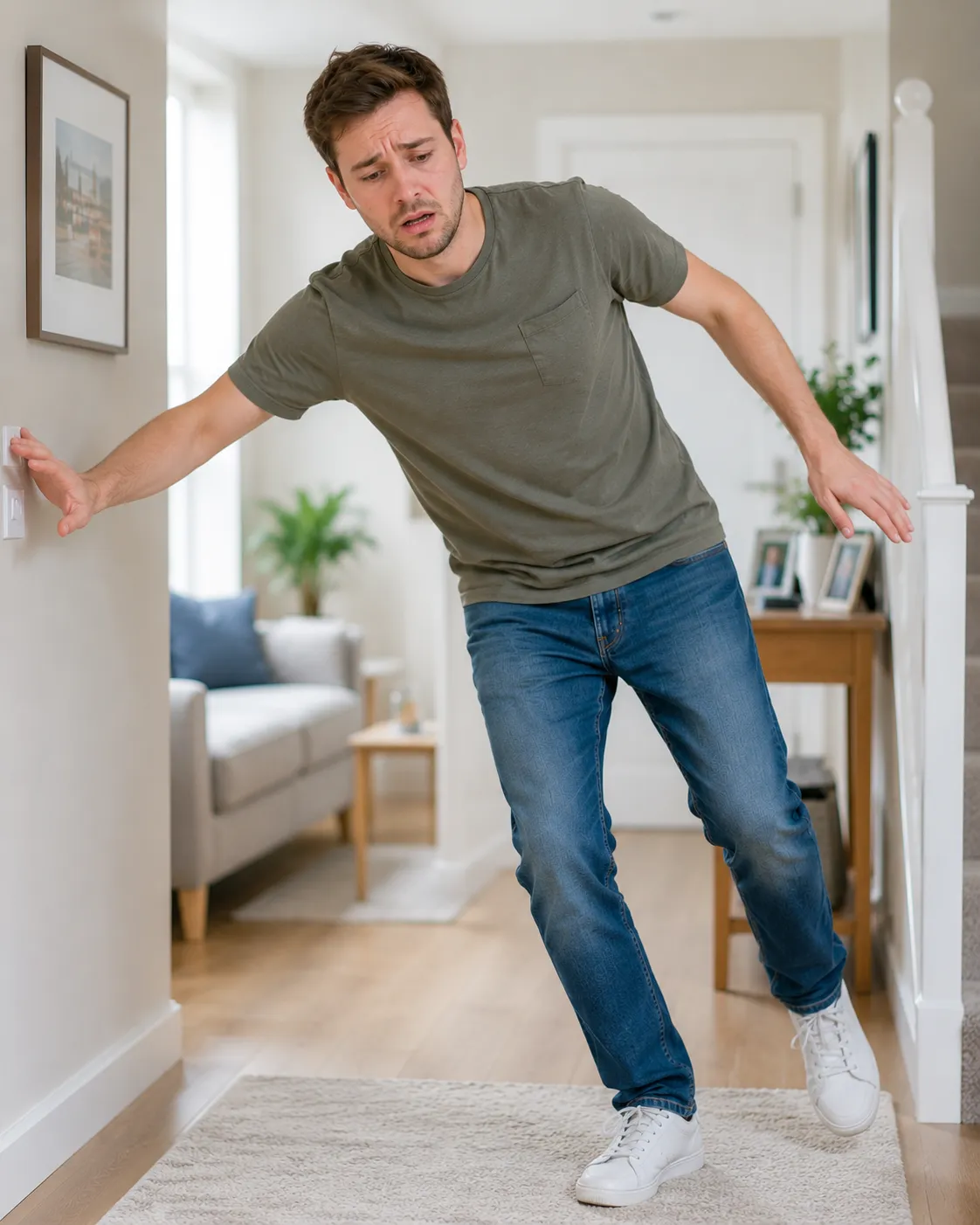
After a stroke, even simple movements can suddenly feel uncertain.
Instead...
✓ You feel unsteady when walking.
✓ You worry about losing your balance.
✓ You avoid certain places.
✓ You become anxious about falling again.
Falls are common after stroke, but they are
not an inevitable part of recovery.
✦ ✦ ✦

The Good News

Many stroke survivors regain confidence with rehabilitation and the right strategies.
Small changes can dramatically reduce your risk of falling.
Recovery isn't about becoming fearless.
It's about becoming safer, stronger and more confident.
One step at a time.
✦ ✦ ✦

What Is a Fall?

A fall is any unexpected event where you lose your balance and end up on the ground, floor or another lower level.
Some falls happen suddenly.
Others begin with a trip, stumble or loss of balance that cannot be corrected in time.
Even if no injury occurs, a fall can affect confidence and make people fearful of walking again.
✦ ✦ ✦

Why Are Falls Common After a Stroke?

A stroke can affect many of the systems needed for safe walking.
Balance.
Strength.
Vision.
Sensation.
Reaction time.
Attention.
When several of these are affected together, the risk of falling increases.
✦ ✦ ✦

What Causes Falls After a Stroke?

Muscle Weakness

Weak muscles make it harder to support your body while standing, walking or climbing stairs.
✦ ✦ ✦

Balance Problems

Your brain may struggle to keep your body stable while moving or standing still.
✦ ✦ ✦

Foot Drop

Dragging your toes can easily lead to trips, particularly on uneven ground or carpets.
✦ ✦ ✦

Vision Problems

Reduced vision or visual neglect can make it difficult to judge obstacles or see hazards.
✦ ✦ ✦

Reduced Sensation

If you cannot fully feel your affected leg or foot, it becomes harder to know exactly where it is while walking.
✦ ✦ ✦

Fatigue

Many falls happen when people become physically or mentally tired.
As fatigue increases, balance, concentration and walking quality often decrease.
✦ ✦ ✦

Medication

Some medications may cause dizziness, drowsiness or low blood pressure, increasing the likelihood of falls.
✦ ✦ ✦

Common Situations Where Falls Occur

Many falls happen during everyday activities, including:
✓ Walking around the house.
✓ Getting out of bed.
✓ Standing up from a chair.
✓ Using the bathroom.
✓ Climbing stairs.
✓ Walking on uneven pavements.
✓ Reaching for objects.
✓ Turning around too quickly.
✦ ✦ ✦

Signs Your Risk of Falling May Be Higher

You may be at greater risk if you:
✓ Have fallen before.
✓ Feel unsteady while walking.
✓ Hold onto furniture when moving around.
✓ Drag your foot.
✓ Walk more slowly than before.
✓ Feel dizzy when standing up.
✓ Have poor vision.
✓ Become very tired after walking short distances.
✦ ✦ ✦

How Are Falls Risk Assessed?

A physiotherapist may assess:
✓ Balance.
✓ Walking pattern.
✓ Muscle strength.
✓ Joint movement.
✓ Vision.
✓ Sensation.
✓ Functional mobility.
They may also observe how you stand up, turn and walk in different environments.
✦ ✦ ✦

Reducing Your Risk of Falls

Preventing falls usually involves several different approaches working together.

Physiotherapy

Physiotherapy helps improve:
✓ Strength.
✓ Balance.
✓ Walking ability.
✓ Confidence.
✓ Coordination.
Regular practice helps your brain build stronger movement patterns through neuroplasticity.
✦ ✦ ✦

Walking Aids

Walking sticks, walking frames or other mobility aids may improve stability while recovery continues.
Using one is not a setback.
It is often a temporary tool that helps you stay active safely.
✦ ✦ ✦

Wear Supportive Footwear

Supportive shoes with good grip provide much better stability than slippers, flip-flops or worn footwear.
Well-fitting shoes can make a significant difference.
✦ ✦ ✦

Remove Hazards at Home

Simple changes often prevent falls.
Keep your home free from:
✓ Loose rugs.
✓ Electrical cables.
✓ Clutter.
✓ Slippery floors.
✓ Poor lighting.
✦ ✦ ✦

Take Your Time

Many falls happen because people rush.
Standing up slowly.
Turning carefully.
Walking at a comfortable pace.
These small habits often make walking much safer.
✦ ✦ ✦

Manage Fatigue

When fatigue increases, balance often becomes worse.
Plan demanding activities for times when your energy is highest.
Rest before you become exhausted.
✦ ✦ ✦

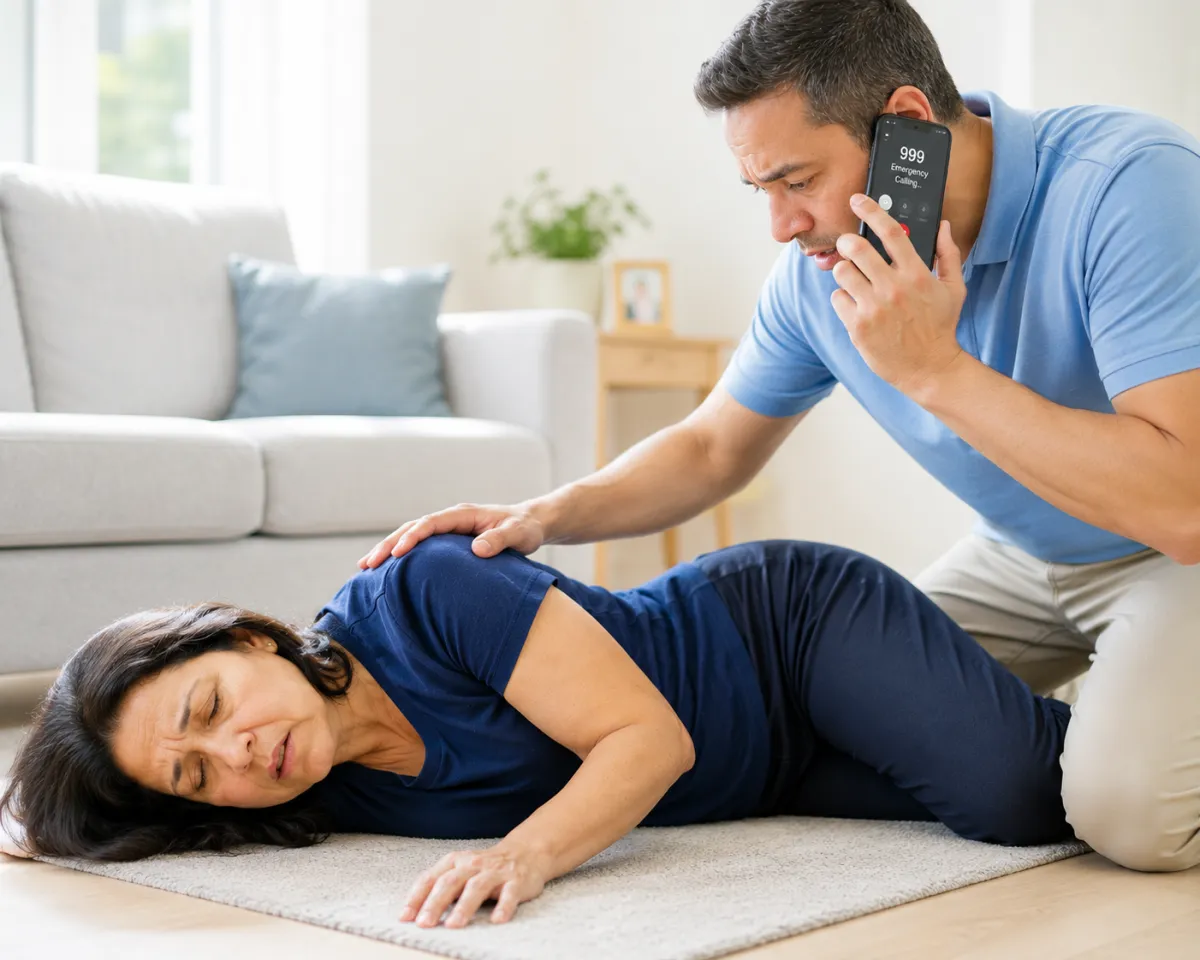
What Should You Do If You Fall?

If you are not injured:
Stay calm.
Take a moment to assess how you feel.
Only try to get up if you feel safe doing so.
If you are injured, unable to get up or think you may have hit your head, seek medical assistance immediately.
If you experience a sudden worsening of your stroke symptoms, call your local emergency services immediately.
✦ ✦ ✦

My Perspective

After my stroke, falling wasn't just something I worried about.
It affected my confidence.
I found myself watching every step, scanning the ground and thinking far more about walking than I ever had before.
Over time, as my strength, balance and walking improved, that confidence slowly returned.
I learned that confidence doesn't come from hoping you won't fall.
It comes from practising safely until your brain begins to trust your body again.
Those small improvements gradually make everyday walking feel more natural.
✦ ✦ ✦

Frequently Asked Questions

Are falls common after a stroke?

Yes.
Falls are one of the most common complications after stroke because balance, strength, sensation and walking can all be affected.
✦ ✦ ✦

Will my risk of falling improve?

For many people, yes.
As rehabilitation progresses and strength, balance and confidence improve, the risk of falling often decreases.
✦ ✦ ✦

Should I stop walking if I'm worried about falling?

No.
Avoiding walking altogether can lead to further weakness and reduced confidence.
Instead, work with your rehabilitation team to find the safest way to continue practising.
✦ ✦ ✦

Can falls be prevented completely?

Not always.
However, many falls can be prevented by improving balance, removing hazards, wearing supportive footwear and following a personalised rehabilitation programme.
✦ ✦ ✦

Key Takeaways

✓ Falls are common after stroke but are often preventable.
✓ Balance, weakness, fatigue and foot drop all increase falls risk.
✓ Physiotherapy and regular practice improve safety and confidence.
✓ Small changes at home can significantly reduce your risk.
✓ Confidence usually grows as strength and balance improve.
✦ ✦ ✦

Related Articles

  • Balance Problems After a Stroke

  • Walking After a Stroke

  • Foot Drop After a Stroke

  • Leg Weakness After a Stroke

  • Dizziness After a Stroke

✦ ✦ ✦

About the Author

Alisia Gayle is a stroke survivor who achieved 96% neurological recovery following an ischaemic stroke.
After years of rehabilitation, she now shares practical, evidence-informed resources to help stroke survivors, carers and families better understand recovery and rebuild their lives with confidence.
Alisia is also the author of
Brain Damage: My Journey to 96% Recovery, where she shares her personal stroke recovery story and the lessons she learned throughout her rehabilitation.
✦ ✦ ✦

Medical Disclaimer

This article is intended for educational purposes only and should not replace professional medical advice, diagnosis or treatment.
Always seek advice from your doctor, physiotherapist or rehabilitation team regarding symptoms, concerns or changes in your condition.

✦ ✦ ✦

Final Thoughts

A fall can shake your confidence.
But it doesn't have to stop your recovery.
Every safe step you practise...
Every balance exercise you complete...
Every bit of confidence you regain...
Helps you move forward.
Recovery isn't about never falling.
It's about becoming stronger, safer and more confident with every step you take.

blog author avatar
Stroke Survivor and Author
Back to Blog

What you’ll learn

Why sitting balance can be affected after a stroke

Common problems people notice day to day

Simple rehabilitation approaches that may help

When changes in balance need medical attention

Why sitting balance matters

Sitting balance is often one of the foundations for standing, walking and everyday activities. After a stroke, some people find it difficult to sit upright without support, lean to one side, or feel unsteady when reaching.

The good news

Sitting balance often improves with rehabilitation, practice and time. Even small improvements can support confidence and independence.

Why can balance change after a stroke?

A stroke may affect several systems that help you stay upright, including strength, coordination, sensation, body awareness and balance control.

Strength

Trunk muscles may become weaker or slower to respond.

Coordination

Movements may feel less automatic or less controlled.

Sensation

You may have less feedback about where your body is in space.

Confidence

Fear of falling can make movement feel harder.

Common sitting problems after a stroke

  • Leaning to one side

  • Difficulty sitting upright without support

  • Feeling unstable when reaching

  • Falling or drifting backwards

  • Increased fatigue during longer periods of sitting

Some people may also experience pusher syndrome, where they actively push towards their weaker side. This should be assessed by a rehabilitation professional.

What May Help

Physiotherapy and occupational therapy often work on trunk control, weight shifting, posture, coordination and everyday activities.

Examples of exercises

  • Sitting unsupported for short periods

  • Gentle reaching tasks

  • Weight shifting from side to side

  • Trunk strengthening

  • Practising on different safe surfaces when appropriate

Keep it individual

Exercises should be matched to your own abilities and professional advice.

More detail: posture and positioning

Helpful strategies may include keeping both feet supported, maintaining an upright posture, and using supportive cushions when recommended.

More detail: fatigue and balance

Balance can become worse when you are tired. Regular rest periods and shorter practice sessions may help.

More detail: tips for family and carers

Encourage safe practice, avoid unexpected pulling or pushing, and help maintain good posture while celebrating small improvements.

When should you seek medical advice?

Arrange an appointment with a healthcare professional if sitting balance is worsening, falls are occurring, new weakness develops, or balance problems are significantly affecting daily activities.

Seek urgent medical attention for sudden new weakness, new speech difficulties, sudden confusion or sudden vision changes.

Key takeaways

Sitting balance is commonly affected after stroke.

Weakness, sensation and body awareness can all contribute.

Good sitting balance supports everyday activity and later mobility.

Recovery can continue over months and years.

Frequently asked questions

Is poor sitting balance common after a stroke?

Yes. Many stroke survivors experience difficulty with sitting balance, particularly during earlier stages of recovery.

Will my sitting balance improve?

Many people improve through rehabilitation, ongoing recovery and repeated practice.

Can exercises help?

Targeted exercises can help improve trunk control, balance and confidence when they are appropriate for the individual.

About Alisia

Alisia Gayle is a stroke survivor who achieved 96% neurological recovery following an ischaemic stroke.

After years of rehabilitation, she now shares practical, evidence-informed resources to help stroke survivors, carers and families better understand recovery and rebuild their lives with confidence.

Alisia is also the author of Brain Damage: My Journey to 96% Recovery, where she shares her personal stroke recovery story and the lessons she learned throughout her rehabilitation.

Next articles

Medical disclaimer

This article is intended for educational purposes only and should not replace professional medical advice, diagnosis or treatment.

Always seek advice from your doctor, physiotherapist or rehabilitation team regarding symptoms, concerns or changes in your condition.

Alisia Gayle is a stroke survivor, author, and advocate whose life was transformed in a single, ordinary day.

Contact us

800 1234 5678

FOLLOW US

Copyright 2026. Alisia Gayle | Stroke Recovery Through Lived Experience. All Rights Reserved.