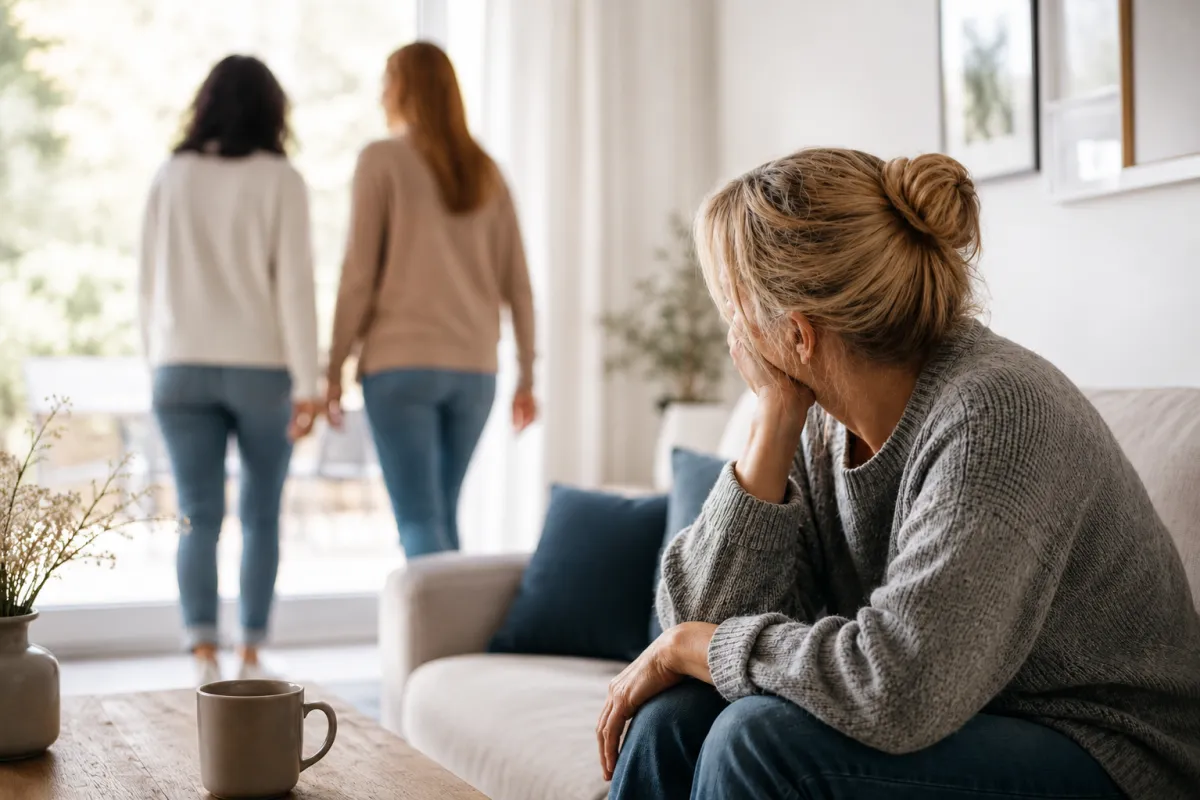
Friendships after stroke can change in ways you never expected. Some friends become an important source of strength, while others slowly disappear. You may feel forgotten, rejected or misunderstood at a time when you need support most. Learn why friendships often change after stroke, how to communicate your needs and how to build meaningful connections during recovery.
After your stroke...
People surround you.
Messages arrive.
Friends ask how you are feeling.
They promise to visit.
They tell you they will always be there.
Then time passes.
The messages become less frequent.
The visits stop.
Invitations disappear.
And you begin wondering...
“Why have my friends abandoned me?”
Or...
“Was the friendship ever real?”
The good news is...
Not every friendship will disappear.
Some relationships become stronger.
Others may need time, honesty and a new way of connecting.
✦ ✦ ✦
The Good News
A stroke can change how you communicate, socialise and participate in everyday life.
But it does not remove your ability to form meaningful relationships.
Friendships after stroke may need:
✓ Greater patience.
✓ Clearer communication.
✓ More flexible plans.
✓ Shorter social activities.
✓ Better understanding of invisible symptoms.
✓ Acceptance that life has changed.
Some friendships may not survive.
But the relationships that remain can become deeper, more honest and more supportive.
✦ ✦ ✦
Why Do Friendships Change After Stroke?
Stroke can affect nearly every part of your life.
You may experience:
✓ Physical disability.
✓ Stroke fatigue.
✓ Communication difficulties.
✓ Memory problems.
✓ Slower thinking.
✓ Anxiety.
✓ Depression.
✓ Emotional changes.
✓ Reduced confidence.
✓ Difficulty travelling.
✓ Sensory overload.
These changes can affect how often you socialise and what activities you can manage.
Friends may not understand why you are behaving differently.
They may assume you are no longer interested.
But the reality may be very different.
✦ ✦ ✦
Invisible Stroke Symptoms
Some stroke symptoms are easy to see.
Others are hidden.
You may look completely recovered while still experiencing:
✓ Severe fatigue.
✓ Difficulty concentrating.
✓ Memory problems.
✓ Word-finding difficulties.
✓ Anxiety.
✓ Headaches.
✓ Sensitivity to noise.
✓ Slower processing.
✓ Emotional exhaustion.
Friends may see that you can walk and speak.
They may assume everything is back to normal.
But appearing well does not mean you have fully recovered.
Invisible symptoms can make socialising difficult even when other people cannot see why.
✦ ✦ ✦
Stroke Fatigue and Friendships
Stroke fatigue is not ordinary tiredness.
It may arrive suddenly.
You may feel well in the morning and completely exhausted by the afternoon.
Socialising may require energy for:
✓ Getting dressed.
✓ Travelling.
✓ Following conversations.
✓ Processing noise.
✓ Remembering information.
✓ Managing emotions.
✓ Staying focused.
✓ Returning home safely.
You may cancel plans because your body and brain cannot manage them.
Friends may only see the cancellation.
They may not understand the physical and mental effort behind it.
✦ ✦ ✦
Why Friends May Stop Inviting You
Friends may stop inviting you because:
✓ You have declined several invitations.
✓ They assume you need rest.
✓ They think the activity is unsuitable.
✓ They do not know how to include you.
✓ They are worried about making you uncomfortable.
✓ They believe you are no longer interested.
✓ They do not understand your limitations.
Some people may think they are protecting you.
Others may simply stop making the effort.
Tell trusted friends that you still want to be included.
You can decide whether you are able to attend.
✦ ✦ ✦
Communication Problems After Stroke
Stroke may affect your ability to speak, understand or follow conversation.
You may experience:
✓ Aphasia.
✓ Dysarthria.
✓ Word-finding difficulties.
✓ Slower processing.
✓ Difficulty following group conversations.
✓ Problems understanding humour or sarcasm.
✓ Difficulty expressing emotions.
You may know exactly what you want to say.
But the words may not come quickly.
Conversations can become exhausting.
Some friends may become impatient.
Others may speak over you or finish your sentences.
Supportive friends will give you time.
✦ ✦ ✦
Feeling Left Behind
After your stroke...
Your life may stop.
But everyone else’s life continues.
Friends return to work.
Go on holiday.
Attend social events.
Celebrate milestones.
Make plans.
You may be focused on learning how to walk, speak, use your hand or manage fatigue.
Watching other people continue normally can feel painful.
You may feel forgotten.
Or resentful.
Or disconnected from the life you once shared.
These feelings do not make you selfish.
They reflect the scale of what has changed.
✦ ✦ ✦
Your Old Social Life May No Longer Fit
Before your stroke, friendships may have centred around:
✓ Work.
✓ Exercise.
✓ Nights out.
✓ Restaurants.
✓ Travel.
✓ Shopping.
✓ Parenting.
✓ Hobbies.
✓ Community events.
✓ Spontaneous plans.
After stroke, some of these activities may become difficult.
You may need:
✓ Accessible venues.
✓ Quieter locations.
✓ Shorter meetings.
✓ Earlier finishing times.
✓ Somewhere to sit.
✓ More notice.
✓ Transport support.
✓ Recovery time afterwards.
The friendship may need a new structure.
Without one, it may slowly fade.
✦ ✦ ✦
Why Some Friends Disappear
Some friends disappear because they feel uncomfortable.
They may not know what to say.
They may worry about upsetting you.
They may feel helpless.
They may assume your family is supporting you.
They may believe you need space.
But some friendships disappear for a harder reason.
The relationship may have depended on what you provided.
Your time.
Your energy.
Your emotional support.
Your humour.
Your availability.
Your practical help.
When you can no longer provide those things, the friendship may weaken.
Stroke does not always destroy friendships.
Sometimes it reveals what was already there.
✦ ✦ ✦
Friends Who Do Not Know What to Say
Serious illness can make people uncomfortable.
A friend may wonder:
✓ Should I ask about the stroke?
✓ Should I avoid mentioning it?
✓ Will I upset them?
✓ Should I behave normally?
✓ Do they want visitors?
✓ What if I say the wrong thing?
Some people respond to uncertainty by staying away.
This does not always mean they do not care.
But care without action may still leave you feeling alone.
A genuine friendship usually requires someone to move beyond discomfort and make contact.
✦ ✦ ✦
Changes in Personality and Emotions
Stroke can affect emotions, behaviour and personality.
You may become:
✓ More irritable.
✓ More anxious.
✓ More tearful.
✓ Less patient.
✓ More withdrawn.
✓ More emotionally sensitive.
✓ More direct.
✓ Less tolerant of one-sided relationships.
These changes may result from brain injury.
They may also reflect trauma, grief and exhaustion.
Friends may struggle to understand the person you are becoming.
You may also realise that you no longer want the same relationships you had before.
✦ ✦ ✦
Have You Withdrawn From Friends?
Sometimes friends move away.
But sometimes the stroke survivor withdraws first.
You may avoid social contact because:
✓ You feel embarrassed.
✓ You are worried about your speech.
✓ You do not want people to see your disability.
✓ You are afraid of being pitied.
✓ You feel exhausted.
✓ You have lost confidence.
✓ You cannot manage busy environments.
✓ You feel different from everyone else.
Withdrawal may feel safer.
But long-term isolation can make returning to social situations more difficult.
Start with one trusted person.
In a familiar place.
For a short period.
✦ ✦ ✦
How to Explain Stroke Fatigue
Friends may understand tiredness.
But they may not understand stroke fatigue.
You could say:
“My brain uses more energy to complete everyday tasks since my stroke.”
Or...
“I still want to see you, but long outings can leave me exhausted for several days.”
Or...
“My energy changes quickly, so I may need to cancel at short notice.”
Or...
“Shorter plans are easier for me than spending an entire day out.”
You do not need to apologise for having a neurological injury.
But clear explanations can reduce misunderstanding.
✦ ✦ ✦
How to Explain Invisible Symptoms
You might say:
“I know I look well, but I still experience symptoms that are not visible.”
Or...
“Busy places are difficult because my brain struggles to process everything happening around me.”
Or...
“I need longer to follow conversations, especially when several people are talking.”
Or...
“I may seem quiet, but that does not mean I am not interested.”
Good friends may not understand immediately.
But they should be willing to listen.
✦ ✦ ✦
How Friends Can Help
Support does not require grand gestures.
Friends can help by:
✓ Sending a message.
✓ Continuing to invite you.
✓ Accepting that you may cancel.
✓ Suggesting quieter activities.
✓ Visiting you at home.
✓ Giving you time to speak.
✓ Avoiding rushing you.
✓ Asking what support you need.
✓ Learning about stroke fatigue.
✓ Treating you like an adult.
✓ Celebrating your progress.
✓ Remaining consistent.
Small acts of reliability can matter more than dramatic promises.
✦ ✦ ✦
What Supportive Friendship Looks Like
A supportive friend may not always know what to say.
But they usually show willingness.
They may:
✓ Listen without interrupting.
✓ Respect your limits.
✓ Adapt plans.
✓ Check in without pressuring you.
✓ Avoid comparing your recovery.
✓ Speak directly to you.
✓ Include you in conversations.
✓ Accept that recovery fluctuates.
✓ Ask before helping.
✓ Encourage independence.
They do not need to understand everything.
But they should be willing to try.
✦ ✦ ✦
Should You Confront a Friend Who Disappeared?
It may help to have one honest conversation.
You could say:
“We have had much less contact since my stroke, and I have found that difficult.”
Or...
“I still value our friendship, but I feel that we have become distant.”
Or...
“I wanted to ask whether something has changed between us.”
Avoid beginning with accusations.
Explain what you have observed.
Then listen to the response.
What happens afterwards matters more than what is promised during the conversation.
✦ ✦ ✦
Words Versus Actions
A friend may say:
“I have been meaning to contact you.”
“I have just been busy.”
“You know I care.”
“We should meet soon.”
These words may be sincere.
But a friendship cannot survive indefinitely on intentions.
Look at the pattern.
Do they contact you?
Do they make plans?
Do they follow through?
Do they show interest?
Do they make reasonable adjustments?
Repeated behaviour provides more information than occasional promises.
✦ ✦ ✦
You Are Allowed to Stop Chasing People
Recovery requires energy.
You may not have enough energy to repeatedly contact people who give little in return.
Friendship does not need to be perfectly equal every day.
Sometimes one person will need more support.
But a long-term friendship should contain effort from both people.
You are allowed to step back.
You do not need to argue.
Or announce that the friendship is over.
You can stop carrying the entire relationship and observe what remains.
✦ ✦ ✦
Setting Boundaries After Stroke
Stroke may change what you are willing to tolerate.
You may need boundaries around:
✓ Visiting times.
✓ Length of social activities.
✓ Noise.
✓ Alcohol.
✓ Physical assistance.
✓ Questions about your health.
✓ Unwanted advice.
✓ Last-minute plans.
✓ Emotional demands.
✓ People who drain your limited energy.
Boundaries are not punishment.
They help protect your recovery.
✦ ✦ ✦
How to Make Socialising Easier
You do not need to return immediately to your old social life.
Try:
✓ Meeting one person at a time.
✓ Choosing a quiet café.
✓ Meeting close to home.
✓ Limiting the meeting to 30 or 60 minutes.
✓ Arranging your own transport.
✓ Sitting away from noise.
✓ Planning rest afterwards.
✓ Avoiding several social events in one week.
✓ Explaining your limits beforehand.
✓ Leaving before you become exhausted.
The goal is connection.
Not proving that you have recovered.
✦ ✦ ✦
Continue Inviting Me
Repeatedly declining invitations can make friends assume you no longer want to attend.
You may need to say:
“Please keep inviting me, even if I cannot always come.”
Or...
“Saying no this time does not mean I do not want to be included.”
Or...
“I may need shorter or quieter plans, but I still want to see you.”
Being included gives you choice.
Being excluded removes it.
✦ ✦ ✦
Different Ways to Stay Connected
Friendship does not always require long face-to-face meetings.
You can stay connected through:
✓ Text messages.
✓ Voice notes.
✓ Short phone calls.
✓ Video calls.
✓ Brief home visits.
✓ Watching the same programme.
✓ Sharing photographs.
✓ Online games.
✓ Sitting together quietly.
✓ Short walks.
✓ Meeting for coffee.
Connection can be simple.
It does not need to be exhausting.
✦ ✦ ✦
What If You No Longer Enjoy Old Friendships?
Stroke may change your priorities.
You may no longer enjoy:
✓ Loud environments.
✓ Heavy drinking.
✓ Late nights.
✓ Gossip.
✓ Superficial conversation.
✓ One-sided relationships.
✓ Constant social pressure.
You may prefer quieter and more meaningful connections.
This does not mean something is wrong with you.
But avoid ending every friendship during a difficult period of recovery.
Fatigue, depression and grief can temporarily change how you feel about other people.
Give yourself time to understand what has genuinely changed.
✦ ✦ ✦
Making New Friends After Stroke
Making new friends as an adult can be difficult.
But new relationships are possible.
You may meet people through:
✓ Stroke support groups.
✓ Online communities.
✓ Rehabilitation classes.
✓ Adaptive exercise groups.
✓ Volunteering.
✓ Community centres.
✓ Faith groups.
✓ Creative classes.
✓ Book groups.
✓ Disability organisations.
✓ Parenting communities.
You do not need to limit yourself to friendships with other stroke survivors.
But meeting people who understand stroke can reduce the need to explain everything.
✦ ✦ ✦
Stroke Support Groups
Stroke support groups may provide:
✓ Shared understanding.
✓ Emotional support.
✓ Practical advice.
✓ Social activities.
✓ Information about recovery.
✓ Opportunities to meet other survivors.
✓ Support for carers and families.
Not every group will suit you.
Some may focus heavily on disability.
Others may feel hopeful and practical.
Try different groups until you find one that fits your needs.
✦ ✦ ✦
Online Friendships After Stroke
Online communities can help when travelling or socialising is difficult.
They may allow you to:
✓ Connect from home.
✓ Communicate at your own pace.
✓ Meet other survivors.
✓ Share experiences.
✓ Ask questions.
✓ Find encouragement.
✓ Feel less alone.
But online spaces vary in quality.
Be cautious of:
✓ Unqualified medical advice.
✓ Recovery comparisons.
✓ Miracle cure claims.
✓ Constant negativity.
✓ Pressure to share private information.
Choose communities that support recovery without spreading fear or misinformation.
✦ ✦ ✦
Loneliness After Stroke
Loneliness is not only about being physically alone.
You may feel lonely even when surrounded by people.
This can happen when:
✓ Nobody understands your experience.
✓ Conversations move too quickly.
✓ You feel different from everyone else.
✓ Your old role has changed.
✓ You cannot participate fully.
✓ People focus only on your disability.
✓ You feel emotionally disconnected.
Loneliness after stroke can affect mental health and quality of life.
It should not be dismissed as something you simply have to tolerate.
✦ ✦ ✦
When Loneliness Becomes a Concern
Speak to your doctor or stroke team if you experience:
✓ Persistent sadness.
✓ Hopelessness.
✓ Loss of interest.
✓ Severe anxiety.
✓ Major changes in sleep.
✓ Changes in appetite.
✓ Feelings of worthlessness.
✓ Increasing withdrawal.
✓ Thoughts that life is not worth living.
✓ Thoughts of harming yourself.
Depression and anxiety can occur after stroke.
They are medical problems.
Not personal failures.
Support and treatment are available.
✦ ✦ ✦
Can Friendships Recover?
Some friendships can recover.
But they may not return to exactly how they were before.
The relationship may need:
✓ More honest communication.
✓ Different activities.
✓ Greater flexibility.
✓ Realistic expectations.
✓ Patience.
✓ Time.
✓ Effort from both people.
Strong friendships often survive by adapting.
Not by pretending nothing has changed.
✦ ✦ ✦
How Long Should You Give a Friendship?
There is no fixed timeline.
People may need time to adjust.
You may also need time to understand your new limitations and needs.
Consider:
✓ Whether the person makes any effort.
✓ Whether they listen when you explain.
✓ Whether they respect your boundaries.
✓ Whether they follow through.
✓ Whether the relationship still feels mutual.
✓ Whether contact supports or drains you.
One disappointing moment does not define an entire friendship.
But repeated neglect provides useful information.
✦ ✦ ✦
Friendship and Identity After Stroke
Before your stroke...
You may have been:
✓ The organiser.
✓ The dependable friend.
✓ The person who helped everyone.
✓ The driver.
✓ The listener.
✓ The funny one.
✓ The strong one.
After stroke, you may need support instead.
This role reversal can feel uncomfortable.
Some friends may struggle with it.
You may struggle too.
But needing help does not make you weak.
And being unable to perform your old role does not make you less valuable.
✦ ✦ ✦
You Are More Than Your Stroke
Friends may begin to focus entirely on your recovery.
Every conversation may start with:
“How are you feeling?”
“How is your walking?”
“Are you back at work?”
“Are you better now?”
Concern can be appreciated.
But you are still a complete person.
You may also want to talk about:
✓ Family.
✓ Work.
✓ Television.
✓ Books.
✓ Plans.
✓ Ideas.
✓ Other people.
✓ Ordinary life.
Friendship should make room for your stroke without allowing it to become your entire identity.
✦ ✦ ✦
What Can Family Members Do?
Family members can support friendships by:
✓ Helping arrange transport.
✓ Hosting short visits.
✓ Explaining fatigue when appropriate.
✓ Encouraging safe social contact.
✓ Avoiding speaking for you.
✓ Helping identify accessible venues.
✓ Supporting communication.
✓ Giving you privacy with friends.
✓ Avoiding taking control of your social life.
Support should make connection easier.
Not remove your independence.
✦ ✦ ✦
When Should You Seek Professional Support?
Consider seeking support if:
✓ You have stopped seeing everyone.
✓ Anxiety prevents you leaving home.
✓ You feel unable to communicate.
✓ Loneliness is affecting your wellbeing.
✓ Depression is worsening.
✓ Emotional changes are damaging relationships.
✓ You feel overwhelmed by social situations.
✓ You are struggling to adjust to your new identity.
Support may involve:
✓ Your GP.
✓ Stroke nurses.
✓ Psychologists.
✓ Counsellors.
✓ Occupational therapists.
✓ Speech and language therapists.
✓ Stroke support organisations.
You do not need to manage social recovery alone.
✦ ✦ ✦
My Perspective
After a stroke...
You may learn that some people were connected to your old life.
Not necessarily to you.
When your energy changes...
Your independence changes...
Your availability changes...
The friendship may change too.
Some people may surprise you by staying.
Others may disappear when supporting you becomes inconvenient.
That loss can hurt.
But another person’s absence does not determine your worth.
You are not less deserving of friendship because you need patience.
Or flexibility.
Or understanding.
The aim is not to force every old relationship to survive.
It is to recognise which relationships can adapt.
To stop exhausting yourself chasing those that cannot.
And to remain open to the people who are willing to meet you where you are now.
✦ ✦ ✦
Frequently Asked Questions
Is it normal to lose friends after a stroke?
Yes.
Many stroke survivors experience changes in friendships because of fatigue, disability, communication difficulties, lifestyle changes and reduced social participation.
✦ ✦ ✦
Why have my friends stopped contacting me?
They may feel uncomfortable, believe you need space or assume you are no longer interested.
Some may also be unwilling to adapt to your changed needs.
✦ ✦ ✦
Should I tell friends about invisible symptoms?
You do not have to share private medical information.
But explaining fatigue, sensory overload or slower processing may help trusted friends understand your needs.
✦ ✦ ✦
Should friends continue inviting me?
Yes.
Tell them that you still want to be included even if you sometimes have to decline.
✦ ✦ ✦
Can friendships return to normal?
Some can.
But they may need different activities, shorter meetings, greater flexibility and clearer communication.
✦ ✦ ✦
How do I know if a friendship is worth saving?
Look at the long-term pattern.
Consider whether the person listens, respects your boundaries, makes an effort and follows through.
✦ ✦ ✦
Is it selfish to cancel plans because of fatigue?
No.
Protecting your health is not selfish.
Communicate as early as possible and suggest another arrangement when you are able.
✦ ✦ ✦
Where can I meet new people after stroke?
You may meet people through stroke groups, online communities, rehabilitation classes, volunteering, hobbies and local community organisations.
✦ ✦ ✦
Key Takeaways
✓ Friendships often change after stroke because your abilities, energy and lifestyle may change.
✓ Invisible symptoms can be difficult for friends to understand.
✓ Some people withdraw because they feel uncomfortable or do not know what to say.
✓ Clear communication gives strong friendships a better chance of adapting.
✓ You are allowed to stop chasing one-sided relationships.
✓ Shorter and quieter social activities may be easier to manage.
✓ New friendships and meaningful connections remain possible.
✓ Persistent loneliness, anxiety or depression should be discussed with a healthcare professional.
✦ ✦ ✦
Related Articles
Continue learning about emotional and social recovery after stroke with these helpful guides:
Loneliness and Social Isolation After Stroke – Learn why isolation occurs and how to reconnect with others.
Personality Changes After Stroke – Understand why emotions, behaviour and relationships may change.
Depression After Stroke – Learn how to recognise depression and where to find support.
Stroke Fatigue – Understand why ordinary activities can leave you completely exhausted.
Communication Problems After Stroke – Learn how speech and language changes can affect daily life and relationships.
✦ ✦ ✦
About the Author
Alisia Gayle is a stroke survivor who achieved 96% neurological recovery following an ischaemic stroke.
After years of rehabilitation, she now shares practical, evidence-informed resources to help stroke survivors, carers and families better understand recovery and rebuild their lives with confidence.
Alisia is also the author of Brain Damage: My Journey to 96% Recovery, where she shares her personal stroke recovery story and the lessons she learned throughout her rehabilitation.
✦ ✦ ✦
Medical Disclaimer
This article is intended for educational purposes only and should not replace professional medical advice, diagnosis or treatment.
Always seek advice from your doctor, stroke team, psychologist, counsellor or another qualified healthcare professional if loneliness, anxiety, depression or relationship difficulties are affecting your recovery or wellbeing.
✦ ✦ ✦
Final Thoughts
After a stroke...
Some friendships may become quieter.
Some may become stronger.
And some may disappear completely.
You may grieve people you expected to remain in your life.
You may question whether they ever truly cared.
But recovery is not only about rebuilding movement.
Or speech.
Or independence.
It is also about rebuilding your life around people who respect the person you are now.
You cannot force anyone to stay.
But you can communicate clearly.
Protect your energy.
Set boundaries.
And stop measuring your worth by the people who chose not to show up.
Your social world may become smaller for a while.
But it can also become more honest.
More supportive.
And more real.