
MOBILITY & PHYSICAL RECOVERY

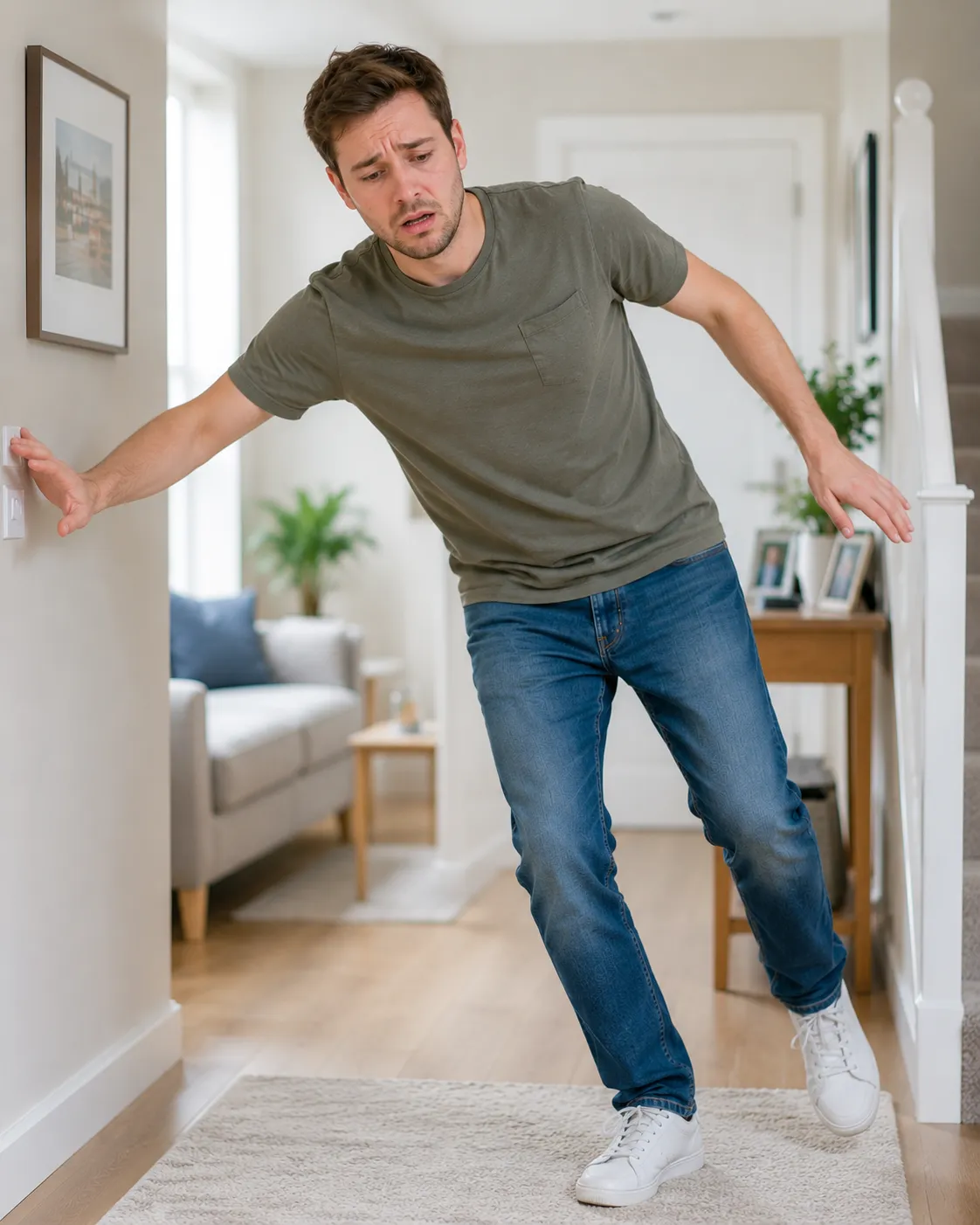
Sitting Balance After a Stroke.

A calmer, easier-to-scan guide to why sitting balance can change after stroke, what may help, and when to seek professional advice.

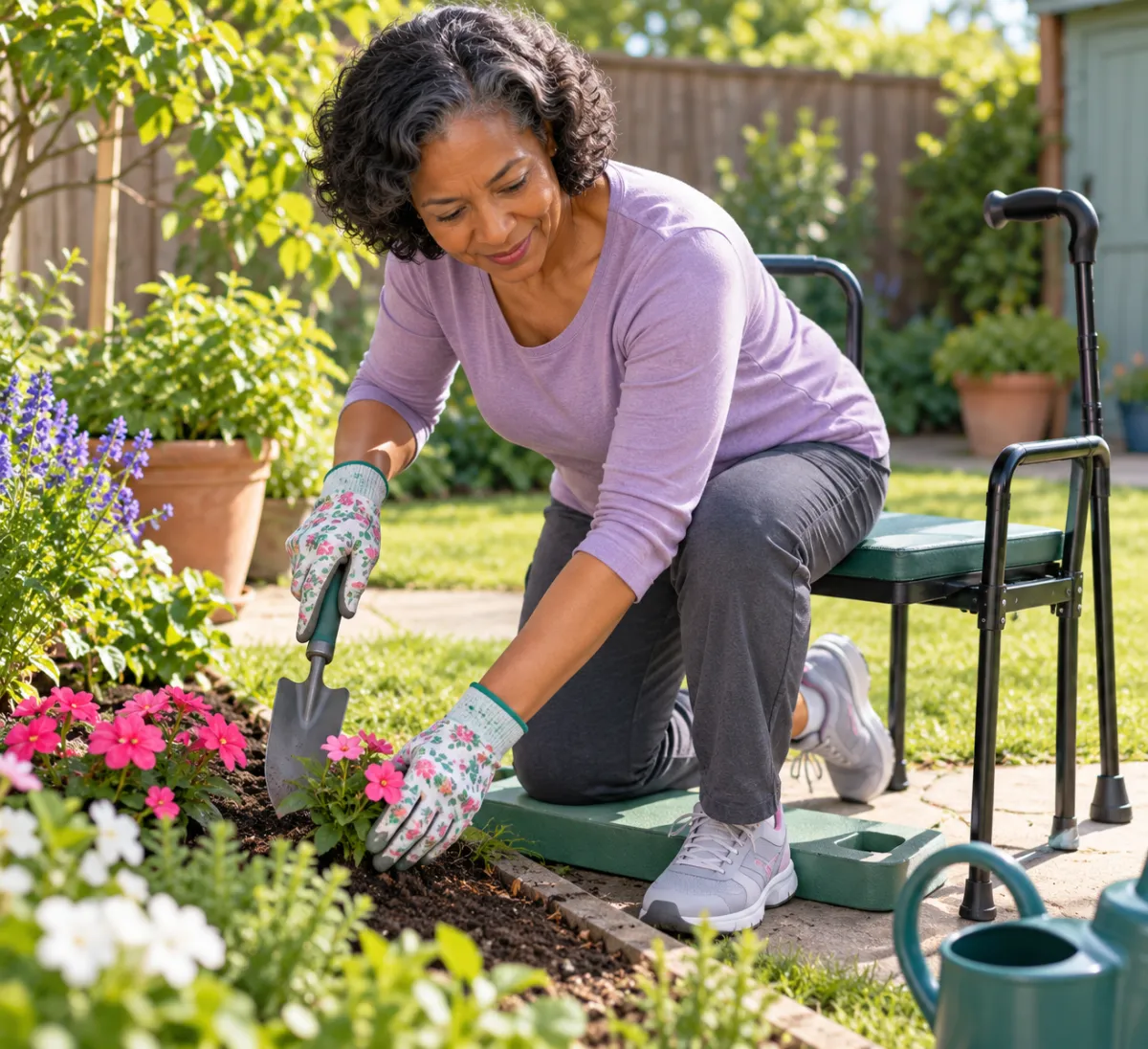
Gardening After a Stroke

Gardening After a Stroke

July 10, 20266 min read

Gardening after a stroke can be a wonderful way to improve physical health, emotional wellbeing and confidence during recovery. Many stroke survivors enjoy returning to gardening because it provides gentle exercise, fresh air and a sense of purpose. However, weakness, balance problems, fatigue and reduced hand function may make gardening more challenging than before. Learn how to return to gardening safely and adapt activities to suit your recovery.

After your stroke...

You look out into your garden.

Perhaps you miss planting flowers.

Pruning shrubs.

Growing vegetables.

Or simply spending time outdoors.

You begin wondering...

"Will I ever be able to garden again?"

"What if I can't do the things I used to do?"

These are questions many stroke survivors ask.

✦ ✦ ✦

The Good News

Many people do return to gardening after a stroke.

Some return to exactly the same activities.

Others make adjustments and discover new ways to enjoy their garden.

Gardening can become an important part of rehabilitation and emotional recovery.

Recovery isn't about doing everything exactly as before...

It's about finding what works for you now.

✦ ✦ ✦

Why Gardening Can Be Beneficial

Gardening offers many physical and emotional benefits.

It may help improve:

✓ Strength.

✓ Balance.

✓ Flexibility.

✓ Hand function.

✓ Endurance.

✓ Mood.

✓ Confidence.

✓ Stress levels.

Many people also find gardening deeply relaxing and rewarding.

✦ ✦ ✦

Challenges You May Experience

Following a stroke, gardening may feel more difficult because of:

✓ Weakness.

✓ Fatigue.

✓ Balance problems.

✓ Foot drop.

✓ Reduced hand coordination.

✓ Stiffness.

✓ Visual problems.

✓ Reduced sensation.

Even simple tasks may require more planning and energy than before.

✦ ✦ ✦

Start Slowly

It is important not to do too much too soon.

Begin with simple activities such as:

✓ Watering plants.

✓ Deadheading flowers.

✓ Potting small plants.

✓ Light weeding.

✓ Sitting outdoors and planning future projects.

Gradually build up your activity levels over time.

✦ ✦ ✦

Fatigue Is Common

Stroke fatigue can significantly affect gardening.

You may notice that:

✓ You tire more quickly.

✓ Tasks take longer.

✓ Your symptoms become worse when tired.

✓ Balance becomes less reliable.

Pacing yourself is essential.

Take regular breaks and listen to your body.

✦ ✦ ✦

Consider Raised Beds and Containers

Raised beds and container gardening may make gardening easier.

They can:

✓ Reduce bending.

✓ Improve safety.

✓ Reduce strain on the back and legs.

✓ Make tasks more accessible.

Small adaptations can make a big difference.

✦ ✦ ✦

Protect Your Balance

Gardens often contain:

✓ Uneven ground.

✓ Slippery surfaces.

✓ Steps.

✓ Hoses and obstacles.

If balance remains affected:

✓ Wear supportive footwear.

✓ Avoid rushing.

✓ Use walking aids if recommended.

✓ Garden with someone nearby initially.

Safety should always come first.

✦ ✦ ✦

Adapt Your Tools

Special gardening equipment may make activities easier.

Helpful adaptations may include:

✓ Lightweight tools.

✓ Long-handled tools.

✓ Ergonomic handles.

✓ Kneeling benches.

✓ Garden stools.

These adaptations may reduce fatigue and improve comfort.

✦ ✦ ✦

Hand Weakness and Gardening

Weakness or numbness in the hand can make gardening difficult.

You may struggle with:

✓ Gripping tools.

✓ Pulling weeds.

✓ Carrying pots.

✓ Pruning.

Practising gentle hand exercises and choosing lightweight equipment may help.

✦ ✦ ✦

Gardening Can Support Rehabilitation

Many gardening tasks involve:

✓ Reaching.

✓ Standing balance.

✓ Weight shifting.

✓ Fine motor skills.

✓ Walking.

This makes gardening a meaningful form of rehabilitation for some stroke survivors.

Activities often feel more enjoyable than traditional exercises.

✦ ✦ ✦

Emotional Benefits of Gardening

Gardening may help improve:

✓ Mood.

✓ Motivation.

✓ Confidence.

✓ Stress management.

✓ Feelings of independence.

Being outdoors and seeing plants grow can provide a tremendous sense of achievement.

✦ ✦ ✦

Avoid Overdoing It

Many stroke survivors feel eager to return to previous activities.

However, trying to do too much can lead to:

✓ Increased fatigue.

✓ Pain.

✓ Greater stiffness.

✓ Reduced enjoyment.

Remember:

Recovery is a marathon, not a sprint.

Small, consistent steps are often best.

✦ ✦ ✦

Tips for Family and Carers

If you're supporting someone returning to gardening:

✓ Encourage regular breaks.

✓ Help make the garden safer.

✓ Assist with heavy tasks.

✓ Celebrate small achievements.

✓ Encourage independence wherever possible.

Sometimes simply gardening together can be incredibly enjoyable.

✦ ✦ ✦

When Should You Seek Medical Advice?

Arrange an appointment with your healthcare professional if:

✓ Gardening causes significant pain.

✓ Balance problems are worsening.

✓ You are experiencing frequent falls.

✓ Fatigue becomes overwhelming.

✓ Hand or arm problems are limiting your activities.

Seek urgent medical attention immediately if you develop:

✓ Sudden new weakness.

✓ New numbness.

✓ Sudden vision changes.

✓ Slurred speech.

✓ Severe dizziness.

These could be signs of another stroke or another medical emergency.

✦ ✦ ✦

My Perspective

One of the difficult parts of stroke recovery is feeling disconnected from the activities you once loved.

Gardening isn't simply about plants.

It's about purpose.

Routine.

Achievement.

And enjoying the simple pleasure of being outdoors.

You may not garden in exactly the same way as before.

You may need more breaks.

Different tools.

Or smaller goals.

But that doesn't mean gardening is over.

Sometimes recovery is about adapting...

Not giving up.

✦ ✦ ✦

Frequently Asked Questions

Can Gardening Help Stroke Recovery?

Yes.

Gardening can provide gentle physical activity and support emotional wellbeing.

✦ ✦ ✦

When Can I Start Gardening Again?

This depends on your recovery and abilities.

Many people begin with light activities and gradually increase what they do.

✦ ✦ ✦

What If I Have Poor Balance?

Consider raised beds, supportive footwear and gardening with someone nearby until your confidence improves.

✦ ✦ ✦

Is Gardening Good for Mental Health?

Yes.

Many people find gardening relaxing and beneficial for mood and confidence.

✦ ✦ ✦

Key Takeaways

✓ Many people successfully return to gardening after a stroke.

✓ Gardening can support physical and emotional recovery.

✓ Start slowly and pace yourself.

✓ Adaptations such as raised beds and lightweight tools may help.

✓ Fatigue and balance problems should be carefully managed.

✓ Gardening can provide a sense of purpose and enjoyment during recovery.

✦ ✦ ✦

Related Articles

Continue learning about returning to hobbies and activities after stroke with these helpful guides:

  • Walking on Uneven Ground After a Stroke

  • Balance Problems After a Stroke

  • Fatigue After a Stroke

  • Fine Motor Skills After a Stroke

  • Can You Fully Recover From a Stroke?

✦ ✦ ✦

Final Thoughts

Gardening after a stroke may look different than it once did.

But different doesn't mean impossible.

Every flower planted...

Every seed sown...

Every moment spent outdoors...

Can become part of your recovery journey.

Be patient with yourself.

Adapt where needed.

And remember that sometimes the smallest signs of growth...

Both in the garden and within yourself...

Can be the most meaningful of all.

blog author avatar
Stroke Survivor and Author
Back to Blog

What you’ll learn

Why sitting balance can be affected after a stroke

Common problems people notice day to day

Simple rehabilitation approaches that may help

When changes in balance need medical attention

Why sitting balance matters

Sitting balance is often one of the foundations for standing, walking and everyday activities. After a stroke, some people find it difficult to sit upright without support, lean to one side, or feel unsteady when reaching.

The good news

Sitting balance often improves with rehabilitation, practice and time. Even small improvements can support confidence and independence.

Why can balance change after a stroke?

A stroke may affect several systems that help you stay upright, including strength, coordination, sensation, body awareness and balance control.

Strength

Trunk muscles may become weaker or slower to respond.

Coordination

Movements may feel less automatic or less controlled.

Sensation

You may have less feedback about where your body is in space.

Confidence

Fear of falling can make movement feel harder.

Common sitting problems after a stroke

  • Leaning to one side

  • Difficulty sitting upright without support

  • Feeling unstable when reaching

  • Falling or drifting backwards

  • Increased fatigue during longer periods of sitting

Some people may also experience pusher syndrome, where they actively push towards their weaker side. This should be assessed by a rehabilitation professional.

What May Help

Physiotherapy and occupational therapy often work on trunk control, weight shifting, posture, coordination and everyday activities.

Examples of exercises

  • Sitting unsupported for short periods

  • Gentle reaching tasks

  • Weight shifting from side to side

  • Trunk strengthening

  • Practising on different safe surfaces when appropriate

Keep it individual

Exercises should be matched to your own abilities and professional advice.

More detail: posture and positioning

Helpful strategies may include keeping both feet supported, maintaining an upright posture, and using supportive cushions when recommended.

More detail: fatigue and balance

Balance can become worse when you are tired. Regular rest periods and shorter practice sessions may help.

More detail: tips for family and carers

Encourage safe practice, avoid unexpected pulling or pushing, and help maintain good posture while celebrating small improvements.

When should you seek medical advice?

Arrange an appointment with a healthcare professional if sitting balance is worsening, falls are occurring, new weakness develops, or balance problems are significantly affecting daily activities.

Seek urgent medical attention for sudden new weakness, new speech difficulties, sudden confusion or sudden vision changes.

Key takeaways

Sitting balance is commonly affected after stroke.

Weakness, sensation and body awareness can all contribute.

Good sitting balance supports everyday activity and later mobility.

Recovery can continue over months and years.

Frequently asked questions

Is poor sitting balance common after a stroke?

Yes. Many stroke survivors experience difficulty with sitting balance, particularly during earlier stages of recovery.

Will my sitting balance improve?

Many people improve through rehabilitation, ongoing recovery and repeated practice.

Can exercises help?

Targeted exercises can help improve trunk control, balance and confidence when they are appropriate for the individual.

About Alisia

Alisia Gayle is a stroke survivor who achieved 96% neurological recovery following an ischaemic stroke.

After years of rehabilitation, she now shares practical, evidence-informed resources to help stroke survivors, carers and families better understand recovery and rebuild their lives with confidence.

Alisia is also the author of Brain Damage: My Journey to 96% Recovery, where she shares her personal stroke recovery story and the lessons she learned throughout her rehabilitation.

Next articles

Medical disclaimer

This article is intended for educational purposes only and should not replace professional medical advice, diagnosis or treatment.

Always seek advice from your doctor, physiotherapist or rehabilitation team regarding symptoms, concerns or changes in your condition.

Alisia Gayle is a stroke survivor, author, and advocate whose life was transformed in a single, ordinary day.

Contact us

800 1234 5678

FOLLOW US

Copyright 2026. Alisia Gayle | Stroke Recovery Through Lived Experience. All Rights Reserved.