
MOBILITY & PHYSICAL RECOVERY

Sitting Balance After a Stroke.

A calmer, easier-to-scan guide to why sitting balance can change after stroke, what may help, and when to seek professional advice.

Lorem ipsum dolor sit amet, consectetur adipiscing elit.

Hallucinations After a Stroke

July 01, 20267 min read

Hallucinations after a stroke can be frightening, but they are more common than many people realise. Some people see, hear or feel things that are not there because the stroke has affected how the brain processes information. Learn why hallucinations can occur after a stroke, when they require medical attention, and what treatments may help.

After your stroke...

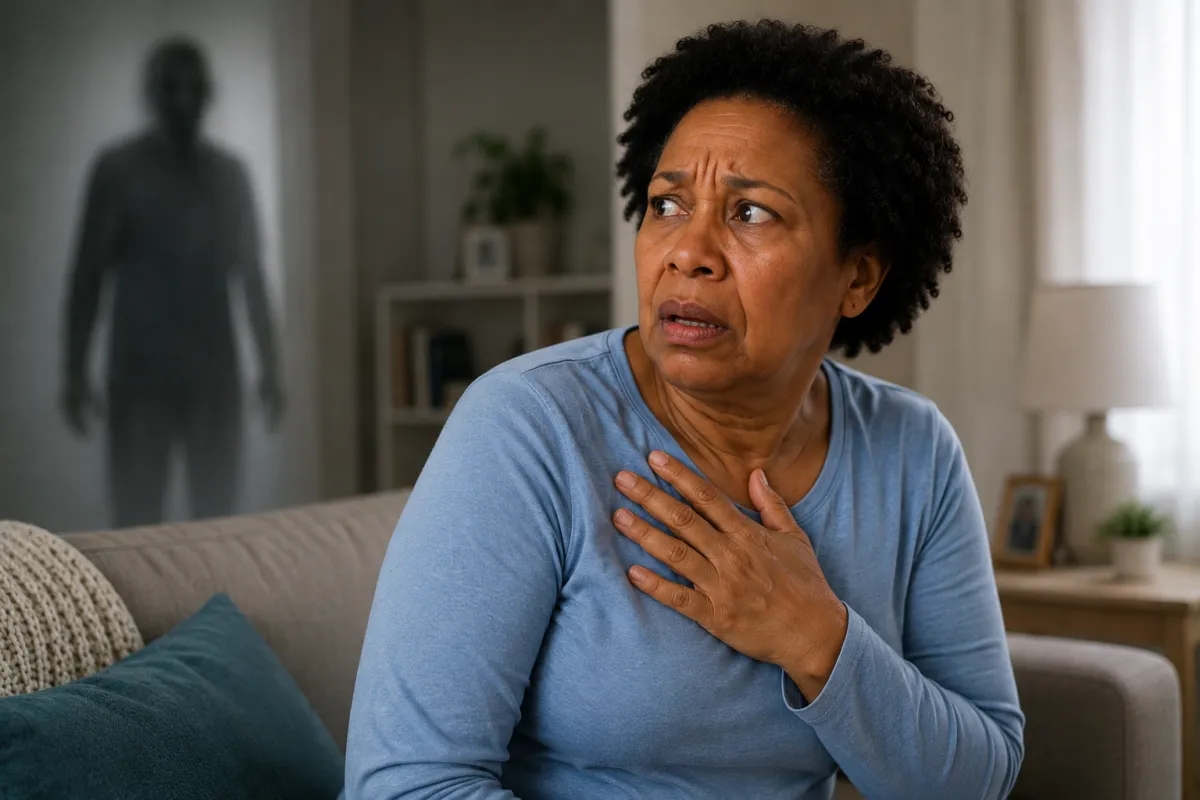
You think you see someone standing in the room.

You turn...

No one is there.

You hear a voice calling your name.

You notice animals, people or objects that disappear moments later.

You begin wondering...

"Am I losing my mind?"

For many stroke survivors...

The answer is no.

Hallucinations can sometimes occur because the brain has been injured by the stroke.

✦ ✦ ✦

The Good News

Hallucinations after a stroke are often temporary.

Many improve as the brain heals.

Others become less frequent with medical treatment, rehabilitation or by managing the underlying cause.

Experiencing hallucinations does not necessarily mean you have dementia or a serious mental illness.

✦ ✦ ✦

Can a Stroke Cause Hallucinations?

Yes.

Although they are less common than weakness or speech problems, hallucinations can occur after a stroke.

They happen because the stroke affects how the brain processes information.

The brain may create images, sounds or sensations that seem completely real, even though they are not actually present.

✦ ✦ ✦

What Are Hallucinations?

A hallucination is sensing something that isn't actually there.

They may involve:

✓ Seeing things.

✓ Hearing voices or sounds.

✓ Feeling sensations on the skin.

✓ Smelling unusual odours.

✓ Tasting something unusual.

Visual hallucinations are the most common type after a stroke.

✦ ✦ ✦

Why Do Hallucinations Happen After a Stroke?

Several factors may contribute.

Damage to the Brain

A stroke can damage areas responsible for processing vision, hearing or other sensory information.

As a result, the brain may misinterpret or create sensory experiences.

✦ ✦ ✦

Vision Problems

People with significant vision loss after a stroke may occasionally experience vivid visual hallucinations because the brain receives less visual information.

This is sometimes known as Charles Bonnet syndrome.

The hallucinations are caused by the brain—not by a mental illness.

✦ ✦ ✦

Medication

Some medications may occasionally contribute to hallucinations as a side effect.

If symptoms begin after starting a new medication, speak with your doctor.

Never stop prescribed medication without medical advice.

✦ ✦ ✦

Infection or Illness

Urinary tract infections, chest infections, dehydration or other illnesses can sometimes cause confusion and hallucinations, particularly in older adults.

These conditions require prompt medical assessment.

✦ ✦ ✦

Sleep Problems

Poor sleep, sleep deprivation or severe fatigue may increase the likelihood of hallucinations in some people.

✦ ✦ ✦

What Do Stroke Hallucinations Look Like?

Everyone's experience is different.

Some people report seeing:

✓ People.

✓ Animals.

✓ Children.

✓ Faces.

✓ Shapes.

✓ Patterns.

Others may hear sounds or voices.

Some experience only one hallucination.

Others have repeated episodes.

Many people recognise that what they are experiencing isn't real.

✦ ✦ ✦

Are Hallucinations the Same as Delusions?

No.

A hallucination is seeing, hearing or sensing something that isn't there.

A delusion is believing something that isn't true despite evidence to the contrary.

Some people experience hallucinations without any confusion at all.

✦ ✦ ✦

How Are Hallucinations Diagnosed?

Your healthcare professional may ask about:

✓ When the hallucinations began.

✓ What you see or hear.

✓ How often they occur.

✓ Your medications.

✓ Your vision.

✓ Your memory and thinking.

Further assessment may include vision tests, blood tests or brain imaging if needed.

✦ ✦ ✦

Treatment Options

Treatment depends on the underlying cause.

✦ ✦ ✦

Treat the Underlying Cause

If hallucinations are caused by medication, infection or another medical condition, treating that problem may reduce or stop the hallucinations.

✦ ✦ ✦

Vision Assessment

If visual loss is contributing to hallucinations, assessment by an eye specialist may help identify practical strategies.

✦ ✦ ✦

Optimise Sleep

Good sleep habits may reduce hallucinations triggered by fatigue or sleep deprivation.

✦ ✦ ✦

Medication

In some cases, your doctor may recommend medication if hallucinations are severe, distressing or affecting your safety.

Treatment is tailored to the individual.

✦ ✦ ✦

Practical Tips

Stay Calm

Hallucinations often feel very real.

Reminding yourself that they are a symptom—not reality—may help reduce anxiety.

✦ ✦ ✦

Improve Lighting

Good lighting may reduce visual misinterpretations, particularly in the evening.

✦ ✦ ✦

Talk About Your Symptoms

Many people are afraid to mention hallucinations.

Remember, healthcare professionals are familiar with this symptom and can help.

✦ ✦ ✦

Keep a Record

Writing down when hallucinations occur may help identify patterns or triggers.

For example:

✓ Fatigue.

✓ Poor sleep.

✓ Certain medications.

✓ Dim lighting.

✦ ✦ ✦

When Should You Seek Medical Advice?

Speak with your healthcare professional if:

✓ Hallucinations begin after your stroke.

✓ They become more frequent.

✓ They are frightening or distressing.

✓ They affect your safety.

✓ They occur alongside confusion or fever.

Seek emergency medical attention immediately if hallucinations are accompanied by:

✓ New weakness.

✓ Facial drooping.

✓ Difficulty speaking.

✓ Sudden vision loss.

✓ Sudden severe confusion.

These symptoms could indicate another stroke or another serious medical emergency.

✦ ✦ ✦

My Perspective

Hallucinations can be one of the most frightening symptoms after a stroke.

Many people worry that they're "going crazy."

They're not.

The brain has been injured.

Sometimes that injury changes how it processes the world around us.

The important thing is not to suffer in silence.

Talking to your healthcare team is the first step towards understanding what's happening and getting the right support.

✦ ✦ ✦

Frequently Asked Questions

Are Hallucinations Common After a Stroke?

They are less common than physical symptoms but can occur, particularly if the stroke has affected certain parts of the brain or caused significant vision loss.

✦ ✦ ✦

Do Hallucinations Mean I Have Dementia?

No.

Hallucinations can occur after a stroke without dementia.

Your healthcare professional can assess the underlying cause.

✦ ✦ ✦

Will Hallucinations Go Away?

Many people improve as the brain heals or once the underlying cause has been treated.

Recovery varies from person to person.

✦ ✦ ✦

Should I Tell My Doctor?

Absolutely.

Even if the hallucinations seem harmless, it's important to discuss them so the underlying cause can be identified and treated if necessary.

✦ ✦ ✦

Key Takeaways

✓ Hallucinations can occur after a stroke.

✓ They are caused by changes in how the brain processes sensory information.

✓ Visual hallucinations are the most common type.

✓ Hallucinations do not automatically mean dementia or mental illness.

✓ Medical assessment helps identify the underlying cause.

✓ Seek urgent medical attention if hallucinations occur alongside new stroke symptoms.

✦ ✦ ✦

About the Author

Alisia Gayle is a stroke survivor who achieved 96% neurological recovery following an ischaemic stroke.

After years of rehabilitation, she now shares practical, evidence-informed resources to help stroke survivors, carers and families better understand recovery and rebuild their lives with confidence.

Alisia is also the author of Brain Damage: My Journey to 96% Recovery, where she shares her personal stroke recovery story and the lessons she learned throughout her rehabilitation.

✦ ✦ ✦

Medical Disclaimer

This article is intended for educational purposes only and should not replace professional medical advice, diagnosis or treatment.

Always seek advice from your doctor or healthcare professional regarding symptoms, concerns or changes in your condition.

If you experience sudden hallucinations alongside new neurological symptoms, seek emergency medical attention immediately.

✦ ✦ ✦

Final Thoughts

Hallucinations can make recovery feel confusing and frightening.

But remember...

They are a symptom.

Not a reflection of who you are.

Every conversation with your healthcare team...

Every assessment...

Every step towards understanding the cause...

Brings you closer to the right treatment and greater peace of mind.

Recovery is about understanding your brain as it heals—one day at a time.

blog author avatar
Stroke Survivor and Author
Back to Blog

What you’ll learn

Why sitting balance can be affected after a stroke

Common problems people notice day to day

Simple rehabilitation approaches that may help

When changes in balance need medical attention

Why sitting balance matters

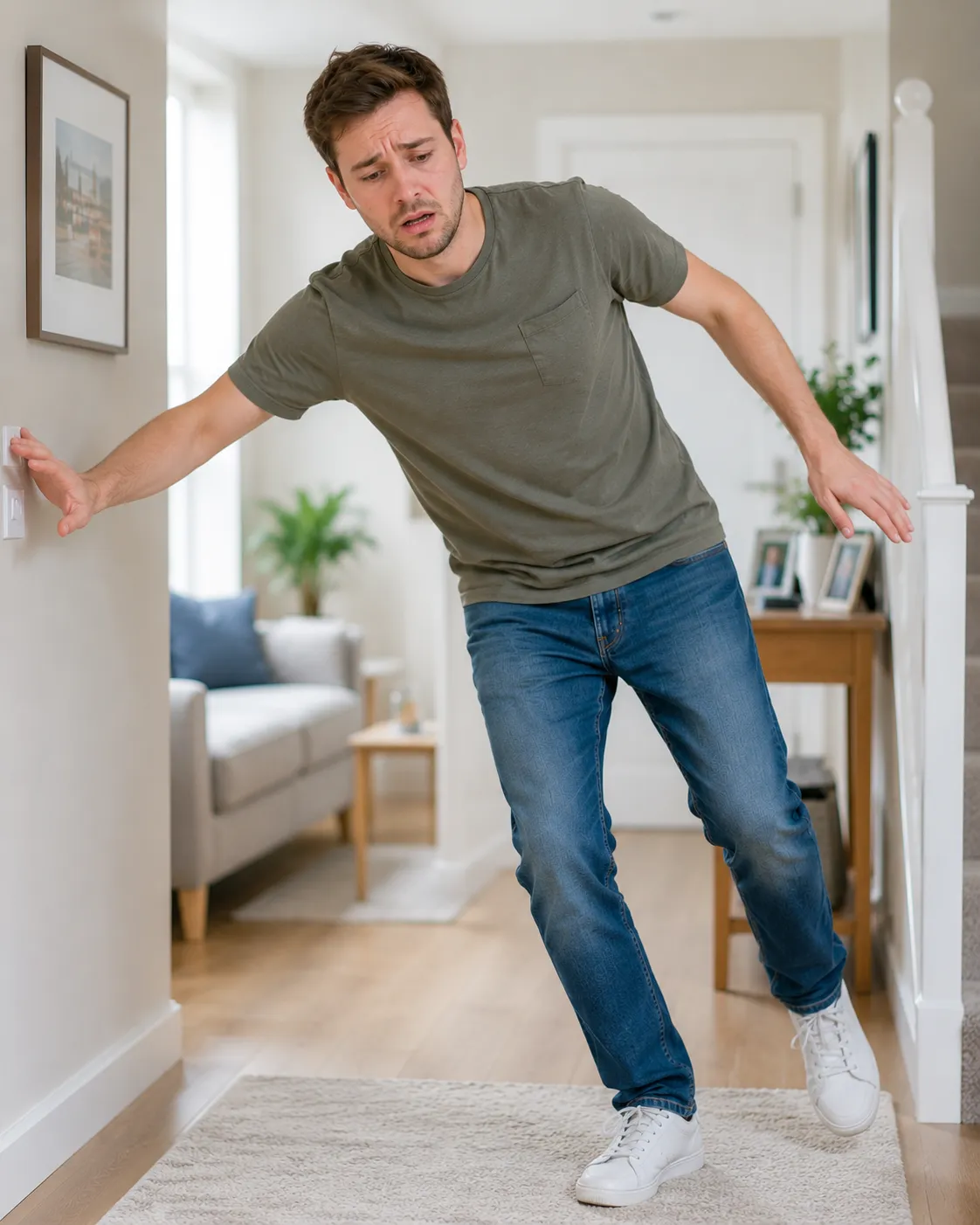
Sitting balance is often one of the foundations for standing, walking and everyday activities. After a stroke, some people find it difficult to sit upright without support, lean to one side, or feel unsteady when reaching.

The good news

Sitting balance often improves with rehabilitation, practice and time. Even small improvements can support confidence and independence.

Why can balance change after a stroke?

A stroke may affect several systems that help you stay upright, including strength, coordination, sensation, body awareness and balance control.

Strength

Trunk muscles may become weaker or slower to respond.

Coordination

Movements may feel less automatic or less controlled.

Sensation

You may have less feedback about where your body is in space.

Confidence

Fear of falling can make movement feel harder.

Common sitting problems after a stroke

  • Leaning to one side

  • Difficulty sitting upright without support

  • Feeling unstable when reaching

  • Falling or drifting backwards

  • Increased fatigue during longer periods of sitting

Some people may also experience pusher syndrome, where they actively push towards their weaker side. This should be assessed by a rehabilitation professional.

What May Help

Physiotherapy and occupational therapy often work on trunk control, weight shifting, posture, coordination and everyday activities.

Examples of exercises

  • Sitting unsupported for short periods

  • Gentle reaching tasks

  • Weight shifting from side to side

  • Trunk strengthening

  • Practising on different safe surfaces when appropriate

Keep it individual

Exercises should be matched to your own abilities and professional advice.

More detail: posture and positioning

Helpful strategies may include keeping both feet supported, maintaining an upright posture, and using supportive cushions when recommended.

More detail: fatigue and balance

Balance can become worse when you are tired. Regular rest periods and shorter practice sessions may help.

More detail: tips for family and carers

Encourage safe practice, avoid unexpected pulling or pushing, and help maintain good posture while celebrating small improvements.

When should you seek medical advice?

Arrange an appointment with a healthcare professional if sitting balance is worsening, falls are occurring, new weakness develops, or balance problems are significantly affecting daily activities.

Seek urgent medical attention for sudden new weakness, new speech difficulties, sudden confusion or sudden vision changes.

Key takeaways

Sitting balance is commonly affected after stroke.

Weakness, sensation and body awareness can all contribute.

Good sitting balance supports everyday activity and later mobility.

Recovery can continue over months and years.

Frequently asked questions

Is poor sitting balance common after a stroke?

Yes. Many stroke survivors experience difficulty with sitting balance, particularly during earlier stages of recovery.

Will my sitting balance improve?

Many people improve through rehabilitation, ongoing recovery and repeated practice.

Can exercises help?

Targeted exercises can help improve trunk control, balance and confidence when they are appropriate for the individual.

About Alisia

Alisia Gayle is a stroke survivor who achieved 96% neurological recovery following an ischaemic stroke.

After years of rehabilitation, she now shares practical, evidence-informed resources to help stroke survivors, carers and families better understand recovery and rebuild their lives with confidence.

Alisia is also the author of Brain Damage: My Journey to 96% Recovery, where she shares her personal stroke recovery story and the lessons she learned throughout her rehabilitation.

Next articles

Medical disclaimer

This article is intended for educational purposes only and should not replace professional medical advice, diagnosis or treatment.

Always seek advice from your doctor, physiotherapist or rehabilitation team regarding symptoms, concerns or changes in your condition.

Alisia Gayle is a stroke survivor, author, and advocate whose life was transformed in a single, ordinary day.

Contact us

800 1234 5678

FOLLOW US

Copyright 2026. Alisia Gayle | Stroke Recovery Through Lived Experience. All Rights Reserved.