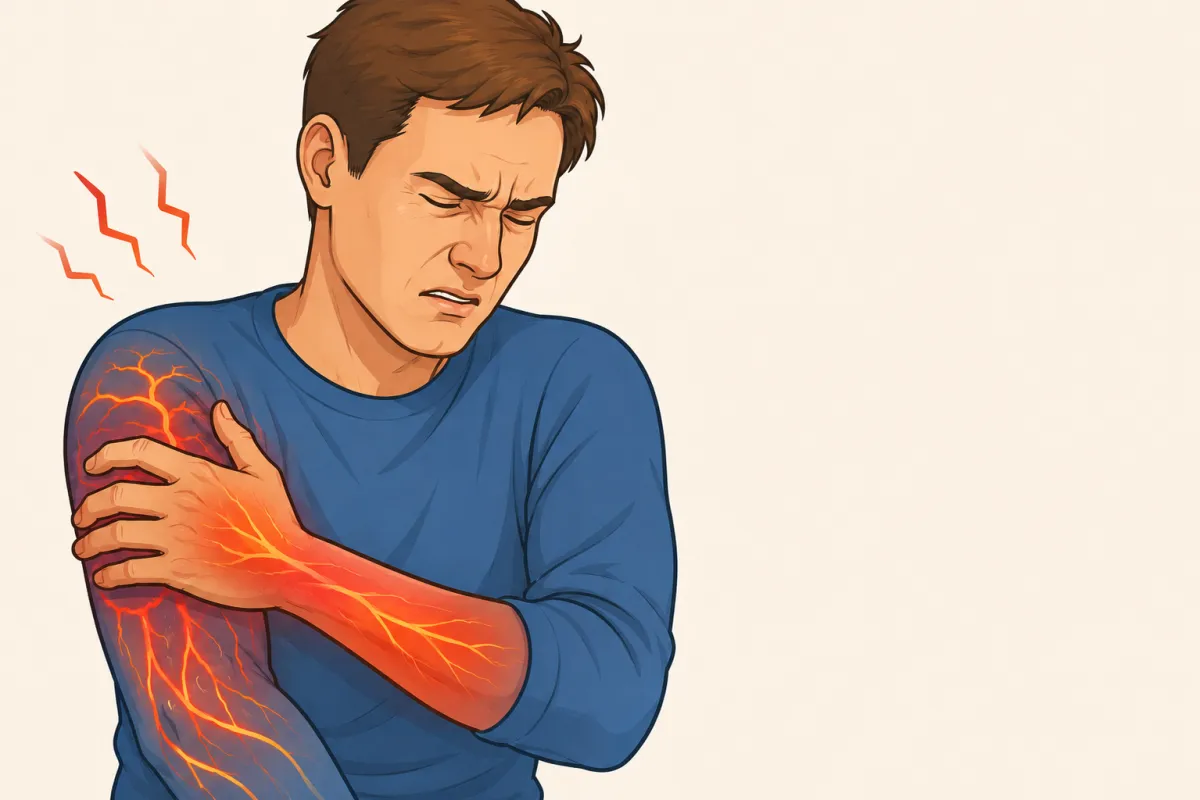
Hand pain after a stroke is a common problem that can make everyday activities such as gripping, dressing and writing difficult. The pain may be caused by muscle weakness, spasticity, joint stiffness, nerve pain or changes in the way the hand moves during recovery. Learn why hand pain happens after a stroke, the treatments available, and what you can do to reduce pain and improve hand function.
After your stroke...
Your hand aches.
Your fingers hurt when you try to straighten them.
Holding a cup becomes uncomfortable.
Or perhaps...
Even the lightest touch feels painful.
You begin wondering...
"Why does my hand hurt so much?"
For many stroke survivors...
Hand pain is a common part of recovery.
But understanding the cause is the first step towards treating it.
✦ ✦ ✦
The Good News
Most causes of hand pain after a stroke can be improved.
Early assessment, targeted rehabilitation and the right treatment often reduce pain, improve movement and help you regain independence.
The sooner the cause is identified, the better.
✦ ✦ ✦
Can a Stroke Cause Hand Pain?
Yes.
Although a stroke doesn't usually injure the hand itself, it changes how the brain communicates with the muscles, joints and nerves.
As a result, the hand may become:
✓ Weak.
✓ Stiff.
✓ Tight.
✓ Painful.
✓ Difficult to move.
Pain may appear immediately after the stroke or develop weeks or months later.
✦ ✦ ✦
Why Does Hand Pain Happen?
There are several possible causes.
Spasticity
One of the most common causes is hand spasticity.
The muscles become overactive, causing the fingers to curl into the palm.
This can lead to:
✓ Pain.
✓ Stiffness.
✓ Difficulty opening the hand.
✓ Muscle spasms.
✦ ✦ ✦
Muscle Weakness
Weak muscles provide less support for the joints of the hand.
This may lead to discomfort when gripping or lifting objects.
✦ ✦ ✦
Joint Stiffness
If the hand isn't moved regularly, the joints can become stiff.
Over time, reduced movement may lead to pain and contractures.
✦ ✦ ✦
Nerve Pain
Damage to the brain's sensory pathways can cause central post-stroke pain.
This may feel like:
✓ Burning.
✓ Tingling.
✓ Electric shock sensations.
✓ Extreme sensitivity to touch.
The pain comes from the nervous system rather than an injury to the hand.
✦ ✦ ✦
Swelling
Some stroke survivors develop swelling in the affected hand.
This can cause:
✓ Tightness.
✓ Aching.
✓ Reduced movement.
Keeping the hand moving and positioned correctly may help reduce swelling.
✦ ✦ ✦
Overuse
As movement begins to return, you may use weak muscles more than they're ready for.
Overuse can lead to temporary soreness while the hand adapts.
✦ ✦ ✦
Symptoms of Hand Pain
You may experience:
✓ Aching pain.
✓ Burning pain.
✓ Sharp pain.
✓ Finger stiffness.
✓ Difficulty opening the hand.
✓ Pain when gripping objects.
✓ Tingling.
✓ Pins and needles.
✓ Swelling.
✓ Pain that spreads into the wrist or forearm.
Symptoms may be constant or come and go throughout the day.
✦ ✦ ✦
How Does Hand Pain Affect Recovery?
Pain can make it harder to:
✓ Hold cutlery.
✓ Write.
✓ Button clothes.
✓ Brush your teeth.
✓ Use a phone.
✓ Cook.
✓ Carry shopping.
✓ Complete therapy exercises.
If pain causes you to stop using your hand, weakness and stiffness may become worse.
Managing pain helps keep rehabilitation moving forward.
✦ ✦ ✦
Treatment Options
Treatment depends on the cause of your pain.
✦ ✦ ✦
Physiotherapy
A physiotherapist can prescribe exercises to:
✓ Improve movement.
✓ Reduce stiffness.
✓ Strengthen weak muscles.
✓ Improve hand function.
Exercises should be performed regularly and correctly.
✦ ✦ ✦
Occupational Therapy
Occupational therapists help you use your hand more effectively during everyday activities.
They may recommend:
✓ Adaptive equipment.
✓ Splints.
✓ Hand positioning techniques.
✓ Practical ways to reduce strain.
✦ ✦ ✦
Stretching
Gentle stretching can reduce muscle tightness and improve flexibility.
Your therapist will show you the safest way to stretch your hand and fingers.
✦ ✦ ✦
Managing Spasticity
If muscle tightness is contributing to your pain, treatment may include:
✓ Stretching.
✓ Splints.
✓ Medication.
✓ Botulinum toxin (Botox) injections.
Reducing spasticity often makes movement less painful.
✦ ✦ ✦
Pain Relief
Depending on the cause, your doctor may recommend pain-relieving medication or medication specifically designed for nerve pain.
Always follow medical advice before taking or changing medication.
✦ ✦ ✦
Practical Tips
Keep Your Hand Moving
Gentle movement helps prevent stiffness.
Even small movements provide valuable stimulation for your brain.
✦ ✦ ✦
Stretch Regularly
Follow the stretching programme recommended by your therapist.
Never force painful movements.
✦ ✦ ✦
Look After Your Skin
If your hand stays clenched, check your palm daily for:
✓ Redness.
✓ Moisture.
✓ Pressure marks.
✓ Broken skin.
Keeping the palm clean and dry helps prevent infection.
✦ ✦ ✦
Reduce Swelling
If recommended by your therapist:
✓ Elevate your hand when resting.
✓ Move your fingers regularly.
✓ Avoid leaving your hand hanging by your side for long periods.
✦ ✦ ✦
Use Your Hand Every Day
Try to involve your affected hand in simple daily activities whenever it's safe.
Every repetition helps stimulate neuroplasticity.
✦ ✦ ✦
Tips for Family and Carers
If you're supporting someone with hand pain:
✓ Encourage regular exercises.
✓ Help with stretching if you've been shown how.
✓ Never force the fingers open.
✓ Check the palm for skin problems.
✓ Encourage use of the affected hand during daily tasks.
Small amounts of support every day can make a significant difference.
✦ ✦ ✦
When Should You Seek Medical Advice?
Speak with your healthcare professional if:
✓ Hand pain is becoming worse.
✓ Your fingers become increasingly difficult to open.
✓ Pain limits your rehabilitation.
✓ You develop swelling, redness or warmth.
✓ You notice skin breakdown in the palm.
Seek urgent medical attention if:
✓ Hand pain develops suddenly after a fall.
✓ You lose movement suddenly.
✓ Hand pain occurs alongside new facial drooping, arm weakness or speech difficulties.
These may indicate another injury or another stroke.
✦ ✦ ✦
My Perspective
Hand pain can make everyday life frustrating.
Tasks that once took seconds suddenly take minutes.
Or feel impossible.
But pain doesn't always mean recovery has stopped.
Often...
It's a sign that your hand needs the right treatment, the right exercises and time to adapt.
Every stretch...
Every movement...
Every attempt to use your hand...
Is helping your brain rebuild those connections.
✦ ✦ ✦
Frequently Asked Questions
Is Hand Pain Common After a Stroke?
Yes.
Many stroke survivors experience hand pain because of weakness, spasticity, stiffness, swelling or nerve pain.
✦ ✦ ✦
Will My Hand Pain Go Away?
Many people improve significantly with rehabilitation and appropriate treatment.
Recovery depends on the underlying cause of the pain.
✦ ✦ ✦
Should I Keep Using My Hand if It Hurts?
Gentle use is usually encouraged, but persistent or severe pain should be assessed by your healthcare professional.
Your therapist can advise you on the safest exercises and activities.
✦ ✦ ✦
Can Hand Pain Improve Years After a Stroke?
Yes.
Thanks to neuroplasticity, many people continue improving their hand function months and even years after a stroke through consistent rehabilitation.
✦ ✦ ✦
Key Takeaways
✓ Hand pain is a common complication after a stroke.
✓ Weakness, spasticity, stiffness and nerve pain are common causes.
✓ Physiotherapy and occupational therapy play a major role in treatment.
✓ Gentle movement and stretching help reduce stiffness and improve function.
✓ Persistent or worsening hand pain should be assessed by a healthcare professional.
✓ Many people improve with the right rehabilitation and ongoing support.
✦ ✦ ✦
About the Author
Alisia Gayle is a stroke survivor who achieved 96% neurological recovery following an ischaemic stroke.
After years of rehabilitation, she now shares practical, evidence-informed resources to help stroke survivors, carers and families better understand recovery and rebuild their lives with confidence.
Alisia is also the author of Brain Damage: My Journey to 96% Recovery, where she shares her personal stroke recovery story and the lessons she learned throughout her rehabilitation.
✦ ✦ ✦
Medical Disclaimer
This article is intended for educational purposes only and should not replace professional medical advice, diagnosis or treatment.
Always seek advice from your doctor, physiotherapist, occupational therapist or other healthcare professional regarding symptoms, concerns or changes in your condition.
✦ ✦ ✦
Final Thoughts
A painful hand can make recovery feel slow.
But every stretch...
Every exercise...
Every small improvement...
Is another opportunity for your brain and hand to work together again.
Stay consistent.
Stay patient.
Recovery happens one movement, one repetition and one day at a time.