
MOBILITY & PHYSICAL RECOVERY

Sitting Balance After a Stroke.

A calmer, easier-to-scan guide to why sitting balance can change after stroke, what may help, and when to seek professional advice.

Lorem ipsum dolor sit amet, consectetur adipiscing elit.

Hand Splints After a Stroke: Benefits, Types and When They May Help

July 10, 20267 min read

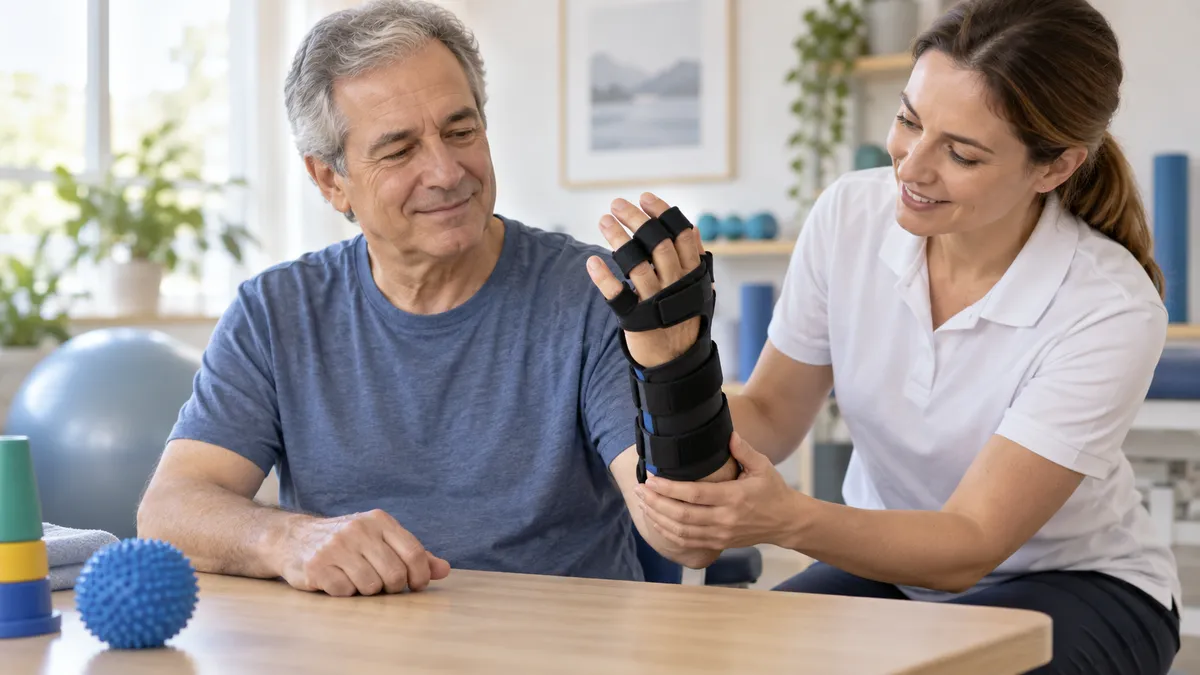
Hand splints are sometimes used after a stroke to support the hand and wrist, improve positioning and help manage problems such as spasticity, stiffness or contractures. Some stroke survivors find splints helpful for comfort and maintaining range of movement, while others may notice little benefit. Learn why hand splints are prescribed after a stroke, the different types available and what current evidence says about their use during recovery.

After your stroke...

Your hand may begin to curl into a fist.

Perhaps your fingers feel tight.

Maybe your wrist bends downwards and becomes difficult to straighten.

Your therapist suggests trying a hand splint.

You begin wondering...

"Will a splint help my recovery?"

Or...

"Will it make my hand work normally again?"

The good news is...

For some people, hand splints can play an important role in managing stiffness, improving comfort and protecting the hand during recovery.

✦ ✦ ✦

The Good News

Hand problems after a stroke are extremely common.

Many people experience:

✓ Hand weakness.

✓ Finger stiffness.

✓ Increased muscle tone.

✓ Difficulty opening the hand.

✓ Pain or discomfort.

Hand splints may help manage some of these problems and improve positioning while rehabilitation continues.

However, splints are usually only one part of treatment and work best alongside active rehabilitation.

✦ ✦ ✦

What Is a Hand Splint?

A hand splint is a device designed to support the wrist, hand and fingers.

It helps position the hand in a more functional or comfortable position.

Splints may be made from:

✓ Plastic.

✓ Soft materials.

✓ Custom-moulded thermoplastics.

✓ Prefabricated materials.

They can be worn during the day, at night or for specific activities depending on your needs.

✦ ✦ ✦

Why Are Hand Splints Used After a Stroke?

Hand splints may be recommended to:

✓ Improve hand positioning.

✓ Reduce discomfort.

✓ Support the wrist.

✓ Help manage spasticity.

✓ Maintain muscle length.

✓ Reduce the risk of contractures.

✓ Protect joints and soft tissues.

Your therapist will consider your individual symptoms before recommending a splint.

✦ ✦ ✦

Common Reasons a Splint May Be Prescribed

Hand Spasticity

Increased muscle tone may cause the fingers and wrist to curl into a tight position.

A splint may help maintain a more comfortable resting position.


Finger Tightness

If the fingers are becoming increasingly difficult to straighten, a splint may help maintain flexibility.


Pain

Supporting the wrist and hand in a better position may reduce discomfort in some individuals.


Prevention of Contractures

Long-term stiffness can lead to permanent shortening of muscles and soft tissues.

Splints may sometimes help reduce this risk.

✦ ✦ ✦

Different Types of Hand Splints

Resting Hand Splints

These support the wrist and fingers in a neutral position and are often worn at night.


Functional Splints

These may help position the hand during certain activities.


Dynamic Splints

These use gentle tension to encourage movement or stretching.


Soft Positioning Splints

These are often used for comfort and support.

Your therapist will advise which type is most appropriate.

✦ ✦ ✦

Will a Hand Splint Improve Movement?

This is an important question.

A splint alone does not usually restore active movement.

Recovery of hand function primarily depends on:

✓ Neuroplasticity.

✓ Repetitive practice.

✓ Active rehabilitation.

✓ Improving strength and control.

A splint may help create better conditions for recovery, but it is not a replacement for exercise and rehabilitation.

✦ ✦ ✦

What Does the Research Say?

Research on hand splints after stroke has shown mixed results.

Some studies suggest splints may help:

✓ Improve comfort.

✓ Reduce pain.

✓ Maintain range of movement.

However, evidence that splints significantly improve active hand function is less clear.

Because every stroke survivor is different, treatment should always be individualised.

✦ ✦ ✦

Possible Benefits of Hand Splints

Some people may notice:

✓ Reduced hand tightness.

✓ Improved positioning.

✓ Better comfort.

✓ Easier hygiene and nail care.

✓ Reduced pain.

✓ Better protection of joints.

Benefits vary considerably between individuals.

✦ ✦ ✦

Possible Challenges

Some people find splints uncomfortable.

Possible issues include:

✓ Skin irritation.

✓ Increased sweating.

✓ Difficulty putting the splint on.

✓ Poor tolerance during sleep.

✓ Temporary increase in stiffness after removal.

Any discomfort should be discussed with your therapist.

✦ ✦ ✦

Can Hand Splints Prevent Contractures?

Possibly.

However, splints work best when combined with:

✓ Stretching.

✓ Positioning.

✓ Active exercises.

✓ Regular movement.

Preventing contractures usually requires a combination of treatments rather than relying on a splint alone.

✦ ✦ ✦

What Else Can Help Hand Recovery?

Hand rehabilitation often includes:

✓ Repetitive task practice.

✓ Stretching.

✓ Mirror therapy.

✓ Functional electrical stimulation.

✓ Constraint-induced movement therapy (CIMT).

✓ Sensory retraining.

✓ Functional activities.

Active rehabilitation remains one of the most important drivers of recovery.

✦ ✦ ✦

When Should You Seek Medical Advice?

Arrange an appointment with your healthcare professional if:

✓ Your hand is becoming increasingly stiff.

✓ You develop pain.

✓ Your fingers are curling more.

✓ Your splint causes discomfort.

✓ You notice skin redness or pressure areas.

Early management may help prevent complications.

✦ ✦ ✦

My Perspective

After a stroke...

It's easy to hope that a splint will fix the problem.

Unfortunately, recovery is rarely that simple.

A splint can sometimes help support the hand and improve comfort.

But meaningful recovery usually comes from repeated practice and encouraging the brain to relearn movement.

Splints can be useful tools.

But they are only one piece of the puzzle.

✦ ✦ ✦

Frequently Asked Questions

Should everyone with hand weakness wear a splint?

No.

Splints are not appropriate for everyone and should be prescribed based on individual needs.

✦ ✦ ✦

Can a splint make my hand work again?

A splint alone usually does not restore active movement.

Recovery depends primarily on neuroplasticity and rehabilitation.

✦ ✦ ✦

Should I wear my splint all day?

Not necessarily.

Your therapist will advise when and how long to wear it.

✦ ✦ ✦

Can splints reduce spasticity?

Some people find splints help improve comfort and positioning, although effects on spasticity vary.

✦ ✦ ✦

What if my splint feels uncomfortable?

Speak to your therapist.

Adjustments may be needed to improve fit and comfort.

✦ ✦ ✦

Key Takeaways

✓ Hand splints are commonly used after stroke to improve positioning and comfort.

✓ They may help manage stiffness, pain and the risk of contractures.

✓ Splints are not usually a substitute for active rehabilitation.

✓ Research regarding their effectiveness is mixed.

✓ Treatment should always be individualised.

✓ Active exercises and repetitive practice remain essential for recovery.

✦ ✦ ✦

Related Articles

Continue learning about hand recovery after stroke with these helpful guides:

Hand Spasticity After a Stroke – Learn why stiffness develops and available treatment options.

Why Can't I Open My Hand After a Stroke? – Understand why the hand may remain tightly closed.

Why Won't My Fingers Straighten After a Stroke? – Discover why finger stiffness occurs and how it may improve.

Best Hand Exercises After a Stroke – Explore exercises that may support hand recovery.

Can Hand Function Return Years After a Stroke? – Learn how recovery can continue long after the stroke itself.

✦ ✦ ✦

About the Author

Alisia Gayle is a stroke survivor who achieved 96% neurological recovery following an ischaemic stroke.

After years of rehabilitation, she now shares practical, evidence-informed resources to help stroke survivors, carers and families better understand recovery and rebuild their lives with confidence.

Alisia is also the author of Brain Damage: My Journey to 96% Recovery, where she shares her personal stroke recovery story and the lessons she learned throughout her rehabilitation.

✦ ✦ ✦

Medical Disclaimer

This article is intended for educational purposes only and should not replace professional medical advice, diagnosis or treatment.

Always seek advice from your doctor, occupational therapist, physiotherapist or other qualified healthcare professional regarding hand splints or concerns following a stroke.

✦ ✦ ✦

Final Thoughts

After a stroke...

It is natural to look for something that will make recovery easier.

A splint may provide support.

Comfort.

Better positioning.

But remember...

Recovery usually comes from encouraging the brain to relearn movement.

Every exercise.

Every repetition.

Every attempt to use your hand...

Is helping drive neuroplasticity.

A splint may support the journey.

But you are still the one doing the recovery.

blog author avatar
Stroke Survivor and Author
Back to Blog

What you’ll learn

Why sitting balance can be affected after a stroke

Common problems people notice day to day

Simple rehabilitation approaches that may help

When changes in balance need medical attention

Why sitting balance matters

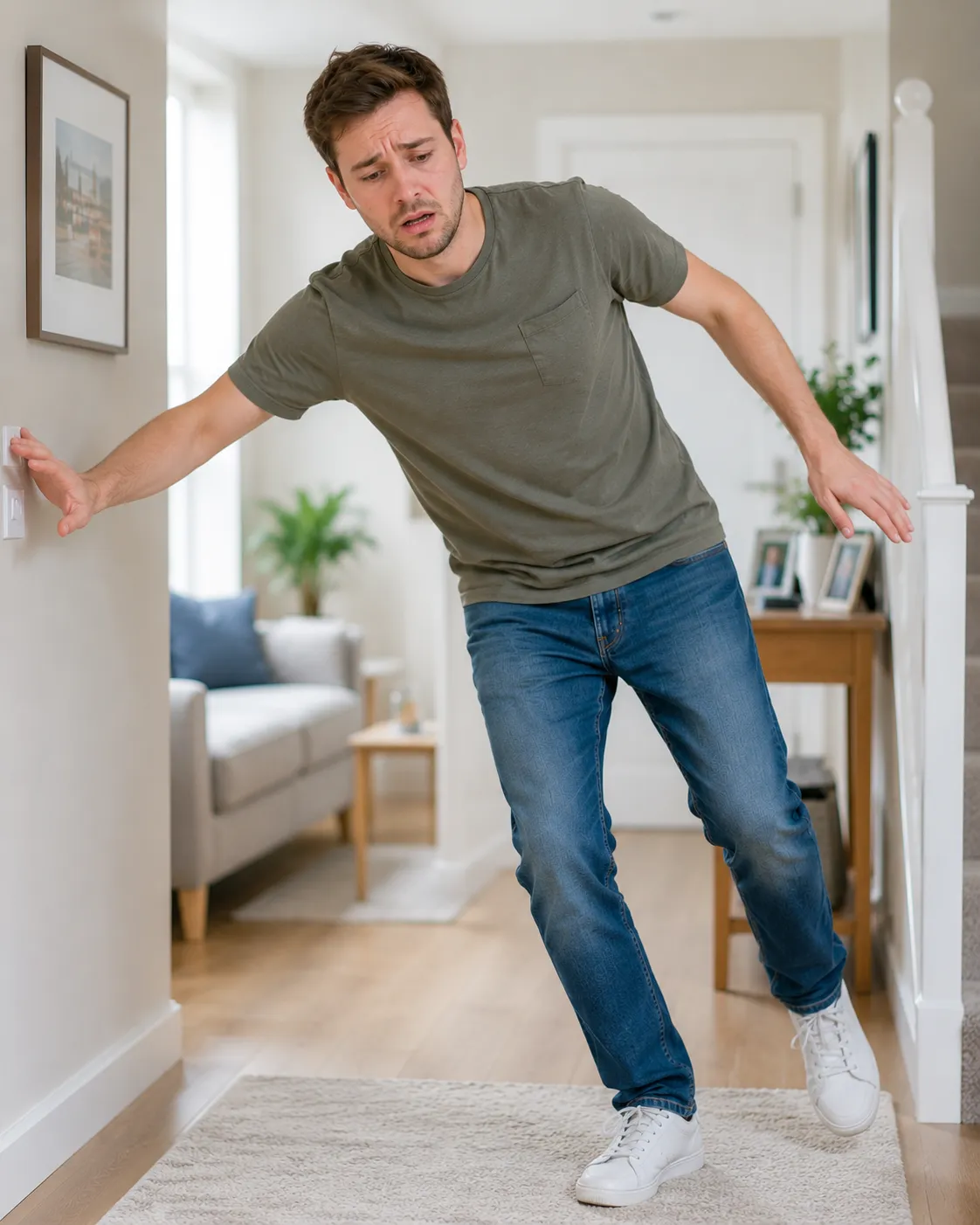
Sitting balance is often one of the foundations for standing, walking and everyday activities. After a stroke, some people find it difficult to sit upright without support, lean to one side, or feel unsteady when reaching.

The good news

Sitting balance often improves with rehabilitation, practice and time. Even small improvements can support confidence and independence.

Why can balance change after a stroke?

A stroke may affect several systems that help you stay upright, including strength, coordination, sensation, body awareness and balance control.

Strength

Trunk muscles may become weaker or slower to respond.

Coordination

Movements may feel less automatic or less controlled.

Sensation

You may have less feedback about where your body is in space.

Confidence

Fear of falling can make movement feel harder.

Common sitting problems after a stroke

  • Leaning to one side

  • Difficulty sitting upright without support

  • Feeling unstable when reaching

  • Falling or drifting backwards

  • Increased fatigue during longer periods of sitting

Some people may also experience pusher syndrome, where they actively push towards their weaker side. This should be assessed by a rehabilitation professional.

What May Help

Physiotherapy and occupational therapy often work on trunk control, weight shifting, posture, coordination and everyday activities.

Examples of exercises

  • Sitting unsupported for short periods

  • Gentle reaching tasks

  • Weight shifting from side to side

  • Trunk strengthening

  • Practising on different safe surfaces when appropriate

Keep it individual

Exercises should be matched to your own abilities and professional advice.

More detail: posture and positioning

Helpful strategies may include keeping both feet supported, maintaining an upright posture, and using supportive cushions when recommended.

More detail: fatigue and balance

Balance can become worse when you are tired. Regular rest periods and shorter practice sessions may help.

More detail: tips for family and carers

Encourage safe practice, avoid unexpected pulling or pushing, and help maintain good posture while celebrating small improvements.

When should you seek medical advice?

Arrange an appointment with a healthcare professional if sitting balance is worsening, falls are occurring, new weakness develops, or balance problems are significantly affecting daily activities.

Seek urgent medical attention for sudden new weakness, new speech difficulties, sudden confusion or sudden vision changes.

Key takeaways

Sitting balance is commonly affected after stroke.

Weakness, sensation and body awareness can all contribute.

Good sitting balance supports everyday activity and later mobility.

Recovery can continue over months and years.

Frequently asked questions

Is poor sitting balance common after a stroke?

Yes. Many stroke survivors experience difficulty with sitting balance, particularly during earlier stages of recovery.

Will my sitting balance improve?

Many people improve through rehabilitation, ongoing recovery and repeated practice.

Can exercises help?

Targeted exercises can help improve trunk control, balance and confidence when they are appropriate for the individual.

About Alisia

Alisia Gayle is a stroke survivor who achieved 96% neurological recovery following an ischaemic stroke.

After years of rehabilitation, she now shares practical, evidence-informed resources to help stroke survivors, carers and families better understand recovery and rebuild their lives with confidence.

Alisia is also the author of Brain Damage: My Journey to 96% Recovery, where she shares her personal stroke recovery story and the lessons she learned throughout her rehabilitation.

Next articles

Medical disclaimer

This article is intended for educational purposes only and should not replace professional medical advice, diagnosis or treatment.

Always seek advice from your doctor, physiotherapist or rehabilitation team regarding symptoms, concerns or changes in your condition.

Alisia Gayle is a stroke survivor, author, and advocate whose life was transformed in a single, ordinary day.

Contact us

800 1234 5678

FOLLOW US

Copyright 2026. Alisia Gayle | Stroke Recovery Through Lived Experience. All Rights Reserved.