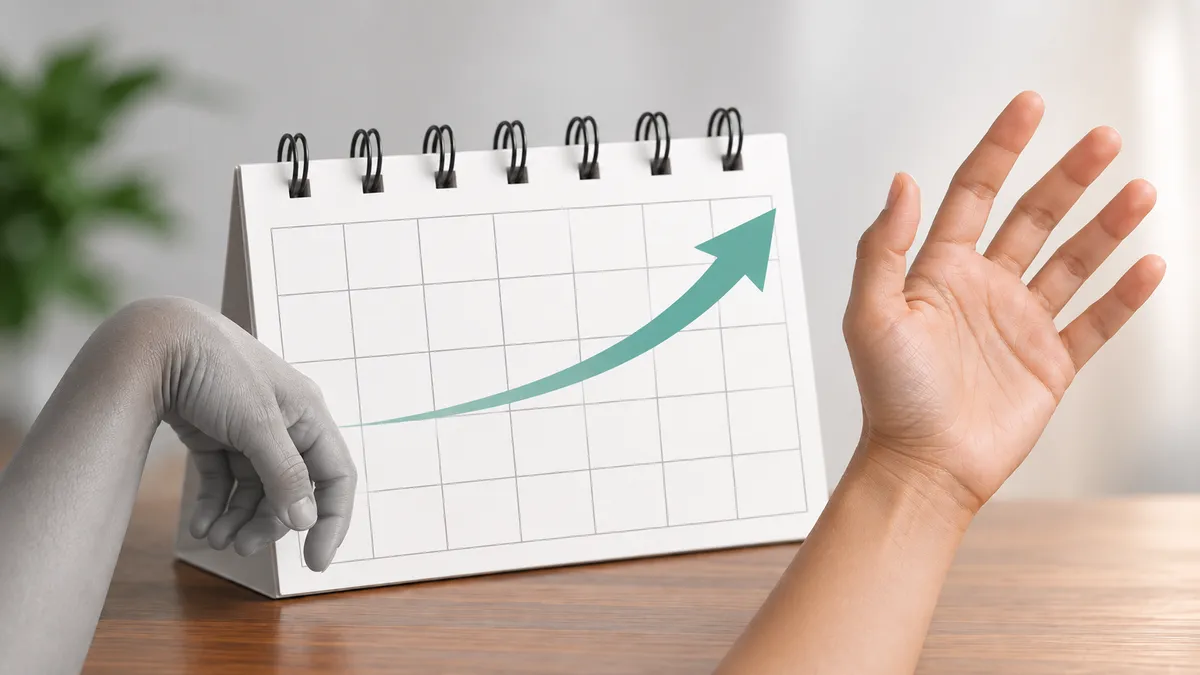
Hand recovery after a stroke varies from person to person. Some people regain useful hand movement within weeks, while others continue improving for months or even years. Recovery depends on factors such as the severity of the stroke, the amount of early movement, the intensity of rehabilitation and your brain's ability to adapt through neuroplasticity. Learn what influences hand recovery after a stroke and what you can realistically expect during your rehabilitation.
After your stroke...
Your hand won't move.
Weeks pass...
Progress feels slow.
You see your leg improving...
But your hand seems stuck.
You begin wondering...
"How long will my hand take to recover?"
"Have I missed my chance?"
These are some of the most common questions stroke survivors ask.
✦ ✦ ✦
The Good News
Hand recovery can continue for far longer than many people realise.
Although the fastest improvements often happen during the first few months, your brain remains capable of learning through neuroplasticity for months and even years after a stroke.
Many stroke survivors continue making meaningful progress long after they thought recovery had stopped.
✦ ✦ ✦
Why Does Hand Recovery Take So Long?
The hand performs some of the most complex movements in the human body.
Opening your hand...
Closing your fingers...
Picking up a coin...
Writing your name...
All require precise communication between your brain, nerves, muscles and joints.
After a stroke, those communication pathways are damaged.
Your brain must gradually rebuild new pathways before smooth hand movement returns.
This takes time.
✦ ✦ ✦
What Affects Hand Recovery?
Several factors influence how quickly your hand recovers.
Severity of the Stroke
Larger strokes usually affect more areas of the brain and often require a longer recovery.
Smaller strokes may allow movement to return more quickly.
✦ ✦ ✦
Early Hand Movement
People who regain some finger or wrist movement early after their stroke often have a better outlook for further recovery.
However, improvement is still possible even when progress is slow.
✦ ✦ ✦
Rehabilitation
Regular physiotherapy and occupational therapy help your brain relearn movement.
The more appropriate practice you complete, the more opportunities your brain has to improve.
✦ ✦ ✦
Neuroplasticity
Your brain changes through repetition.
Every exercise...
Every reach...
Every attempt to open your hand...
Strengthens new neural pathways.
The more consistently you practise, the greater the opportunity for recovery.
✦ ✦ ✦
Other Complications
Recovery may take longer if you also experience:
✓ Spasticity.
✓ Hand swelling.
✓ Shoulder pain.
✓ Tremors.
✓ Reduced sensation.
✓ Contractures.
Managing these problems helps support hand recovery.
✦ ✦ ✦
A General Recovery Timeline
Everyone recovers differently, but many people experience a pattern similar to this:
First Few Weeks
You may begin to notice:
✓ Small finger movements.
✓ Reduced swelling.
✓ Improved muscle activation.
✓ Better awareness of your arm.
Some people recover movement quickly, while others need longer.
✦ ✦ ✦
One to Three Months
This is often a period of rapid improvement.
Many people develop:
✓ Better grip.
✓ Improved coordination.
✓ Increased strength.
✓ Greater independence with daily tasks.
Regular rehabilitation is especially important during this stage.
✦ ✦ ✦
Three to Six Months
Recovery often continues, although progress may feel slower.
You may notice:
✓ Smoother movements.
✓ Better endurance.
✓ Improved fine motor skills.
✓ Greater confidence using your hand.
Small improvements become more meaningful over time.
✦ ✦ ✦
Six Months and Beyond
Contrary to popular belief...
Recovery does not stop after six months.
Many stroke survivors continue improving:
✓ One year later.
✓ Two years later.
✓ Five years later.
✓ Even longer.
Progress usually becomes slower...
But it often continues.
✦ ✦ ✦
What Can You Do to Improve Recovery?
Practise Every Day
Daily practice provides your brain with the repetition it needs to rebuild movement.
Consistency is more important than long exercise sessions.
✦ ✦ ✦
Use Your Hand
Try to involve your affected hand during everyday activities whenever it's safe.
Real-life tasks are excellent rehabilitation exercises.
✦ ✦ ✦
Keep Challenging Yourself
As your hand improves, gradually increase the difficulty of your exercises.
Your brain learns best when challenged.
✦ ✦ ✦
Stay Active
General physical activity supports brain health and recovery.
Walking, balance exercises and overall fitness all contribute to rehabilitation.
✦ ✦ ✦
Stay Positive
Recovery is rarely a straight line.
Some days feel disappointing.
Others bring unexpected progress.
Focus on long-term improvement rather than day-to-day changes.
✦ ✦ ✦
Common Reasons Recovery Feels Slow
You may feel frustrated because:
✓ The hand often recovers more slowly than the leg.
✓ Fine motor skills are among the last abilities to return.
✓ Small improvements are easy to overlook.
✓ Recovery naturally slows over time.
This doesn't mean recovery has stopped.
It simply means your brain is continuing to rebuild more complex movements.
✦ ✦ ✦
Tips for Family and Carers
If you're supporting someone recovering hand function:
✓ Encourage regular practice.
✓ Celebrate small improvements.
✓ Allow time for tasks.
✓ Avoid doing everything for them.
✓ Stay patient during slower periods.
Recovery is measured over months, not days.
✦ ✦ ✦
When Should You Seek Medical Advice?
Speak with your healthcare professional if:
✓ Your hand becomes increasingly stiff.
✓ Pain is limiting rehabilitation.
✓ You develop worsening swelling.
✓ You notice increasing spasticity.
✓ You have concerns about your progress.
Seek emergency medical attention immediately if:
✓ Your hand suddenly becomes much weaker.
✓ You develop facial drooping.
✓ Your speech becomes slurred.
✓ You experience sudden numbness or confusion.
These may be signs of another stroke.
✦ ✦ ✦
My Perspective
One of the hardest parts of hand recovery...
Is waiting.
You work hard every day...
Yet the changes seem tiny.
But those tiny improvements matter.
The hand performs incredibly complex movements.
It often needs thousands of repetitions before noticeable progress appears.
Don't mistake slow recovery for no recovery.
Your brain is learning every time you practise.
✦ ✦ ✦
Frequently Asked Questions
Does Hand Recovery Stop After Six Months?
No.
Although recovery is often fastest during the first few months, many people continue improving for years through ongoing rehabilitation and neuroplasticity.
✦ ✦ ✦
Why Is My Leg Recovering Faster Than My Hand?
Walking uses larger muscle groups and simpler movement patterns.
Hand function requires extremely precise control of many small muscles, making recovery slower for many people.
✦ ✦ ✦
Can My Hand Still Improve Years After a Stroke?
Yes.
Many stroke survivors continue improving hand movement years after their stroke through regular practice and rehabilitation.
✦ ✦ ✦
What's the Most Important Thing I Can Do?
Stay consistent.
Regular practice, meaningful daily activities and patience are some of the most important ingredients for long-term recovery.
✦ ✦ ✦
Key Takeaways
✓ Hand recovery after a stroke varies for every person.
✓ Recovery is often fastest during the first few months but can continue for years.
✓ Neuroplasticity allows the brain to rebuild movement pathways.
✓ Daily rehabilitation and repetition are essential.
✓ Small improvements add up over time.
✓ Never assume your recovery has finished simply because progress has slowed.
✦ ✦ ✦
Related Articles
Continue learning about hand and arm recovery with these helpful guides:
Best Hand Exercises After a Stroke – Discover the most effective exercises to improve strength, flexibility and coordination.
Hand Coordination After a Stroke – Learn how to improve smooth, controlled hand movements.
Fine Motor Skills After a Stroke – Practical ways to regain precision for writing, dressing and everyday tasks.
Neuroplasticity After Stroke: How Your Brain Rewires Itself – Understand how repetition helps your brain rebuild movement pathways.
Arm Weakness After a Stroke – Learn why your arm feels weak and how rehabilitation can rebuild strength.
✦ ✦ ✦
About the Author
Alisia Gayle is a stroke survivor who achieved 96% neurological recovery following an ischaemic stroke.
After years of rehabilitation, she now shares practical, evidence-informed resources to help stroke survivors, carers and families better understand recovery and rebuild their lives with confidence.
Alisia is also the author of Brain Damage: My Journey to 96% Recovery, where she shares her personal stroke recovery story and the lessons she learned throughout her rehabilitation.
✦ ✦ ✦
Medical Disclaimer
This article is intended for educational purposes only and should not replace professional medical advice, diagnosis or treatment.
Always seek advice from your doctor, physiotherapist or occupational therapist regarding symptoms, concerns or changes in your condition.

✦ ✦ ✦
Final Thoughts
Recovery isn't measured by how quickly it happens...
It's measured by the progress you continue to make.
Every exercise...
Every repetition...
Every small improvement...
Is helping your brain rebuild the pathways needed for movement.
Don't stop because progress is slow.
Recovery happens one movement, one repetition and one day at a time.