

MOBILITY & PHYSICAL RECOVERY

Sitting Balance After a Stroke.

A calmer, easier-to-scan guide to why sitting balance can change after stroke, what may help, and when to seek professional advice.

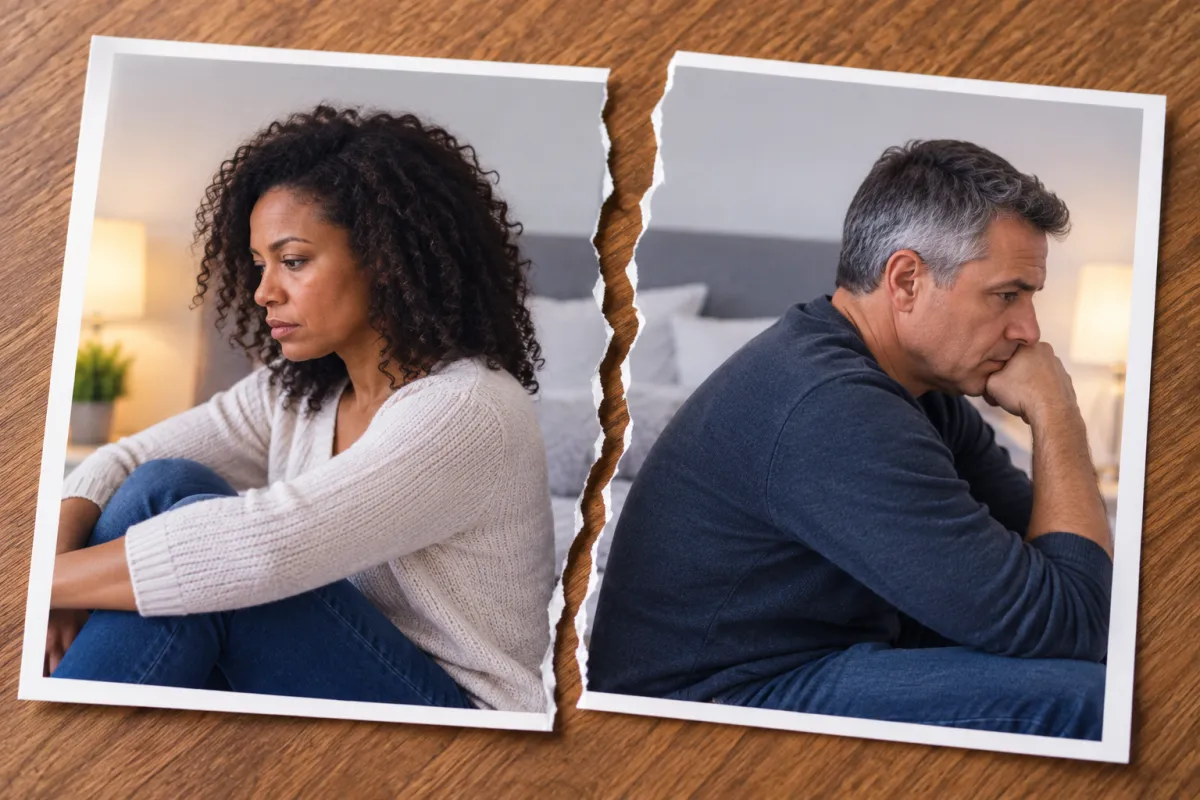
How Stroke Changes Relationships

How Stroke Changes Relationships

July 09, 20266 min read

A stroke can change relationships in ways that many people never expect. Whether it's with your partner, children, family, friends or colleagues, the physical, emotional and cognitive effects of a stroke can affect how you communicate, connect and support one another. These changes can feel difficult, but many relationships adapt and grow stronger over time. Learn why relationships often change after a stroke and how honest communication, patience and support can help you move forward together.

After your stroke...

Life begins to look different.

Your priorities change.

Your abilities may have changed.

But something else changes too...

The people around you.

Perhaps...

Your partner becomes your carer.

Friends stop calling.

Family members don't understand why you're still struggling.

You begin wondering...

"Why do my relationships feel so different now?"

The answer is...

Because a stroke affects more than one person.

It affects everyone close to you.

✦ ✦ ✦

The Good News

Relationships often change after a stroke...

But change doesn't always mean they become worse.

Many relationships become stronger through understanding, patience and honest communication.

Although recovery can place enormous strain on families and friendships...

It can also deepen appreciation, resilience and emotional connection.

✦ ✦ ✦

Why Does a Stroke Affect Relationships?

A stroke changes daily life.

It may affect:

✓ Physical abilities.

✓ Speech and communication.

✓ Memory.

✓ Emotions.

✓ Behaviour.

✓ Independence.

✓ Confidence.

These changes influence not only the stroke survivor but also the people around them.

Everyone has to adjust.

✦ ✦ ✦

Changes Between Partners

A stroke can change the balance within a relationship.

One partner may suddenly take on responsibilities such as:

✓ Personal care.

✓ Cooking.

✓ Driving.

✓ Managing finances.

✓ Household tasks.

This shift from partner to caregiver can be emotionally challenging for both people.

The stroke survivor may feel guilty about needing help.

The partner may feel overwhelmed, exhausted or worried about the future.

These feelings are common.

✦ ✦ ✦

Changes Within Families

Children, parents and siblings are often affected too.

Family members may:

✓ Worry constantly.

✓ Become overprotective.

✓ Feel frightened.

✓ Feel unsure how to help.

✓ Struggle to understand invisible symptoms such as fatigue or memory problems.

Open conversations can help reduce misunderstandings.

✦ ✦ ✦

Why Do Some Friends Drift Away?

This is one of the hardest parts of recovery.

Some friendships become stronger.

Others slowly disappear.

There are many reasons.

Some people:

✓ Don't know what to say.

✓ Feel uncomfortable around illness.

✓ Assume you've fully recovered because you look well.

✓ Think you'll contact them if you need them.

✓ Struggle to understand the long-term effects of stroke.

Their distance can feel deeply hurtful.

But it often reflects their discomfort rather than your worth.

✦ ✦ ✦

The Invisible Changes Others May Not See

Many stroke survivors look physically well.

Yet they may still experience:

✓ Fatigue.

✓ Memory problems.

✓ Difficulty concentrating.

✓ Anxiety.

✓ Emotional changes.

✓ Sensory problems.

✓ Overstimulation.

Because these challenges aren't obvious, others may underestimate how much you're still dealing with.

✦ ✦ ✦

Communication Can Become More Difficult

Speech and thinking changes may affect conversations.

You may:

✓ Need more time to respond.

✓ Forget words.

✓ Lose track of conversations.

✓ Become mentally tired.

Family and friends can help by:

✓ Speaking clearly.

✓ Being patient.

✓ Giving you time to answer.

✓ Avoiding interrupting or finishing your sentences unless you ask for help.

Small changes in communication can reduce frustration for everyone.

✦ ✦ ✦

It's Normal for Emotions to Change

A stroke can affect both emotions and emotional control.

You or your loved ones may notice:

✓ Irritability.

✓ Frustration.

✓ Anxiety.

✓ Low mood.

✓ Emotional lability (unexpected laughing or crying).

These changes are often part of the stroke itself—not a reflection of how you feel about the people around you.

Understanding this can reduce blame and misunderstanding.

✦ ✦ ✦

How Can You Protect Your Relationships?

Healthy relationships rarely happen by accident.

They need care during recovery.

Helpful strategies include:

✓ Be honest about how you're feeling.

✓ Explain invisible symptoms such as fatigue.

✓ Accept help when you need it.

✓ Keep communicating.

✓ Make time for enjoyable activities together.

✓ Be patient with each other.

✓ Celebrate small milestones.

Recovery is a journey for everyone involved.

✦ ✦ ✦

Looking After Your Relationship With Yourself

One relationship is often forgotten...

The one you have with yourself.

Many stroke survivors grieve the person they were before their stroke.

It's natural to feel sadness, frustration or anger.

But recovery also involves learning to appreciate the strengths you've developed along the way.

Being kind to yourself makes it easier to build healthy relationships with others.

✦ ✦ ✦

When Should You Seek Extra Support?

Speak with your healthcare professional if:

✓ Relationship difficulties are affecting your wellbeing.

✓ You feel isolated.

✓ You or your partner are struggling to cope.

✓ Depression or anxiety is affecting your relationships.

Counselling, stroke support groups and relationship therapy may all be helpful.

Seeking support is a sign of strength, not failure.

✦ ✦ ✦

My Perspective

One of the things I wasn't prepared for...

Was how much my relationships would change.

Some people became incredible sources of support.

Others quietly disappeared.

At first...

That was painful.

But over time...

I realised something important.

A stroke doesn't just reveal your weaknesses.

It also reveals the people who are willing to walk beside you through them.

The relationships that remained became stronger than I ever imagined.

✦ ✦ ✦

Frequently Asked Questions

Is It Normal for Relationships to Change After a Stroke?

Yes.

A stroke affects every part of life, so changes in relationships are very common.


Why Have Some Friends Stopped Contacting Me?

People respond to illness in different ways.

Some don't know how to help, while others struggle to understand the long-term effects of stroke.


Can Relationships Recover?

Absolutely.

Many relationships become stronger through communication, patience and shared understanding.


Should I Tell People How I'm Feeling?

Yes.

Many invisible stroke symptoms aren't obvious to others.

Explaining what you're experiencing can help reduce misunderstandings and strengthen relationships.

✦ ✦ ✦

Key Takeaways

✓ A stroke often changes relationships with partners, family and friends.

✓ Many changes are caused by the physical and emotional effects of stroke.

✓ Honest communication helps reduce misunderstandings.

✓ Invisible symptoms are often difficult for others to recognise.

✓ Many relationships become stronger over time.

✓ Don't be afraid to ask for support if you're struggling.

✦ ✦ ✦

Related Articles

Continue learning about the emotional side of stroke recovery:

  • Emotional Changes After a Stroke

  • Personality Changes After a Stroke

  • Can Stress Make Stroke Symptoms Worse?

  • Why Am I So Emotional After a Stroke?

  • Becoming a Carer After a Stroke

✦ ✦ ✦

✦ ✦ ✦

Final Thoughts

A stroke may change your relationships...

But it doesn't define them.

Some people may drift away.

Others may surprise you with their kindness and loyalty.

Give yourself...

And the people who care about you...

Time to adjust.

Recovery isn't something you do alone.

The strongest relationships aren't the ones that never face challenges...

They're the ones that grow through them.

blog author avatar
Stroke Survivor and Author
Back to Blog

What you’ll learn

Why sitting balance can be affected after a stroke

Common problems people notice day to day

Simple rehabilitation approaches that may help

When changes in balance need medical attention

Why sitting balance matters

Sitting balance is often one of the foundations for standing, walking and everyday activities. After a stroke, some people find it difficult to sit upright without support, lean to one side, or feel unsteady when reaching.

The good news

Sitting balance often improves with rehabilitation, practice and time. Even small improvements can support confidence and independence.

Why can balance change after a stroke?

A stroke may affect several systems that help you stay upright, including strength, coordination, sensation, body awareness and balance control.

Strength

Trunk muscles may become weaker or slower to respond.

Coordination

Movements may feel less automatic or less controlled.

Sensation

You may have less feedback about where your body is in space.

Confidence

Fear of falling can make movement feel harder.

Common sitting problems after a stroke

  • Leaning to one side

  • Difficulty sitting upright without support

  • Feeling unstable when reaching

  • Falling or drifting backwards

  • Increased fatigue during longer periods of sitting

Some people may also experience pusher syndrome, where they actively push towards their weaker side. This should be assessed by a rehabilitation professional.

What May Help

Physiotherapy and occupational therapy often work on trunk control, weight shifting, posture, coordination and everyday activities.

Examples of exercises

  • Sitting unsupported for short periods

  • Gentle reaching tasks

  • Weight shifting from side to side

  • Trunk strengthening

  • Practising on different safe surfaces when appropriate

Keep it individual

Exercises should be matched to your own abilities and professional advice.

More detail: posture and positioning

Helpful strategies may include keeping both feet supported, maintaining an upright posture, and using supportive cushions when recommended.

More detail: fatigue and balance

Balance can become worse when you are tired. Regular rest periods and shorter practice sessions may help.

More detail: tips for family and carers

Encourage safe practice, avoid unexpected pulling or pushing, and help maintain good posture while celebrating small improvements.

When should you seek medical advice?

Arrange an appointment with a healthcare professional if sitting balance is worsening, falls are occurring, new weakness develops, or balance problems are significantly affecting daily activities.

Seek urgent medical attention for sudden new weakness, new speech difficulties, sudden confusion or sudden vision changes.

Key takeaways

Sitting balance is commonly affected after stroke.

Weakness, sensation and body awareness can all contribute.

Good sitting balance supports everyday activity and later mobility.

Recovery can continue over months and years.

Frequently asked questions

Is poor sitting balance common after a stroke?

Yes. Many stroke survivors experience difficulty with sitting balance, particularly during earlier stages of recovery.

Will my sitting balance improve?

Many people improve through rehabilitation, ongoing recovery and repeated practice.

Can exercises help?

Targeted exercises can help improve trunk control, balance and confidence when they are appropriate for the individual.

About Alisia

Alisia Gayle is a stroke survivor who achieved 96% neurological recovery following an ischaemic stroke.

After years of rehabilitation, she now shares practical, evidence-informed resources to help stroke survivors, carers and families better understand recovery and rebuild their lives with confidence.

Alisia is also the author of Brain Damage: My Journey to 96% Recovery, where she shares her personal stroke recovery story and the lessons she learned throughout her rehabilitation.

Next articles

Medical disclaimer

This article is intended for educational purposes only and should not replace professional medical advice, diagnosis or treatment.

Always seek advice from your doctor, physiotherapist or rehabilitation team regarding symptoms, concerns or changes in your condition.

Alisia Gayle is a stroke survivor, author, and advocate whose life was transformed in a single, ordinary day.

Contact us

800 1234 5678

FOLLOW US

Copyright 2026. Alisia Gayle | Stroke Recovery Through Lived Experience. All Rights Reserved.