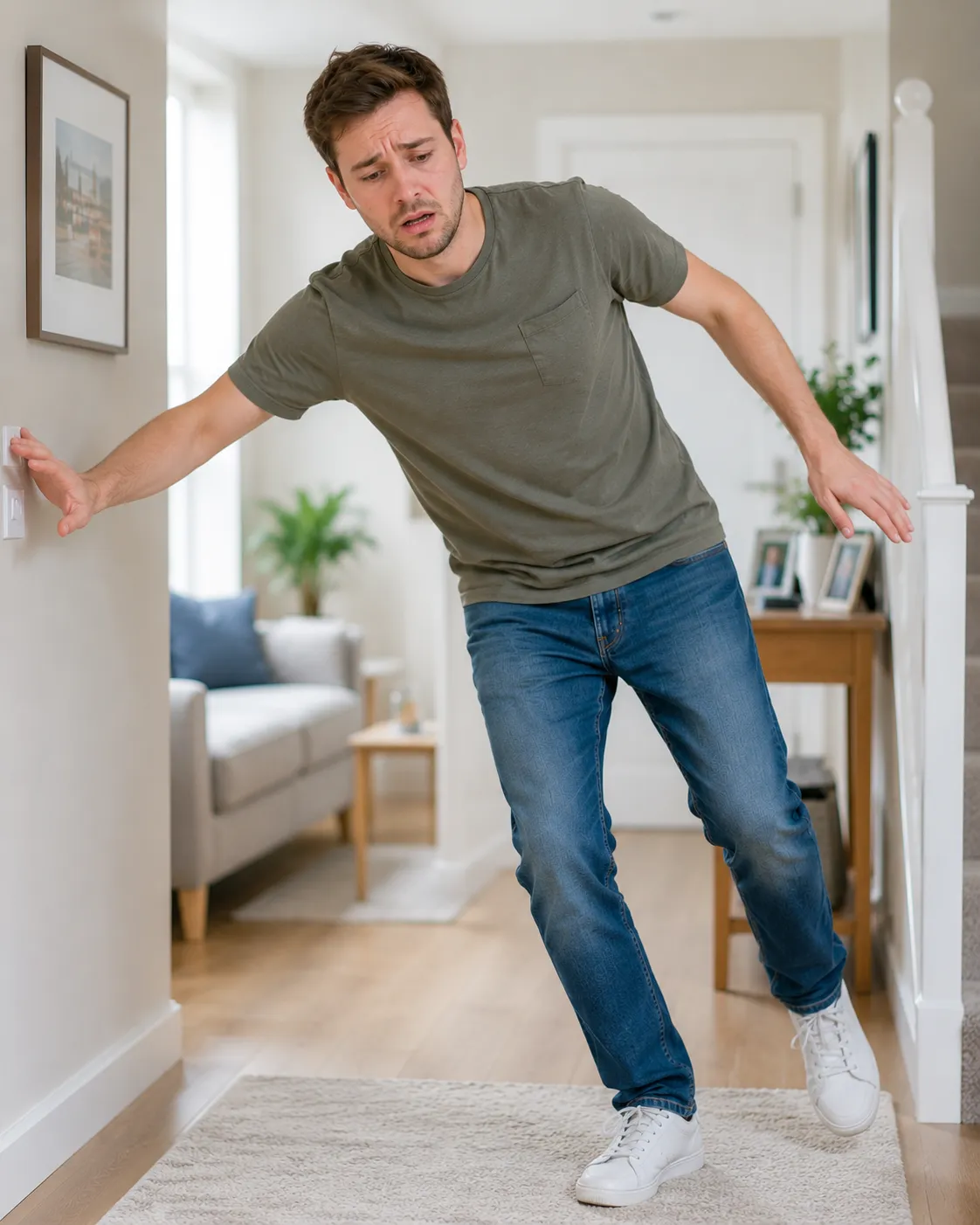
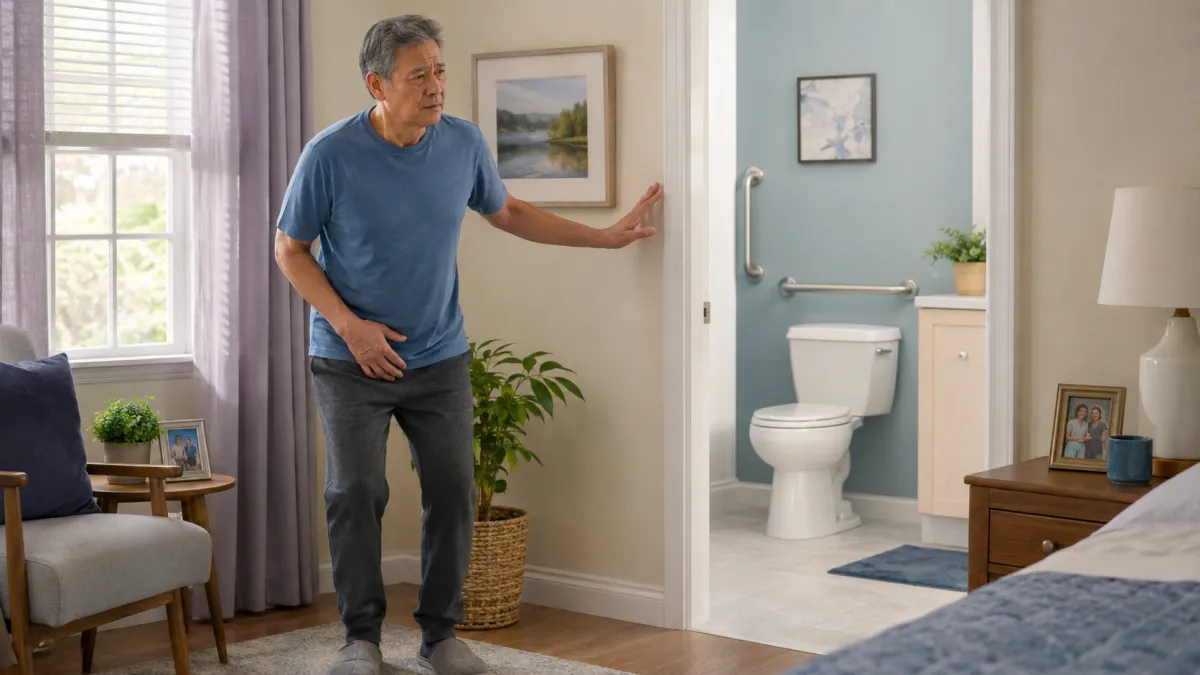
Bladder problems are common after a stroke and can affect confidence, independence and quality of life. Some people need to pass urine more often, while others experience urgency, leakage or difficulty emptying their bladder completely. Although these symptoms can feel embarrassing, many improve with rehabilitation, lifestyle changes and appropriate medical treatment. Learn why bladder problems happen after a stroke, practical ways to manage them and when to seek professional help.
After your stroke...
Something feels different.
You're making more trips to the toilet.
Sometimes the urge comes on suddenly.
Perhaps you don't make it in time.
Or...
You're worried about going out because you don't know where the nearest toilet is.
You begin wondering...
"Will my bladder ever get back to normal?"
The good news is...
Many bladder problems improve after a stroke, and there are many ways to manage them successfully.
✦ ✦ ✦
The Good News
Bladder problems are one of the most common but least talked about effects of stroke.
The good news is that many people regain better bladder control as their brain recovers.
Even if symptoms continue, treatments, bladder training and simple lifestyle changes can often make a significant difference.
You do not have to simply live with bladder problems.
✦ ✦ ✦
Why Do Bladder Problems Happen After a Stroke?
Your brain plays an important role in controlling your bladder.
It tells your bladder when to store urine and when it is safe to empty.
A stroke can interrupt these signals.
This may lead to:
✓ Frequent urination.
✓ Sudden urgency.
✓ Urinary leakage (incontinence).
✓ Difficulty emptying the bladder completely.
✓ Waking several times during the night to pass urine.
The type of bladder problem depends on which part of the brain has been affected.
✦ ✦ ✦
Common Types of Bladder Problems
Stroke survivors may experience one or more bladder symptoms.
These include:
✓ Frequent urination.
✓ Urinary urgency.
✓ Urinary incontinence.
✓ Nocturia (waking during the night to urinate).
✓ Difficulty starting urination.
✓ Feeling that the bladder has not emptied properly.
Some symptoms improve quickly, while others take longer to recover.
✦ ✦ ✦
Drink Enough Fluids
Many people reduce their fluid intake because they worry about accidents.
Unfortunately, drinking too little can actually make bladder problems worse.
Concentrated urine can irritate the bladder and increase urgency.
Aim to:
✓ Drink enough water throughout the day.
✓ Spread your drinks evenly.
✓ Drink more during the day than late in the evening.
✓ Follow your healthcare professional's advice if you have heart or kidney problems.
Staying hydrated supports bladder health.
✦ ✦ ✦
Reduce Bladder Irritants
Some drinks can make bladder symptoms worse.
These include:
✗ Caffeinated tea and coffee.
✗ Energy drinks.
✗ Fizzy drinks.
✗ Alcohol.
You may not need to avoid them completely.
Reducing your intake may help improve symptoms.
✦ ✦ ✦
Try Bladder Training
Bladder training helps your bladder gradually hold more urine.
Your healthcare professional may recommend:
✓ Going to the toilet at regular intervals.
✓ Gradually increasing the time between visits.
✓ Using techniques to control urgency.
This takes practice but often improves bladder control over time.
✦ ✦ ✦
Strengthen Your Pelvic Floor Muscles
Pelvic floor muscles help support your bladder.
If these muscles become weak, urine leakage may become more likely.
Pelvic floor exercises may help improve:
✓ Bladder control.
✓ Urinary leakage.
✓ Confidence.
Ask your healthcare professional or physiotherapist whether pelvic floor exercises are suitable for you.
✦ ✦ ✦
Make Toileting Easier
Small changes around the home can reduce accidents.
Consider:
✓ Keeping pathways clear.
✓ Installing grab rails if needed.
✓ Wearing clothing that's easy to remove.
✓ Using a raised toilet seat if recommended.
✓ Having good lighting at night.
Making it easier to reach the toilet can improve confidence and safety.
✦ ✦ ✦
Review Your Medications
Some medications can affect bladder function.
For example:
✓ Diuretics ("water tablets") increase urine production.
✓ Some medicines may worsen bladder emptying.
Never stop taking medication yourself.
Speak with your healthcare professional if you think your medicines are affecting your bladder.
✦ ✦ ✦
Consider Continence Products
Continence products can help you remain active while your bladder improves.
These may include:
✓ Absorbent pads.
✓ Protective underwear.
✓ Waterproof bedding.
Using continence products is not a sign of failure.
They are simply another tool to help you stay independent.
✦ ✦ ✦
Look After Your Emotional Wellbeing
Bladder problems can feel embarrassing.
You may avoid:
✓ Going out.
✓ Travelling.
✓ Visiting friends.
✓ Social events.
Remember...
Bladder problems are extremely common after stroke.
Healthcare professionals discuss these symptoms every day.
You are not alone, and support is available.
✦ ✦ ✦
When Should You Seek Medical Advice?
Arrange an appointment with your healthcare professional if:
✓ Your bladder symptoms continue for several weeks.
✓ You leak urine regularly.
✓ You feel unable to empty your bladder properly.
✓ Bladder problems are affecting your daily life.
✓ You think your medication may be contributing.
Seek urgent medical attention if you experience:
✓ Blood in your urine.
✓ Fever with urinary symptoms.
✓ Severe pain when passing urine.
✓ Complete inability to pass urine.
✓ Sudden facial drooping, arm weakness or slurred speech.
Prompt treatment can prevent complications.
✦ ✦ ✦
My Perspective
Bladder problems aren't something many people talk about.
After a stroke...
They can feel embarrassing.
You might try to hide them.
Or hope they'll disappear on their own.
But asking for help is one of the best things you can do.
Managing bladder problems is just as much a part of stroke recovery as improving your walking or speech.
Every improvement...
No matter how small...
Helps you regain confidence and independence.
✦ ✦ ✦
Frequently Asked Questions
Are bladder problems common after a stroke?
Yes.
Bladder problems affect many stroke survivors, particularly during the early stages of recovery.
They often improve with time and treatment.
✦ ✦ ✦
Will my bladder return to normal?
Many people experience significant improvement as the brain heals.
Others continue to improve with bladder training, pelvic floor exercises and medical treatment.
✦ ✦ ✦
Should I drink less water?
Usually not.
Drinking too little can irritate your bladder and make symptoms worse.
Drink enough fluid unless your healthcare professional advises otherwise.
✦ ✦ ✦
Can bladder problems be treated?
Yes.
Treatment depends on the cause but may include bladder training, medication, pelvic floor exercises, continence products and lifestyle changes.
✦ ✦ ✦
Key Takeaways
✓ Bladder problems are common after a stroke.
✓ Many people improve with rehabilitation and appropriate treatment.
✓ Drink enough water and avoid reducing fluids too much.
✓ Bladder training and pelvic floor exercises may improve symptoms.
✓ Don't feel embarrassed to discuss bladder problems with your healthcare professional.
✓ Managing bladder symptoms can improve confidence, independence and quality of life.
✦ ✦ ✦
Related Articles
Continue learning about bladder and bowel problems after stroke with these helpful guides:
Frequent Urination After a Stroke – Learn why you may need to pass urine more often and what treatments can help.
Urinary Incontinence After a Stroke – Understand why bladder leakage happens after stroke and how it can be managed.
Constipation After a Stroke – Discover why constipation is common during recovery and practical ways to prevent it.
Bowel Incontinence After a Stroke – Learn about bowel control problems after stroke and available treatments.
Sleep Problems After a Stroke – Understand how bladder problems and poor sleep can affect your recovery.
✦ ✦ ✦
About the Author
Alisia Gayle is a stroke survivor who achieved 96% neurological recovery following an ischaemic stroke.
After years of rehabilitation, she now shares practical, evidence-informed resources to help stroke survivors, carers and families better understand recovery and rebuild their lives with confidence.
Alisia is also the author of Brain Damage: My Journey to 96% Recovery, where she shares her personal stroke recovery story and the lessons she learned throughout her rehabilitation.
✦ ✦ ✦
Medical Disclaimer
This article is intended for educational purposes only and should not replace professional medical advice, diagnosis or treatment.
Always seek advice from your doctor, continence specialist or other qualified healthcare professional regarding bladder symptoms, medications or concerns following a stroke.
✦ ✦ ✦
Final Thoughts
Bladder problems after a stroke can affect much more than your bladder...
They can affect your confidence.
Your independence.
Your willingness to leave the house.
But they don't have to control your life.
Every conversation with your healthcare team...
Every small improvement...
Every practical strategy you learn...
Helps you move closer to living with greater comfort and confidence.
Recovery includes every part of your wellbeing...
And better bladder control is an important step towards regaining your independence.