
MOBILITY & PHYSICAL RECOVERY

Sitting Balance After a Stroke.

A calmer, easier-to-scan guide to why sitting balance can change after stroke, what may help, and when to seek professional advice.

How to Reduce Your Risk of a Second Stroke

How to Reduce Your Risk of a Second Stroke

July 09, 20266 min read

Yes, there are many things you can do to reduce your risk of having another stroke. Although having one stroke increases your chances of experiencing a second, many risk factors can be treated or controlled. Taking your medication, managing underlying health conditions and making healthy lifestyle changes can all significantly lower your risk. Learn the most effective ways to help prevent another stroke and protect your long-term health.

After your stroke...

You finally return home.

Recovery begins.

Then...

A new worry appears.

You begin thinking...

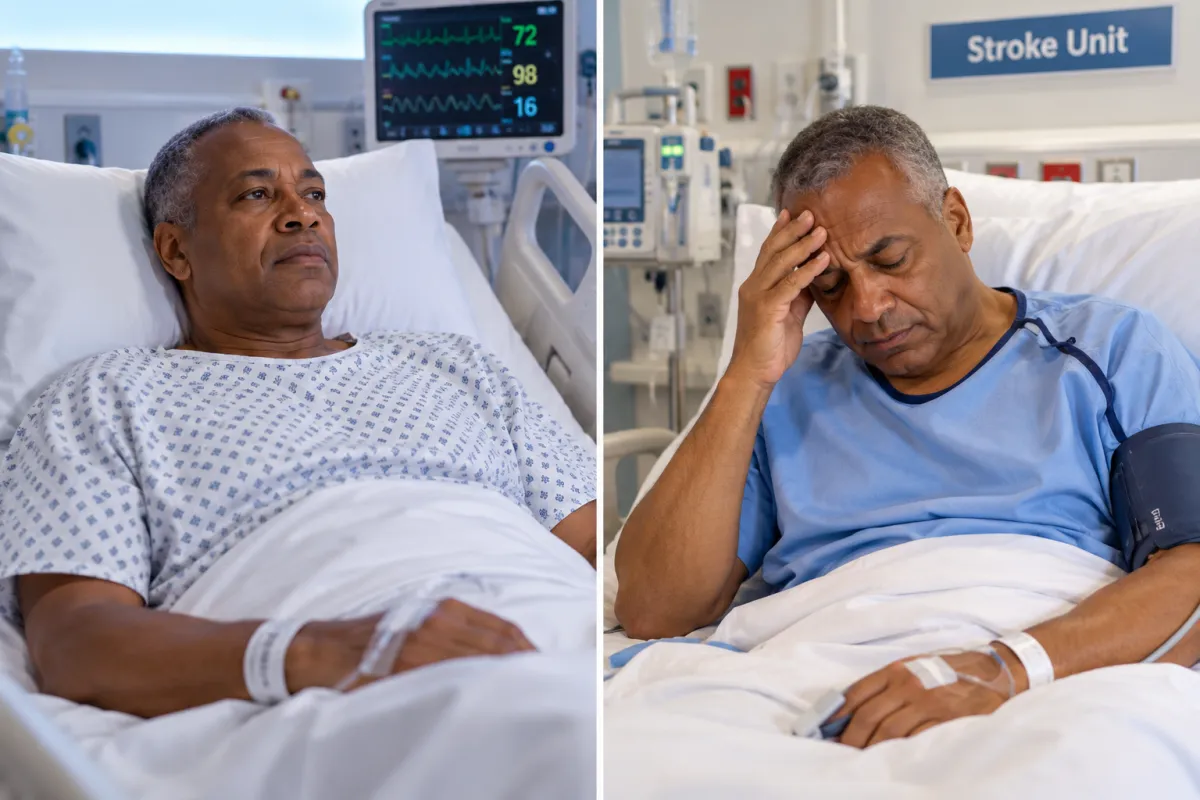
"What if it happens again?"

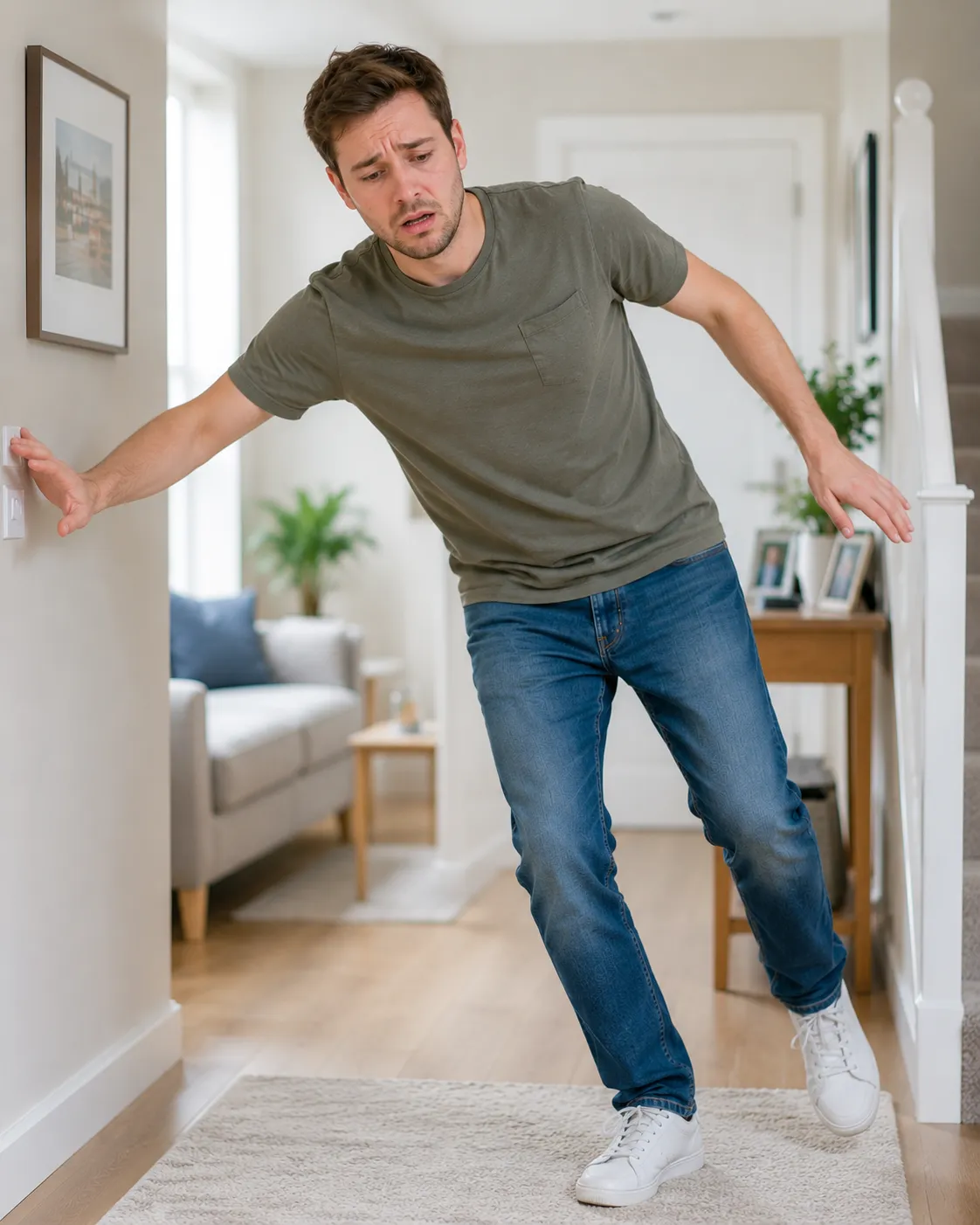
Every headache feels worrying.

Every dizzy spell makes you anxious.

You begin wondering...

"How can I stop another stroke from happening?"

The answer is...

While no one can eliminate the risk completely...

There is a great deal you can do to reduce it.

✦ ✦ ✦

The Good News

Many second strokes can be prevented.

By working closely with your healthcare team and making healthy lifestyle changes, you can significantly lower your risk.

Every positive choice you make...

Whether it's taking your medication, controlling your blood pressure or becoming more active...

Helps protect your brain.

✦ ✦ ✦

Why Is the Risk Higher After a Stroke?

Having one stroke means the conditions that caused it may still be present.

These may include:

✓ High blood pressure.

✓ High cholesterol.

✓ Diabetes.

✓ Heart disease.

✓ Atrial fibrillation.

✓ Narrowed arteries.

✓ Smoking.

✓ Obesity.

✓ Physical inactivity.

The good news is that many of these risk factors can be managed effectively.

✦ ✦ ✦

Take Your Medication as Prescribed

Medication is one of the most effective ways to reduce your risk of another stroke.

Depending on the cause of your stroke, your healthcare professional may prescribe:

✓ Antiplatelet medication, such as aspirin or clopidogrel.

✓ Anticoagulants (blood thinners) for conditions such as atrial fibrillation.

✓ Blood pressure medication.

✓ Cholesterol-lowering medication (statins).

✓ Diabetes medication.

Take your medication exactly as prescribed and never stop it without medical advice.

✦ ✦ ✦

Control Your Blood Pressure

High blood pressure is the biggest risk factor for stroke.

Even if you feel well, high blood pressure often has no symptoms.

You can help control it by:

✓ Taking prescribed medication.

✓ Reducing salt intake.

✓ Staying physically active.

✓ Maintaining a healthy weight.

✓ Limiting alcohol.

✓ Attending regular blood pressure checks.

Keeping your blood pressure within your target range greatly reduces stroke risk.

✦ ✦ ✦

Manage Your Cholesterol

High cholesterol can contribute to fatty deposits building up inside your arteries.

Your healthcare professional may recommend:

✓ Statin medication.

✓ A heart-healthy diet.

✓ Regular exercise.

✓ Weight management.

Lowering cholesterol helps reduce the risk of future strokes and heart disease.

✦ ✦ ✦

Stay Physically Active

Regular physical activity benefits both your brain and heart.

Depending on your recovery, suitable activities may include:

✓ Walking.

✓ Physiotherapy exercises.

✓ Swimming.

✓ Cycling.

✓ Strength exercises.

Aim to build activity gradually and follow the advice of your rehabilitation team.

✦ ✦ ✦

Eat a Healthy Diet

A balanced diet helps support overall cardiovascular health.

Try to:

✓ Eat plenty of fruit and vegetables.

✓ Choose wholegrains.

✓ Include lean sources of protein.

✓ Eat healthy fats, such as oily fish and nuts.

✓ Reduce foods high in salt, sugar and saturated fat.

Small, sustainable changes are often easier to maintain than strict diets.

✦ ✦ ✦

Stop Smoking

Smoking damages blood vessels and greatly increases the risk of another stroke.

Stopping smoking is one of the most effective ways to improve your long-term health.

Support is available through your healthcare team and smoking cessation services.

✦ ✦ ✦

Limit Alcohol

Drinking excessive amounts of alcohol can increase blood pressure and stroke risk.

If you drink alcohol, stay within your country's recommended guidelines and discuss any concerns with your healthcare professional.

✦ ✦ ✦

Manage Diabetes

If you have diabetes, keeping your blood sugar well controlled is an important part of stroke prevention.

Regular monitoring, healthy eating, physical activity and medication all play an important role.

✦ ✦ ✦

Treat Sleep Problems

Sleep disorders such as sleep apnoea are common after a stroke and may increase the risk of another stroke if left untreated.

Speak with your healthcare professional if you:

✓ Snore loudly.

✓ Stop breathing during sleep.

✓ Feel excessively tired during the day.

✓ Struggle with ongoing sleep problems.

Good-quality sleep supports both recovery and long-term health.

✦ ✦ ✦

Attend Your Follow-Up Appointments

Regular medical reviews allow your healthcare team to:

✓ Monitor your blood pressure.

✓ Review your medication.

✓ Check cholesterol levels.

✓ Assess your recovery.

✓ Identify new risk factors early.

These appointments are an important part of preventing another stroke.

✦ ✦ ✦

Look After Your Emotional Wellbeing

Recovery can be stressful.

Anxiety about another stroke is common.

Looking after your mental health can help you stay engaged with rehabilitation and maintain healthy routines.

Speak with your healthcare professional if anxiety or depression is affecting your daily life.

✦ ✦ ✦

When Should You Seek Medical Advice?

Speak with your healthcare professional if:

✓ You're struggling to take your medication.

✓ You develop new health problems.

✓ You have concerns about your blood pressure or cholesterol.

✓ You're unsure how to reduce your risk further.

Seek emergency medical attention immediately if you develop:

✓ Sudden weakness or numbness.

✓ Facial drooping.

✓ Slurred speech.

✓ Sudden loss of vision.

✓ Severe dizziness or loss of balance.

Even if symptoms improve quickly, seek urgent assessment, as this could be another stroke or a transient ischaemic attack (TIA).

✦ ✦ ✦

My Perspective

One of the biggest changes after my stroke...

Was realising that recovery didn't end when rehabilitation finished.

Every day afterwards...

The choices I made still mattered.

Taking medication.

Looking after my health.

Continuing to exercise.

Managing stress.

These weren't just healthy habits.

They became part of protecting the recovery I'd worked so hard to achieve.

✦ ✦ ✦

Frequently Asked Questions

Am I More Likely to Have Another Stroke?

Yes.

Having one stroke increases your risk of another, but appropriate treatment and healthy lifestyle changes can significantly reduce that risk.


Can I Prevent Another Stroke Completely?

No.

There is no guaranteed way to prevent every stroke.

However, controlling risk factors greatly reduces your chances.


What Is the Biggest Risk Factor for Another Stroke?

High blood pressure is one of the most important risk factors and controlling it is a key part of stroke prevention.


Is It Too Late to Reduce My Risk?

No.

It's never too late to make positive changes that benefit your heart, brain and overall health.

✦ ✦ ✦

Key Takeaways

✓ Many second strokes can be prevented.

✓ Take your medication exactly as prescribed.

✓ Control your blood pressure and cholesterol.

✓ Stay physically active.

✓ Eat a balanced diet.

✓ Stop smoking and limit alcohol.

✓ Attend regular follow-up appointments.

✓ Seek urgent medical attention if new stroke symptoms develop.

✦ ✦ ✦

Related Articles

Continue learning about stroke prevention:

  • Aspirin After a Stroke

  • Blood Thinners After a Stroke

  • Statins After a Stroke

  • Can You Have More Than One Stroke?

  • High Blood Pressure After a Stroke

✦ ✦ ✦

Final Thoughts

A second stroke...

Is something many survivors worry about.

But don't let that fear control your future.

Focus on what you can control.

Take your medication.

Look after your health.

Keep moving forward.

Every healthy decision you make today...

Is an investment in protecting your brain for tomorrow.

blog author avatar
Stroke Survivor and Author
Back to Blog

What you’ll learn

Why sitting balance can be affected after a stroke

Common problems people notice day to day

Simple rehabilitation approaches that may help

When changes in balance need medical attention

Why sitting balance matters

Sitting balance is often one of the foundations for standing, walking and everyday activities. After a stroke, some people find it difficult to sit upright without support, lean to one side, or feel unsteady when reaching.

The good news

Sitting balance often improves with rehabilitation, practice and time. Even small improvements can support confidence and independence.

Why can balance change after a stroke?

A stroke may affect several systems that help you stay upright, including strength, coordination, sensation, body awareness and balance control.

Strength

Trunk muscles may become weaker or slower to respond.

Coordination

Movements may feel less automatic or less controlled.

Sensation

You may have less feedback about where your body is in space.

Confidence

Fear of falling can make movement feel harder.

Common sitting problems after a stroke

  • Leaning to one side

  • Difficulty sitting upright without support

  • Feeling unstable when reaching

  • Falling or drifting backwards

  • Increased fatigue during longer periods of sitting

Some people may also experience pusher syndrome, where they actively push towards their weaker side. This should be assessed by a rehabilitation professional.

What May Help

Physiotherapy and occupational therapy often work on trunk control, weight shifting, posture, coordination and everyday activities.

Examples of exercises

  • Sitting unsupported for short periods

  • Gentle reaching tasks

  • Weight shifting from side to side

  • Trunk strengthening

  • Practising on different safe surfaces when appropriate

Keep it individual

Exercises should be matched to your own abilities and professional advice.

More detail: posture and positioning

Helpful strategies may include keeping both feet supported, maintaining an upright posture, and using supportive cushions when recommended.

More detail: fatigue and balance

Balance can become worse when you are tired. Regular rest periods and shorter practice sessions may help.

More detail: tips for family and carers

Encourage safe practice, avoid unexpected pulling or pushing, and help maintain good posture while celebrating small improvements.

When should you seek medical advice?

Arrange an appointment with a healthcare professional if sitting balance is worsening, falls are occurring, new weakness develops, or balance problems are significantly affecting daily activities.

Seek urgent medical attention for sudden new weakness, new speech difficulties, sudden confusion or sudden vision changes.

Key takeaways

Sitting balance is commonly affected after stroke.

Weakness, sensation and body awareness can all contribute.

Good sitting balance supports everyday activity and later mobility.

Recovery can continue over months and years.

Frequently asked questions

Is poor sitting balance common after a stroke?

Yes. Many stroke survivors experience difficulty with sitting balance, particularly during earlier stages of recovery.

Will my sitting balance improve?

Many people improve through rehabilitation, ongoing recovery and repeated practice.

Can exercises help?

Targeted exercises can help improve trunk control, balance and confidence when they are appropriate for the individual.

About Alisia

Alisia Gayle is a stroke survivor who achieved 96% neurological recovery following an ischaemic stroke.

After years of rehabilitation, she now shares practical, evidence-informed resources to help stroke survivors, carers and families better understand recovery and rebuild their lives with confidence.

Alisia is also the author of Brain Damage: My Journey to 96% Recovery, where she shares her personal stroke recovery story and the lessons she learned throughout her rehabilitation.

Next articles

Medical disclaimer

This article is intended for educational purposes only and should not replace professional medical advice, diagnosis or treatment.

Always seek advice from your doctor, physiotherapist or rehabilitation team regarding symptoms, concerns or changes in your condition.

Alisia Gayle is a stroke survivor, author, and advocate whose life was transformed in a single, ordinary day.

Contact us

800 1234 5678

FOLLOW US

Copyright 2026. Alisia Gayle | Stroke Recovery Through Lived Experience. All Rights Reserved.