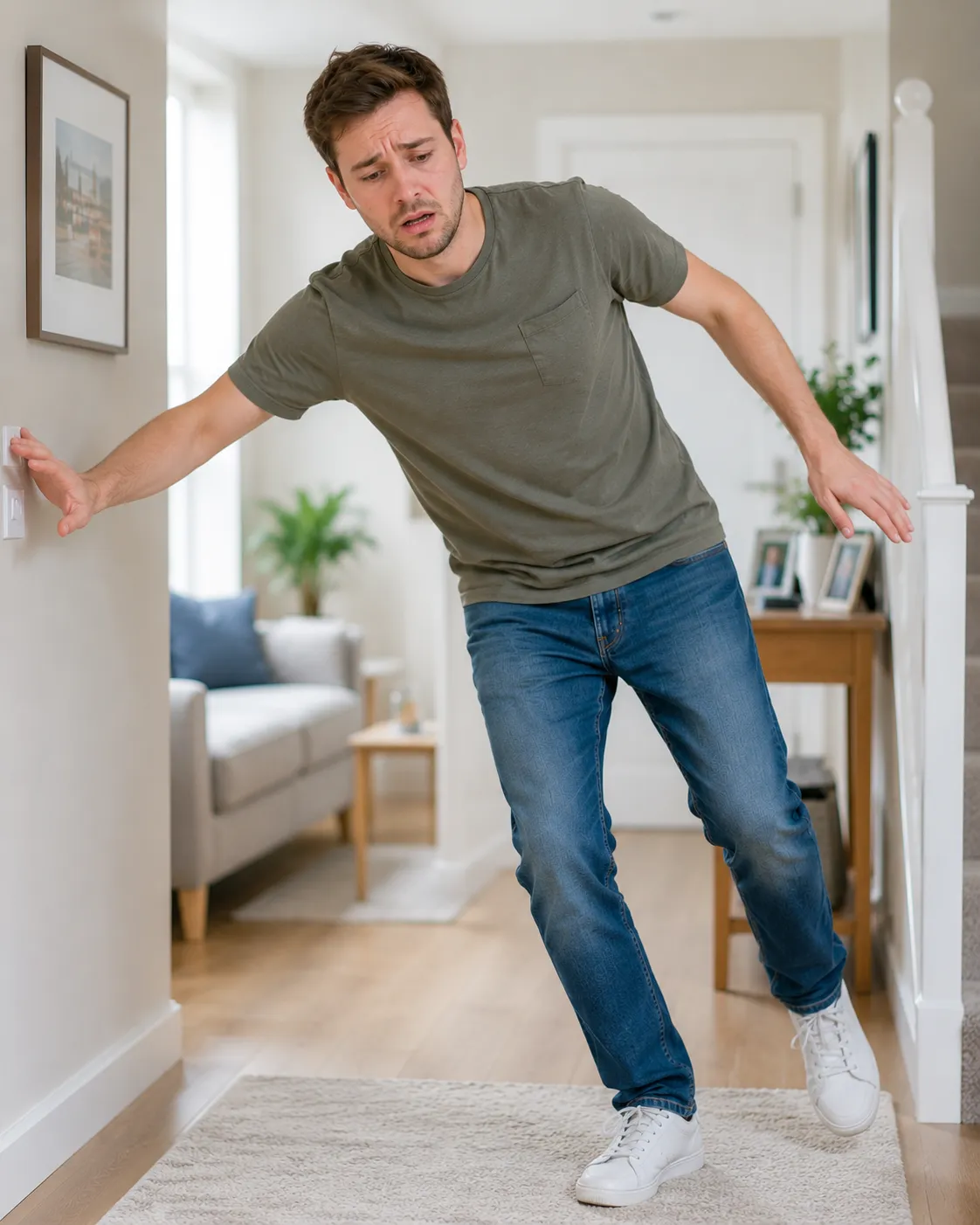
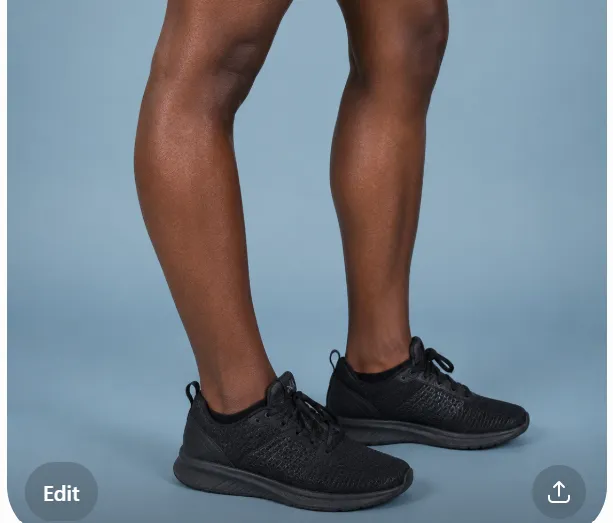
Knee hyperextension after stroke can make walking feel unstable, increase joint strain and affect your confidence. Learn why it happens, how it affects walking and the treatments that can help you move more safely.
You know exactly what your brain wants your leg to do.
Stand.
Step.
Walk.
But when you put weight through your leg...
Your knee moves backwards instead of staying stable.
Instead...
✓ Your knee locks backwards when you stand.
✓ Walking feels unstable or awkward.
✓ You may feel your knee "snap" backwards with each step.
✓ Standing for long periods may become uncomfortable.
This is called knee hyperextension, also known as genu recurvatum, and it is a common walking problem after stroke.
✦ ✦ ✦
The Good News
Many people improve significantly with rehabilitation and I am one of them.
There are several treatments that can improve knee control, walking efficiency and confidence.
Recovery doesn't happen overnight.
It happens through hundreds of small improvements.
One exercise.
One step.
One day at a time.
✦ ✦ ✦
What Is Knee Hyperextension?
Knee hyperextension, or genu recurvatum, occurs when the knee moves backwards beyond its normal straight position during standing or walking.
A healthy knee straightens to support your body weight but does not normally bend backwards.
After a stroke, weakness, muscle tightness or poor movement control can cause the knee to lock into this backward position instead.
Although it may feel as though the knee is providing extra stability, repeated hyperextension places abnormal stress on the joint and can make walking less efficient.
✦ ✦ ✦
Can a Stroke Cause Knee Hyperextension?
Yes.
Stroke is one of the most common causes of knee hyperextension.
The problem usually isn't the knee itself.
Instead, the stroke affects communication between your brain and the muscles that control your hip, knee and ankle.
When those muscles don't work together at the right time, the knee may move backwards as your body tries to keep you upright.
This often develops gradually as you begin walking again during rehabilitation.
✦ ✦ ✦
What Causes Knee Hyperextension After a Stroke?
Several factors can contribute to knee hyperextension after stroke.
Many stroke survivors experience more than one.
Weakness
Weakness in the quadriceps, hamstrings, gluteal muscles or ankle muscles can reduce the control needed to keep the knee stable during walking.
Foot Drop
If the foot cannot lift properly, the body may compensate by locking the knee backwards to clear the foot during walking.
Muscle Spasticity
Tight calf muscles can push the knee backwards as your body moves over the foot.
Poor Motor Control
The muscles may activate too early, too late or in the wrong sequence, making it difficult to control knee movement during each step.
Reduced Sensation
If sensation has been affected, you may not accurately feel where your knee is positioned, making it harder to control movement.
✦ ✦ ✦
Symptoms of Knee Hyperextension
Symptoms vary depending on the severity of the problem.
Common symptoms include:
✓ The knee locking backwards while walking.
✓ Pain at the front or back of the knee.
✓ Feeling unstable when standing.
✓ Difficulty walking long distances.
✓ Knee fatigue after walking.
✓ Reduced confidence when walking outdoors.
✓ Increased effort while walking.
Some people only notice knee hyperextension when they become tired, while others experience it with every step.
✦ ✦ ✦
How Does Knee Hyperextension Affect Walking?
When the knee repeatedly bends backwards, walking becomes less efficient.
Your body naturally develops compensatory movements to maintain balance and prevent falling.
Although these movements help you stay upright, they often increase the effort required to walk and may place additional strain on your hips, knees and lower back.
Reduced Walking Efficiency
A hyperextended knee cannot absorb shock as effectively as a normally moving knee.
Instead of moving smoothly through each step, walking often becomes stiff and awkward.
This can make even short distances feel much more tiring.
✦ ✦ ✦
Pain and Joint Strain
Repeatedly forcing the knee backwards places excessive stress on the ligaments, joint capsule and surrounding tissues.
Over time, this may lead to:
✓ Knee pain.
✓ Swelling.
✓ Joint irritation.
✓ Increased wear and tear.
The longer knee hyperextension continues, the greater the risk of long-term joint damage.
✦ ✦ ✦
Increased Energy Use
Walking with knee hyperextension requires your body to work much harder.
Other muscles begin compensating for the lack of normal knee control, increasing the effort needed for every step.
Many stroke survivors notice they become tired much more quickly than before.
✦ ✦ ✦
Reduced Confidence
When your knee unexpectedly snaps backwards, it can feel unstable.
Many people begin walking more slowly and cautiously because they worry about falling.
This loss of confidence often affects independence just as much as the physical problem itself.
✦ ✦ ✦
Can Knee Hyperextension Improve?
Yes.
Many stroke survivors experience significant improvement with rehabilitation.
Recovery depends on several factors, including:
✓ The severity of the stroke.
✓ Muscle strength.
✓ Walking pattern.
✓ Balance.
✓ Spasticity.
✓ Consistency of rehabilitation.
✓ Time.
One of the most encouraging aspects of stroke recovery is the brain's ability to adapt through neuroplasticity.
With repeated practice, the brain can strengthen the pathways responsible for controlling knee movement.
Many people continue improving months—and even years—after their stroke.
✦ ✦ ✦
How Is Knee Hyperextension Diagnosed?
A physiotherapist or rehabilitation specialist will usually assess:
✓ Your walking pattern.
✓ Muscle strength.
✓ Balance.
✓ Joint movement.
✓ Muscle tone.
✓ Foot position.
✓ Ankle movement.
✓ Functional mobility.
Watching you walk often provides valuable information about when the knee moves backwards and what may be causing it.
Sometimes video analysis is used to assess your walking pattern in greater detail.
✦ ✦ ✦
Treatment Options
Most people benefit from a combination of treatments rather than relying on one approach alone.
The aim is not simply to stop the knee moving backwards.
The goal is to improve walking quality, reduce pain and increase confidence.
✦ ✦ ✦
Physiotherapy
Physiotherapy remains the cornerstone of treatment.
Exercises may focus on:
✓ Strengthening the quadriceps.
✓ Strengthening the hamstrings.
✓ Improving gluteal muscle control.
✓ Balance training.
✓ Walking practice.
✓ Functional movement retraining.
Every repetition provides another opportunity for the brain to improve movement through neuroplasticity.
Recovery is built through consistent practice.
✦ ✦ ✦
Strengthening Exercises
Depending on your individual needs, exercises may include:
✓ Sit-to-stands.
✓ Mini squats.
✓ Step-ups.
✓ Heel raises.
✓ Single-leg balance exercises.
✓ Weight-shifting exercises.
Your physiotherapist will tailor these exercises to your walking pattern and stage of recovery.
✦ ✦ ✦
Ankle Foot Orthosis (AFO)
An Ankle Foot Orthosis (AFO) may help improve knee control as well as foot position.
By improving ankle alignment during walking, an AFO can reduce the forces that push the knee backwards.
For many stroke survivors, this results in:
✓ Improved stability.
✓ Better walking efficiency.
✓ Reduced knee pain.
✓ Increased confidence.
Some people wear an AFO temporarily during rehabilitation, while others benefit from longer-term use.
✦ ✦ ✦
Functional Electrical Stimulation (FES)
If knee hyperextension is related to foot drop, Functional Electrical Stimulation (FES) may also help.
By improving foot lift during walking, FES can encourage a more natural walking pattern and reduce compensatory movements that contribute to knee hyperextension.
Your rehabilitation team can advise whether FES is suitable for you.
✦ ✦ ✦
Managing Spasticity
If muscle tightness contributes to your knee hyperextension, treatment may include:
✓ Regular stretching.
✓ Positioning advice.
✓ Physiotherapy.
✓ Splinting.
✓ Medication or botulinum toxin injections where appropriate.
Reducing spasticity may allow the knee to move through a more normal walking pattern.
✦ ✦ ✦
Home Exercise Programme
Recovery doesn't only happen during therapy sessions.
Daily practice allows the brain to strengthen new movement patterns through repetition.
Small amounts of exercise performed consistently are often more effective than occasional long sessions.
Consistency is far more important than perfection.
✦ ✦ ✦
Practical Tips
Small adjustments can improve safety while you continue recovering.
Wear Supportive Footwear
Supportive shoes provide better stability than slippers or worn footwear.
Choose shoes that fit well and offer good grip.
✦ ✦ ✦
Avoid Rushing
Walking more slowly allows better control of knee movement and reduces the risk of falls.
✦ ✦ ✦
Practise Good Walking Technique
Focus on taking controlled, even steps rather than walking as quickly as possible.
Quality of movement is more important than speed.
✦ ✦ ✦
Manage Fatigue
Knee hyperextension often becomes more noticeable when muscles become tired.
Plan more demanding activities for times when your energy levels are highest.
Taking regular breaks is part of successful rehabilitation—not a sign of failure.
✦ ✦ ✦
When Should You Seek Medical Advice?
Speak with your healthcare professional if:
✓ Your knee pain suddenly becomes worse.
✓ You experience repeated falls.
✓ Your walking deteriorates.
✓ Your knee begins locking backwards more frequently.
✓ You notice increasing swelling.
✓ You develop new weakness.
Early assessment allows treatment to be adjusted before more serious problems develop.
My Perspective
I remember developing knee hyperextension during my own recovery.
At first, I didn't realise what was happening.
I simply knew something didn't feel right when I walked.
Each time I put weight through my leg, my knee seemed to snap backwards.
It felt unstable.
Walking became uncomfortable.
The longer I walked, the more noticeable it became.
Like many stroke survivors, I assumed it was something I would just have to live with.
Thankfully, that wasn't the case.
With the right rehabilitation, my walking gradually improved.
My knee became more controlled.
My confidence returned.
Recovery didn't happen because of one exercise or one therapy session.
It happened because of hundreds of small improvements repeated over time.
If you're experiencing knee hyperextension, don't lose hope.
It can improve.
✦ ✦ ✦
Frequently Asked Questions
Can Knee Hyperextension Recover After a Stroke?
Yes.
Many stroke survivors experience meaningful improvement through rehabilitation.
Recovery depends on the cause of the hyperextension, muscle strength, balance, walking pattern and the consistency of rehabilitation.
Even years after a stroke, further improvements may still be possible through neuroplasticity and continued practice.
✦ ✦ ✦
Will I Always Need an AFO?
Not necessarily.
Some people use an Ankle Foot Orthosis (AFO) temporarily while strength and movement improve.
Others continue wearing one because it improves stability, walking efficiency and confidence.
Whether you need an AFO long term depends on your individual recovery.
✦ ✦ ✦
Is Walking Good for Knee Hyperextension?
Yes.
Walking provides valuable practice for your brain and muscles.
However, it is important to focus on walking well, rather than simply walking further.
Your physiotherapist may recommend specific walking exercises, an AFO or other treatments to encourage a more normal walking pattern.
✦ ✦ ✦
Can Recovery Continue Years After a Stroke?
Yes.
The brain remains capable of adapting throughout life.
Many stroke survivors continue improving months—and even years—after their stroke.
Although progress often slows, it does not necessarily stop.
Every repetition provides another opportunity for your brain to strengthen the pathways involved in walking.
✦ ✦ ✦
Related Articles
You may also find these helpful:
• Foot Drop After Stroke
• Walking After a Stroke
• Gait Training After Stroke
• Leg Weakness After Stroke
• Balance Problems After Stroke
• Spasticity After Stroke
• Functional Electrical Stimulation (FES) After Stroke
• Ankle Foot Orthosis (AFO) After Stroke
• Falls After Stroke
• Neuroplasticity After Stroke
✦ ✦ ✦
Key Takeaways
✓ Knee hyperextension (genu recurvatum) is a common walking problem after stroke.
✓ It happens because communication between the brain and the muscles controlling the leg has been disrupted.
✓ Weakness, spasticity, poor motor control and foot drop can all contribute.
✓ Physiotherapy remains the cornerstone of treatment.
✓ AFOs, strengthening exercises and Functional Electrical Stimulation (FES) may improve walking for some people.
✓ Daily repetition helps strengthen movement through neuroplasticity.
✓ Many stroke survivors continue improving for months and even years after their stroke.
✦ ✦ ✦
About the Author
Alisia Gayle is a stroke survivor who achieved 96% neurological recovery following an ischaemic stroke.
After years of rehabilitation, she now shares practical, evidence-informed resources to help stroke survivors, carers and families better understand recovery and rebuild their lives with confidence.
Alisia is also the author of Brain Damage: My Journey to 96% Recovery, where she shares her personal stroke recovery story and the lessons she learned throughout her rehabilitation.
✦ ✦ ✦
Medical Disclaimer
This article is intended for educational purposes only and should not replace professional medical advice, diagnosis or treatment.
Always seek advice from your doctor, physiotherapist or rehabilitation team regarding symptoms, concerns or changes in your condition.
✦ ✦ ✦
Final Thoughts
Knee hyperextension can make every step feel uncertain.
But it doesn't have to define your recovery.
Every exercise you complete...
Every safe step you take...
Every improvement you notice...
Is another opportunity for your brain to learn.
Recovery rarely happens all at once.
It happens through patience.
Practice.
Persistence.
One step becomes another.
Those steps become confidence.
Confidence becomes independence.
And over time, those small improvements can take you much further than you ever imagined.