Muscle weakness after a stroke is one of the most common challenges survivors face. Learn why it happens, how it affects everyday life, treatment options, and how strength can improve through rehabilitation.
Your Brain Wants to Move. Your Muscles Struggle to Respond.
Before your stroke...
Standing up was automatic.
Walking happened without thinking.
Lifting a cup felt effortless.
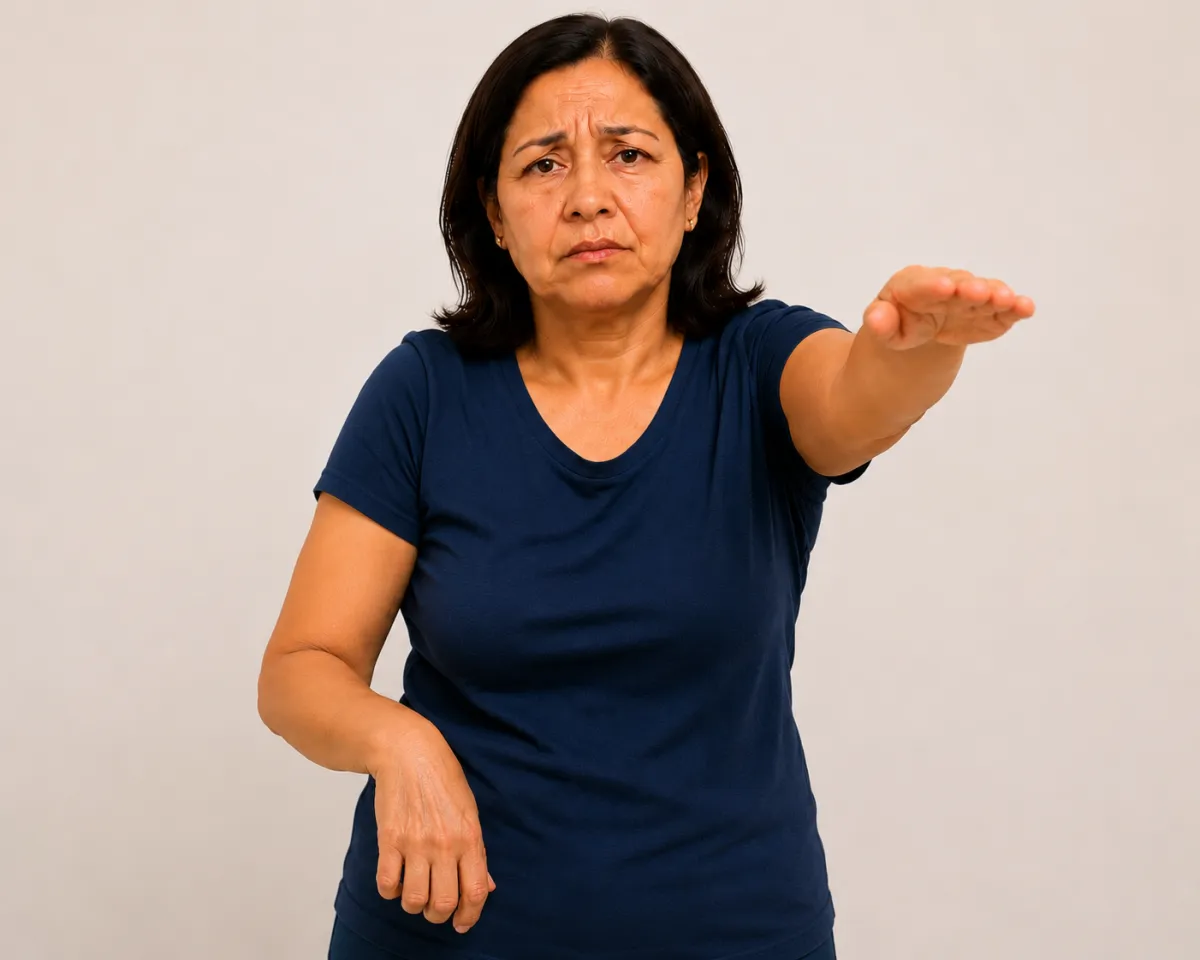
Now, even simple movements may feel difficult.
Instead…
✓ Your arm feels heavy.
✓ Your leg doesn't seem strong enough.
✓ You tire much more quickly.
✓ Everyday tasks require far more effort than they used to.
This is called muscle weakness, and it affects many stroke survivors.
✦ ✦ ✦
The Good News
Many people regain significant strength after a stroke.
Recovery often continues for months—and even years.
Although progress may feel slow, your brain is constantly learning through repetition and practice.
Recovery doesn't happen overnight.
It happens through hundreds of small improvements.
One exercise.
One movement.
One day at a time.
✦ ✦ ✦
What Is Muscle Weakness After a Stroke?
Muscle weakness is a reduction in the ability of a muscle to generate force.
After a stroke, the muscles themselves are often healthy.
The problem lies in the communication between the brain and the muscles.
When signals from the brain are disrupted, muscles cannot work as effectively as they once did.
This can affect one arm, one leg, one side of the body or, less commonly, both sides.
✦ ✦ ✦
Can a Stroke Cause Muscle Weakness?
Yes.
Muscle weakness is one of the most common effects of stroke.
The stroke damages areas of the brain responsible for controlling movement.
As a result, muscles may receive weaker, slower or incomplete instructions.
The muscles haven't forgotten how to move.
The brain simply has to rebuild those communication pathways.
✦ ✦ ✦
What Causes Muscle Weakness After a Stroke?
Several factors may contribute.
Reduced Brain Signals
The brain can no longer send strong, accurate signals to the muscles.
Without clear communication, movements become weaker and less controlled.
Muscle Loss
Reduced activity after a stroke often leads to muscle wasting.
Muscles gradually become smaller and weaker when they are not used regularly.
Poor Motor Control
Sometimes strength begins returning, but the brain still struggles to activate muscles in the correct sequence.
This can make movements feel awkward or inefficient.
Fatigue
Stroke-related fatigue makes muscles feel weaker, even when strength has started to improve.
Many survivors notice weakness becoming more obvious later in the day.
✦ ✦ ✦
Symptoms of Muscle Weakness
Symptoms vary depending on which muscles have been affected.
Common symptoms include:
✓ Difficulty lifting the arm.
✓ Difficulty standing from a chair.
✓ Reduced grip strength.
✓ Leg weakness while walking.
✓ Difficulty climbing stairs.
✓ Feeling heavy on one side.
✓ Poor balance.
✓ Reduced endurance.
Some people experience mild weakness.
Others require assistance with everyday activities.
✦ ✦ ✦
How Does Muscle Weakness Affect Everyday Life?
Muscle weakness can affect almost every aspect of daily living.
Simple activities such as dressing, preparing meals or carrying shopping may suddenly become challenging.
Walking often becomes slower.
Balance may feel less stable.
Many survivors also become less active because movement requires more effort.
This reduction in activity can lead to further weakness if rehabilitation is delayed.
✦ ✦ ✦
Can Muscle Weakness Improve?
Yes.
Many stroke survivors regain significant strength over time.
Recovery depends on:
✓ The size and location of the stroke.
✓ The severity of weakness.
✓ Early rehabilitation.
✓ Regular exercise.
✓ Consistency.
✓ Overall health.
Every repetition gives your brain another opportunity to strengthen the pathways controlling movement.
✦ ✦ ✦
How Is Muscle Weakness Assessed?
A physiotherapist will usually assess:
✓ Muscle strength.
✓ Joint movement.
✓ Balance.
✓ Walking ability.
✓ Functional activities.
✓ Muscle tone.
✓ Endurance.
These assessments help identify which muscles need the greatest attention during rehabilitation.
✦ ✦ ✦
Treatment Options
Most people benefit from a combination of rehabilitation approaches.
The goal is not simply to build stronger muscles.
The goal is to improve independence and quality of life.
✦ ✦ ✦
Physiotherapy
Physiotherapy forms the foundation of recovery.
Treatment may include:
✓ Strength training.
✓ Walking practice.
✓ Balance exercises.
✓ Functional task practice.
✓ Stretching.
Progress usually comes from regular practice rather than occasional intense sessions.
✦ ✦ ✦
Strength Training
Appropriately prescribed resistance exercises help muscles become stronger over time.
Exercises should gradually become more challenging as strength improves.
Building strength safely is more important than lifting heavy weights.
✦ ✦ ✦
Functional Practice
Practising real-life activities helps the brain reconnect movement with everyday tasks.
Examples include:
✓ Standing up.
✓ Walking.
✓ Reaching.
✓ Climbing stairs.
✓ Carrying household objects.
The more meaningful the activity, the more valuable the practice becomes.
✦ ✦ ✦
Electrical Stimulation
Some stroke survivors benefit from electrical stimulation to activate weakened muscles.
For suitable individuals, this may improve muscle activation while rehabilitation continues.
Your rehabilitation team can advise whether electrical stimulation is appropriate for you.
✦ ✦ ✦
Home Exercise Programme
Recovery doesn't stop when therapy ends.
Daily home exercises reinforce what the brain is learning.
Consistency is one of the biggest predictors of long-term improvement.
Small amounts of exercise performed regularly often produce better results than occasional long sessions.
✦ ✦ ✦
Practical Tips
Keep Moving
Avoid long periods of inactivity whenever possible.
Regular movement helps maintain strength and flexibility.
✦ ✦ ✦
Pace Yourself
Muscle weakness often becomes more noticeable when you're tired.
Plan demanding activities for times when your energy levels are highest.
✦ ✦ ✦
Focus on Quality
Slow, controlled movements are usually more effective than rushing through exercises.
Good movement patterns help the brain learn more efficiently.
✦ ✦ ✦
Celebrate Small Improvements
Recovery is rarely dramatic.
Many of the biggest achievements begin as tiny improvements that gradually build over time.
✦ ✦ ✦
When Should You Seek Medical Advice?
Speak with your healthcare professional if:
✓ Your weakness suddenly becomes worse.
✓ You experience new numbness or loss of movement.
✓ You develop repeated falls.
✓ You notice increasing pain.
✓ You struggle to complete activities you could previously manage.
Prompt assessment can identify whether changes are related to your stroke or another medical condition.
✦ ✦ ✦
My Perspective
I remember how frustrating weakness felt after my stroke.
My body knew what it wanted to do.
But it simply couldn't do it.
Some days, progress seemed invisible.
Then one day I realised something.
I could stand a little easier.
Walk a little further.
Carry something a little heavier.
Those tiny improvements eventually became meaningful recovery.
Looking back, strength didn't return all at once.
It returned one small achievement at a time.
✦ ✦ ✦
Frequently Asked Questions
Can muscle weakness improve after a stroke?
Yes. Many stroke survivors regain significant strength through rehabilitation and regular practice, although recovery varies from person to person.
✦ ✦ ✦
How long does muscle weakness last?
Some people improve within weeks, while others continue recovering for months or years.
Recovery timelines vary depending on the severity of the stroke and ongoing rehabilitation.
✦ ✦ ✦
Is exercise safe after a stroke?
For most people, yes.
Exercise should always be guided by your healthcare professional or physiotherapist to ensure it is appropriate for your individual needs.
✦ ✦ ✦
Can muscles become strong again?
Yes.
Although recovery differs for everyone, many survivors regain strength through consistent rehabilitation and repetition.
✦ ✦ ✦
Related Articles
You may also find these helpful:
Leg Weakness After a Stroke
Arm Weakness After a Stroke
Walking After a Stroke
Balance Problems After a Stroke
Neuroplasticity After Stroke
Fatigue After Stroke
Physiotherapy After Stroke
Strength Training After Stroke
✦ ✦ ✦
Key Takeaways
✓ Muscle weakness is one of the most common effects of stroke.
✓ It occurs because communication between the brain and muscles has been disrupted.
✓ Physiotherapy and strength training are central to recovery.
✓ Daily practice supports neuroplasticity and rebuilding movement.
✓ Recovery often happens gradually through hundreds of small improvements.
✦ ✦ ✦
About the Author
Alisia Gayle is a stroke survivor who achieved 96% neurological recovery following an ischaemic stroke.
After years of rehabilitation, she now shares practical, evidence-informed resources to help stroke survivors, carers and families better understand recovery and rebuild their lives with confidence.
Alisia is also the author of Brain Damage: My Journey to 96% Recovery, where she shares her personal stroke recovery story and the lessons she learned throughout her rehabilitation.
✦ ✦ ✦
Medical Disclaimer
This article is intended for educational purposes only and should not replace professional medical advice, diagnosis or treatment.
Always seek advice from your doctor, physiotherapist or rehabilitation team regarding symptoms, concerns or changes in your condition.
✦ ✦ ✦
Final Thoughts
Muscle weakness changes the way your body moves.
But it doesn't have to define what you can achieve.
Every exercise you complete...
Every movement you repeat...
Every small improvement...
Is another opportunity for your brain to learn.
Recovery rarely happens all at once.
It happens one step at a time.