
MOBILITY & PHYSICAL RECOVERY

Sitting Balance After a Stroke.

A calmer, easier-to-scan guide to why sitting balance can change after stroke, what may help, and when to seek professional advice.

Osteoporosis After a Stroke

Osteoporosis After a Stroke

July 06, 20266 min read

Osteoporosis after a stroke can increase the risk of fractures, particularly if mobility has been reduced or falls have occurred. Learn why stroke survivors may be at greater risk, how osteoporosis is diagnosed, and what you can do to protect your bones and maintain your independence.

After a stroke...

Most people focus on recovery.

Walking again.

Using their hand.

Improving their speech.

Very few people think about their bones.

But months after a stroke...

Bones can become weaker.

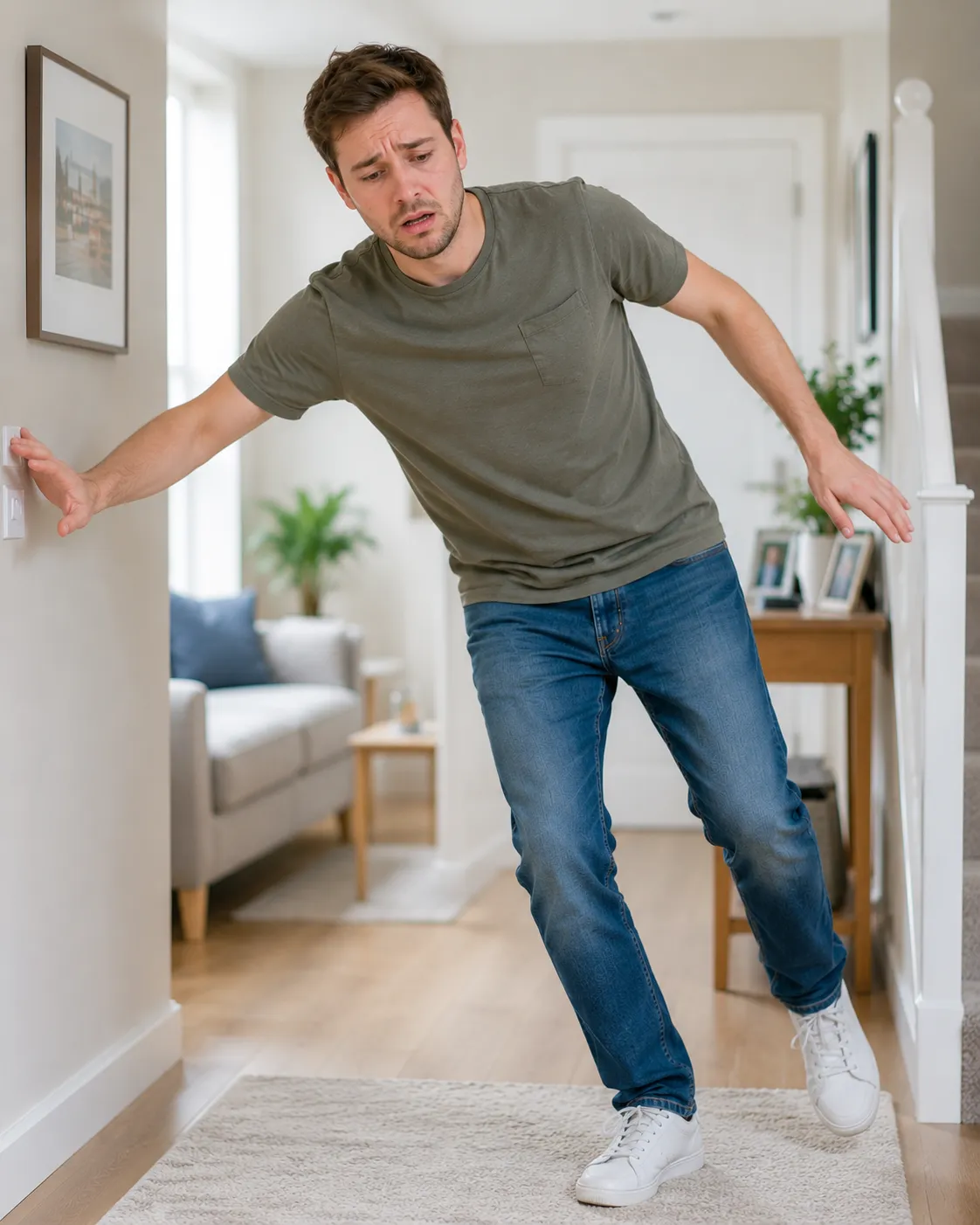
A simple fall can result in a fracture.

Something that once caused a bruise...

May now cause a broken bone.

The good news is that osteoporosis can often be prevented, detected and managed.

✦ ✦ ✦

The Good News

Healthy bones respond to healthy habits.

Even after a stroke, there are many things you can do to help protect your bones and reduce your risk of fractures.

Small changes today may help prevent serious injuries in the future.

✦ ✦ ✦

What Is Osteoporosis?

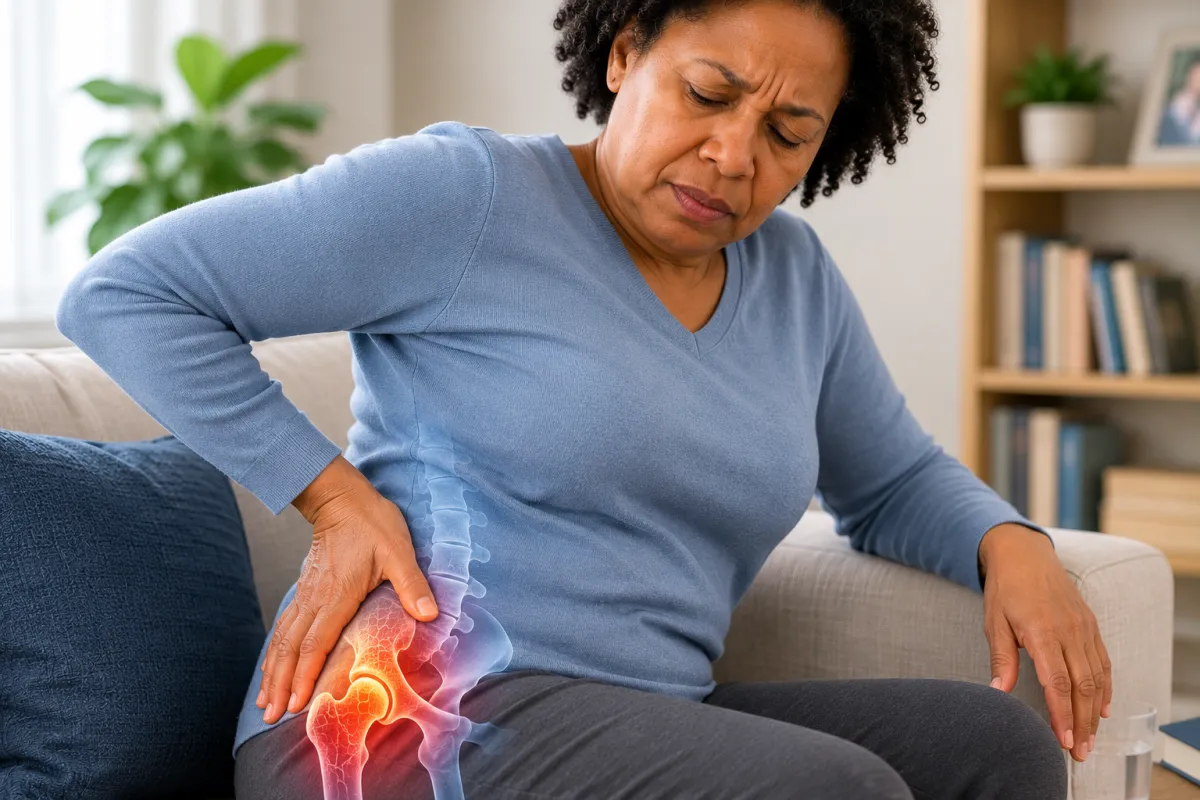
Osteoporosis is a condition that causes bones to become weaker, thinner and more fragile.

As bones lose density, they become more likely to break.

A minor fall that would once have caused little harm may result in a fracture of the:

✓ Hip.

✓ Wrist.

✓ Spine.

✓ Shoulder.

Many people don't realise they have osteoporosis until they break a bone.

✦ ✦ ✦

Why Are Stroke Survivors More at Risk?

A stroke doesn't directly cause osteoporosis.

However, several changes after a stroke can increase the risk of bone loss.

Reduced Mobility

Bones stay strong when they regularly carry weight.

After a stroke, reduced walking and standing mean bones receive less stimulation.

Over time, bone density may decrease.

✦ ✦ ✦

Less Weight Bearing

If one leg is affected, you may naturally place more weight through your stronger side.

The affected leg may gradually lose bone strength because it is used less.

✦ ✦ ✦

Reduced Physical Activity

Exercise helps maintain healthy bones.

When activity levels fall after a stroke, bones may gradually become weaker.

✦ ✦ ✦

Vitamin D Deficiency

Many people spend less time outdoors during recovery.

Lower sunlight exposure may reduce vitamin D levels, which are important for healthy bones.

✦ ✦ ✦

Increased Falls Risk

Stroke survivors are often at greater risk of falls because of:

✓ Weakness.

✓ Foot drop.

✓ Balance problems.

✓ Visual changes.

✓ Fatigue.

Weak bones combined with falls increase the chance of fractures.

✦ ✦ ✦

Symptoms of Osteoporosis

Osteoporosis is often called a "silent condition."

It usually causes no symptoms until a fracture occurs.

Possible signs include:

✓ A broken bone after a minor fall.

✓ Loss of height.

✓ Back pain caused by spinal fractures.

✓ A stooped posture.

Many people have no warning signs at all.

✦ ✦ ✦

How Is Osteoporosis Diagnosed?

Your doctor may assess your:

✓ Medical history.

✓ Falls history.

✓ Family history.

✓ Medication.

✓ Lifestyle.

You may also be referred for a DEXA scan, a specialised X-ray that measures bone density.

This helps determine whether your bones have become weaker than expected.

✦ ✦ ✦

How Can You Protect Your Bones?

Stay Active

Weight-bearing activities encourage bones to remain strong.

Depending on your abilities, this may include:

✓ Walking.

✓ Standing exercises.

✓ Balance training.

✓ Strength exercises.

Always follow advice from your rehabilitation team.

✦ ✦ ✦

Eat a Bone-Healthy Diet

Healthy bones need nutrients including:

✓ Calcium.

✓ Vitamin D.

✓ Protein.

A balanced diet supports both bone health and stroke recovery.

✦ ✦ ✦

Spend Time Outdoors

Safe sunlight exposure helps your body produce vitamin D.

If you're unable to get enough sunlight, your healthcare professional may recommend supplements.

✦ ✦ ✦

Stop Smoking

Smoking increases bone loss and affects overall health.

Stopping smoking benefits both your bones and your heart.

✦ ✦ ✦

Limit Alcohol

Excessive alcohol increases both falls risk and bone loss.

Moderation is important.

✦ ✦ ✦

Preventing Falls

Reducing falls is one of the best ways to prevent fractures.

Simple changes include:

✓ Wearing supportive footwear.

✓ Removing loose rugs.

✓ Keeping walkways clear.

✓ Improving lighting.

✓ Using walking aids if recommended.

✓ Continuing balance exercises.

Every prevented fall helps protect your bones.

✦ ✦ ✦

Medical Treatment

Some people may benefit from medication to strengthen their bones.

Your doctor will decide whether treatment is appropriate based on your:

✓ Bone density.

✓ Fracture risk.

✓ Medical history.

Continue taking medication exactly as prescribed.

✦ ✦ ✦

When Should You Speak to Your Doctor?

Arrange a medical review if you:

✓ Break a bone after a minor fall.

✓ Notice a loss of height.

✓ Develop persistent back pain.

✓ Have repeated falls.

✓ Have concerns about your bone health.

Early assessment may reduce your future fracture risk.

✦ ✦ ✦

My Perspective

During stroke recovery it's easy to focus only on movement.

I certainly did.

But recovery is about much more than learning to walk again.

It's also about protecting the body that carries you through recovery.

Looking after your bones today may help preserve your independence tomorrow.

✦ ✦ ✦

Frequently Asked Questions

Does Every Stroke Survivor Develop Osteoporosis?

No.

However, reduced mobility and reduced weight-bearing can increase the risk, particularly during long recoveries.

✦ ✦ ✦

Can Exercise Help Prevent Osteoporosis?

Yes.

Weight-bearing and strengthening exercises help maintain healthy bones while also supporting stroke recovery.

✦ ✦ ✦

Is Osteoporosis Reversible?

Treatment can often slow bone loss, improve bone strength and reduce fracture risk.

Your doctor can advise on the most appropriate treatment for your situation.

✦ ✦ ✦

Should I Take Calcium Supplements?

Not everyone needs supplements.

Your healthcare professional can advise whether calcium or vitamin D supplements are appropriate for you.

✦ ✦ ✦

Key Takeaways

✓ Osteoporosis causes bones to become weaker and more fragile.

✓ Stroke survivors may be at greater risk because of reduced mobility and falls.

✓ Weight-bearing exercise helps maintain bone strength.

✓ A healthy diet, vitamin D and physical activity all support bone health.

✓ Preventing falls is just as important as strengthening bones.

✓ Early assessment and treatment can reduce fracture risk.

✦ ✦ ✦

About the Author

Alisia Gayle is a stroke survivor who achieved 96% neurological recovery following an ischaemic stroke.

After years of rehabilitation, she now shares practical, evidence-informed resources to help stroke survivors, carers and families better understand recovery and rebuild their lives with confidence.

Alisia is also the author of Brain Damage: My Journey to 96% Recovery, where she shares her personal stroke recovery story and the lessons she learned throughout her rehabilitation.

✦ ✦ ✦

Medical Disclaimer

This article is intended for educational purposes only and should not replace professional medical advice, diagnosis or treatment.

Always seek advice from your doctor or healthcare professional regarding symptoms, concerns or changes in your condition.

✦ ✦ ✦

Final Thoughts

Strong bones support an active recovery.

Every step you take...

Every strengthening exercise...

Every healthy choice you make...

Helps protect your body for the future.

Recovery isn't only about rebuilding movement.

It's also about building a stronger foundation—one healthy habit at a time.

blog author avatar
Stroke Survivor and Author
Back to Blog

What you’ll learn

Why sitting balance can be affected after a stroke

Common problems people notice day to day

Simple rehabilitation approaches that may help

When changes in balance need medical attention

Why sitting balance matters

Sitting balance is often one of the foundations for standing, walking and everyday activities. After a stroke, some people find it difficult to sit upright without support, lean to one side, or feel unsteady when reaching.

The good news

Sitting balance often improves with rehabilitation, practice and time. Even small improvements can support confidence and independence.

Why can balance change after a stroke?

A stroke may affect several systems that help you stay upright, including strength, coordination, sensation, body awareness and balance control.

Strength

Trunk muscles may become weaker or slower to respond.

Coordination

Movements may feel less automatic or less controlled.

Sensation

You may have less feedback about where your body is in space.

Confidence

Fear of falling can make movement feel harder.

Common sitting problems after a stroke

  • Leaning to one side

  • Difficulty sitting upright without support

  • Feeling unstable when reaching

  • Falling or drifting backwards

  • Increased fatigue during longer periods of sitting

Some people may also experience pusher syndrome, where they actively push towards their weaker side. This should be assessed by a rehabilitation professional.

What May Help

Physiotherapy and occupational therapy often work on trunk control, weight shifting, posture, coordination and everyday activities.

Examples of exercises

  • Sitting unsupported for short periods

  • Gentle reaching tasks

  • Weight shifting from side to side

  • Trunk strengthening

  • Practising on different safe surfaces when appropriate

Keep it individual

Exercises should be matched to your own abilities and professional advice.

More detail: posture and positioning

Helpful strategies may include keeping both feet supported, maintaining an upright posture, and using supportive cushions when recommended.

More detail: fatigue and balance

Balance can become worse when you are tired. Regular rest periods and shorter practice sessions may help.

More detail: tips for family and carers

Encourage safe practice, avoid unexpected pulling or pushing, and help maintain good posture while celebrating small improvements.

When should you seek medical advice?

Arrange an appointment with a healthcare professional if sitting balance is worsening, falls are occurring, new weakness develops, or balance problems are significantly affecting daily activities.

Seek urgent medical attention for sudden new weakness, new speech difficulties, sudden confusion or sudden vision changes.

Key takeaways

Sitting balance is commonly affected after stroke.

Weakness, sensation and body awareness can all contribute.

Good sitting balance supports everyday activity and later mobility.

Recovery can continue over months and years.

Frequently asked questions

Is poor sitting balance common after a stroke?

Yes. Many stroke survivors experience difficulty with sitting balance, particularly during earlier stages of recovery.

Will my sitting balance improve?

Many people improve through rehabilitation, ongoing recovery and repeated practice.

Can exercises help?

Targeted exercises can help improve trunk control, balance and confidence when they are appropriate for the individual.

About Alisia

Alisia Gayle is a stroke survivor who achieved 96% neurological recovery following an ischaemic stroke.

After years of rehabilitation, she now shares practical, evidence-informed resources to help stroke survivors, carers and families better understand recovery and rebuild their lives with confidence.

Alisia is also the author of Brain Damage: My Journey to 96% Recovery, where she shares her personal stroke recovery story and the lessons she learned throughout her rehabilitation.

Next articles

Medical disclaimer

This article is intended for educational purposes only and should not replace professional medical advice, diagnosis or treatment.

Always seek advice from your doctor, physiotherapist or rehabilitation team regarding symptoms, concerns or changes in your condition.

Alisia Gayle is a stroke survivor, author, and advocate whose life was transformed in a single, ordinary day.

Contact us

800 1234 5678

FOLLOW US

Copyright 2026. Alisia Gayle | Stroke Recovery Through Lived Experience. All Rights Reserved.