
MOBILITY & PHYSICAL RECOVERY

Sitting Balance After a Stroke.

A calmer, easier-to-scan guide to why sitting balance can change after stroke, what may help, and when to seek professional advice.

Sleep Apnoea After a Stroke

Sleep Apnoea After a Stroke

July 08, 20267 min read

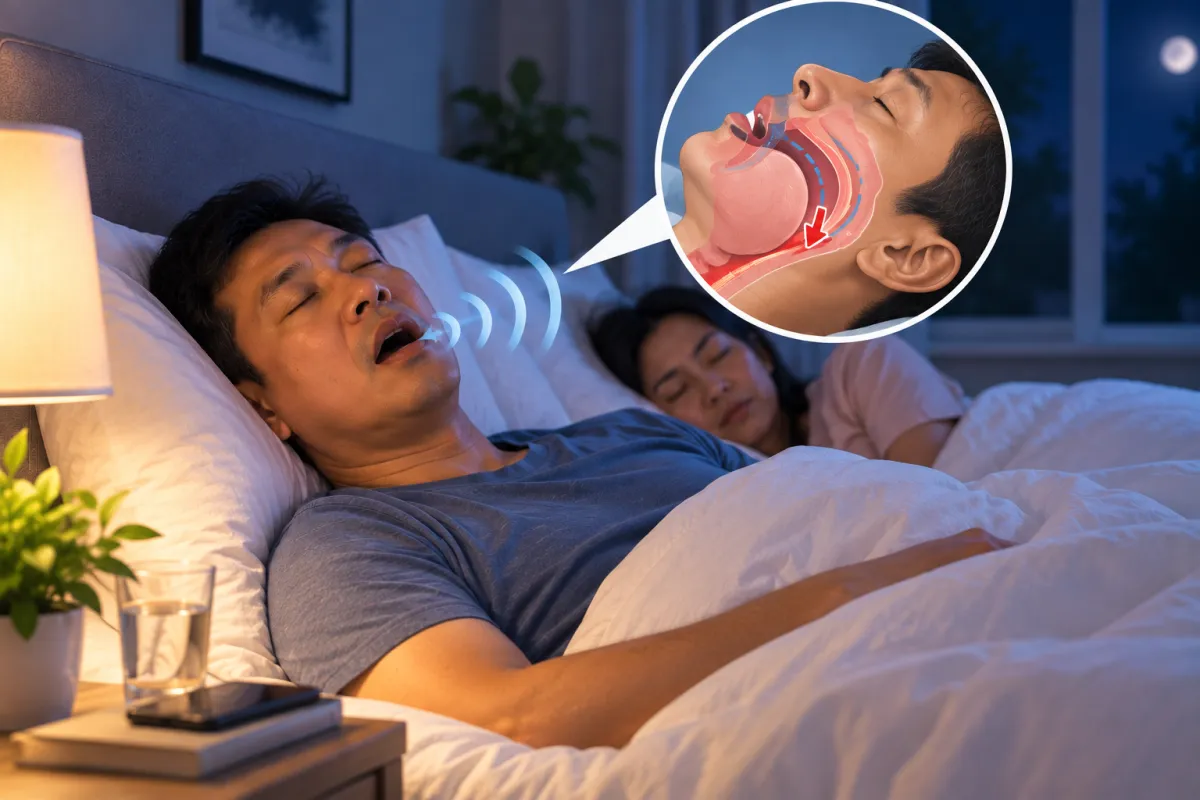
Sleep apnoea after a stroke is a common sleep disorder that causes repeated pauses in breathing while you sleep. These interruptions reduce oxygen levels, disturb sleep and may slow stroke recovery. Many stroke survivors don't realise they have sleep apnoea because it happens while they are asleep. Learn the signs, causes, treatments and why recognising sleep apnoea is important for your recovery.

After your stroke...

You wake up feeling exhausted.

You sleep for hours...

But never feel refreshed.

Your partner says...

You snore loudly.

Or...

They've noticed you stop breathing during the night.

You begin wondering...

"Could something be happening while I sleep?"

For many stroke survivors...

The answer is yes.

✦ ✦ ✦

The Good News

Sleep apnoea can often be diagnosed and treated.

Improving your sleep may increase your energy, support rehabilitation and improve your overall quality of life.

Many people notice a significant difference once their sleep apnoea is managed.

✦ ✦ ✦

What Is Sleep Apnoea?

Sleep apnoea is a condition where your breathing repeatedly stops and starts during sleep.

Each pause may last several seconds before your brain briefly wakes you enough to restart breathing.

Most people don't remember these awakenings.

However...

They prevent you from getting deep, restorative sleep.

✦ ✦ ✦

Can a Stroke Cause Sleep Apnoea?

Yes.

Sleep apnoea is common after a stroke.

Some people had undiagnosed sleep apnoea before their stroke.

Others develop it afterwards because the stroke affects the brain areas involved in controlling breathing or weakens the muscles that keep the airway open during sleep.

✦ ✦ ✦

Types of Sleep Apnoea

Obstructive Sleep Apnoea (OSA)

This is the most common type.

The muscles in the throat relax too much during sleep, temporarily blocking the airway.

✦ ✦ ✦

Central Sleep Apnoea (CSA)

This is less common.

The brain temporarily fails to send the normal signals telling the breathing muscles to work.

Some stroke survivors develop central sleep apnoea depending on the area of the brain affected.

✦ ✦ ✦

Symptoms

You may notice:

✓ Loud snoring.

✓ Waking up gasping for air.

✓ Morning headaches.

✓ Dry mouth on waking.

✓ Poor-quality sleep.

✓ Feeling extremely tired during the day.

✓ Difficulty concentrating.

✓ Memory problems.

✓ Irritability.

Often, a partner notices the pauses in breathing before the person affected does.

✦ ✦ ✦

Why Does Sleep Apnoea Matter After a Stroke?

Poor sleep affects your brain's ability to recover.

Sleep apnoea may:

✓ Reduce oxygen levels during sleep.

✓ Increase daytime fatigue.

✓ Reduce concentration.

✓ Slow rehabilitation.

✓ Affect memory.

✓ Worsen mood.

✓ Reduce quality of life.

Untreated sleep apnoea is also associated with an increased risk of future cardiovascular problems, including another stroke.

✦ ✦ ✦

How Is Sleep Apnoea Diagnosed?

If your doctor suspects sleep apnoea, they may recommend a sleep assessment.

This may involve:

✓ A home sleep study.

✓ An overnight sleep study in a specialist sleep centre.

These tests monitor:

✓ Breathing.

✓ Oxygen levels.

✓ Heart rate.

✓ Sleep patterns.

The results help determine whether sleep apnoea is present and how severe it is.

✦ ✦ ✦

Treatment Options

Treatment depends on the type and severity of your sleep apnoea.

✦ ✦ ✦

CPAP Therapy

The most common treatment for obstructive sleep apnoea is Continuous Positive Airway Pressure (CPAP).

A CPAP machine delivers gentle air pressure through a mask worn during sleep.

This helps keep your airway open and reduces breathing interruptions.

Many people notice improved energy and alertness once they become used to using CPAP.

✦ ✦ ✦

Lifestyle Changes

Your healthcare professional may recommend:

✓ Maintaining a healthy weight.

✓ Avoiding alcohol close to bedtime.

✓ Stopping smoking if you smoke.

✓ Sleeping on your side if appropriate.

These changes may help reduce symptoms in some people.

✦ ✦ ✦

Managing Other Medical Conditions

Treating nasal congestion, allergies or other health conditions may also improve breathing during sleep.

✦ ✦ ✦

Ongoing Stroke Rehabilitation

Improving your overall health through physiotherapy, exercise and healthy lifestyle habits supports both recovery and better sleep.

✦ ✦ ✦

Practical Tips

Don't Ignore Loud Snoring

Loud, regular snoring—especially if accompanied by pauses in breathing—should be discussed with your doctor.

✦ ✦ ✦

Take Daytime Sleepiness Seriously

Feeling constantly exhausted despite spending enough time in bed is not something you should simply accept.

✦ ✦ ✦

Use Your CPAP Machine Consistently

If you're prescribed CPAP, using it every night gives you the greatest benefit.

It may take time to adjust, but persistence often pays off.

✦ ✦ ✦

Maintain Good Sleep Habits

Keep a regular bedtime routine and create a quiet, comfortable sleeping environment.

Healthy sleep habits complement medical treatment.

✦ ✦ ✦

Attend Follow-Up Appointments

Sleep apnoea treatment sometimes needs adjustments.

Regular reviews help ensure your treatment is working effectively.

✦ ✦ ✦

Tips for Family and Carers

If you're supporting someone after a stroke:

✓ Watch for loud snoring or pauses in breathing.

✓ Encourage them to discuss symptoms with their doctor.

✓ Support consistent use of CPAP if prescribed.

✓ Encourage healthy sleep habits.

✓ Understand that daytime tiredness may have a medical cause.

Recognising sleep apnoea early can make a significant difference.

✦ ✦ ✦

When Should You Seek Medical Advice?

Arrange an appointment with your healthcare professional if:

✓ You snore loudly most nights.

✓ Someone notices you stop breathing during sleep.

✓ You regularly wake up gasping for air.

✓ You're excessively sleepy during the day.

✓ Poor sleep is affecting your recovery.

Seek urgent medical attention immediately if:

✓ You suddenly develop new weakness.

✓ You experience facial drooping.

✓ Your speech becomes slurred.

✓ You become confused.

These may be signs of another stroke.

✦ ✦ ✦

My Perspective

Sleep isn't simply about feeling rested.

It's one of the times when your brain works hardest to repair itself.

If your breathing is interrupted dozens of times every night...

Your brain never gets the uninterrupted rest it needs.

Treating sleep apnoea isn't just about sleeping better.

It's about giving your recovery the best possible chance.

✦ ✦ ✦

Frequently Asked Questions

Is Sleep Apnoea Common After a Stroke?

Yes.

Sleep apnoea is common in stroke survivors, and many people are unaware they have it until they are assessed.

✦ ✦ ✦

Can Treating Sleep Apnoea Help My Recovery?

Treating sleep apnoea may improve daytime alertness, energy levels and your ability to participate in rehabilitation.

It may also reduce the risk of future health complications.

✦ ✦ ✦

Is Snoring Always Sleep Apnoea?

No.

Many people snore without having sleep apnoea.

However, loud snoring combined with pauses in breathing, gasping or excessive daytime sleepiness should always be assessed by a healthcare professional.

✦ ✦ ✦

Will I Need to Use CPAP Forever?

Not everyone with sleep apnoea requires lifelong CPAP therapy.

The best treatment depends on the type and severity of your condition and should be reviewed regularly by your healthcare team.

✦ ✦ ✦

Key Takeaways

✓ Sleep apnoea is common after a stroke.

✓ It causes repeated pauses in breathing during sleep.

✓ Symptoms include loud snoring, gasping and excessive daytime tiredness.

✓ Sleep apnoea can affect recovery and increase the risk of future cardiovascular events.

✓ CPAP is the most common treatment for obstructive sleep apnoea.

✓ Early diagnosis and treatment can improve sleep and support stroke recovery.

✦ ✦ ✦

Related Articles

Continue learning about sleep and stroke recovery with these helpful guides:

  • Does Poor Sleep Slow Stroke Recovery? – Learn why good sleep is essential for brain healing and rehabilitation.

  • Is It Normal to Sleep All the Time After a Stroke? – Understand why excessive tiredness is common after a stroke.

  • Memory Problems After a Stroke – Discover how sleep and brain recovery influence memory and thinking.

  • Can Stress Make Stroke Symptoms Worse? – Learn how stress affects sleep and recovery.

  • Neuroplasticity After Stroke: How Your Brain Rewires Itself – Discover how sleep supports your brain's ability to rebuild after a stroke.

✦ ✦ ✦

Final Thoughts

Good sleep isn't a luxury after a stroke...

It's an important part of recovery.

If interrupted breathing is preventing your brain from getting the rest it needs...

Seeking help could make a real difference.

Every restful night...

Every uninterrupted breath...

Every step towards better sleep...

Supports your brain as it continues to heal.

Recovery happens while you're awake—and while you sleep.

blog author avatar
Stroke Survivor and Author
Back to Blog

What you’ll learn

Why sitting balance can be affected after a stroke

Common problems people notice day to day

Simple rehabilitation approaches that may help

When changes in balance need medical attention

Why sitting balance matters

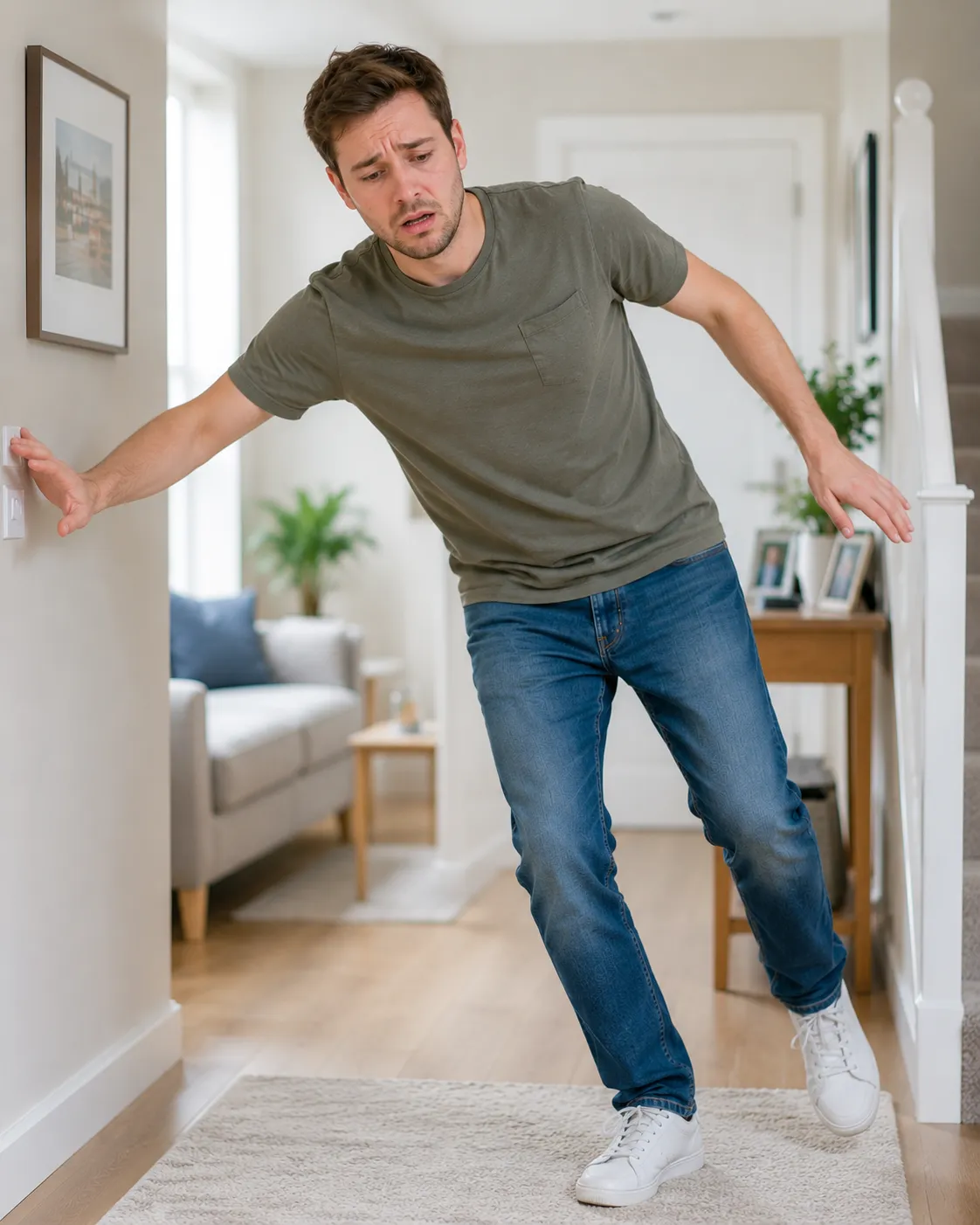
Sitting balance is often one of the foundations for standing, walking and everyday activities. After a stroke, some people find it difficult to sit upright without support, lean to one side, or feel unsteady when reaching.

The good news

Sitting balance often improves with rehabilitation, practice and time. Even small improvements can support confidence and independence.

Why can balance change after a stroke?

A stroke may affect several systems that help you stay upright, including strength, coordination, sensation, body awareness and balance control.

Strength

Trunk muscles may become weaker or slower to respond.

Coordination

Movements may feel less automatic or less controlled.

Sensation

You may have less feedback about where your body is in space.

Confidence

Fear of falling can make movement feel harder.

Common sitting problems after a stroke

  • Leaning to one side

  • Difficulty sitting upright without support

  • Feeling unstable when reaching

  • Falling or drifting backwards

  • Increased fatigue during longer periods of sitting

Some people may also experience pusher syndrome, where they actively push towards their weaker side. This should be assessed by a rehabilitation professional.

What May Help

Physiotherapy and occupational therapy often work on trunk control, weight shifting, posture, coordination and everyday activities.

Examples of exercises

  • Sitting unsupported for short periods

  • Gentle reaching tasks

  • Weight shifting from side to side

  • Trunk strengthening

  • Practising on different safe surfaces when appropriate

Keep it individual

Exercises should be matched to your own abilities and professional advice.

More detail: posture and positioning

Helpful strategies may include keeping both feet supported, maintaining an upright posture, and using supportive cushions when recommended.

More detail: fatigue and balance

Balance can become worse when you are tired. Regular rest periods and shorter practice sessions may help.

More detail: tips for family and carers

Encourage safe practice, avoid unexpected pulling or pushing, and help maintain good posture while celebrating small improvements.

When should you seek medical advice?

Arrange an appointment with a healthcare professional if sitting balance is worsening, falls are occurring, new weakness develops, or balance problems are significantly affecting daily activities.

Seek urgent medical attention for sudden new weakness, new speech difficulties, sudden confusion or sudden vision changes.

Key takeaways

Sitting balance is commonly affected after stroke.

Weakness, sensation and body awareness can all contribute.

Good sitting balance supports everyday activity and later mobility.

Recovery can continue over months and years.

Frequently asked questions

Is poor sitting balance common after a stroke?

Yes. Many stroke survivors experience difficulty with sitting balance, particularly during earlier stages of recovery.

Will my sitting balance improve?

Many people improve through rehabilitation, ongoing recovery and repeated practice.

Can exercises help?

Targeted exercises can help improve trunk control, balance and confidence when they are appropriate for the individual.

About Alisia

Alisia Gayle is a stroke survivor who achieved 96% neurological recovery following an ischaemic stroke.

After years of rehabilitation, she now shares practical, evidence-informed resources to help stroke survivors, carers and families better understand recovery and rebuild their lives with confidence.

Alisia is also the author of Brain Damage: My Journey to 96% Recovery, where she shares her personal stroke recovery story and the lessons she learned throughout her rehabilitation.

Next articles

Medical disclaimer

This article is intended for educational purposes only and should not replace professional medical advice, diagnosis or treatment.

Always seek advice from your doctor, physiotherapist or rehabilitation team regarding symptoms, concerns or changes in your condition.

Alisia Gayle is a stroke survivor, author, and advocate whose life was transformed in a single, ordinary day.

Contact us

800 1234 5678

FOLLOW US

Copyright 2026. Alisia Gayle | Stroke Recovery Through Lived Experience. All Rights Reserved.