Stress is not as simple a stroke risk factor as smoking or high blood pressure, but chronic stress can still matter after a stroke. Stress can temporarily raise blood pressure and may contribute to behaviours such as smoking, excessive alcohol use, poor sleep, inactivity and unhealthy eating. Because high blood pressure is the single biggest modifiable risk factor for stroke, managing prolonged stress can form an important part of reducing your overall risk of another stroke.
After your stroke...
You may become much more aware of stress.
An argument makes your heart race.
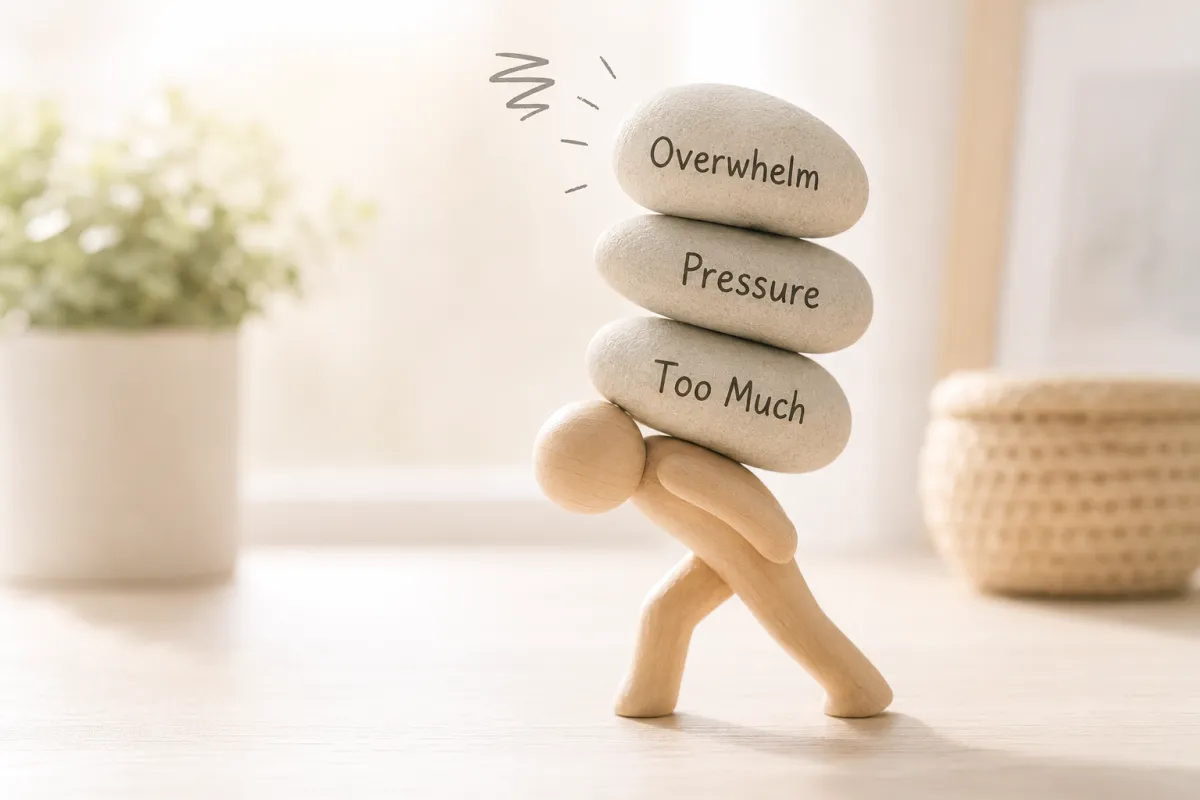
Work becomes overwhelming.
You have a terrible night's sleep.
Your blood pressure rises.
Perhaps you suddenly think:
"Can stress cause another stroke?"
"Am I putting myself in danger every time I get angry?"
"Should I avoid stressful situations completely?"
"Can anxiety raise my stroke risk?"
"What if my life is naturally stressful?"
These questions are understandable.
Particularly when you have already experienced a stroke.
But the relationship between stress and stroke is more complicated than:
Stress = another stroke.
Stress can affect your body.
It can affect your behaviour.
It can affect your blood pressure.
And prolonged stress may contribute to cardiovascular risk.
But feeling stressed occasionally does not mean you are about to have another stroke.
✦ ✦ ✦
The Good News
You do not need to eliminate every stressful situation from your life.
That would be impossible.
Work can be stressful.
Relationships can be stressful.
Parenting can be stressful.
Money can be stressful.
Recovery itself can be stressful.
The more realistic goal is to reduce chronic, unmanaged stress and prevent it from damaging the other areas of your stroke-prevention plan.
That means protecting:
✓ Your blood pressure
✓ Your sleep
✓ Your medication routine
✓ Your diet
✓ Your physical activity
✓ Your smoking status
✓ Your alcohol intake
The American Heart Association notes that chronic stress may contribute to high blood pressure and can also encourage behaviours such as smoking, overeating and physical inactivity that increase cardiovascular risk.
Stress management therefore does not need to be treated as some vague wellness exercise.
It can be part of protecting your cardiovascular health.
✦ ✦ ✦
Can Stress Really Cause Another Stroke?
This question needs a careful answer.
Stress is not usually treated in the same straightforward way as established risk factors such as:
✓ High blood pressure
✓ Smoking
✓ Atrial fibrillation
✓ Diabetes
✓ High cholesterol
But research has found associations between chronic psychological stress and increased stroke risk.
For example, observational research has linked higher levels of chronic stress with increased rates of stroke and TIA.
Association does not automatically prove that stress directly caused those strokes.
People experiencing chronic stress may also be more likely to:
Smoke.
Drink heavily.
Sleep badly.
Exercise less.
Eat poorly.
Miss medication.
Have uncontrolled blood pressure.
Those factors can themselves increase stroke risk.
So the most accurate conclusion is:
Stress may contribute to stroke risk both through physiological effects and through the behaviours it influences.
✦ ✦ ✦
Stress and Blood Pressure
This is perhaps the most important connection.
When you become stressed, your body releases stress hormones.
Your heart may beat faster.
Your blood vessels may constrict.
Your blood pressure may temporarily increase.
The Stroke Association explains that stress can raise blood pressure for a short period, although it generally returns towards normal as the stress passes.
The problem becomes more important if you already have hypertension.
High blood pressure is the biggest single modifiable stroke risk factor.
So if chronic stress contributes to poor blood-pressure control, managing that stress becomes relevant to your stroke-prevention strategy.
✦ ✦ ✦
Does One Stressful Day Cause a Stroke?
Usually, this is the wrong way to think about it.
Your boss annoys you.
Your child has a tantrum.
You receive a large bill.
You argue with someone.
Your heart beats faster.
That does not mean:
"I've just caused another stroke."
Short periods of stress are part of ordinary life.
Your body is designed to respond to challenges.
The bigger concern is prolonged stress combined with other cardiovascular risk factors.
For example:
High blood pressure.
Smoking.
Poor sleep.
Heavy alcohol use.
Inactivity.
Poor medication adherence.
Stress becomes much more relevant when it starts disrupting the behaviours that protect your health.
✦ ✦ ✦
Chronic Stress Is Different
Acute stress is temporary.
Something happens.
Your body responds.
The situation passes.
You recover.
Chronic stress is different.
You may feel under pressure:
Day after day.
Week after week.
Month after month.
Perhaps because of:
✓ Work problems
✓ Financial difficulties
✓ Relationship conflict
✓ Caring responsibilities
✓ Social isolation
✓ Ongoing illness
✓ Stroke recovery
✓ Fear of another stroke
Your nervous system may spend much more time activated.
The American Heart Association describes chronic stress as prolonged periods in which the body's stress response repeatedly remains in a heightened state, and notes its potential relationship with high blood pressure and cardiovascular risk.
That is why ongoing stress deserves attention.
✦ ✦ ✦
Fear of Another Stroke Can Become Its Own Stress
This is incredibly common.
You survive one stroke.
Then every physical sensation becomes suspicious.
A headache.
A tingling hand.
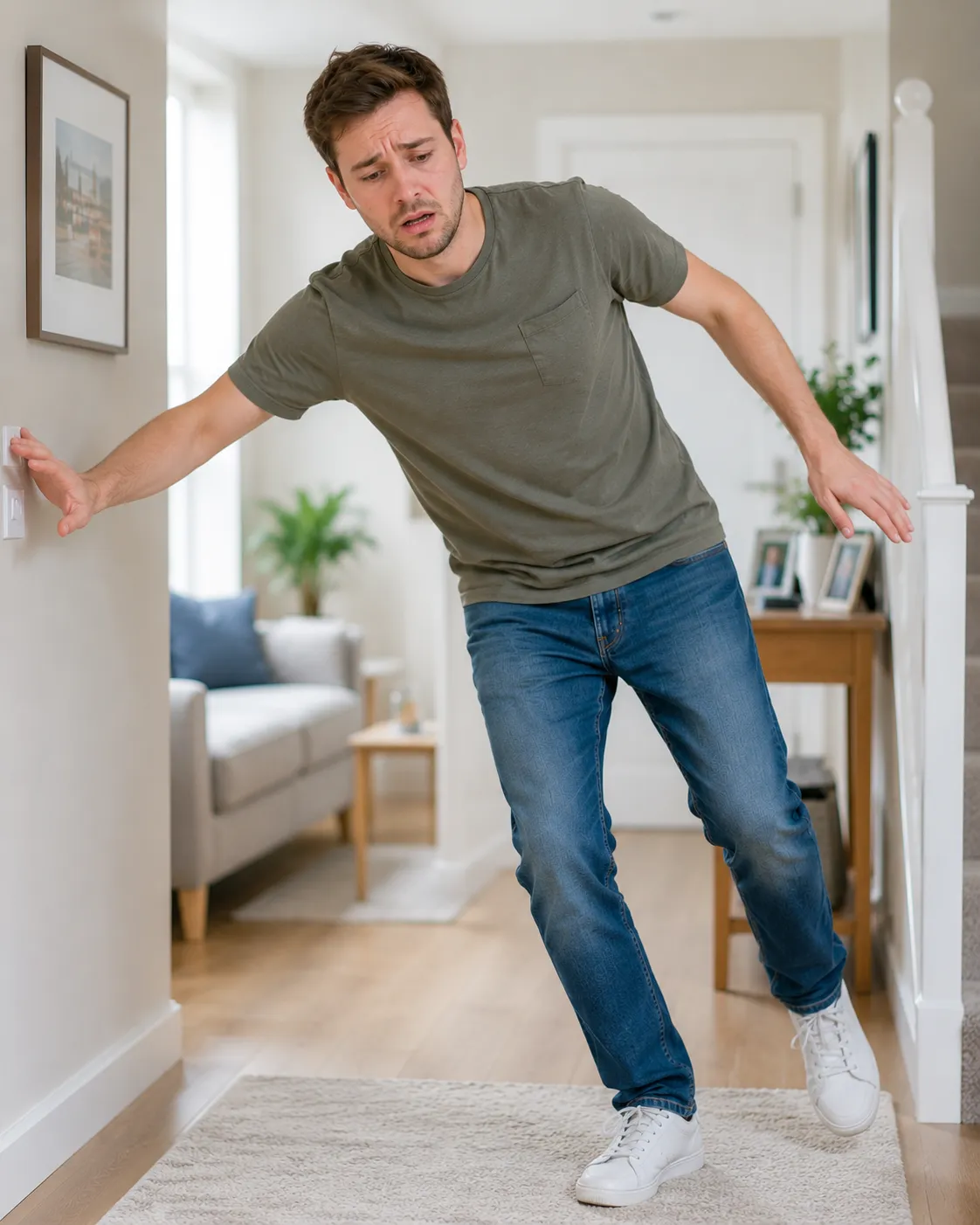
A moment of dizziness.
A forgotten word.
You immediately wonder:
"Is it happening again?"
That fear can itself become exhausting.
You check your blood pressure repeatedly.
You analyse every symptom.
You avoid exercise because you fear raising your heart rate.
You become afraid to travel.
Perhaps you stop doing things you enjoy.
There is an important balance here.
You should know the warning signs of stroke.
You should take new neurological symptoms seriously.
But constantly living as though another stroke is about to happen can severely affect your quality of life.
Risk reduction should help you live.
Not make you frightened of living.
✦ ✦ ✦
Stress and Smoking
Stress is one of the biggest reasons people return to smoking.
You may think:
"I've had an awful day. I need a cigarette."
If you stopped smoking after your stroke, stressful periods may make old habits particularly tempting.
This matters because smoking is a major modifiable risk factor for stroke.
The problem therefore may not be simply:
Stress → stroke.
It may be:
Stress → smoking → increased cardiovascular risk.
The same pattern can occur with other unhealthy coping mechanisms.
Understanding the chain makes it easier to intervene.
✦ ✦ ✦
Stress and Alcohol
Some people manage stress by drinking.
One drink after work becomes two.
Then several.
Perhaps drinking becomes the easiest way to relax.
But using alcohol as a primary coping strategy can create additional health problems.
It can interfere with:
✓ Blood pressure
✓ Sleep
✓ Weight
✓ Medication routines
✓ Decision making
✓ Overall cardiovascular health
Stress management should not create another stroke risk factor.
If alcohol has become your main method of switching off, it may be worth discussing this with an appropriate healthcare professional.
✦ ✦ ✦
Stress and Poor Diet
Stress changes eating behaviour for many people.
Some lose their appetite.
Others eat much more.
You may reach for:
✓ Takeaways
✓ Crisps
✓ Sweets
✓ Highly processed foods
✓ Salty foods
✓ Convenience meals
One difficult week is not going to destroy your entire prevention plan.
But chronic stress can gradually turn occasional eating habits into your normal routine.
That can affect:
Weight.
Blood pressure.
Cholesterol.
Blood sugar.
Instead of trying to achieve a perfect diet during stressful periods, simplify.
Keep easy healthy foods available.
Frozen vegetables.
Fruit.
Wholegrain options.
Beans.
Tinned fish.
Simple protein sources.
Healthy eating does not need to become another source of stress.
✦ ✦ ✦
Stress and Sleep
Stress and sleep often feed each other.
You are stressed...
So you cannot sleep.
Then you are exhausted...
So everything feels more stressful.
You lie awake thinking about:
Work.
Money.
Your health.
Your recovery.
Your future.
Poor sleep may also make it harder to maintain healthy behaviours during the following day.
You are more tired.
You exercise less.
You crave convenience food.
You may become more irritable.
If sleep problems continue for weeks or are significantly affecting your health, speak with your healthcare professional rather than accepting them as an inevitable consequence of stroke.
✦ ✦ ✦
Stress and Medication Adherence
This is an underrated issue.
After stroke, you may be prescribed medication for:
✓ Blood pressure
✓ Cholesterol
✓ Blood clot prevention
✓ Diabetes
✓ Atrial fibrillation
During highly stressful periods, routines can fall apart.
You forget tablets.
You take them late.
You run out.
You miss appointments.
You stop checking your blood pressure.
This can matter far more than whether you spent twenty minutes feeling angry yesterday.
Protect the basics.
Use:
✓ Pill organisers
✓ Phone reminders
✓ Prescription reminders
✓ Calendar alerts
✓ Repeat prescriptions
You do not need to rely on memory during chaotic periods.
Create systems.
✦ ✦ ✦
Stress and Exercise
Stress can affect exercise in two opposite ways.
Some people use exercise to manage stress.
Others stop exercising completely.
They think:
"I'm exhausted. I can't deal with exercise as well."
But physical activity can support both cardiovascular health and stress management.
The American Heart Association recommends regular exercise among healthy ways of managing stress and supporting blood-pressure control.
This does not mean punishing yourself with a brutal workout after a terrible day.
Something much simpler may help.
A walk.
Gentle cycling.
Swimming.
Stretching.
Strength exercises.
Movement can provide both physical and psychological benefits.
✦ ✦ ✦
What If Stress Makes Your Blood Pressure Rise?
Seeing a high reading can make you even more stressed.
Then you take it again.
It is higher.
Now you panic.
And take it again.
This can become a cycle.
Blood pressure naturally varies throughout the day, and stress can temporarily increase it.
What matters clinically is the overall pattern.
If you have concerns about your blood pressure, follow the monitoring plan recommended by your healthcare professional.
Do not adjust medication yourself because of one stressful reading.
And do not measure repeatedly every few minutes because you are frightened.
If readings remain unusually high or you have concerning symptoms, seek medical advice.
✦ ✦ ✦
High Blood Pressure Matters More Than How Stressed You Feel
This distinction is important.
You can feel perfectly relaxed and still have hypertension.
High blood pressure often causes no obvious symptoms. The NHS warns that untreated hypertension can lead to serious problems including stroke.
So do not assume:
"I've reduced my stress, therefore my stroke risk is controlled."
You still need to manage:
✓ Blood pressure
✓ Cholesterol
✓ Diabetes
✓ Atrial fibrillation
✓ Smoking
✓ Diet
✓ Physical activity
✓ Medication
Stress management belongs inside a bigger prevention strategy.
It does not replace it.
✦ ✦ ✦
You Cannot Relax Your Way Out of Every Stroke Risk Factor
This needs saying clearly.
Meditation does not replace blood-pressure medication.
Deep breathing does not treat atrial fibrillation.
A holiday does not remove an arterial blockage.
Yoga does not replace anticoagulation when anticoagulation is medically necessary.
Stress management can be valuable.
But turning it into a cure-all is dangerous.
Stroke prevention works best when the actual medical cause and risk factors are identified and treated appropriately.
That may involve:
Medication.
Medical monitoring.
Lifestyle changes.
Surgery or procedures in selected cases.
And stress management.
Not stress management instead of everything else.
✦ ✦ ✦
How Can You Reduce Stress After Stroke?
There is no single method that works for everyone.
Useful strategies may include:
✓ Regular physical activity
✓ Adequate sleep
✓ Structured routines
✓ Relaxation techniques
✓ Time outdoors
✓ Reducing unnecessary commitments
✓ Talking to supportive people
✓ Setting boundaries
✓ Professional psychological support
✓ Taking regular breaks
The goal is not:
"Never feel stressed."
The goal is:
"Recover from stress more effectively and stop it controlling my behaviour."
That is much more realistic.
✦ ✦ ✦
Breathing and Relaxation Techniques
Simple relaxation techniques may help reduce the physical sensation of stress.
You might try:
Slow breathing.
Progressive muscle relaxation.
Mindfulness.
Quiet time without screens.
Guided relaxation.
These techniques are not magic.
And they do not prevent strokes by themselves.
Their value is that they may help you come down from a highly activated state and reduce the tendency to cope through unhealthy behaviours.
If a five-minute breathing exercise stops you reaching for a cigarette...
That matters.
✦ ✦ ✦
Exercise Can Be a Powerful Stress Outlet
Movement gives stress somewhere to go.
You may notice that after walking:
Your breathing settles.
Your thoughts feel clearer.
Your body feels less tense.
Exercise also contributes directly to cardiovascular health.
So it serves two purposes.
You are not simply trying to "calm down."
You are also doing something that supports stroke prevention.
If your mobility is limited after stroke, activity can still be adapted.
Consider:
✓ Seated exercise
✓ Supported walking
✓ Resistance exercises
✓ Physiotherapy exercises
✓ Gentle cycling
✓ Water-based exercise where appropriate
Start at the level your body can safely manage.
✦ ✦ ✦
Set Boundaries
Sometimes stress management advice becomes absurdly passive.
"Just relax."
But what if the actual problem is that you are overloaded?
Too much work.
Too many commitments.
Too many people demanding your time.
Too little rest.
In that situation, another breathing exercise may not solve the real problem.
You may need boundaries.
That might mean:
✓ Saying no
✓ Delegating tasks
✓ Reducing unnecessary commitments
✓ Taking proper breaks
✓ Separating work from home
✓ Asking for appropriate workplace adjustments
✓ Limiting exposure to repeatedly stressful situations
Stress management sometimes means changing the environment.
Not simply teaching yourself to tolerate everything.
✦ ✦ ✦
Work Stress After Stroke
Returning to work can create significant stress.
You may worry about:
Performance.
Fatigue.
Memory.
Job security.
Colleagues.
Deadlines.
Being judged.
You may also try too hard to prove that you are completely recovered.
So you:
Skip breaks.
Work late.
Take on too much.
Ignore fatigue.
This can become unsustainable.
A phased return, flexible working pattern or reasonable adjustments may help some stroke survivors manage work more effectively.
Your objective is not to prove that stress cannot affect you.
Your objective is to build a sustainable working life.
✦ ✦ ✦
Financial Stress
Stroke can affect income.
You may have been unable to work.
Perhaps your partner became the main earner.
Medical costs may increase.
You worry about:
Mortgage payments.
Rent.
Bills.
Employment.
Savings.
Financial stress cannot always be solved by relaxation.
Sometimes practical help is required.
That could involve:
✓ Benefits advice
✓ Debt advice
✓ Workplace discussions
✓ Insurance claims
✓ Financial planning
✓ Returning to work gradually where appropriate
Do not reduce every type of stress to a psychological problem.
Sometimes the problem is genuinely practical and needs a practical solution.
✦ ✦ ✦
Relationship Stress
Stroke can change relationships.
Partners may become carers.
Responsibilities shift.
Financial pressure increases.
Communication becomes harder.
You may feel misunderstood.
Your partner may feel overwhelmed.
Repeated conflict can create another source of chronic stress.
If relationship difficulties become persistent, support from counselling, rehabilitation teams or other appropriate services may help.
Again, the objective is not to create a perfectly peaceful life.
It is to prevent unresolved stress becoming your normal state.
✦ ✦ ✦
Social Isolation Can Also Be Stressful
Stress is not always caused by having too much happening.
Sometimes it comes from having too little connection.
After stroke, you may:
Leave work.
Stop driving.
Lose friendships.
Spend more time at home.
Avoid social activities.
Feel nobody understands what happened.
Isolation can make recovery harder emotionally.
Consider maintaining connection through:
✓ Family
✓ Friends
✓ Stroke groups
✓ Community activities
✓ Online communities
✓ Rehabilitation programmes
✓ Hobbies
Social connection does not eliminate medical stroke risk.
But it can make long-term recovery more manageable.
✦ ✦ ✦
Do Not Use "Avoid Stress" as an Excuse to Stop Living
This is important.
After stroke, someone may tell you:
"You need to avoid stress."
Taken literally, that advice can become ridiculous.
Driving is stressful.
Working is stressful.
Travelling is stressful.
Exercise can temporarily feel stressful.
Parenting is stressful.
Life contains pressure.
You cannot protect yourself by withdrawing from everything.
The goal is not a life without challenge.
It is a life where stress is managed rather than allowed to dominate your health.
Do not let fear of another stroke become the reason you stop rebuilding your life.
✦ ✦ ✦
What About Anger?
Anger creates a strong physiological stress response.
Your heart rate may increase.
Your blood pressure may rise temporarily.
But having an argument does not automatically mean you are about to have another stroke.
The bigger concern is repeated, uncontrolled anger combined with cardiovascular risk factors.
If anger has become difficult to control after your stroke, discuss it with your healthcare team.
Stroke itself can sometimes affect emotional regulation.
Support may therefore need to address both psychological and neurological factors.
✦ ✦ ✦
What About Anxiety?
Anxiety after stroke can be significant.
You may become anxious about:
✓ Another stroke
✓ Being alone
✓ Driving
✓ Work
✓ Exercise
✓ Medical appointments
✓ Physical symptoms
Anxiety can also produce physical sensations such as:
✓ Racing heart
✓ Shaking
✓ Tingling
✓ Dizziness
✓ Chest tightness
This can be frightening when you have previously experienced a neurological emergency.
But do not automatically label new neurological symptoms as anxiety.
If you experience sudden facial weakness, arm weakness, speech problems or other new stroke symptoms, seek urgent medical help.
Diagnosis comes before reassurance.
✦ ✦ ✦
When Should You Get Help for Stress?
Consider speaking to your GP, stroke team or another healthcare professional if stress is:
✓ Persistent
✓ Affecting your sleep
✓ Affecting your relationships
✓ Preventing you from working
✓ Causing you to smoke or drink heavily
✓ Making you miss medication
✓ Causing severe anxiety
✓ Making you afraid to leave home
✓ Significantly affecting your quality of life
Professional support may include:
Counselling.
Psychological therapy.
Medication where appropriate.
Stroke-specific psychological support.
Stress should not have to become catastrophic before you ask for help.
✦ ✦ ✦
My Perspective
After a stroke, stress can become frightening in a way it never was before.
Before your stroke, you might have said:
"I'm stressed."
Afterwards, you may think:
"This stress is going to cause another stroke."
That fear can become another burden.
I think it is more useful to focus on what stress is actually doing.
Is it raising your blood pressure repeatedly?
Are you smoking because of it?
Drinking more?
Sleeping badly?
Missing medication?
Eating badly?
Stopping exercise?
If the answer is yes...
Those are the areas to tackle.
You do not need to become permanently calm.
You need a cardiovascular risk-management plan that continues working even when life becomes difficult.
That is a much stronger goal.
Because stressful things will happen.
Recovery itself guarantees that.
The question is whether those stressful periods are allowed to dismantle everything else you are doing to protect your health.
✦ ✦ ✦
When Should You Seek Emergency Medical Help?
Stress can produce uncomfortable symptoms.
But never assume sudden neurological symptoms are simply stress.
Seek emergency medical attention if you develop sudden:
✓ Facial drooping
✓ Arm or leg weakness
✓ One-sided numbness
✓ Slurred speech
✓ Difficulty speaking
✓ Difficulty understanding speech
✓ Sudden visual loss
✓ Severe coordination problems
✓ Other new stroke-like symptoms
Remember FAST.
If stroke is suspected, act urgently.
Do not spend time deciding whether stress caused the symptoms.
✦ ✦ ✦
Frequently Asked Questions
Can Stress Cause a Second Stroke?
The relationship is complex.
Chronic stress has been associated with increased cardiovascular and stroke risk, but it may act through several pathways, including blood pressure and health behaviours.
Can Stress Raise Blood Pressure?
Yes.
Stress can temporarily raise blood pressure.
If you already have hypertension, maintaining good blood-pressure control remains particularly important.
Will One Argument Cause Another Stroke?
An ordinary episode of stress or anger does not mean another stroke is inevitable.
Focus on your overall cardiovascular risk and long-term patterns rather than becoming frightened by every stressful moment.
Should I Avoid Stress Completely?
No.
That is unrealistic.
The goal is to manage chronic stress effectively and prevent it interfering with your health behaviours.
Can Exercise Help With Stress?
Yes.
Regular physical activity is one of the healthy strategies recommended for managing stress and supporting cardiovascular health.
Can Anxiety Feel Like a Stroke?
Anxiety can produce physical symptoms, but sudden neurological symptoms should not be diagnosed as anxiety without appropriate medical assessment.
Is Blood Pressure More Important Than Stress?
High blood pressure is a major established stroke risk factor and requires proper management whether you feel stressed or completely relaxed.
✦ ✦ ✦
Key Takeaways
✓ Chronic stress may contribute to cardiovascular and stroke risk.
✓ Stress can temporarily increase blood pressure.
✓ High blood pressure is one of the most important modifiable stroke risk factors.
✓ Stress can encourage behaviours such as smoking, excessive drinking, poor eating and inactivity.
✓ Stress can disrupt sleep and medication routines.
✓ Managing stress should complement—not replace—medical stroke prevention.
✓ Exercise, sleep, boundaries, relaxation and practical problem-solving may all help.
✓ You do not need to eliminate every stressful situation from your life.
✓ Do not assume new neurological symptoms are caused by stress.
✓ Stroke prevention is about managing your overall risk rather than fearing individual stressful moments.
✦ ✦ ✦
Related Articles
Continue learning about reducing the risk of another stroke:
How to Prevent a Second Stroke
High Blood Pressure After Stroke
Smoking After Stroke
Exercise and Stroke Prevention
Mediterranean Diet After Stroke
Cholesterol and Stroke Risk
Atrial Fibrillation and Stroke
Sleep After Stroke
Anxiety After Stroke
Fear of Another Stroke
Returning to Work After a Stroke
Financial Stress After Stroke
✦ ✦ ✦
About the Author
Alisia Gayle is a stroke survivor who achieved 96% neurological recovery following an ischaemic stroke.
After years of rehabilitation, she now shares practical, evidence-informed resources to help stroke survivors, carers and families better understand recovery and rebuild their lives with confidence.
Alisia is also the author of Brain Damage: My Journey to 96% Recovery, where she shares her personal stroke recovery story and the lessons she learned throughout her rehabilitation.
✦ ✦ ✦
Medical Disclaimer
This article is intended for educational purposes only and should not replace professional medical advice, diagnosis or treatment.
Stroke risk depends on many individual factors, including the cause of your previous stroke, blood pressure, cholesterol, heart rhythm, diabetes, smoking and other medical conditions.
Stress-management techniques should complement rather than replace prescribed medication or medical treatment.
If stress, anxiety or low mood is significantly affecting your daily life, speak with your GP, stroke team or another appropriate healthcare professional.
If you develop sudden new stroke symptoms, seek emergency medical help immediately.
✦ ✦ ✦
Final Thoughts
Stress after stroke...
Can feel frightening.
You may notice your heart racing.
Your blood pressure rising.
Your thoughts spiralling.
And immediately wonder:
"Is this going to cause another stroke?"
Do not allow that fear to become another permanent source of stress.
Instead...
Focus on the things you can influence.
Control your blood pressure.
Take your medication.
Do not smoke.
Keep active.
Eat well.
Protect your sleep.
Reduce unnecessary pressure where you can.
Ask for help when life becomes overwhelming.
And find healthier ways to cope when stress cannot be avoided.
You cannot create a completely stress-free life.
Nobody can.
But you can stop stress from quietly dismantling the habits and treatments protecting your cardiovascular health.
Because preventing another stroke is not about achieving perfect calm.
It is about building a life in which your health remains protected...
Even when life is difficult.