
MOBILITY & PHYSICAL RECOVERY

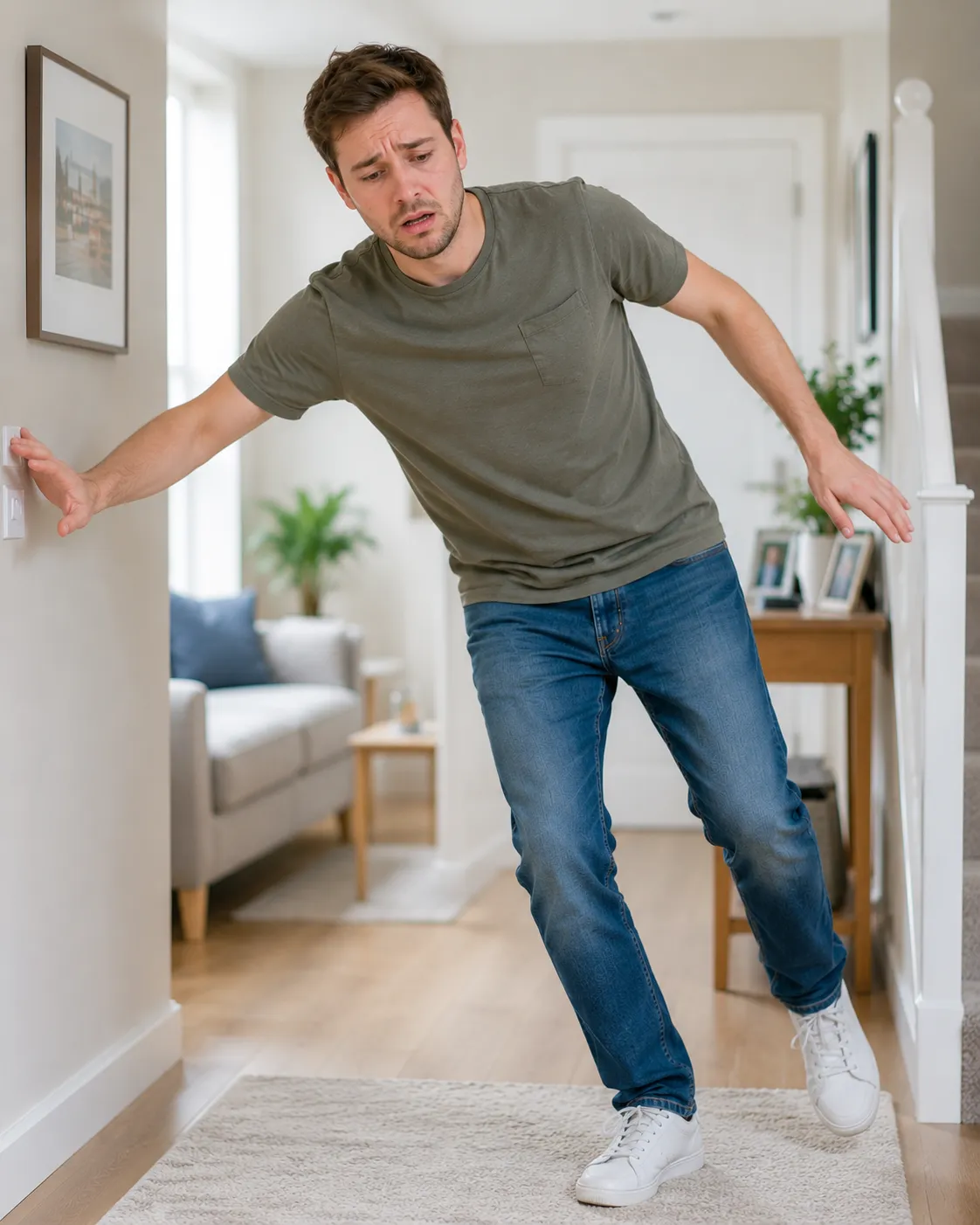
Sitting Balance After a Stroke.

A calmer, easier-to-scan guide to why sitting balance can change after stroke, what may help, and when to seek professional advice.

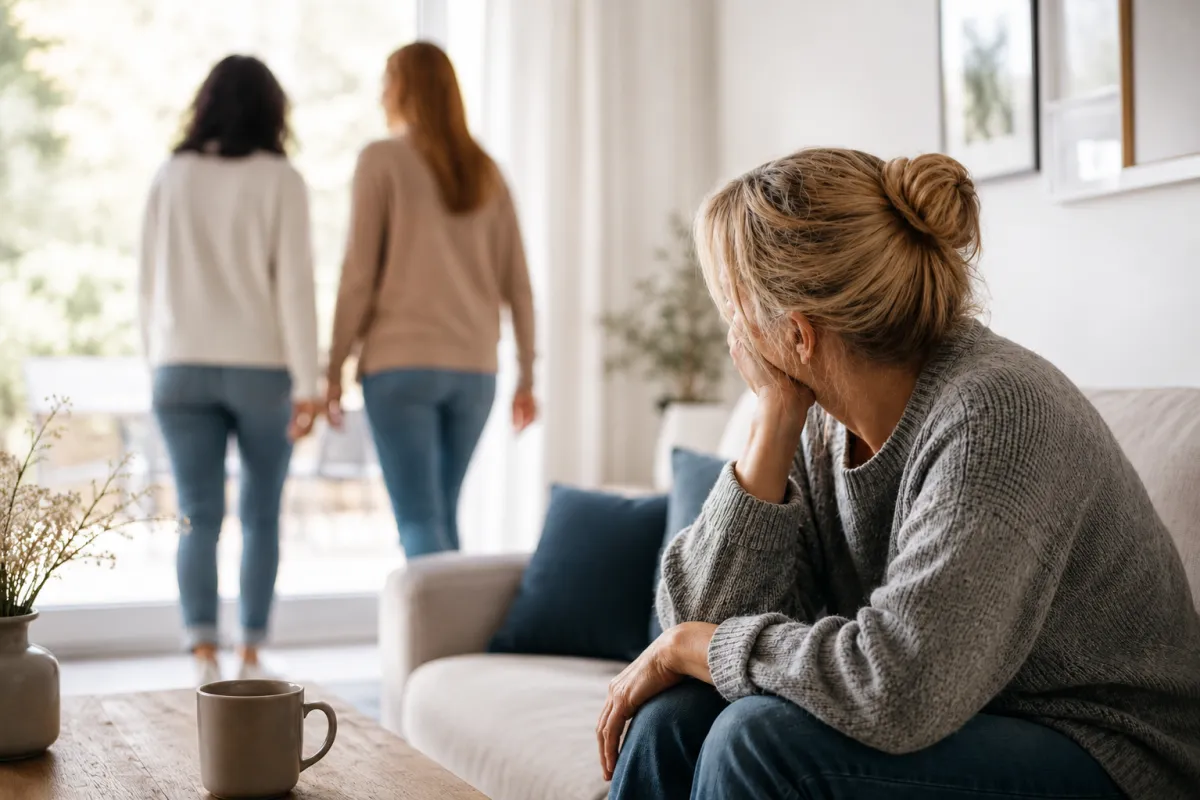
The Loneliest Part of Stroke Recovery Isn't Being Alone

The Loneliest Part of Stroke Recovery Isn't Being Alone

August 18, 20264 min read

One of the things nobody prepared me for after stroke was loneliness.

Not being alone.

Feeling forgotten.

There is a difference.

You can have family around you. People can call. Therapists can visit. Appointments can fill your week.

And somehow, it can feel as though the rest of the world has kept moving while yours has stopped.

Your World Can Become Very Small

Before my stroke, I didn't think twice about getting up and going somewhere, working, driving, meeting people or simply deciding what I wanted to do that day.

Then ordinary things stopped being ordinary.

Your world can shrink to your home, hospital appointments and rehabilitation.

Things other people do without thinking can suddenly require planning, help or enormous amounts of energy.

People see that you're alive.

They see that you're recovering.

They might even tell you how well you're doing.

But they don't necessarily see how much smaller your world has become.

The Loneliness That Physically Hurts

It isn't simply being alone.

It is loneliness that has weight.

It can descend like heavy fog, filling the room and settling deep inside the body until even silence feels physical.

The phone becomes something you check every few minutes.

Nothing.

The screen lights up.

Then goes dark.

Again.

Nothing.

You're waiting for proof that you still exist in someone else's world.

Not for important news.

For a message.

A call.

A simple, I was thinking about you.

Then come the footsteps.

You hear them approaching and, for a fleeting second, hope rises.

Maybe they're coming to see me.

Closer.

Closer.

Then they pass.

Another door opens.

Someone else's name.

Someone else's laughter.

Someone else's visitor.

Life happening on the other side of the wall.

And then silence again.

You begin to yearn for the ordinary connections that once seemed insignificant.

A familiar voice.

A conversation that isn't about recovery.

Someone asking how you are — and actually waiting for the answer.

Laughter filling the silence.

The simple comfort of feeling included in somebody else's day.

Sometimes all you want is someone who will sit beside you long enough for you to say:

I'm not okay.

No advice.

No fixing.

No you should be grateful.

No at least you're alive.

Just someone willing to stay with the sadness for a while.

Because sometimes being told how strong you are becomes another burden.

Strength is exhausting when you have no choice but to be strong.

Loneliness after stroke can feel like grief without a funeral.

There are no flowers for the independence that disappeared.

No condolences for the relationships that quietly changed.

No ceremony for the life that existed before.

Just an invisible loss that follows you from room to room.

When People Disappear

Some people are wonderful in the beginning.

They check in.

They ask how you're doing.

They say they'll be there.

But stroke recovery isn't a two-week event.

Weeks become months.

Months become years.

Eventually, some people stop asking.

And sometimes you discover something you wish you hadn't:

the relationship only survived because you were the one keeping it alive.

The calling.

The remembering.

The showing up.

And when you stop carrying it, sometimes the relationship goes quiet.

And then there is another loneliness entirely:

missing the person you used to be.

Your body may have changed.

Your confidence may feel different.

Even the way you understand yourself may have changed.

You can be grateful to be alive and still grieve what was lost.

The independence.

The confidence.

The ease.

The version of yourself that moved through the world without having to think about every step.

Gratitude does not erase grief.

When the Silence Stops Owning the Room

Over time, something can begin to shift.

A conversation feels easy again.

A laugh catches you by surprise.

A day passes without revolving entirely around what happened.

And then, one day, you notice something.

The room is still quiet.

But the quiet no longer feels like abandonment.

The phone is still beside you.

But you're no longer checking it every five minutes.

Footsteps pass outside.

And this time, your heart doesn't follow them.

The silence no longer owns the whole room.

What has been the loneliest part of stroke recovery for you?

About the Author

Alisia Gayle is a stroke survivor and author of Brain Damage: My Journey to 96% Recovery. She writes honestly about the emotional, relational and practical realities of rebuilding life after stroke.

blog author avatar
Stroke Survivor and Author
Back to Blog

What you’ll learn

Why sitting balance can be affected after a stroke

Common problems people notice day to day

Simple rehabilitation approaches that may help

When changes in balance need medical attention

Why sitting balance matters

Sitting balance is often one of the foundations for standing, walking and everyday activities. After a stroke, some people find it difficult to sit upright without support, lean to one side, or feel unsteady when reaching.

The good news

Sitting balance often improves with rehabilitation, practice and time. Even small improvements can support confidence and independence.

Why can balance change after a stroke?

A stroke may affect several systems that help you stay upright, including strength, coordination, sensation, body awareness and balance control.

Strength

Trunk muscles may become weaker or slower to respond.

Coordination

Movements may feel less automatic or less controlled.

Sensation

You may have less feedback about where your body is in space.

Confidence

Fear of falling can make movement feel harder.

Common sitting problems after a stroke

  • Leaning to one side

  • Difficulty sitting upright without support

  • Feeling unstable when reaching

  • Falling or drifting backwards

  • Increased fatigue during longer periods of sitting

Some people may also experience pusher syndrome, where they actively push towards their weaker side. This should be assessed by a rehabilitation professional.

What May Help

Physiotherapy and occupational therapy often work on trunk control, weight shifting, posture, coordination and everyday activities.

Examples of exercises

  • Sitting unsupported for short periods

  • Gentle reaching tasks

  • Weight shifting from side to side

  • Trunk strengthening

  • Practising on different safe surfaces when appropriate

Keep it individual

Exercises should be matched to your own abilities and professional advice.

More detail: posture and positioning

Helpful strategies may include keeping both feet supported, maintaining an upright posture, and using supportive cushions when recommended.

More detail: fatigue and balance

Balance can become worse when you are tired. Regular rest periods and shorter practice sessions may help.

More detail: tips for family and carers

Encourage safe practice, avoid unexpected pulling or pushing, and help maintain good posture while celebrating small improvements.

When should you seek medical advice?

Arrange an appointment with a healthcare professional if sitting balance is worsening, falls are occurring, new weakness develops, or balance problems are significantly affecting daily activities.

Seek urgent medical attention for sudden new weakness, new speech difficulties, sudden confusion or sudden vision changes.

Key takeaways

Sitting balance is commonly affected after stroke.

Weakness, sensation and body awareness can all contribute.

Good sitting balance supports everyday activity and later mobility.

Recovery can continue over months and years.

Frequently asked questions

Is poor sitting balance common after a stroke?

Yes. Many stroke survivors experience difficulty with sitting balance, particularly during earlier stages of recovery.

Will my sitting balance improve?

Many people improve through rehabilitation, ongoing recovery and repeated practice.

Can exercises help?

Targeted exercises can help improve trunk control, balance and confidence when they are appropriate for the individual.

About Alisia

Alisia Gayle is a stroke survivor who achieved 96% neurological recovery following an ischaemic stroke.

After years of rehabilitation, she now shares practical, evidence-informed resources to help stroke survivors, carers and families better understand recovery and rebuild their lives with confidence.

Alisia is also the author of Brain Damage: My Journey to 96% Recovery, where she shares her personal stroke recovery story and the lessons she learned throughout her rehabilitation.

Next articles

Medical disclaimer

This article is intended for educational purposes only and should not replace professional medical advice, diagnosis or treatment.

Always seek advice from your doctor, physiotherapist or rehabilitation team regarding symptoms, concerns or changes in your condition.

Alisia Gayle is a stroke survivor, author, and advocate whose life was transformed in a single, ordinary day.

Contact us

800 1234 5678

FOLLOW US

Copyright 2026. Alisia Gayle | Stroke Recovery Through Lived Experience. All Rights Reserved.