Many stroke survivors and families ask the same question after a stroke:
"Will I fully recover?"
It is one of the most important and emotionally difficult questions in stroke recovery.
The idea of a full recovery often brings hope.
But it can also bring pressure.
Many people imagine returning exactly to life as it was before the stroke — physically, mentally and emotionally.
In reality, stroke recovery is far more complex.
Recovery is highly individual.
Some people recover almost completely.
Others continue to live with long-term challenges.
Understanding what recovery really means can help reduce unnecessary guilt, frustration and unrealistic expectations.
✦ ✦ ✦
After your stroke...
You begin looking for answers.
You search online.
You ask doctors and therapists.
You ask other stroke survivors.
And eventually, the question appears:
"Will I ever be the same again?"
Perhaps you wonder:
"Will I walk normally again?"
"Will my hand recover?"
"Will I be able to work?"
"Will my brain ever feel the same?"
These questions are completely understandable.
For many survivors...
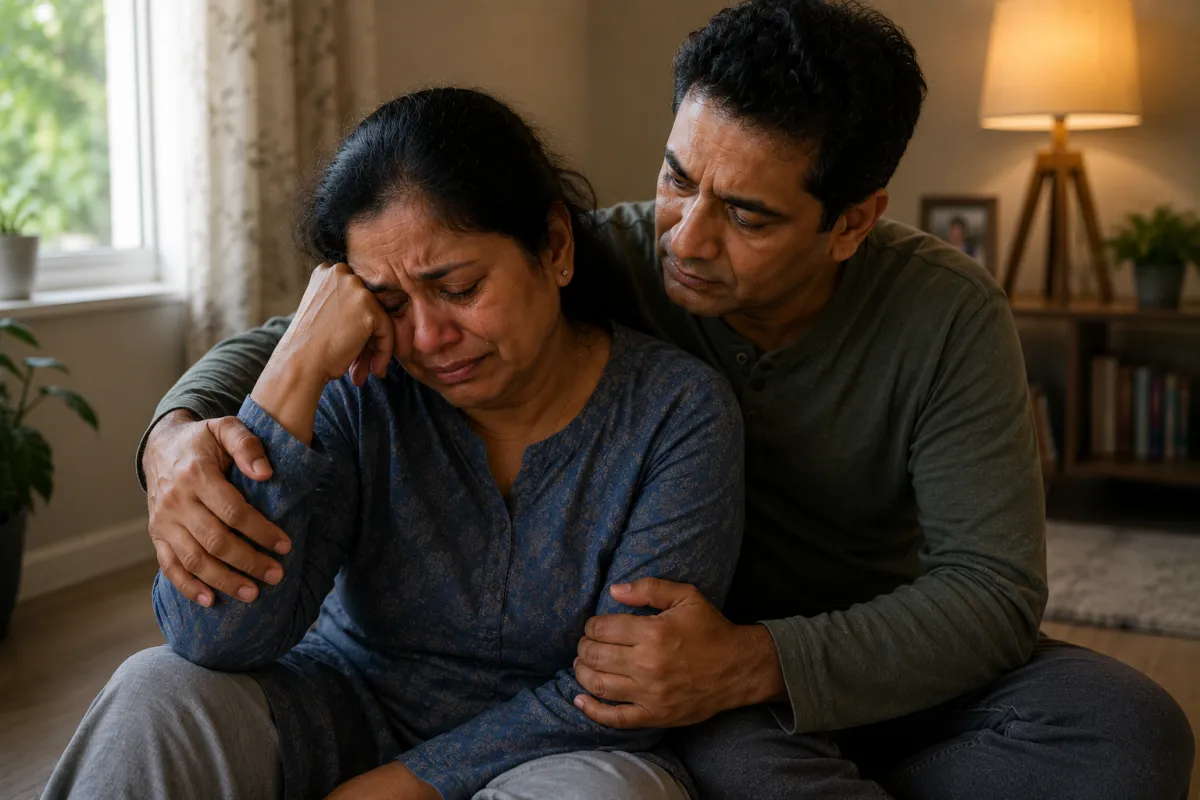
The fear of never fully recovering can feel overwhelming.
✦ ✦ ✦
The Good News
Many stroke survivors make remarkable improvements.
The brain has an incredible ability to adapt through neuroplasticity.
Some people recover most of their function.
Others learn new ways of doing things and build meaningful, fulfilling lives despite ongoing challenges.
Recovery is not all-or-nothing.
Improvement can continue for months and sometimes years after stroke.
And many people discover that a good quality of life is possible even if some symptoms remain.
✦ ✦ ✦
The Myth of Full Recovery
When most people hear the phrase:
"full recovery"
they imagine:
✓ Returning exactly to pre-stroke life.
✓ Having no symptoms.
✓ Thinking, moving and feeling exactly as before.
✓ Recovering quickly and completely.
Unfortunately, stroke recovery rarely follows such a simple path.
Recovery is often:
✓ Slow.
✓ Uneven.
✓ Non-linear.
✓ Different for every individual.
Many survivors regain independence while still living with:
✓ Fatigue.
✓ Minor weakness.
✓ Cognitive changes.
✓ Emotional challenges.
✓ Subtle neurological symptoms.
This does not mean recovery has failed.
It simply means recovery may look different than expected.
✦ ✦ ✦
Common Myths About Stroke Recovery
Myth 1: Full Recovery Means Returning Completely to Your Old Self
Many survivors improve enormously while still experiencing small long-term changes.
Some continue to experience:
✓ Mild weakness.
✓ Fatigue.
✓ Balance issues.
✓ Difficulties with concentration.
✓ Emotional changes.
Recovery does not always mean complete restoration.
Sometimes it means adaptation.
✦ ✦ ✦
Myth 2: Recovery Is Quick and Linear
Recovery rarely happens in a straight line.
Some abilities improve quickly.
Others improve slowly.
Some improvements may temporarily plateau.
Many survivors experience:
✓ Good days.
✓ Difficult days.
✓ Sudden improvements.
✓ Temporary setbacks.
This is normal.
✦ ✦ ✦
Myth 3: Hard Work Guarantees Full Recovery
Effort matters.
Rehabilitation matters.
But recovery is influenced by many factors, including:
✓ Stroke severity.
✓ Location of the stroke.
✓ Speed of treatment.
✓ Access to rehabilitation.
✓ General health.
✓ Support systems.
Stroke recovery is not simply a matter of trying harder.
✦ ✦ ✦
Why These Myths Persist
Several factors contribute to unrealistic expectations.
These include:
✓ Media stories about miraculous recoveries.
✓ Public misunderstanding of stroke.
✓ The understandable desire for certainty during crisis.
✓ Early attempts to provide hope.
While hope is important, unrealistic expectations can create additional suffering.
✦ ✦ ✦
The Emotional Impact of Unrealistic Expectations
When recovery does not match expectations, survivors may experience:
✓ Guilt.
✓ Frustration.
✓ Shame.
✓ Anxiety.
✓ Feelings of failure.
Relationships may also become strained.
Family members may unintentionally ask:
"Why aren't you better yet?"
This can be incredibly painful.
Because many survivors are already trying as hard as they possibly can.
✦ ✦ ✦
Stroke Recovery Is Highly Individual
Recovery outcomes vary enormously.
Factors influencing recovery include:
✓ Type of stroke.
✓ Severity of brain injury.
✓ Areas of the brain affected.
✓ Timing of treatment.
✓ Access to rehabilitation.
✓ Pre-existing health conditions.
No two strokes are identical.
No two recoveries are identical.
Comparing yourself to other survivors is rarely helpful.
✦ ✦ ✦
My Personal Experience: Understanding 96% Recovery
As a stroke survivor, I describe my own outcome as approximately 96% recovery.
This is my personal way of expressing how much of my previous function I feel I have regained.
Physical Recovery
Most of my strength and mobility have returned.
I can:
✓ Walk independently.
✓ Climb stairs.
✓ Manage daily activities.
Small residual weaknesses and fatigue account for the remaining difference.
Cognitive Recovery
Most of my thinking, memory and attention have returned.
I still occasionally experience:
✓ Mental fatigue.
✓ Minor word-finding difficulties.
✓ Increased need for pacing.
Daily Life
I work.
I live independently.
I enjoy hobbies and social activities.
My life is full and meaningful.
But it is not exactly the same as it was before my stroke.
And that is okay.
✦ ✦ ✦
What Does "Full Recovery" Really Mean?
Perhaps the better question is not:
"Will I fully recover?"
But rather:
"How much function, independence and quality of life can I regain?"
Recovery may include:
Physical Recovery
✓ Mobility.
✓ Strength.
✓ Balance.
✓ Coordination.
Cognitive Recovery
✓ Memory.
✓ Attention.
✓ Communication.
✓ Problem-solving.
Emotional Recovery
✓ Confidence.
✓ Coping skills.
✓ Identity.
✓ Mental wellbeing.
Social Recovery
✓ Relationships.
✓ Returning to work.
✓ Purpose.
✓ Community involvement.
Recovery is about rebuilding life.
Not necessarily recreating the past exactly.
✦ ✦ ✦
Practical Strategies for Recovery
Focus on Small Milestones
Celebrate:
✓ Walking further.
✓ Using your hand more.
✓ Remembering things more easily.
Small gains matter.
✦ ✦ ✦
Use Adaptive Strategies
Assistive devices and adaptations are not failures.
They are tools that can support independence.
✦ ✦ ✦
Prioritise Emotional Recovery
Grieving for your old life is normal.
Psychological healing is just as important as physical recovery.
✦ ✦ ✦
Build a Support Network
Recovery is often easier with:
✓ Family support.
✓ Therapists.
✓ Stroke groups.
✓ Other survivors.
You do not have to do this alone.
✦ ✦ ✦
My Perspective
One of the biggest lessons stroke taught me is this:
Recovery is not perfection.
Recovery is adaptation.
Recovery is rebuilding.
Recovery is finding meaning and joy again.
I may not be exactly the same person I was before my stroke.
But I have still built a meaningful life.
And many other survivors do the same.
✦ ✦ ✦
Frequently Asked Questions
Can Some People Fully Recover From Stroke?
Yes.
Some people experience extremely good recoveries.
Others continue to live with long-term effects.
Both experiences are valid.
✦ ✦ ✦
Can Recovery Continue Years Later?
Yes.
Many survivors continue improving long after the first few months.
Recovery does not always stop at a specific deadline.
✦ ✦ ✦
Does Slow Recovery Mean Failure?
Absolutely not.
Recovery speed varies enormously between individuals.
✦ ✦ ✦
Is It Okay To Accept a New Normal?
Yes.
Acceptance does not mean giving up.
It means learning to build a meaningful life with the person you are today.
✦ ✦ ✦
Key Takeaways
✓ Recovery after stroke is highly individual.
✓ Full recovery does not always mean returning exactly to pre-stroke life.
✓ Many survivors continue improving for months or years.
✓ Recovery is rarely linear.
✓ Function and quality of life matter more than perfection.
✓ Small improvements are still meaningful.
✓ A fulfilling life after stroke is possible.
✦ ✦ ✦
About the Author
Alisia Gayle is a stroke survivor who achieved approximately 96% neurological recovery following an ischaemic stroke.
After years of rehabilitation, she now shares practical, evidence-informed resources to help stroke survivors, carers and families better understand recovery and rebuild their lives with confidence.
Through both lived experience and extensive research, Alisia advocates for realistic expectations around stroke recovery and believes that meaningful recovery is not defined by perfection, but by independence, adaptation and quality of life.
She is also the author of the award-winning memoir Brain Damage: My Journey to 96% Recovery, where she shares her personal stroke recovery journey and the lessons she learned while rebuilding her life after stroke.
✦ ✦ ✦
Medical Disclaimer
This article is intended for educational purposes only and should not replace professional medical advice, diagnosis or treatment.
Stroke recovery varies considerably between individuals.
Always seek advice from your doctor or healthcare professional regarding symptoms, concerns or changes in your condition.
✦ ✦ ✦
Final Thoughts
Stroke recovery is not a verdict.
It is not a race.
And it is not a measure of personal worth.
Some people recover quickly.
Some recover slowly.
Some continue to live with challenges.
None of these outcomes represent failure.
Recovery is about regaining control.
Rebuilding life.
Finding hope again.
And learning that even if life looks different after stroke...
It can still be meaningful, fulfilling and full of possibility.