

MOBILITY & PHYSICAL RECOVERY

Sitting Balance After a Stroke.

A calmer, easier-to-scan guide to why sitting balance can change after stroke, what may help, and when to seek professional advice.

How to Support Recovery Without Becoming Overwhelmed

Tips for Family Members of Stroke Survivors: How to Support Recovery Without Becoming Overwhelmed

July 09, 20267 min read

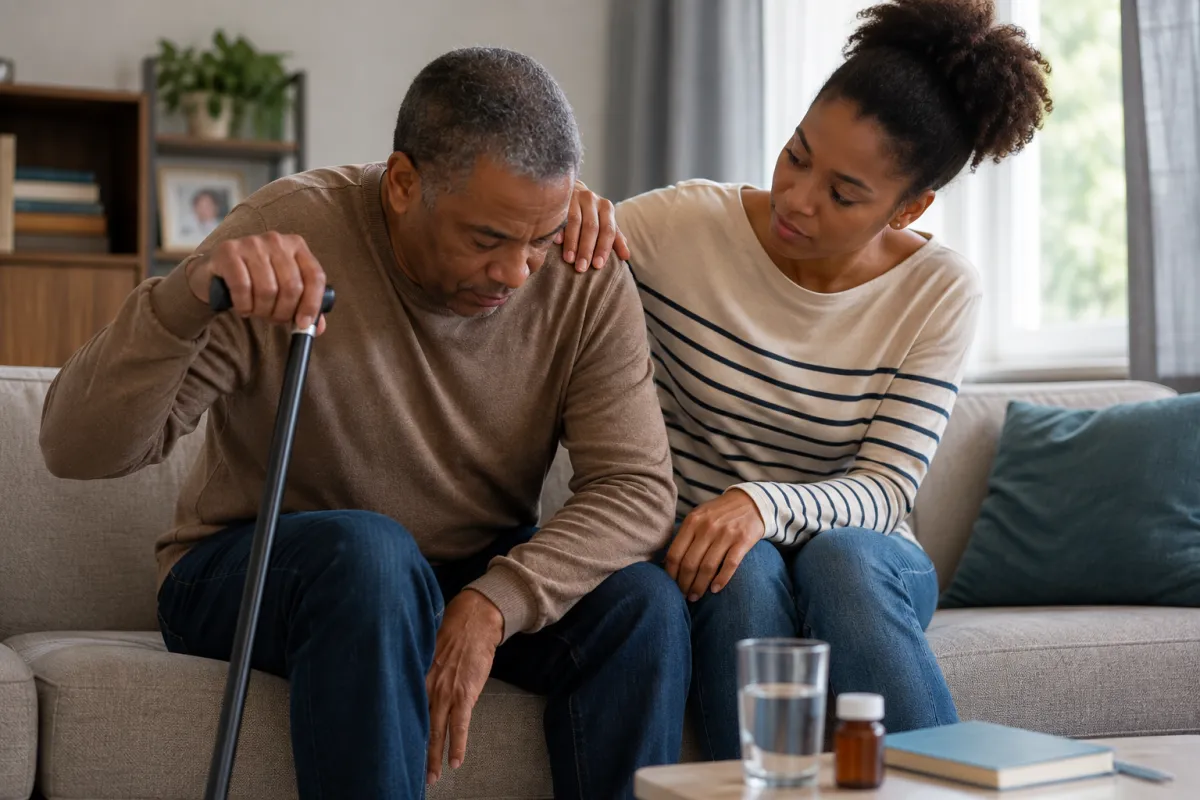
When someone you love has a stroke, your life changes too. You may suddenly find yourself helping with appointments, rehabilitation, household tasks and emotional support, all while coping with your own worries. Although every family's journey is different, there are practical ways to support your loved one while also looking after your own wellbeing. Learn helpful tips for family members of stroke survivors, common challenges to expect and how to build confidence throughout recovery.

After your loved one has a stroke...

Everything feels uncertain.

You want to help in every way you can.

You try to stay positive.

Stay organised.

Stay strong.

But behind closed doors...

You may be wondering...

"Am I doing enough?"

"Am I helping or making things harder?"

The good news is...

You don't need to have all the answers.

Being patient, supportive and informed can make a tremendous difference to your loved one's recovery.

✦ ✦ ✦

The Good News

Family members play an important role in stroke recovery.

Your encouragement, understanding and practical support can help your loved one regain confidence, remain motivated and adjust to life after stroke.

Looking after yourself is equally important, because the better you are coping, the better you can support someone else.

✦ ✦ ✦

Understand That Every Stroke Is Different

No two strokes are exactly the same.

Some people recover quickly.

Others need months or years of rehabilitation.

Your loved one may experience difficulties with:

✓ Walking.

✓ Balance.

✓ Speech.

✓ Vision.

✓ Memory.

✓ Concentration.

✓ Fatigue.

✓ Mood.

Try not to compare their recovery with anyone else's.

Recovery happens at its own pace.

✦ ✦ ✦

Be Patient

Stroke recovery often takes longer than anyone expects.

Your loved one may:

✓ Need extra time to speak.

✓ Walk more slowly.

✓ Become tired quickly.

✓ Forget things.

✓ Need repeated instructions.

Avoid rushing them or showing frustration.

Patience creates a calmer and more supportive environment for recovery.

✦ ✦ ✦

Encourage Independence

It can be tempting to do everything for someone after a stroke.

However, recovery depends on practising everyday activities.

Whenever it is safe, encourage your loved one to:

✓ Dress themselves.

✓ Make simple meals.

✓ Complete rehabilitation exercises.

✓ Walk short distances.

✓ Solve problems independently.

Helping someone become more independent is often one of the greatest gifts you can give.

✦ ✦ ✦

Celebrate Small Improvements

Recovery is built on small achievements.

Celebrate milestones such as:

✓ Walking a little further.

✓ Moving an arm more easily.

✓ Saying a difficult word.

✓ Preparing a meal.

✓ Returning to a favourite hobby.

Recognising progress helps build confidence and motivation.

✦ ✦ ✦

Learn About Stroke

Understanding stroke helps you better support your loved one.

Learn about:

✓ Their type of stroke.

✓ Their rehabilitation goals.

✓ Their medications.

✓ Possible complications.

✓ Warning signs of another stroke.

The more informed you are, the more confident you will feel.

✦ ✦ ✦

Help With Healthy Habits

Recovery doesn't stop when rehabilitation ends.

Encourage healthy routines such as:

✓ Taking medications.

✓ Attending appointments.

✓ Eating a balanced diet.

✓ Exercising safely.

✓ Getting enough sleep.

✓ Managing blood pressure.

These habits help reduce the risk of another stroke.

✦ ✦ ✦

Listen More Than You Speak

Stroke survivors often experience emotions they struggle to explain.

Sometimes they don't need advice.

They simply need someone to listen.

Allow them to:

✓ Express frustration.

✓ Share fears.

✓ Celebrate successes.

✓ Talk openly about their recovery.

Feeling heard is an important part of emotional healing.

✦ ✦ ✦

Accept That Recovery Has Ups and Downs

Some days will feel encouraging.

Others may feel disappointing.

Progress is rarely a straight line.

Temporary setbacks do not always mean recovery has stopped.

Staying positive during difficult periods helps both you and your loved one.

✦ ✦ ✦

Don't Forget Yourself

Supporting someone after a stroke can be exhausting.

Make time to:

✓ Rest.

✓ Eat well.

✓ Stay active.

✓ Spend time with friends.

✓ Accept help when it's offered.

Looking after yourself is not selfish.

It's essential.

✦ ✦ ✦

Know the Signs of Another Stroke

Everyone supporting a stroke survivor should know the FAST signs.

Seek emergency medical help immediately if your loved one develops:

✓ Facial drooping.

✓ Arm weakness.

✓ Speech difficulties.

✓ Sudden vision changes.

✓ Sudden severe dizziness or loss of balance.

Quick treatment can save brain cells and improve recovery.

✦ ✦ ✦

When Should You Seek Medical Advice?

Arrange medical advice if your loved one develops:

✓ Increasing weakness.

✓ Frequent falls.

✓ New swallowing difficulties.

✓ Persistent low mood.

✓ Memory problems that worsen.

✓ Concerning medication side effects.

Seek emergency help immediately if they develop symptoms of another stroke.

✦ ✦ ✦

My Perspective

After my stroke...

My family wanted to help.

Sometimes they worried more than I did.

What helped me most wasn't being treated like I was fragile.

It was being encouraged.

Being given time.

Being allowed to do things for myself.

Support doesn't always mean doing more.

Sometimes it means believing in someone's ability to recover, even when progress feels slow.

✦ ✦ ✦

Frequently Asked Questions

What is the best way to support a stroke survivor?

Be patient, encourage independence, support rehabilitation, listen without judgement and celebrate small achievements.

✦ ✦ ✦

Should I encourage them to do things for themselves?

Yes, whenever it is safe.

Practising everyday activities helps the brain build new pathways and supports recovery.

✦ ✦ ✦

Is it normal to feel overwhelmed?

Yes.

Many family members experience stress, worry and exhaustion while supporting someone after a stroke.

Seeking support for yourself is important too.

✦ ✦ ✦

How long does stroke recovery last?

Recovery varies for everyone.

Some people improve rapidly, while others continue making progress for months or years.

✦ ✦ ✦

Can family involvement improve recovery?

Yes.

Supportive families can help improve motivation, confidence, participation in rehabilitation and overall wellbeing.

✦ ✦ ✦

Key Takeaways

✓ Every stroke survivor recovers at their own pace.

✓ Encourage independence whenever it is safe.

✓ Be patient and celebrate small improvements.

✓ Learn about stroke to better support your loved one.

✓ Help promote healthy habits that reduce the risk of another stroke.

✓ Looking after yourself helps you continue supporting someone else.

✦ ✦ ✦

Related Articles

Continue learning about supporting stroke recovery with these helpful guides:

Helping a Loved One Recover After a Stroke – Practical ways to encourage recovery and build confidence.

Caring for Someone After a Stroke – Day-to-day advice for carers supporting a stroke survivor.

How Stroke Changes Relationships – Learn how stroke can affect family life and close relationships.

Stroke Caregiver Burnout – Recognise the signs of burnout and learn how to protect your own wellbeing.

Preventing Another Stroke – Discover the lifestyle changes and treatments that help reduce future stroke risk.

✦ ✦ ✦

About the Author

Alisia Gayle is a stroke survivor who achieved 96% neurological recovery following an ischaemic stroke.

After years of rehabilitation, she now shares practical, evidence-informed resources to help stroke survivors, carers and families better understand recovery and rebuild their lives with confidence.

Alisia is also the author of Brain Damage: My Journey to 96% Recovery, where she shares her personal stroke recovery story and the lessons she learned throughout her rehabilitation.

✦ ✦ ✦

Medical Disclaimer

This article is intended for educational purposes only and should not replace professional medical advice, diagnosis or treatment.

Always seek advice from your doctor or other qualified healthcare professional regarding stroke recovery, rehabilitation or concerns following a stroke.

✦ ✦ ✦

Final Thoughts

When someone you love has a stroke...

You naturally want to make everything better.

You can't remove every challenge.

But you can offer patience.

Encouragement.

Understanding.

And hope.

Those gifts may not seem extraordinary.

Yet they can become some of the most powerful tools in helping your loved one rebuild their confidence, regain their independence and continue moving forward on their recovery journey.

blog author avatar
Stroke Survivor and Author
Back to Blog

What you’ll learn

Why sitting balance can be affected after a stroke

Common problems people notice day to day

Simple rehabilitation approaches that may help

When changes in balance need medical attention

Why sitting balance matters

Sitting balance is often one of the foundations for standing, walking and everyday activities. After a stroke, some people find it difficult to sit upright without support, lean to one side, or feel unsteady when reaching.

The good news

Sitting balance often improves with rehabilitation, practice and time. Even small improvements can support confidence and independence.

Why can balance change after a stroke?

A stroke may affect several systems that help you stay upright, including strength, coordination, sensation, body awareness and balance control.

Strength

Trunk muscles may become weaker or slower to respond.

Coordination

Movements may feel less automatic or less controlled.

Sensation

You may have less feedback about where your body is in space.

Confidence

Fear of falling can make movement feel harder.

Common sitting problems after a stroke

  • Leaning to one side

  • Difficulty sitting upright without support

  • Feeling unstable when reaching

  • Falling or drifting backwards

  • Increased fatigue during longer periods of sitting

Some people may also experience pusher syndrome, where they actively push towards their weaker side. This should be assessed by a rehabilitation professional.

What May Help

Physiotherapy and occupational therapy often work on trunk control, weight shifting, posture, coordination and everyday activities.

Examples of exercises

  • Sitting unsupported for short periods

  • Gentle reaching tasks

  • Weight shifting from side to side

  • Trunk strengthening

  • Practising on different safe surfaces when appropriate

Keep it individual

Exercises should be matched to your own abilities and professional advice.

More detail: posture and positioning

Helpful strategies may include keeping both feet supported, maintaining an upright posture, and using supportive cushions when recommended.

More detail: fatigue and balance

Balance can become worse when you are tired. Regular rest periods and shorter practice sessions may help.

More detail: tips for family and carers

Encourage safe practice, avoid unexpected pulling or pushing, and help maintain good posture while celebrating small improvements.

When should you seek medical advice?

Arrange an appointment with a healthcare professional if sitting balance is worsening, falls are occurring, new weakness develops, or balance problems are significantly affecting daily activities.

Seek urgent medical attention for sudden new weakness, new speech difficulties, sudden confusion or sudden vision changes.

Key takeaways

Sitting balance is commonly affected after stroke.

Weakness, sensation and body awareness can all contribute.

Good sitting balance supports everyday activity and later mobility.

Recovery can continue over months and years.

Frequently asked questions

Is poor sitting balance common after a stroke?

Yes. Many stroke survivors experience difficulty with sitting balance, particularly during earlier stages of recovery.

Will my sitting balance improve?

Many people improve through rehabilitation, ongoing recovery and repeated practice.

Can exercises help?

Targeted exercises can help improve trunk control, balance and confidence when they are appropriate for the individual.

About Alisia

Alisia Gayle is a stroke survivor who achieved 96% neurological recovery following an ischaemic stroke.

After years of rehabilitation, she now shares practical, evidence-informed resources to help stroke survivors, carers and families better understand recovery and rebuild their lives with confidence.

Alisia is also the author of Brain Damage: My Journey to 96% Recovery, where she shares her personal stroke recovery story and the lessons she learned throughout her rehabilitation.

Next articles

Medical disclaimer

This article is intended for educational purposes only and should not replace professional medical advice, diagnosis or treatment.

Always seek advice from your doctor, physiotherapist or rehabilitation team regarding symptoms, concerns or changes in your condition.

Alisia Gayle is a stroke survivor, author, and advocate whose life was transformed in a single, ordinary day.

Contact us

800 1234 5678

FOLLOW US

Copyright 2026. Alisia Gayle | Stroke Recovery Through Lived Experience. All Rights Reserved.