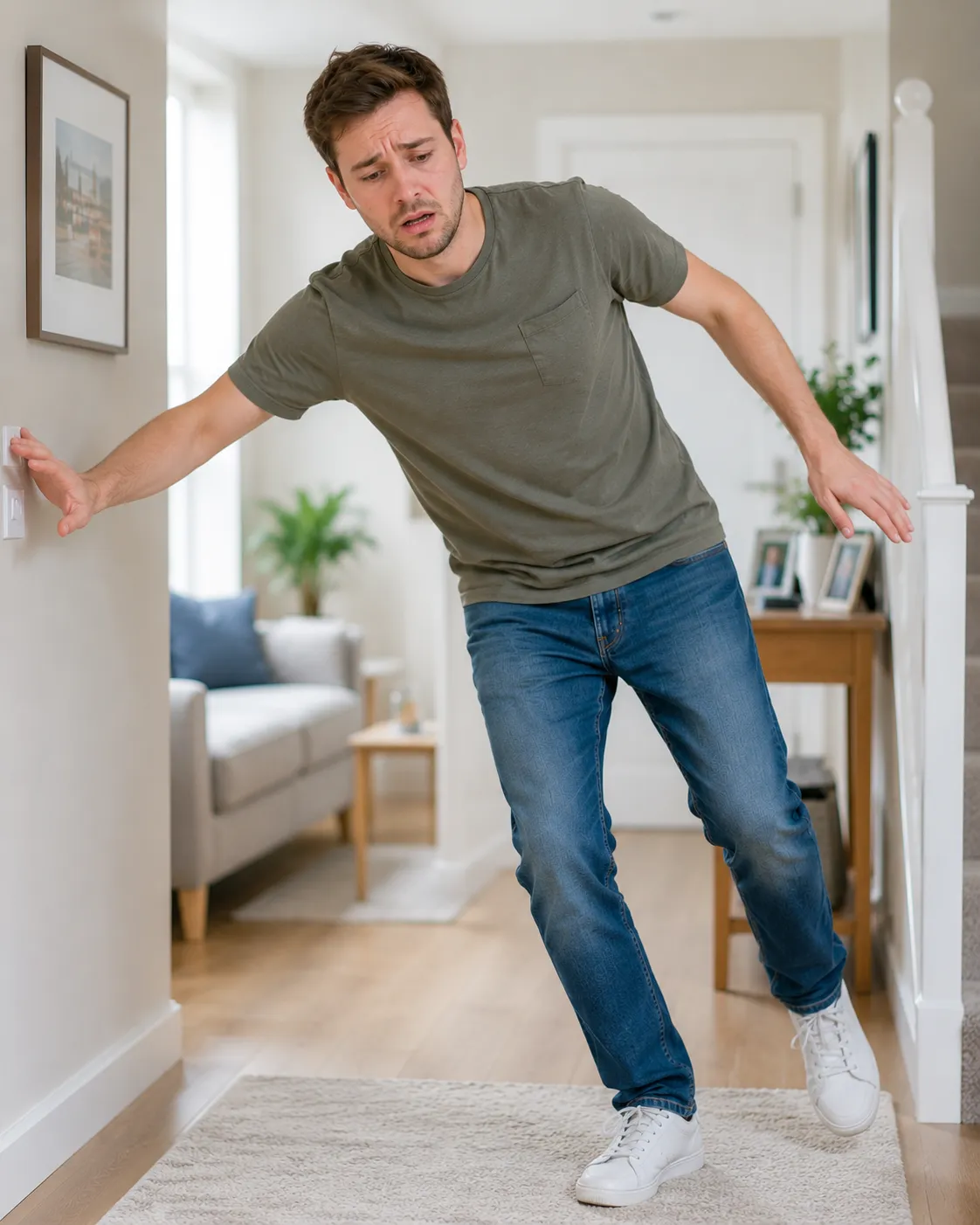
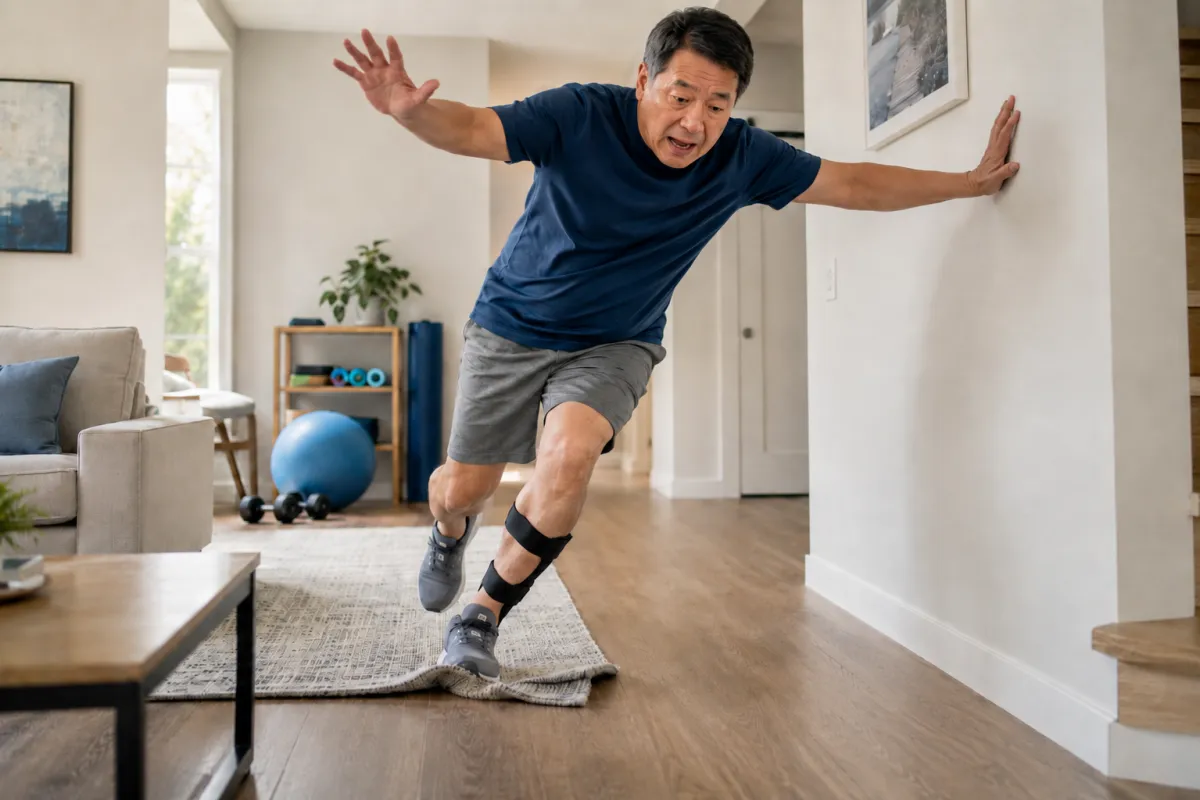
Tripping is a common problem after a stroke and can make walking feel frustrating and unsafe. Many stroke survivors find that their foot catches on the ground, carpets or small obstacles, increasing the risk of falls and injuries. Tripping can occur for several reasons, including muscle weakness, foot drop, balance problems and changes in sensation or coordination. Learn why tripping happens after a stroke, what treatments may help and how you can improve your walking confidence.
After your stroke...
You start walking again.
Things are improving.
But every so often...
Your foot catches on the ground.
You stumble.
Perhaps you trip on small objects that never used to be a problem.
Or maybe you feel like your foot isn't lifting properly.
You begin wondering...
"Why do I keep tripping?"
Or...
"Will this ever improve?"
The good news is...
Tripping after a stroke is very common, and many people see significant improvements with rehabilitation and practice.
✦ ✦ ✦
The Good News
Many stroke survivors experience episodes of tripping during recovery.
In many cases, tripping improves as strength, balance and walking patterns recover.
Even if symptoms persist, there are treatments, exercises and walking aids that can significantly improve safety and confidence.
✦ ✦ ✦
Why Do I Keep Tripping After a Stroke?
Walking is a complex activity that requires:
✓ Strength.
✓ Coordination.
✓ Balance.
✓ Sensation.
✓ Timing.
A stroke can affect any of these functions.
As a result, your foot may not clear the ground properly during walking, causing you to trip more easily.
✦ ✦ ✦
Foot Drop
One of the most common causes of tripping after stroke is foot drop.
Foot drop occurs when the muscles responsible for lifting the front of the foot become weak.
This may cause:
✓ The toes to drag.
✓ Difficulty clearing the ground.
✓ Frequent stumbling.
✓ Increased risk of falls.
Many people notice that tripping becomes worse when they are tired.
✦ ✦ ✦
Leg Weakness
Weakness in the hip, knee or ankle muscles can also contribute to tripping.
Weak muscles may make it harder to:
✓ Lift the leg.
✓ Control foot placement.
✓ Recover quickly after stumbling.
Walking may require far more effort than it did before your stroke.
✦ ✦ ✦
Changes in Sensation
Some stroke survivors experience:
✓ Numbness.
✓ Reduced awareness of foot position.
✓ Difficulty sensing the ground.
Without normal sensation, it can become harder for the brain to accurately control foot placement.
This increases the likelihood of catching your foot on obstacles.
✦ ✦ ✦
Balance Problems
Poor balance can contribute to tripping and near-falls.
You may find it harder to:
✓ Adjust to uneven surfaces.
✓ Recover from small stumbles.
✓ Walk safely in busy environments.
Balance difficulties often increase the fear of walking.
✦ ✦ ✦
Spasticity and Stiffness
Increased muscle tone after a stroke can make movement feel stiff and awkward.
You may notice:
✓ A stiff knee.
✓ A tight calf.
✓ Toes curling under.
✓ Difficulty bending the ankle.
These problems can interfere with normal walking and increase the risk of tripping.
✦ ✦ ✦
Fatigue
Stroke fatigue commonly makes tripping worse.
You may notice that:
✓ Walking is easier earlier in the day.
✓ Your foot catches more when you are tired.
✓ Symptoms worsen after longer walks.
Fatigue reduces the brain's ability to control movement efficiently.
✦ ✦ ✦
Fear of Falling
After tripping a few times, many people become anxious about walking.
This may cause you to:
✓ Walk more slowly.
✓ Watch your feet constantly.
✓ Avoid certain environments.
✓ Reduce your activity levels.
Unfortunately, becoming less active can sometimes slow recovery further.
✦ ✦ ✦
Can Tripping Improve?
Yes.
Many people experience gradual improvements over time.
Recovery depends on:
✓ The severity of the stroke.
✓ Muscle strength.
✓ Walking practice.
✓ Balance recovery.
✓ Rehabilitation intensity.
Improvements can continue for months or even years after a stroke.
✦ ✦ ✦
What Can Help?
Walking Practice
Repeated walking practice helps the brain develop new movement pathways.
Strengthening Exercises
Improving strength in the hips, thighs and ankles may improve foot clearance.
Balance Training
Improving balance can reduce falls and increase confidence.
Stretching and Spasticity Management
Reducing stiffness can help walking feel smoother and more natural.
Ankle Foot Orthosis (AFO)
Some people benefit from wearing an AFO, which helps lift the foot during walking and reduces tripping.
Functional Electrical Stimulation (FES)
Electrical stimulation may help improve foot lifting in some stroke survivors.
A physiotherapist can advise whether this is appropriate.
✦ ✦ ✦
Practical Tips to Reduce Tripping
Simple changes may improve safety:
✓ Remove loose rugs and clutter.
✓ Wear supportive footwear.
✓ Ensure good lighting at home.
✓ Take regular rest breaks.
✓ Avoid rushing.
✓ Use walking aids if recommended.
✓ Pay extra attention on uneven surfaces.
Small changes can significantly reduce the risk of falls.
✦ ✦ ✦
When Should You Seek Medical Advice?
Arrange an appointment with your healthcare professional if:
✓ Tripping is becoming more frequent.
✓ You are falling regularly.
✓ Your walking suddenly worsens.
✓ You develop increasing weakness.
✓ You are losing confidence in walking.
Seek urgent medical attention if you develop sudden worsening weakness, facial drooping or speech difficulties.
✦ ✦ ✦
My Perspective
After a stroke...
Tripping can feel incredibly frustrating.
You may be walking reasonably well one moment...
Then suddenly stumble over something tiny.
It can knock your confidence.
I learned that tripping often isn't simply clumsiness.
It's your brain still learning how to coordinate movement again.
With practice, patience and rehabilitation, walking often becomes smoother and more automatic over time.
✦ ✦ ✦
Frequently Asked Questions
Why do I keep catching my toes when walking?
This is commonly caused by foot drop, weakness or reduced coordination after a stroke.
✦ ✦ ✦
Does tripping mean my recovery has stopped?
No.
Many people continue improving for months and years after a stroke.
✦ ✦ ✦
Can an AFO help reduce tripping?
Yes.
Many people find that an AFO significantly improves foot clearance and walking safety.
✦ ✦ ✦
Why is tripping worse when I'm tired?
Fatigue makes it harder for the brain to coordinate movement efficiently.
✦ ✦ ✦
Will physiotherapy help?
Yes.
Physiotherapy often improves strength, balance and walking patterns, helping to reduce tripping.
✦ ✦ ✦
Key Takeaways
✓ Tripping is common after a stroke.
✓ Foot drop, weakness, balance problems and fatigue often contribute.
✓ Tripping can increase the risk of falls and reduce confidence.
✓ Many people improve with rehabilitation and walking practice.
✓ Treatments such as AFOs and physiotherapy can significantly help.
✓ Recovery can continue long after the initial months following a stroke.
✦ ✦ ✦
Related Articles
Continue learning about walking recovery after stroke with these helpful guides:
Foot Drop After a Stroke – Learn why the foot may drag and available treatment options.
Falls After a Stroke – Practical advice for reducing your risk of falling.
Walking After a Stroke – Understand common walking difficulties and rehabilitation strategies.
Balance Problems After a Stroke – Learn why balance changes occur after stroke.
Why Is My Leg So Heavy After a Stroke? – Discover why walking can feel so effortful during recovery.
✦ ✦ ✦
About the Author
Alisia Gayle is a stroke survivor who achieved 96% neurological recovery following an ischaemic stroke.
After years of rehabilitation, she now shares practical, evidence-informed resources to help stroke survivors, carers and families better understand recovery and rebuild their lives with confidence.
Alisia is also the author of Brain Damage: My Journey to 96% Recovery, where she shares her personal stroke recovery story and the lessons she learned throughout her rehabilitation.
✦ ✦ ✦
Medical Disclaimer
This article is intended for educational purposes only and should not replace professional medical advice, diagnosis or treatment.
Always seek advice from your doctor, physiotherapist or other qualified healthcare professional regarding new or worsening walking difficulties following a stroke.
✦ ✦ ✦
Final Thoughts
After a stroke...
Tripping can make every walk feel uncertain.
It can affect your confidence and make you fear falling.
But remember...
Tripping is a symptom.
Not a sign that recovery has failed.
Your brain and body are still learning how to work together again.
With time, repetition and the right support, many people find that walking gradually becomes easier, safer and more natural.
Every step you take...
Even the unsteady ones...
Is part of your recovery journey.