

MOBILITY & PHYSICAL RECOVERY

Sitting Balance After a Stroke.

A calmer, easier-to-scan guide to why sitting balance can change after stroke, what may help, and when to seek professional advice.

Lorem ipsum dolor sit amet, consectetur adipiscing elit.

Weight Loss After a Stroke

July 06, 20266 min read

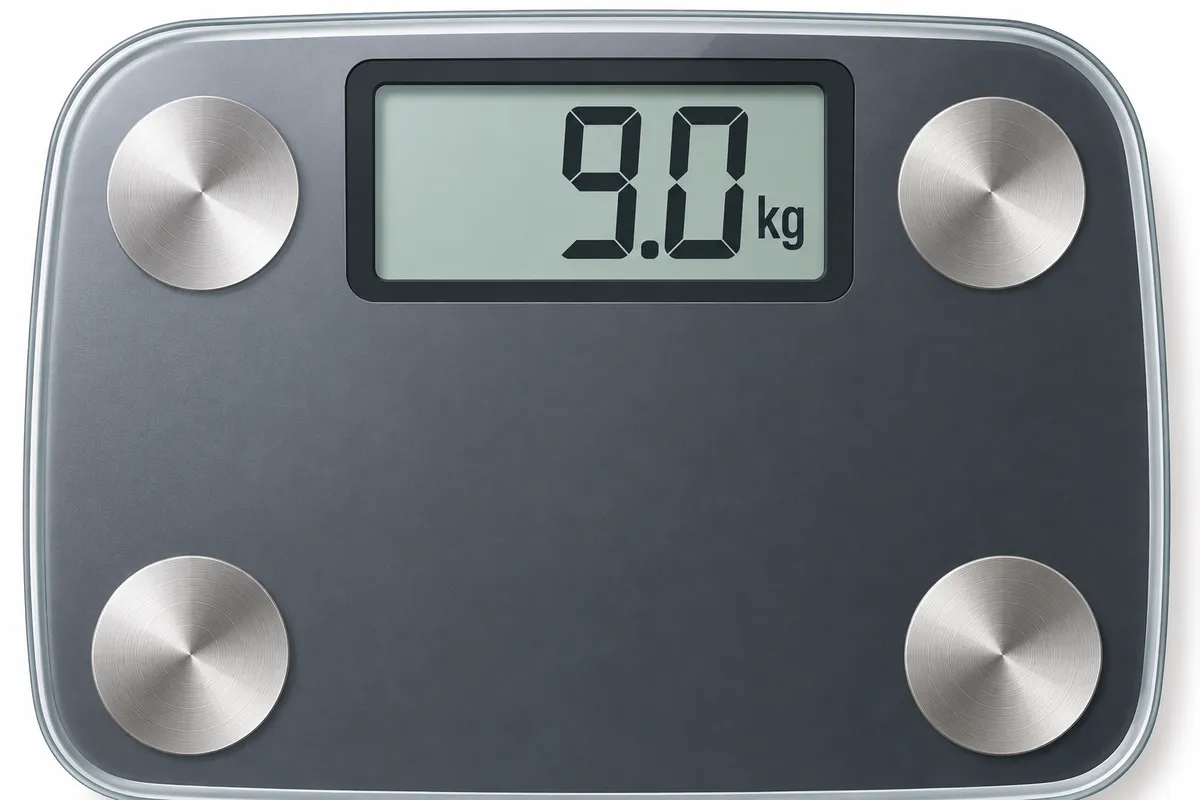
Unexpected weight loss after a stroke is common, especially during the early stages of recovery. Difficulty swallowing, reduced appetite, fatigue and increased energy demands can all contribute. Learn why it happens, when to seek medical advice, and how to maintain a healthy weight while supporting your recovery.

After your stroke...

You notice your clothes feel looser.

Friends comment that you've lost weight.

Your appetite isn't the same.

Meals feel like hard work.

You become tired halfway through eating.

You begin wondering...

"Why am I losing weight?"

For many stroke survivors...

Weight loss is a common part of recovery.

The important thing is understanding why it's happening.

✦ ✦ ✦

The Good News

Weight loss after a stroke isn't always permanent.

Once the underlying cause is identified, many people are able to maintain or regain a healthy weight.

Good nutrition plays an important role in helping your brain and body recover.

Every nourishing meal supports healing.

✦ ✦ ✦

Is Weight Loss Normal After a Stroke?

Yes.

Many people lose weight during the weeks and months following a stroke.

Sometimes the weight loss is small.

Sometimes it can be significant.

The reason varies from person to person.

Understanding the cause helps ensure you receive the right support.

✦ ✦ ✦

Why Does Weight Loss Happen?

Several factors may contribute.

Difficulty Swallowing (Dysphagia)

Some stroke survivors develop swallowing problems.

Eating may become:

✓ Slower.

✓ More tiring.

✓ Less enjoyable.

You may avoid certain foods because they feel difficult or unsafe to swallow.

Over time, this can lead to reduced food intake and weight loss.

✦ ✦ ✦

Reduced Appetite

A stroke may affect appetite directly.

Some people simply don't feel hungry.

Others lose interest in food because of fatigue, depression or changes in taste and smell.

✦ ✦ ✦

Stroke Fatigue

Eating requires energy.

If you're experiencing severe post-stroke fatigue, preparing meals and eating enough can become difficult.

Some people become too tired to finish a meal.

✦ ✦ ✦

Increased Energy Demands

Recovery requires energy.

Your brain is working hard to repair, reorganise and build new neural pathways.

Rehabilitation also increases your body's energy requirements.

If you're not eating enough, weight loss may occur.

✦ ✦ ✦

Depression

Depression is common after a stroke.

For some people, it reduces appetite and interest in eating.

If low mood continues for more than a couple of weeks, speak with your healthcare professional.

✦ ✦ ✦

Difficulty Preparing Meals

Weakness in one arm, reduced mobility or cognitive difficulties may make shopping, cooking and preparing meals much harder.

Some survivors simply eat less because preparing food has become challenging.

✦ ✦ ✦

Why Maintaining a Healthy Weight Matters

Good nutrition supports:

✓ Brain recovery.

✓ Muscle strength.

✓ Immune function.

✓ Wound healing.

✓ Rehabilitation.

✓ Energy levels.

Losing too much weight may reduce muscle mass, making movement and rehabilitation more difficult.

✦ ✦ ✦

Signs You May Not Be Eating Enough

You may notice:

✓ Ongoing weight loss.

✓ Loose clothing.

✓ Feeling weak.

✓ Reduced muscle strength.

✓ Low energy.

✓ Poor concentration.

✓ Feeling full very quickly.

These signs should be discussed with your healthcare professional.

✦ ✦ ✦

How Can You Maintain a Healthy Weight?

Eat Little and Often

If large meals feel overwhelming, try:

✓ Smaller meals.

✓ Healthy snacks.

✓ Nutritious drinks.

Eating little and often is sometimes easier than three large meals.

✦ ✦ ✦

Choose Nutrient-Dense Foods

Focus on foods that provide plenty of nutrition, including:

✓ Lean protein.

✓ Dairy or fortified alternatives.

✓ Nuts and seeds (if safe to swallow).

✓ Fruit.

✓ Vegetables.

✓ Wholegrains.

Every bite should help nourish your recovery.

✦ ✦ ✦

Make Eating Easier

Adaptive cutlery, plate guards or non-slip mats may make eating more manageable if you have weakness in one hand.

Small adjustments can make a big difference.

✦ ✦ ✦

Stay Hydrated

Dehydration may reduce appetite and make fatigue worse.

Drink enough fluids throughout the day, following any advice from your healthcare team if you have swallowing difficulties.

✦ ✦ ✦

Ask for Support

If shopping or cooking has become difficult, don't struggle alone.

Family members, carers, occupational therapists and dietitians can often suggest practical solutions.

✦ ✦ ✦

When Should You Seek Medical Advice?

Speak with your healthcare professional if:

✓ You continue losing weight without trying.

✓ You have difficulty swallowing.

✓ Meals are becoming increasingly difficult.

✓ You feel weak or malnourished.

✓ You lose your appetite completely.

✓ Weight loss is rapid or significant.

You may benefit from assessment by a speech and language therapist, dietitian or your doctor.

✦ ✦ ✦

My Perspective

Recovery places huge demands on your body.

Sometimes eating well becomes almost as challenging as rehabilitation itself.

One thing I learned is that nutrition isn't separate from recovery.

It is part of recovery.

Every healthy meal...

Every drink...

Every bit of nourishment...

Helps give your brain and body the energy they need to heal.

✦ ✦ ✦

Frequently Asked Questions

Is Weight Loss Common After a Stroke?

Yes.

Many stroke survivors lose weight because of swallowing difficulties, fatigue, reduced appetite or changes in activity levels.

✦ ✦ ✦

Can Difficulty Swallowing Cause Weight Loss?

Yes.

Dysphagia often makes eating slower and more difficult, which may reduce calorie intake.

✦ ✦ ✦

Should I Drink Nutritional Supplements?

Some people benefit from nutritional supplement drinks.

Your doctor or dietitian can advise whether they are appropriate for you.

✦ ✦ ✦

Will My Appetite Return?

For many people, yes.

As recovery progresses and underlying problems improve, appetite often begins to return.

✦ ✦ ✦

Key Takeaways

✓ Weight loss is common after a stroke.

✓ Difficulty swallowing, fatigue and reduced appetite are common causes.

✓ Good nutrition supports brain recovery and rehabilitation.

✓ Small, frequent meals may be easier than large meals.

✓ Seek medical advice if weight loss continues or swallowing becomes difficult.

✓ Every nutritious meal supports your recovery.

✦ ✦ ✦

About the Author

Alisia Gayle is a stroke survivor who achieved 96% neurological recovery following an ischaemic stroke.

After years of rehabilitation, she now shares practical, evidence-informed resources to help stroke survivors, carers and families better understand recovery and rebuild their lives with confidence.

Alisia is also the author of Brain Damage: My Journey to 96% Recovery, where she shares her personal stroke recovery story and the lessons she learned throughout her rehabilitation.

✦ ✦ ✦

Medical Disclaimer

This article is intended for educational purposes only and should not replace professional medical advice, diagnosis or treatment.

Always seek advice from your doctor, speech and language therapist, dietitian or other healthcare professional regarding symptoms, concerns or changes in your condition.

✦ ✦ ✦

Final Thoughts

Your body has been through an extraordinary event.

It needs fuel to recover.

Every healthy meal...

Every nourishing snack...

Every glass of water...

Gives your brain and body another opportunity to heal.

Don't underestimate the power of good nutrition.

Recovery is supported one healthy meal at a time

blog author avatar
Stroke Survivor and Author
Back to Blog

What you’ll learn

Why sitting balance can be affected after a stroke

Common problems people notice day to day

Simple rehabilitation approaches that may help

When changes in balance need medical attention

Why sitting balance matters

Sitting balance is often one of the foundations for standing, walking and everyday activities. After a stroke, some people find it difficult to sit upright without support, lean to one side, or feel unsteady when reaching.

The good news

Sitting balance often improves with rehabilitation, practice and time. Even small improvements can support confidence and independence.

Why can balance change after a stroke?

A stroke may affect several systems that help you stay upright, including strength, coordination, sensation, body awareness and balance control.

Strength

Trunk muscles may become weaker or slower to respond.

Coordination

Movements may feel less automatic or less controlled.

Sensation

You may have less feedback about where your body is in space.

Confidence

Fear of falling can make movement feel harder.

Common sitting problems after a stroke

  • Leaning to one side

  • Difficulty sitting upright without support

  • Feeling unstable when reaching

  • Falling or drifting backwards

  • Increased fatigue during longer periods of sitting

Some people may also experience pusher syndrome, where they actively push towards their weaker side. This should be assessed by a rehabilitation professional.

What May Help

Physiotherapy and occupational therapy often work on trunk control, weight shifting, posture, coordination and everyday activities.

Examples of exercises

  • Sitting unsupported for short periods

  • Gentle reaching tasks

  • Weight shifting from side to side

  • Trunk strengthening

  • Practising on different safe surfaces when appropriate

Keep it individual

Exercises should be matched to your own abilities and professional advice.

More detail: posture and positioning

Helpful strategies may include keeping both feet supported, maintaining an upright posture, and using supportive cushions when recommended.

More detail: fatigue and balance

Balance can become worse when you are tired. Regular rest periods and shorter practice sessions may help.

More detail: tips for family and carers

Encourage safe practice, avoid unexpected pulling or pushing, and help maintain good posture while celebrating small improvements.

When should you seek medical advice?

Arrange an appointment with a healthcare professional if sitting balance is worsening, falls are occurring, new weakness develops, or balance problems are significantly affecting daily activities.

Seek urgent medical attention for sudden new weakness, new speech difficulties, sudden confusion or sudden vision changes.

Key takeaways

Sitting balance is commonly affected after stroke.

Weakness, sensation and body awareness can all contribute.

Good sitting balance supports everyday activity and later mobility.

Recovery can continue over months and years.

Frequently asked questions

Is poor sitting balance common after a stroke?

Yes. Many stroke survivors experience difficulty with sitting balance, particularly during earlier stages of recovery.

Will my sitting balance improve?

Many people improve through rehabilitation, ongoing recovery and repeated practice.

Can exercises help?

Targeted exercises can help improve trunk control, balance and confidence when they are appropriate for the individual.

About Alisia

Alisia Gayle is a stroke survivor who achieved 96% neurological recovery following an ischaemic stroke.

After years of rehabilitation, she now shares practical, evidence-informed resources to help stroke survivors, carers and families better understand recovery and rebuild their lives with confidence.

Alisia is also the author of Brain Damage: My Journey to 96% Recovery, where she shares her personal stroke recovery story and the lessons she learned throughout her rehabilitation.

Next articles

Medical disclaimer

This article is intended for educational purposes only and should not replace professional medical advice, diagnosis or treatment.

Always seek advice from your doctor, physiotherapist or rehabilitation team regarding symptoms, concerns or changes in your condition.

Alisia Gayle is a stroke survivor, author, and advocate whose life was transformed in a single, ordinary day.

Contact us

800 1234 5678

FOLLOW US

Copyright 2026. Alisia Gayle | Stroke Recovery Through Lived Experience. All Rights Reserved.