

MOBILITY & PHYSICAL RECOVERY

Sitting Balance After a Stroke.

A calmer, easier-to-scan guide to why sitting balance can change after stroke, what may help, and when to seek professional advice.

What Happens if You Drive Too Soon After a Stroke?

What Happens if You Drive Too Soon After a Stroke?

July 09, 20267 min read

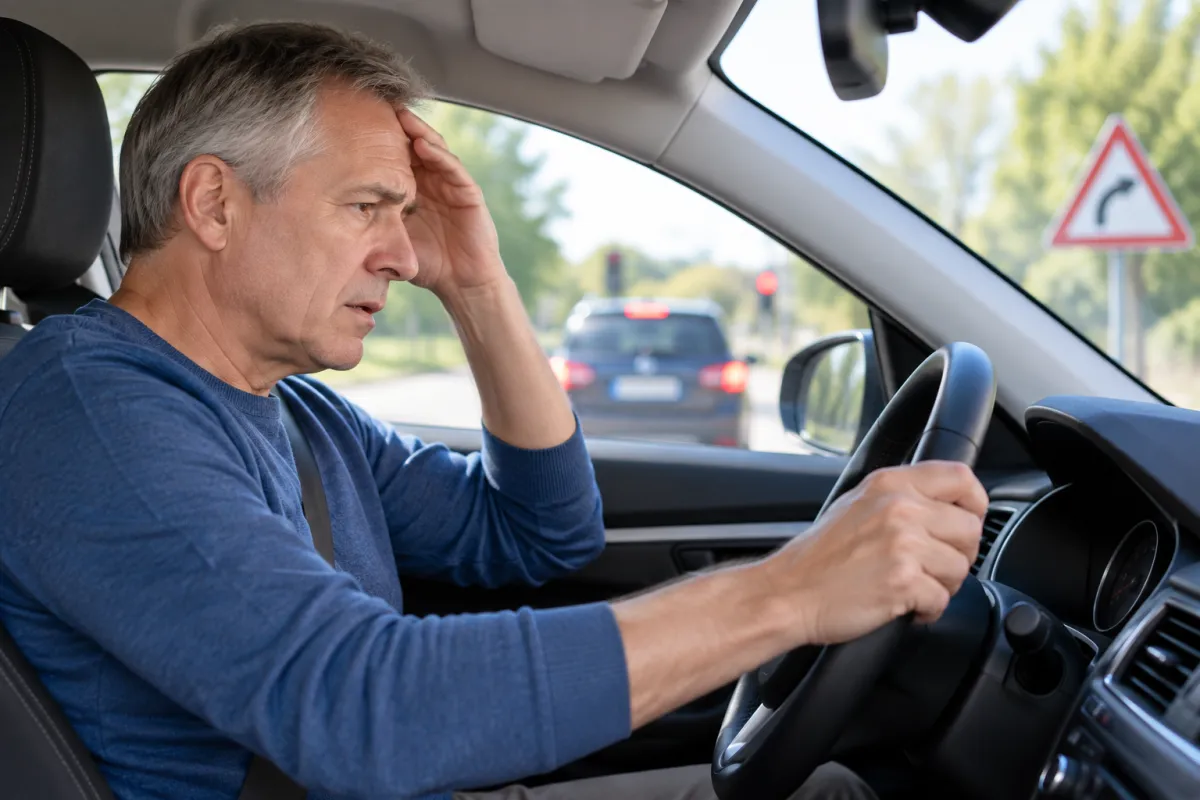
Driving too soon after a stroke can put both you and others at risk. A stroke may affect vision, reaction times, concentration, coordination, judgement and physical abilities—even if you feel mostly recovered. Returning to driving before you are medically fit or before following the legal requirements in your country may increase the risk of accidents and could affect your insurance coverage. Learn why waiting to drive matters and what steps you should take before getting back behind the wheel.

After your stroke...

You start feeling better.

You're walking again.

Perhaps your arm is improving.

You begin thinking...

"I feel fine."

"Maybe I could drive again."

After all...

Driving represents freedom.

Independence.

Normality.

But you may also wonder...

"What if I start driving too soon?"

This is an important question.

✦ ✦ ✦

The Good News

Many stroke survivors do return to driving.

However, taking the proper steps first helps ensure that you, your passengers and other road users remain safe.

A short delay now may prevent serious problems later.

✦ ✦ ✦

Why Driving Too Soon Can Be Dangerous

A stroke can affect many skills needed for safe driving.

Even if your recovery seems excellent, subtle problems may still be present.

Driving requires:

✓ Fast reaction times.

✓ Good vision.

✓ Concentration.

✓ Judgement.

✓ Decision-making.

✓ Coordination.

✓ Awareness of your surroundings.

Even mild difficulties in these areas can increase accident risk.

✦ ✦ ✦

Physical Problems That May Affect Driving

After a stroke, you may experience:

✓ Weakness in an arm or leg.

✓ Reduced coordination.

✓ Muscle stiffness or spasticity.

✓ Fatigue.

✓ Reduced sensation.

✓ Slower movements.

These issues may affect your ability to:

✓ Steer quickly.

✓ Brake safely.

✓ Check mirrors.

✓ Perform emergency manoeuvres.

✦ ✦ ✦

Vision Problems Can Be Particularly Dangerous

Some stroke survivors develop:

✓ Visual field loss.

✓ Double vision.

✓ Eye movement problems.

✓ Visual neglect.

You may not always realise these problems are present.

For example, some people fail to notice vehicles approaching from one side.

This can significantly increase the risk of collisions.

✦ ✦ ✦

Thinking and Concentration Problems

Stroke can also affect:

✓ Attention.

✓ Processing speed.

✓ Memory.

✓ Problem-solving.

✓ Multitasking.

Driving involves processing a huge amount of information very quickly.

Difficulties in these areas may not become obvious until you are in busy traffic.

✦ ✦ ✦

Fatigue and Driving

Post-stroke fatigue is extremely common.

Fatigue may cause:

✓ Slower reactions.

✓ Poor concentration.

✓ Reduced awareness.

✓ Delayed decision-making.

You may feel fine for short periods but become exhausted unexpectedly.

This can make driving unsafe.

✦ ✦ ✦

Increased Risk of Accidents

Driving too soon after a stroke may increase your risk of:

✓ Near misses.

✓ Getting lost.

✓ Misjudging distances.

✓ Missing hazards.

✓ Delayed braking.

✓ Collisions.

Even if you feel physically recovered, hidden impairments may still be present.

✦ ✦ ✦

Legal and Insurance Problems

In many countries, there are legal rules regarding driving after a stroke.

You may need to:

✓ Stop driving temporarily.

✓ Inform the relevant driving authority.

✓ Obtain medical clearance.

✓ Undergo further assessment.

Driving before following these requirements may affect:

✓ Your insurance validity.

✓ Legal responsibility after an accident.

✓ Your ability to continue driving in the future.

Always check the rules that apply where you live.

✦ ✦ ✦

Could You Harm Your Recovery?

Returning to driving too early may also increase stress and anxiety.

A frightening experience or accident could affect your confidence and emotional recovery.

Taking time to recover fully often leads to a safer and more confident return.

✦ ✦ ✦

How Do You Know You're Ready?

Before returning to driving, your healthcare professional may consider:

✓ Physical recovery.

✓ Vision.

✓ Cognitive function.

✓ Fatigue levels.

✓ Medication side effects.

✓ Seizure risk.

Some people may also undergo a specialist driving assessment.

These assessments help identify any areas that still need support.

✦ ✦ ✦

Signs You May Not Be Ready Yet

You may need more time if you experience:

✓ Frequent fatigue.

✓ Difficulty concentrating.

✓ Ongoing visual problems.

✓ Poor balance.

✓ Reduced confidence.

✓ Slowed reactions.

✓ Difficulty multitasking.

Being honest about your abilities helps keep everyone safe.

✦ ✦ ✦

Building Confidence Gradually

When you are medically cleared to drive, many people benefit from returning gradually.

You may start with:

✓ Short journeys.

✓ Quiet roads.

✓ Familiar routes.

✓ Driving during daylight.

✓ Avoiding busy traffic initially.

Confidence often builds over time.

✦ ✦ ✦

Tips for Family and Carers

If you're supporting someone after a stroke:

✓ Encourage them to follow medical advice.

✓ Discuss any concerns openly.

✓ Be honest if you notice unsafe driving behaviours.

✓ Offer lifts temporarily if needed.

✓ Encourage a professional driving assessment if appropriate.

These conversations can be difficult but are important for safety.

✦ ✦ ✦

When Should You Seek Medical Advice?

Speak with your healthcare professional if:

✓ You are unsure whether it is safe to drive.

✓ You have ongoing weakness or visual problems.

✓ Fatigue remains severe.

✓ You have experienced seizures.

✓ You notice problems with concentration or reactions.

Seek urgent medical attention immediately if you develop:

✓ New weakness.

✓ Sudden vision changes.

✓ Slurred speech.

✓ Sudden confusion.

✓ A severe headache unlike anything you've experienced before.

These may be signs of another stroke or another medical emergency.

✦ ✦ ✦

My Perspective

Driving often represents independence.

Losing it, even temporarily, can feel incredibly frustrating.

You may feel ready long before your brain is fully ready.

But recovery isn't about proving how quickly you can get back behind the wheel.

It's about making sure you can do so safely.

Waiting a little longer...

Completing assessments...

Building confidence gradually...

May feel difficult.

But protecting yourself and others is always worth it.

✦ ✦ ✦

Frequently Asked Questions

Can I Drive Immediately After a Stroke?

Usually not.

Most people need to stop driving for a period and follow medical and legal guidance before returning.

✦ ✦ ✦

What Happens If I Drive Too Soon?

You may increase your risk of accidents and could face legal or insurance consequences if you have not followed the required regulations.

✦ ✦ ✦

I Feel Fine. Does That Mean I Can Drive?

Not necessarily.

Some stroke-related problems, particularly visual or cognitive changes, may be subtle and difficult to recognise yourself.

✦ ✦ ✦

Will I Ever Drive Again?

Many stroke survivors do return to driving successfully.

The timeline depends on your recovery and individual circumstances.

✦ ✦ ✦

Key Takeaways

✓ Driving too soon after a stroke may put you and others at risk.

✓ Stroke can affect vision, concentration, reaction times and coordination.

✓ Hidden impairments may still be present even if you feel well.

✓ Legal and insurance issues may arise if you drive before medical clearance.

✓ Many people return to driving successfully after appropriate recovery and assessment.

✓ Always follow the advice of your healthcare team and local driving regulations.

✦ ✦ ✦

Related Articles

Continue learning about life after stroke with these helpful guides:

  • Driving After a Stroke – Learn when it may be safe to return to driving and the assessments that may be needed.

  • Vision Problems After a Stroke – Understand how stroke-related vision changes may affect daily life.

  • Fatigue After a Stroke – Discover why tiredness can have a major impact on safety and independence.

  • Returning to Work After a Stroke – Learn about rebuilding confidence and returning to everyday activities.

  • Preventing Another Stroke – Discover practical ways to reduce your future stroke risk.

✦ ✦ ✦

Always seek advice from your doctor or other healthcare professional regarding driving after a stroke and follow the legal requirements in your country before returning to driving.

✦ ✦ ✦

Final Thoughts

Getting back behind the wheel...

Can feel like getting your life back.

But driving too soon can carry risks that aren't always obvious.

Give your brain the time it needs to heal.

Follow medical advice.

Be patient with yourself.

Because returning safely...

Is far more important than returning quickly.

blog author avatar
Stroke Survivor and Author
Back to Blog

What you’ll learn

Why sitting balance can be affected after a stroke

Common problems people notice day to day

Simple rehabilitation approaches that may help

When changes in balance need medical attention

Why sitting balance matters

Sitting balance is often one of the foundations for standing, walking and everyday activities. After a stroke, some people find it difficult to sit upright without support, lean to one side, or feel unsteady when reaching.

The good news

Sitting balance often improves with rehabilitation, practice and time. Even small improvements can support confidence and independence.

Why can balance change after a stroke?

A stroke may affect several systems that help you stay upright, including strength, coordination, sensation, body awareness and balance control.

Strength

Trunk muscles may become weaker or slower to respond.

Coordination

Movements may feel less automatic or less controlled.

Sensation

You may have less feedback about where your body is in space.

Confidence

Fear of falling can make movement feel harder.

Common sitting problems after a stroke

  • Leaning to one side

  • Difficulty sitting upright without support

  • Feeling unstable when reaching

  • Falling or drifting backwards

  • Increased fatigue during longer periods of sitting

Some people may also experience pusher syndrome, where they actively push towards their weaker side. This should be assessed by a rehabilitation professional.

What May Help

Physiotherapy and occupational therapy often work on trunk control, weight shifting, posture, coordination and everyday activities.

Examples of exercises

  • Sitting unsupported for short periods

  • Gentle reaching tasks

  • Weight shifting from side to side

  • Trunk strengthening

  • Practising on different safe surfaces when appropriate

Keep it individual

Exercises should be matched to your own abilities and professional advice.

More detail: posture and positioning

Helpful strategies may include keeping both feet supported, maintaining an upright posture, and using supportive cushions when recommended.

More detail: fatigue and balance

Balance can become worse when you are tired. Regular rest periods and shorter practice sessions may help.

More detail: tips for family and carers

Encourage safe practice, avoid unexpected pulling or pushing, and help maintain good posture while celebrating small improvements.

When should you seek medical advice?

Arrange an appointment with a healthcare professional if sitting balance is worsening, falls are occurring, new weakness develops, or balance problems are significantly affecting daily activities.

Seek urgent medical attention for sudden new weakness, new speech difficulties, sudden confusion or sudden vision changes.

Key takeaways

Sitting balance is commonly affected after stroke.

Weakness, sensation and body awareness can all contribute.

Good sitting balance supports everyday activity and later mobility.

Recovery can continue over months and years.

Frequently asked questions

Is poor sitting balance common after a stroke?

Yes. Many stroke survivors experience difficulty with sitting balance, particularly during earlier stages of recovery.

Will my sitting balance improve?

Many people improve through rehabilitation, ongoing recovery and repeated practice.

Can exercises help?

Targeted exercises can help improve trunk control, balance and confidence when they are appropriate for the individual.

About Alisia

Alisia Gayle is a stroke survivor who achieved 96% neurological recovery following an ischaemic stroke.

After years of rehabilitation, she now shares practical, evidence-informed resources to help stroke survivors, carers and families better understand recovery and rebuild their lives with confidence.

Alisia is also the author of Brain Damage: My Journey to 96% Recovery, where she shares her personal stroke recovery story and the lessons she learned throughout her rehabilitation.

Next articles

Medical disclaimer

This article is intended for educational purposes only and should not replace professional medical advice, diagnosis or treatment.

Always seek advice from your doctor, physiotherapist or rehabilitation team regarding symptoms, concerns or changes in your condition.

Alisia Gayle is a stroke survivor, author, and advocate whose life was transformed in a single, ordinary day.

Contact us

800 1234 5678

FOLLOW US

Copyright 2026. Alisia Gayle | Stroke Recovery Through Lived Experience. All Rights Reserved.