

MOBILITY & PHYSICAL RECOVERY

Sitting Balance After a Stroke.

A calmer, easier-to-scan guide to why sitting balance can change after stroke, what may help, and when to seek professional advice.

Lorem ipsum dolor sit amet, consectetur adipiscing elit.

Why Can't I Open My Hand After a Stroke?

July 07, 20268 min read

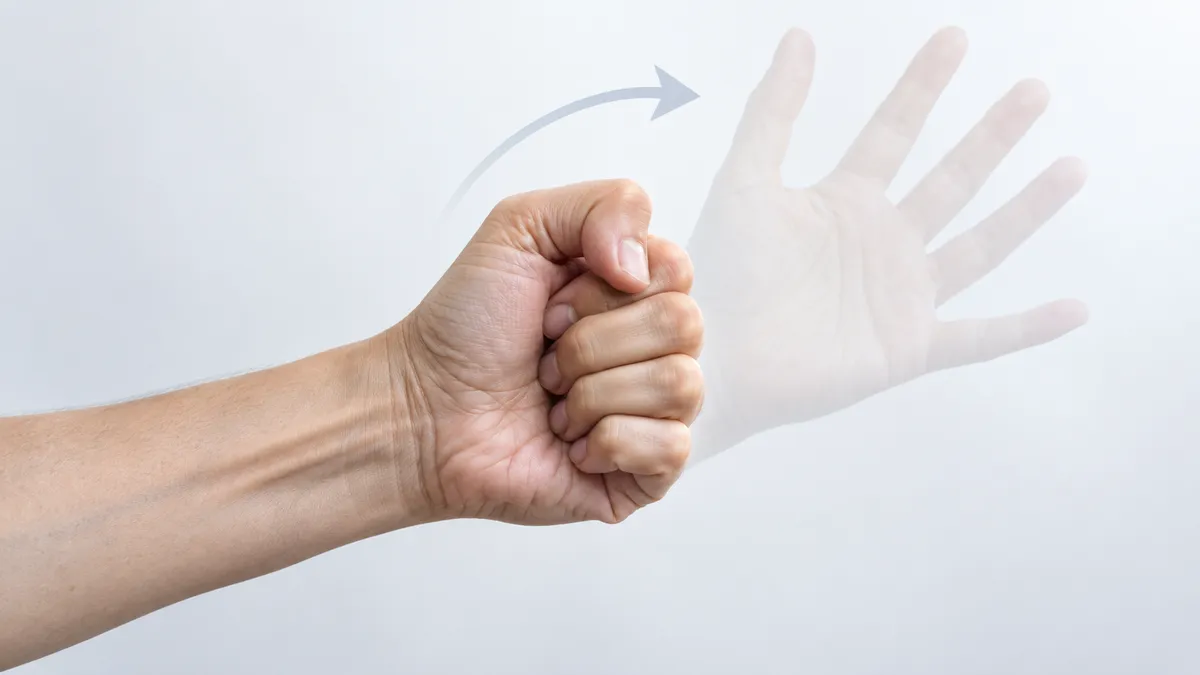
Difficulty opening your hand after a stroke is a common problem caused by weakness, spasticity or disrupted communication between the brain and the muscles. Many stroke survivors find their fingers curl into the palm, making everyday activities difficult. Learn why this happens, what treatments are available, and how rehabilitation can help you regain hand movement.

After your stroke...

Your hand stays tightly closed.

You tell your fingers to open...

But they won't respond.

Holding objects is difficult.

Letting go of them can be even harder.

You begin wondering...

"Why can't I open my hand?"

"Will my hand ever work normally again?"

For many stroke survivors...

This is one of the biggest challenges during recovery.

✦ ✦ ✦

The Good News

Many people improve their ability to open their hand after a stroke.

Recovery may take weeks, months or even years, but through rehabilitation and neuroplasticity, the brain can continue building new pathways that improve hand movement.

Progress is often slow...

But it is possible.

✦ ✦ ✦

Why Can't I Open My Hand?

Opening your hand is actually a surprisingly complex movement.

Your brain must send precise signals to relax some muscles while activating others.

After a stroke, these signals may become disrupted.

As a result:

✓ The muscles that close your hand may become overactive.

✓ The muscles that open your hand may become weak.

✓ Your brain may struggle to coordinate both movements.

This is why making a fist is often easier than opening your hand.

✦ ✦ ✦

Common Causes

Hand Spasticity

The most common cause is spasticity.

The muscles that close your fingers become overactive, causing the hand to remain tightly clenched.

Opening the fingers becomes difficult and sometimes painful.

✦ ✦ ✦

Muscle Weakness

After a stroke, the muscles that straighten your fingers may be weak.

Even if your brain sends the correct signal, the muscles may not yet be strong enough to respond.

✦ ✦ ✦

Reduced Brain Communication

Sometimes the muscles themselves are healthy.

The problem is that the brain cannot send clear messages to them.

This is why you may feel as though your hand "won't listen."

✦ ✦ ✦

Joint Stiffness

If your fingers remain bent for long periods, the joints and tendons gradually become stiff.

This makes opening the hand even more difficult.

✦ ✦ ✦

Contractures

Without regular stretching and movement, muscles and tendons may shorten permanently.

This is called a contracture.

Early treatment helps reduce this risk.

✦ ✦ ✦

Symptoms

You may notice:

✓ Fingers curled into your palm.

✓ Difficulty straightening your fingers.

✓ Thumb tucked tightly into your hand.

✓ Pain when opening the hand.

✓ Muscle spasms.

✓ Difficulty releasing objects.

✓ Fingernails digging into your palm.

✓ Stiffness that becomes worse during the day.

Symptoms often become worse when you're:

✓ Tired.

✓ Cold.

✓ Stressed.

✓ Unwell.

✦ ✦ ✦

How Does It Affect Everyday Life?

Not being able to open your hand can make many everyday activities difficult.

These include:

✓ Washing your hand.

✓ Getting dressed.

✓ Holding cutlery.

✓ Carrying shopping.

✓ Writing.

✓ Using a keyboard.

✓ Holding a toothbrush.

✓ Cooking.

✓ Shaking hands.

The emotional impact can be just as challenging as the physical difficulties.

✦ ✦ ✦

Treatment Options

Treatment depends on the cause of your difficulty opening the hand.

Most people benefit from combining several approaches.

✦ ✦ ✦

Physiotherapy

A physiotherapist may recommend exercises to:

✓ Improve finger movement.

✓ Stretch tight muscles.

✓ Strengthen weak muscles.

✓ Improve arm function.

Regular rehabilitation is one of the most important parts of recovery.

✦ ✦ ✦

Occupational Therapy

An occupational therapist can help you practise everyday activities while improving hand function.

They may recommend:

✓ Functional hand exercises.

✓ Adaptive equipment.

✓ Splints.

✓ Positioning techniques.

Their goal is to improve your independence.

✦ ✦ ✦

Stretching

Daily stretching helps:

✓ Reduce stiffness.

✓ Maintain flexibility.

✓ Prevent contractures.

Stretch gently and never force your fingers open.

✦ ✦ ✦

Splints

A hand splint may help:

✓ Keep the fingers in a more natural position.

✓ Reduce muscle tightness.

✓ Prevent contractures.

✓ Improve comfort.

Splints should always be fitted by a healthcare professional.

✦ ✦ ✦

Botulinum Toxin (Botox)

If severe spasticity is preventing your hand from opening, your doctor may recommend Botox injections.

Botox temporarily relaxes overactive muscles, making therapy more effective.

✦ ✦ ✦

Functional Electrical Stimulation (FES)

For some people, electrical stimulation can help activate weakened muscles involved in opening the hand.

Your rehabilitation team can advise whether this is suitable for you.

✦ ✦ ✦

Neuroplasticity

Recovery is possible because of neuroplasticity.

Every attempt to open your hand...

Every repetition...

Every exercise...

Encourages your brain to strengthen new pathways.

Thousands of repetitions over time create meaningful change.

✦ ✦ ✦

Practical Tips

Practise Every Day

Short, regular practice sessions are more effective than occasional long sessions.

Consistency is one of the biggest drivers of recovery.

✦ ✦ ✦

Use Your Hand During Everyday Activities

Even if your hand doesn't fully open, involve it whenever it's safe.

Every attempt helps stimulate your brain.

✦ ✦ ✦

Stretch Regularly

Daily stretching helps reduce stiffness and maintain flexibility.

Follow the programme provided by your therapist.

✦ ✦ ✦

Keep Your Palm Clean

If your hand stays clenched:

✓ Wash your palm daily.

✓ Dry it thoroughly.

✓ Check for redness.

✓ Check for broken skin.

Good hand hygiene helps prevent infections.

✦ ✦ ✦

Stay Patient

Hand recovery is often one of the slowest parts of stroke rehabilitation.

Don't judge your progress day by day.

Look at how far you've come over weeks and months.

✦ ✦ ✦

Tips for Family and Carers

If you're supporting someone who cannot open their hand:

✓ Encourage daily exercises.

✓ Help with stretching if you've been trained.

✓ Never force the fingers open.

✓ Keep the palm clean and dry.

✓ Encourage safe use of the affected hand during everyday tasks.

Small amounts of daily support can have a lasting impact.

✦ ✦ ✦

When Should You Seek Medical Advice?

Speak with your healthcare professional if:

✓ Your hand becomes increasingly difficult to open.

✓ Pain is getting worse.

✓ Your fingers dig into your palm.

✓ Your hand develops skin breakdown.

✓ Movement continues to decline.

Seek urgent medical attention if:

✓ Your hand becomes suddenly swollen, hot or red.

✓ You develop severe pain or signs of infection.

✓ You suddenly develop new weakness, facial drooping or speech difficulties.

These symptoms require immediate medical assessment.

✦ ✦ ✦

My Perspective

One of the hardest parts of recovery is knowing exactly what you want your hand to do...

But not being able to make it happen.

It can feel as though your brain and your hand are speaking different languages.

The encouraging news is that those connections can improve.

Every exercise...

Every stretch...

Every attempt...

Is teaching your brain to communicate with your hand again.

Don't underestimate the power of repetition.

✦ ✦ ✦

Frequently Asked Questions

Will I Ever Be Able to Open My Hand Again?

Many stroke survivors regain significant hand movement through rehabilitation.

Recovery depends on the severity of the stroke, the amount of brain damage and how consistently rehabilitation is practised.

✦ ✦ ✦

Why Can I Close My Hand but Not Open It?

The muscles that close the hand are often stronger and may become overactive because of spasticity, while the muscles that open the hand are weaker.

This imbalance makes opening the hand much harder.

✦ ✦ ✦

Should I Force My Fingers Open?

No.

Forcing your fingers open can cause pain or injury.

Always use the stretching techniques recommended by your physiotherapist or occupational therapist.

✦ ✦ ✦

Can My Hand Improve Years After a Stroke?

Yes.

Thanks to neuroplasticity, meaningful improvements can continue months and even years after a stroke with regular rehabilitation and practice.

✦ ✦ ✦

Key Takeaways

✓ Difficulty opening the hand is common after a stroke.

✓ Spasticity, muscle weakness and reduced brain communication are the most common causes.

✓ Stretching, physiotherapy and occupational therapy are key treatments.

✓ Botox and splints may help some people.

✓ Daily practice supports neuroplasticity and hand recovery.

✓ Many people continue improving long after their stroke.

✦ ✦ ✦

About the Author

Alisia Gayle is a stroke survivor who achieved 96% neurological recovery following an ischaemic stroke.

After years of rehabilitation, she now shares practical, evidence-informed resources to help stroke survivors, carers and families better understand recovery and rebuild their lives with confidence.

Alisia is also the author of Brain Damage: My Journey to 96% Recovery, where she shares her personal stroke recovery story and the lessons she learned throughout her rehabilitation.

✦ ✦ ✦

Medical Disclaimer

This article is intended for educational purposes only and should not replace professional medical advice, diagnosis or treatment.

Always seek advice from your doctor, physiotherapist, occupational therapist or other healthcare professional regarding symptoms, concerns or changes in your condition.

✦ ✦ ✦

Final Thoughts

A hand that won't open today...

Can still improve tomorrow.

Every stretch...

Every repetition...

Every small success...

Is helping your brain reconnect with your hand.

Stay patient.

Keep practising.

Recovery happens one movement, one repetition and one day at a time.

blog author avatar
Stroke Survivor and Author
Back to Blog

What you’ll learn

Why sitting balance can be affected after a stroke

Common problems people notice day to day

Simple rehabilitation approaches that may help

When changes in balance need medical attention

Why sitting balance matters

Sitting balance is often one of the foundations for standing, walking and everyday activities. After a stroke, some people find it difficult to sit upright without support, lean to one side, or feel unsteady when reaching.

The good news

Sitting balance often improves with rehabilitation, practice and time. Even small improvements can support confidence and independence.

Why can balance change after a stroke?

A stroke may affect several systems that help you stay upright, including strength, coordination, sensation, body awareness and balance control.

Strength

Trunk muscles may become weaker or slower to respond.

Coordination

Movements may feel less automatic or less controlled.

Sensation

You may have less feedback about where your body is in space.

Confidence

Fear of falling can make movement feel harder.

Common sitting problems after a stroke

  • Leaning to one side

  • Difficulty sitting upright without support

  • Feeling unstable when reaching

  • Falling or drifting backwards

  • Increased fatigue during longer periods of sitting

Some people may also experience pusher syndrome, where they actively push towards their weaker side. This should be assessed by a rehabilitation professional.

What May Help

Physiotherapy and occupational therapy often work on trunk control, weight shifting, posture, coordination and everyday activities.

Examples of exercises

  • Sitting unsupported for short periods

  • Gentle reaching tasks

  • Weight shifting from side to side

  • Trunk strengthening

  • Practising on different safe surfaces when appropriate

Keep it individual

Exercises should be matched to your own abilities and professional advice.

More detail: posture and positioning

Helpful strategies may include keeping both feet supported, maintaining an upright posture, and using supportive cushions when recommended.

More detail: fatigue and balance

Balance can become worse when you are tired. Regular rest periods and shorter practice sessions may help.

More detail: tips for family and carers

Encourage safe practice, avoid unexpected pulling or pushing, and help maintain good posture while celebrating small improvements.

When should you seek medical advice?

Arrange an appointment with a healthcare professional if sitting balance is worsening, falls are occurring, new weakness develops, or balance problems are significantly affecting daily activities.

Seek urgent medical attention for sudden new weakness, new speech difficulties, sudden confusion or sudden vision changes.

Key takeaways

Sitting balance is commonly affected after stroke.

Weakness, sensation and body awareness can all contribute.

Good sitting balance supports everyday activity and later mobility.

Recovery can continue over months and years.

Frequently asked questions

Is poor sitting balance common after a stroke?

Yes. Many stroke survivors experience difficulty with sitting balance, particularly during earlier stages of recovery.

Will my sitting balance improve?

Many people improve through rehabilitation, ongoing recovery and repeated practice.

Can exercises help?

Targeted exercises can help improve trunk control, balance and confidence when they are appropriate for the individual.

About Alisia

Alisia Gayle is a stroke survivor who achieved 96% neurological recovery following an ischaemic stroke.

After years of rehabilitation, she now shares practical, evidence-informed resources to help stroke survivors, carers and families better understand recovery and rebuild their lives with confidence.

Alisia is also the author of Brain Damage: My Journey to 96% Recovery, where she shares her personal stroke recovery story and the lessons she learned throughout her rehabilitation.

Next articles

Medical disclaimer

This article is intended for educational purposes only and should not replace professional medical advice, diagnosis or treatment.

Always seek advice from your doctor, physiotherapist or rehabilitation team regarding symptoms, concerns or changes in your condition.

Alisia Gayle is a stroke survivor, author, and advocate whose life was transformed in a single, ordinary day.

Contact us

800 1234 5678

FOLLOW US

Copyright 2026. Alisia Gayle | Stroke Recovery Through Lived Experience. All Rights Reserved.