
MOBILITY & PHYSICAL RECOVERY

Sitting Balance After a Stroke.

A calmer, easier-to-scan guide to why sitting balance can change after stroke, what may help, and when to seek professional advice.

Why Is My Arm Recovery So Slow?

Why Is My Arm Recovery So Slow?

July 10, 20266 min read

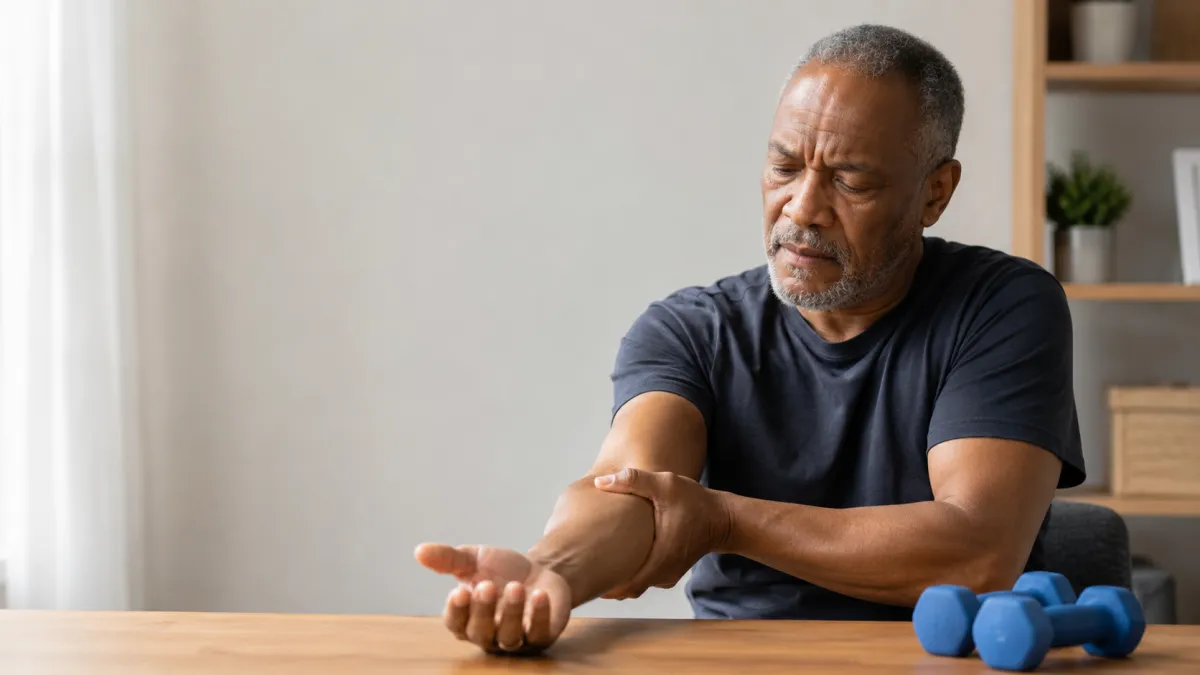
Arm recovery after a stroke is often slower than leg recovery, and many stroke survivors find this frustrating and discouraging. The arm and hand require extremely precise, complex movements that depend on large areas of the brain working together. Although recovery may feel painfully slow, improvement can continue for months and even years after a stroke. Learn why arm recovery often takes longer and what you can do to maximise your progress.

After your stroke...

Perhaps you start walking again.

You regain some balance.

You can stand more confidently.

Yet...

Your arm still feels weak.

Your hand still won't do what you want.

You begin wondering...

"Why is my leg improving but my arm isn't?"

"Am I doing something wrong?"

"Has my recovery stopped?"

The answer is...

Probably not.

Arm recovery is often one of the slowest and most challenging parts of stroke rehabilitation.

✦ ✦ ✦

The Good News

Slow recovery does not mean no recovery.

Many stroke survivors continue to see improvements in arm function long after the early stages of recovery.

The brain remains capable of neuroplasticity throughout life.

Even small improvements can eventually lead to meaningful changes in independence and daily function.

✦ ✦ ✦

Why Is Arm Recovery Often Slower?

The arm and hand perform extremely complex movements.

Simple tasks such as:

✓ Buttoning a shirt.

✓ Holding a cup.

✓ Typing on a phone.

✓ Picking up a coin.

Require precise coordination between:

✓ The brain.

✓ Muscles.

✓ Sensation.

✓ Vision.

✓ Timing.

✓ Fine motor control.

Walking, while also complex, often relies on more repetitive movement patterns.

Hand and arm movements require much greater precision.

✦ ✦ ✦

The Brain Devotes a Large Area to the Hand

A surprisingly large part of the brain is responsible for controlling hand and finger movements.

This means that even a relatively small stroke can significantly affect:

✓ Grip.

✓ Finger movement.

✓ Thumb control.

✓ Coordination.

Because these movements are so precise, rebuilding them often takes considerable time and repetition.

✦ ✦ ✦

Weakness Is Only Part of the Problem

Arm recovery is not simply about strength.

Other factors may include:

✓ Reduced sensation.

✓ Spasticity.

✓ Shoulder pain.

✓ Poor coordination.

✓ Difficulty planning movements.

✓ Learned non-use.

Several of these problems may exist at the same time.

✦ ✦ ✦

Learned Non-Use

Many stroke survivors gradually stop using the affected arm because tasks become difficult.

Over time, the brain may begin relying almost entirely on the stronger arm.

This is known as learned non-use.

Unfortunately, using the affected arm less often may further slow recovery.

This is one reason why safely encouraging use of the affected arm is so important.

✦ ✦ ✦

Spasticity Can Slow Progress

Some people develop increased muscle tone after a stroke.

This may cause:

✓ A clenched hand.

✓ A bent elbow.

✓ Difficulty opening the fingers.

✓ Stiffness.

Spasticity can make movement more difficult and may interfere with rehabilitation.

However, improvements are often still possible.

✦ ✦ ✦

Sensory Problems Matter Too

Many people focus on movement.

But sensation also plays an important role.

You may experience:

✓ Numbness.

✓ Altered sensation.

✓ Difficulty knowing where your arm is.

✓ Reduced awareness of touch.

Without accurate sensory feedback, controlling movement becomes more difficult.

✦ ✦ ✦

Recovery Often Happens More Slowly Than Expected

Arm recovery can feel frustrating because improvements are often very gradual.

You may not notice changes day to day.

But over months...

Small gains can add up significantly.

Recovery rarely occurs in a straight line.

There may be:

✓ Periods of rapid improvement.

✓ Plateaus.

✓ Temporary setbacks.

This is normal.

✦ ✦ ✦

Can Recovery Continue Years Later?

Yes.

Many stroke survivors continue noticing improvements long after the first year.

The brain remains capable of forming new pathways through neuroplasticity.

Improvement may continue when you:

✓ Practise regularly.

✓ Challenge the arm.

✓ Continue using it in daily activities.

Never assume that recovery has completely stopped.

✦ ✦ ✦

What Can Help Arm Recovery?

Repetitive Practice

The brain learns through repetition.

Repeated movement attempts help strengthen neural pathways.

Functional Activities

Practising meaningful activities may improve motivation and function.

Examples include:

✓ Folding towels.

✓ Holding a cup.

✓ Using cutlery.

✓ Using a mobile phone.

Mirror Therapy

Some stroke survivors benefit from mirror therapy to stimulate brain pathways.

Bilateral Training

Using both arms together may encourage movement and improve awareness.

Electrical Stimulation

This may help activate weak muscles in selected individuals.

Occupational Therapy

Occupational therapists can provide exercises and strategies tailored to your specific difficulties.

✦ ✦ ✦

Try Not to Compare Yourself to Others

One of the most difficult aspects of stroke recovery is comparison.

You may see someone else's arm recover quickly.

Or hear stories online.

But every stroke is different.

Recovery depends on:

✓ Stroke severity.

✓ Which brain areas were affected.

✓ Existing health conditions.

✓ Rehabilitation opportunities.

Your journey is unique.

✦ ✦ ✦

When Should You Seek Medical Advice?

Speak with your healthcare professional if:

✓ Your arm suddenly becomes weaker.

✓ You develop increasing pain.

✓ Spasticity is worsening.

✓ You are losing movement you previously had.

✓ You are unsure which exercises are appropriate.

Professional guidance can help identify barriers to recovery and optimise rehabilitation.

✦ ✦ ✦

My Perspective

Arm recovery can be one of the most emotionally challenging parts of stroke rehabilitation.

The progress often feels painfully slow.

Sometimes slower than walking.

Slower than balance.

Slower than speech.

But don't underestimate small gains.

A tiny finger movement.

A slightly stronger grip.

A little less stiffness.

These small improvements may not seem like much today...

But over time they can become meaningful changes in function and independence.

✦ ✦ ✦

Frequently Asked Questions

Why Did My Leg Recover Faster Than My Arm?

This is very common.

Hand and arm movements require far more precise control and often take longer to recover.


Does Slow Recovery Mean Permanent Damage?

No.

Slow recovery does not necessarily mean recovery has stopped.

Improvements can continue for a long time.


Can My Arm Still Improve Years Later?

Yes.

Many stroke survivors continue noticing improvements years after their stroke.


Should I Keep Using My Arm Even If Progress Is Slow?

Yes.

Safe, repetitive use of the affected arm remains one of the most important parts of recovery.

✦ ✦ ✦

Key Takeaways

✓ Arm recovery is often slower than leg recovery.

✓ Hand movements require extremely complex brain control.

✓ Weakness, sensation changes and spasticity may all contribute.

✓ Recovery often occurs gradually.

✓ Improvements can continue for months and years.

✓ Repetition and functional practice remain important.

✓ Slow progress does not mean recovery has stopped.

✦ ✦ ✦

Related Articles

Continue learning about arm and hand recovery after stroke:

  • Flaccid Arm After a Stroke

  • Arm Weakness After a Stroke

  • Why Can't I Open My Hand After a Stroke?

  • Fine Motor Skills After a Stroke

  • Can Hand Function Return Years After a Stroke?

✦ ✦ ✦

Final Thoughts

Slow arm recovery after a stroke...

Can be incredibly frustrating.

But slow does not mean impossible.

Recovery often happens in tiny steps.

Sometimes so slowly that you barely notice it.

Keep practising.

Keep challenging your arm safely.

And remember...

Every repetition is another opportunity for your brain to learn.

Progress may be slower than you hoped...

But improvement is still possible.

blog author avatar
Stroke Survivor and Author
Back to Blog

What you’ll learn

Why sitting balance can be affected after a stroke

Common problems people notice day to day

Simple rehabilitation approaches that may help

When changes in balance need medical attention

Why sitting balance matters

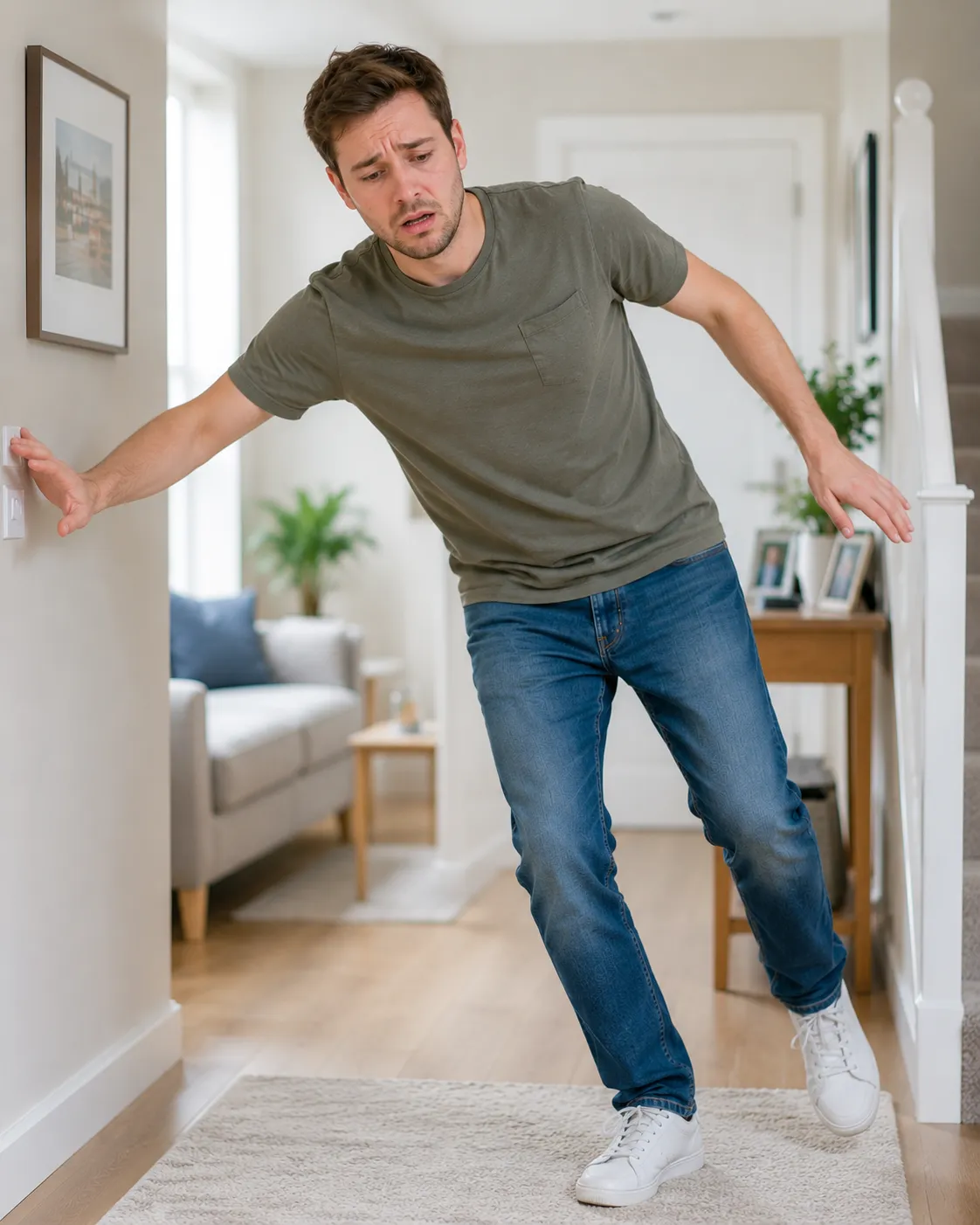
Sitting balance is often one of the foundations for standing, walking and everyday activities. After a stroke, some people find it difficult to sit upright without support, lean to one side, or feel unsteady when reaching.

The good news

Sitting balance often improves with rehabilitation, practice and time. Even small improvements can support confidence and independence.

Why can balance change after a stroke?

A stroke may affect several systems that help you stay upright, including strength, coordination, sensation, body awareness and balance control.

Strength

Trunk muscles may become weaker or slower to respond.

Coordination

Movements may feel less automatic or less controlled.

Sensation

You may have less feedback about where your body is in space.

Confidence

Fear of falling can make movement feel harder.

Common sitting problems after a stroke

  • Leaning to one side

  • Difficulty sitting upright without support

  • Feeling unstable when reaching

  • Falling or drifting backwards

  • Increased fatigue during longer periods of sitting

Some people may also experience pusher syndrome, where they actively push towards their weaker side. This should be assessed by a rehabilitation professional.

What May Help

Physiotherapy and occupational therapy often work on trunk control, weight shifting, posture, coordination and everyday activities.

Examples of exercises

  • Sitting unsupported for short periods

  • Gentle reaching tasks

  • Weight shifting from side to side

  • Trunk strengthening

  • Practising on different safe surfaces when appropriate

Keep it individual

Exercises should be matched to your own abilities and professional advice.

More detail: posture and positioning

Helpful strategies may include keeping both feet supported, maintaining an upright posture, and using supportive cushions when recommended.

More detail: fatigue and balance

Balance can become worse when you are tired. Regular rest periods and shorter practice sessions may help.

More detail: tips for family and carers

Encourage safe practice, avoid unexpected pulling or pushing, and help maintain good posture while celebrating small improvements.

When should you seek medical advice?

Arrange an appointment with a healthcare professional if sitting balance is worsening, falls are occurring, new weakness develops, or balance problems are significantly affecting daily activities.

Seek urgent medical attention for sudden new weakness, new speech difficulties, sudden confusion or sudden vision changes.

Key takeaways

Sitting balance is commonly affected after stroke.

Weakness, sensation and body awareness can all contribute.

Good sitting balance supports everyday activity and later mobility.

Recovery can continue over months and years.

Frequently asked questions

Is poor sitting balance common after a stroke?

Yes. Many stroke survivors experience difficulty with sitting balance, particularly during earlier stages of recovery.

Will my sitting balance improve?

Many people improve through rehabilitation, ongoing recovery and repeated practice.

Can exercises help?

Targeted exercises can help improve trunk control, balance and confidence when they are appropriate for the individual.

About Alisia

Alisia Gayle is a stroke survivor who achieved 96% neurological recovery following an ischaemic stroke.

After years of rehabilitation, she now shares practical, evidence-informed resources to help stroke survivors, carers and families better understand recovery and rebuild their lives with confidence.

Alisia is also the author of Brain Damage: My Journey to 96% Recovery, where she shares her personal stroke recovery story and the lessons she learned throughout her rehabilitation.

Next articles

Medical disclaimer

This article is intended for educational purposes only and should not replace professional medical advice, diagnosis or treatment.

Always seek advice from your doctor, physiotherapist or rehabilitation team regarding symptoms, concerns or changes in your condition.

Alisia Gayle is a stroke survivor, author, and advocate whose life was transformed in a single, ordinary day.

Contact us

800 1234 5678

FOLLOW US

Copyright 2026. Alisia Gayle | Stroke Recovery Through Lived Experience. All Rights Reserved.