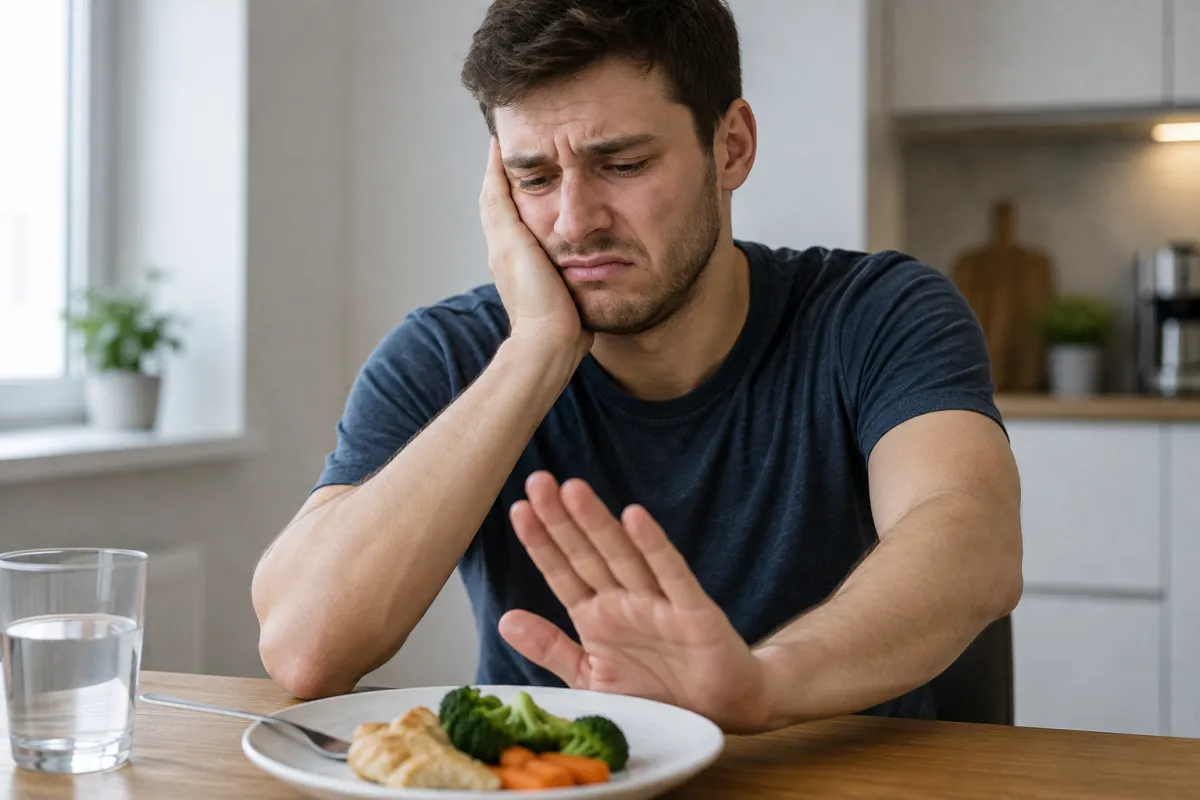
Depression after stroke is common, and experiencing a stroke at a young age can create additional emotional pressures involving work, parenting, relationships, finances, independence and the loss of the future you expected. Depression is not simply the same as feeling understandably upset after a major illness. Persistent low mood, loss of interest, hopelessness, withdrawal, sleep or appetite changes and difficulty functioning may indicate that additional support is needed. Post-stroke depression can be treated, and psychological therapy, rehabilitation support and medication may all have a role depending on the individual.
After your stroke...
People may focus on what they can see.
Can you walk?
Can you move your arm?
Is your speech improving?
Can you go home?
But something else may be happening underneath.
You feel flat.
You stop looking forward to things.
Friends message and you cannot be bothered to answer.
You watch other people your age continuing with their lives...
Working.
Travelling.
Raising children.
Dating.
Buying houses.
Making plans.
And you think:
"How did I end up here?"
Perhaps your physical recovery is actually going well.
Everyone tells you:
"You look amazing."
But inside...
You do not feel amazing.
You begin wondering...
"Am I depressed?"
"Is this normal after a stroke?"
"Why am I struggling when I'm young?"
"Shouldn't I just be grateful I survived?"
"Will I ever feel like myself again?"
These questions matter.
Because surviving the stroke physically is only one part of recovery.
Your emotional health matters too.
✦ ✦ ✦
The Good News
Depression after stroke is treatable.
You do not simply have to endure it.
The Stroke Association reports that around a third of stroke survivors experience post-stroke depression, and emotional changes including anxiety, depression, anger and frustration are well recognised after stroke.
Support may involve:
✓ Talking therapies
✓ Cognitive behavioural therapy
✓ Psychological support
✓ Rehabilitation
✓ Social support
✓ Medication where appropriate
✓ Treatment of contributing physical problems
The NHS includes cognitive behavioural therapy among approaches that may help with depression and anxiety during stroke recovery.
The fact that depression can occur after stroke does not mean it should be ignored.
Common does not mean harmless.
And young stroke survivors deserve psychological rehabilitation just as much as physical rehabilitation.
✦ ✦ ✦
Why Can Depression Happen After Stroke?
There is rarely one simple explanation.
A stroke is both:
A brain injury.
And a major life event.
The stroke itself may affect brain networks involved in emotion and behaviour.
At the same time, you are trying to process what happened.
You may have lost:
✓ Physical ability
✓ Independence
✓ Confidence
✓ Income
✓ Career momentum
✓ Social life
✓ Driving
✓ Privacy
✓ Future plans
The Stroke Association explains that emotional changes may be related both to damage caused by the stroke and to the experience of dealing with everything that has happened afterwards.
So when someone says:
"You're just upset because you had a stroke"
they may be oversimplifying something much more complex.
✦ ✦ ✦
Young Stroke Can Create a Different Kind of Grief
If you have a stroke at 35...
You are not necessarily grieving retirement plans.
You may be grieving the life you expected to live right now.
Perhaps you were:
Building your career.
Planning children.
Starting a business.
Dating.
Travelling.
Paying a mortgage.
Training for something.
Climbing professionally.
Then suddenly...
Everything pauses.
This can create grief for a future that has not technically disappeared...
But suddenly feels uncertain.
You may think:
"I was supposed to be doing something completely different with my life."
That grief can sit alongside gratitude for surviving.
You can be grateful to be alive...
And still hate what happened.
Those two things can exist at the same time.
✦ ✦ ✦
Depression Is Not the Same as Having a Bad Day
Everyone feels low sometimes.
After a stroke, sadness, frustration and grief are understandable.
Depression usually goes further.
It may involve a persistent pattern of symptoms such as:
✓ Low mood
✓ Loss of interest or pleasure
✓ Hopelessness
✓ Withdrawal from other people
✓ Changes in sleep
✓ Changes in appetite
✓ Poor concentration
✓ Feelings of worthlessness
✓ Reduced motivation
✓ Thoughts that life is not worth living
The World Health Organization describes depression as involving persistent depressed mood or loss of interest or pleasure, together with other symptoms that can significantly interfere with daily life.
The duration, severity and impact of the symptoms matter.
If low mood is taking over your life...
Treat it as a health problem.
Not a personality flaw.
✦ ✦ ✦
"But I Have a Reason to Be Depressed"
You may think:
"Of course I'm depressed. I had a stroke."
But having an understandable reason for emotional pain does not mean treatment is unnecessary.
Imagine saying:
"Of course my leg hurts. I broke it."
That would not mean you should refuse treatment.
The same principle applies psychologically.
Yes...
The stroke may explain why you feel devastated.
But if that devastation becomes persistent depression, you still deserve help.
You do not need to prove that your sadness is irrational before you are allowed psychological support.
✦ ✦ ✦
Looking Recovered Can Make Depression Harder to See
Young survivors sometimes recover well enough physically that other people assume the entire problem is over.
You walk into a room.
You look healthy.
Your speech sounds normal.
Nobody sees:
✓ Cognitive fatigue
✓ Fear of recurrence
✓ Reduced confidence
✓ Slower processing
✓ Memory problems
✓ Emotional changes
✓ Anxiety
Then people say:
"You've made a full recovery."
But you may not feel recovered at all.
Invisible difficulties can create a particularly lonely form of depression.
You begin wondering whether you are allowed to struggle because everyone else thinks you are fine.
You are.
Physical appearance is a terrible measure of psychological recovery.
✦ ✦ ✦
Losing Your Career Can Hit Hard
For many younger adults, work is deeply tied to identity.
You may have spent ten or fifteen years becoming:
The expert.
The manager.
The professional.
The person people depended on.
Then you have a stroke.
Suddenly you are:
Off sick.
Being assessed.
Needing adjustments.
Unable to drive.
Unable to tolerate full days.
Worried about your memory.
That change can be psychologically brutal.
You may think:
"Who am I if I cannot do my job?"
This is why returning to work after young stroke is not purely an employment issue.
It can also be an identity issue.
NICE recognises that stroke rehabilitation may need to include support with returning to work as part of helping survivors regain independence.
✦ ✦ ✦
Financial Stress Can Feed Depression
A stroke in later life may happen after retirement.
A stroke at 32 may happen while you have:
A mortgage.
Rent.
Nursery fees.
Debt.
Children.
A partner relying on your income.
You may suddenly worry:
"How long will my sick pay last?"
"What happens if I cannot return?"
"What if my salary drops?"
"Will we lose the house?"
That is not abstract anxiety.
Those are real practical pressures.
Financial uncertainty can make emotional recovery much harder.
This is one reason young-stroke depression should not be treated solely as:
"Change your thinking."
Sometimes the environment also needs attention.
Benefits advice.
Employment support.
Workplace adjustments.
Debt advice.
Financial planning.
Practical problems can intensify psychological ones.
✦ ✦ ✦
Parenting Can Make Depression More Complicated
Perhaps you have young children.
Before your stroke you were the parent who:
Did school runs.
Played football.
Carried the toddler.
Cooked.
Worked.
Managed everything.
Now your child watches someone help you shower.
Or asks:
"Why are you always tired?"
You may feel guilty.
You may think your children deserve the old version of you.
But guilt can easily turn into withdrawal.
You stop joining activities because you cannot do them as before.
Try not to let:
"I can't parent exactly the same way"
become:
"I have nothing to offer my child."
Parenting can adapt.
Connection still matters.
Reading.
Talking.
Watching films.
Helping with homework.
Sitting together.
Children need your presence more than a perfect performance of your pre-stroke abilities.
✦ ✦ ✦
Relationships May Change Too
A stroke can suddenly alter the balance in a relationship.
Your partner may become:
Carer.
Driver.
Medication organiser.
Financial support.
Advocate.
That can affect intimacy.
You may feel dependent.
Your partner may become overprotective.
You may avoid discussing how unhappy you feel because you think:
"They already do enough for me."
But silence does not remove depression.
It often makes isolation worse.
Tell people what is actually happening.
They may assume:
"You're recovering really well."
because that is what they can see.
They cannot respond to what you never tell them.
✦ ✦ ✦
Friendships Can Become Difficult
Young stroke can separate you from your peer group.
Your friends may still be living fast.
Going out.
Travelling.
Working long hours.
Having babies.
Dating.
You may be scheduling your day around:
Physiotherapy.
Fatigue.
Medication.
Hospital appointments.
Some friends will understand.
Some will not.
Others may disappear because serious illness makes them uncomfortable.
That can deepen depression.
Especially when social support has already reduced because you cannot participate in activities in the same way.
Finding younger stroke survivors can help because you do not have to explain every detail.
Sometimes simply hearing:
"Me too"
can reduce the sense that your life has become completely abnormal.
✦ ✦ ✦
Fear of Another Stroke Can Become Exhausting
After young stroke, you have learned something frightening:
Your age did not protect you.
That can permanently change how you interpret bodily sensations.
A headache becomes:
"Another stroke?"
A numb finger.
A strange visual sensation.
A forgotten word.
Dizziness.
You begin checking your body constantly.
That hypervigilance can feed both anxiety and depression.
You may stop making plans because you think:
"What's the point if this can happen again?"
But secondary prevention exists precisely so you can reduce future risk where possible.
Understand your medication.
Manage blood pressure.
Address cholesterol and diabetes.
Do not smoke.
Attend follow-up care.
Know genuine stroke warning signs.
Then try to allow prevention to support your life rather than dominate it.
✦ ✦ ✦
Fatigue and Depression Can Look Similar
This is important.
Post-stroke fatigue can cause:
✓ Low energy
✓ Reduced activity
✓ Difficulty concentrating
✓ More sleep
✓ Less socialising
Depression can cause many of the same things.
And they can occur together.
You may think:
"I'm depressed because I don't want to do anything."
But perhaps severe neurological fatigue is limiting you.
Or you may think:
"It's just stroke fatigue"
when you have also stopped enjoying anything, feel hopeless and have withdrawn emotionally.
This is why proper assessment matters.
Do not diagnose yourself based on one symptom.
Your GP, stroke team or psychological service can help distinguish overlapping problems.
✦ ✦ ✦
Apathy Is Not Always Depression
Stroke can also cause apathy.
Apathy involves reduced motivation, initiative or interest.
Someone may appear:
Lazy.
Disengaged.
Uninterested.
But the problem may involve neurological changes rather than simple unwillingness.
Research recognises apathy as a distinct issue after stroke, although it can overlap with depression.
This distinction matters.
Someone experiencing depression may feel deeply distressed about not doing things.
Someone with severe apathy may simply struggle to initiate activity.
The appropriate response may differ.
If motivation has changed dramatically after stroke, tell your rehabilitation team.
Do not just label yourself lazy.
✦ ✦ ✦
Emotionalism Is Different Too
Some stroke survivors cry or laugh more easily than before.
This can be called emotionalism or emotional lability.
You may suddenly cry over something minor.
Or laugh when the situation does not feel funny.
This can be embarrassing.
But it is not necessarily depression.
The Stroke Association reports that emotionalism affects a proportion of stroke survivors and is distinct from post-stroke depression.
You can experience:
Depression without emotionalism.
Emotionalism without depression.
Or both.
Understanding what is happening can reduce confusion and shame.
✦ ✦ ✦
Therapy Can Help
Talking therapy is not simply:
"Talking about your feelings."
Good psychological therapy can help you address:
✓ Fear of another stroke
✓ Loss of confidence
✓ Identity changes
✓ Grief
✓ Avoidance
✓ Negative thinking patterns
✓ Returning to social situations
✓ Work-related anxiety
✓ Relationship changes
The NHS states that talking therapies are available after stroke and may be accessed without necessarily needing to go through a GP in England.
Cognitive behavioural therapy, or CBT, may be particularly useful for some people and is included within NHS stroke-recovery approaches for anxiety and depression.
Different people benefit from different approaches.
The important thing is that emotional rehabilitation is treated as legitimate rehabilitation.
✦ ✦ ✦
What About Antidepressants?
Medication may be appropriate for some people with depression after stroke.
The decision depends on:
✓ Severity
✓ Duration
✓ Other medical conditions
✓ Stroke type
✓ Other medication
✓ Bleeding risk
✓ Individual treatment history
The WHO recognises both psychological treatments and antidepressant medication as effective treatments for depression, with treatment chosen according to severity and individual circumstances.
After stroke, medication selection deserves professional review because many survivors also take:
Antiplatelets.
Anticoagulants.
Blood-pressure medication.
Other neurological drugs.
Do not borrow antidepressants.
Do not restart an old prescription without review.
And do not stop antidepressant treatment abruptly without appropriate advice.
✦ ✦ ✦
Rehabilitation Can Support Mood Too
Psychological treatment matters.
But so does rebuilding your life.
Imagine spending every day thinking:
"I am useless now."
Then physiotherapy helps you walk independently.
Occupational therapy helps you cook again.
You return to driving.
You gradually return to work.
Those functional gains can change how you experience yourself.
NICE stroke-rehabilitation guidance emphasises person-centred goals and active participation in rehabilitation.
Goals give recovery direction.
Make them meaningful.
Not:
"Improve endurance."
But:
"Walk my child to school."
Not:
"Improve hand function."
But:
"Cook dinner independently."
Your brain needs evidence that life is expanding again.
✦ ✦ ✦
Movement May Help Your Mental Health
Physical activity can support general mental and physical wellbeing.
After stroke, however, exercise needs to reflect your abilities and medical circumstances.
You may start with:
✓ Short walks
✓ Rehabilitation exercises
✓ Supported strength work
✓ Cycling
✓ Swimming where safe
✓ Gradually increasing activity
The objective is not:
"Exercise instead of getting treatment for depression."
It is to use appropriate activity as one part of a broader recovery plan.
If you are severely depressed, telling yourself:
"I just need to exercise"
may create more guilt when you cannot.
Professional treatment and activity can work together.
✦ ✦ ✦
Routine Can Protect You From Withdrawal
Depression often encourages withdrawal.
You stay in bed.
Cancel plans.
Stop answering messages.
Stop leaving home.
Then your world gets smaller.
And the smaller world feeds depression.
Try building basic structure.
For example:
Get dressed.
Eat breakfast.
Do your rehabilitation.
Go outside.
Complete one meaningful task.
Speak to someone.
Rest.
This may sound simple.
During depression, it may not feel simple at all.
Start small.
The goal is not to create a perfect recovery timetable.
It is to stop every day becoming an empty space.
✦ ✦ ✦
Do Not Wait Until You Are "Bad Enough"
Some survivors think psychological support is only for people in crisis.
So they wait.
And wait.
Until depression becomes severe.
You do not need to reach a breaking point before asking for help.
Speak with your healthcare team if low mood is:
✓ Persistent
✓ Interfering with rehabilitation
✓ Affecting relationships
✓ Preventing you from functioning
✓ Making work impossible
✓ Causing severe withdrawal
✓ Creating hopelessness
The NHS encourages people experiencing mental-health difficulties after stroke to seek support rather than struggling alone.
Earlier help can prevent months of unnecessary suffering.
✦ ✦ ✦
My Perspective
Young stroke and depression make sense together in a way people sometimes underestimate.
You are not simply recovering from illness.
You may be trying to understand why your entire life changed years or decades before you expected anything like this to happen.
You may look normal.
You may even recover extraordinarily well.
And still think:
"I don't recognise my life."
That deserves attention.
But I would also be careful about treating every difficult emotion as pathology.
You are allowed to grieve.
You are allowed to be angry.
You are allowed to hate what happened.
The question is whether those feelings are moving through you...
Or whether they have taken over everything.
If you stop enjoying life.
If hope disappears.
If you withdraw from everyone.
If getting through ordinary days feels impossible...
Get help.
Your mental health is part of stroke recovery.
Not an optional extra once the physiotherapy is finished.
✦ ✦ ✦
When Should You Seek Professional Help?
Speak with your GP, stroke team or mental-health professional if:
✓ Low mood persists
✓ You have lost interest in things you normally enjoy
✓ You are withdrawing from friends or family
✓ Sleep or appetite changes significantly
✓ You feel worthless or hopeless
✓ Depression is interfering with rehabilitation
✓ You are struggling to work or parent
✓ Anxiety about another stroke dominates your life
✓ You are drinking or using substances to cope
✓ You think you may need therapy or medication
If you are having thoughts of suicide or harming yourself, seek urgent professional help immediately.
Depression is treatable.
Severe depression should never be treated as something you simply need to endure.
✦ ✦ ✦
Frequently Asked Questions
Is Depression Common After Stroke?
Yes.
The Stroke Association reports that around a third of stroke survivors experience post-stroke depression.
Why Am I Depressed When My Physical Recovery Is Good?
Physical recovery and psychological recovery are different.
You may still be processing fear, identity changes, career disruption, relationship changes or the trauma of experiencing a life-threatening neurological event.
Is Depression Caused by Brain Damage or by What Happened to Me?
It may involve both.
Stroke can affect brain systems involved in emotion, while the psychological and practical consequences of stroke can also contribute to depression.
Can Therapy Help After Stroke?
Yes.
The NHS includes talking therapies and CBT among options that may help people experiencing depression and anxiety after stroke.
Can Antidepressants Be Used After Stroke?
Sometimes.
Medication may be appropriate depending on the individual, but your doctor should consider your stroke history and other medicines before deciding what is suitable.
Is Post-Stroke Fatigue the Same as Depression?
No.
They are different conditions but can overlap.
Both can cause reduced activity and concentration problems, which is why assessment may be useful.
Will Depression Go Away on Its Own?
Some emotional difficulties improve over time, but persistent or significant depression should not simply be left untreated.
Effective treatments are available.
✦ ✦ ✦
Key Takeaways
✓ Depression is common after stroke.
✓ Young survivors may face additional pressures involving career, parenting, finances, relationships and identity.
✓ Depression is different from ordinary temporary sadness.
✓ Post-stroke depression may reflect both neurological and psychological factors.
✓ Looking physically recovered does not mean someone has recovered emotionally.
✓ Fatigue, apathy and emotionalism can overlap with depression but are not identical.
✓ Therapy and psychological support can help.
✓ Antidepressant medication may be appropriate for some people.
✓ Rehabilitation goals that reconnect you with meaningful activities can support emotional recovery.
✓ Isolation and withdrawal can make depression worse.
✓ You do not need to wait until depression becomes severe before seeking help.
✓ Mental-health recovery deserves the same seriousness as physical stroke rehabilitation.
✦ ✦ ✦
Related Articles
Continue learning about young stroke and emotional recovery:
Stroke in Your 30s
Stroke Under 50
Anxiety After Stroke
Fear of Another Stroke
Stroke and Loneliness
Friendships After Stroke
Career Changes After Young Stroke
Confidence Returning to Work After Stroke
Parenting After Stroke
Identity Changes After Stroke
✦ ✦ ✦
About the Author
Alisia Gayle is a stroke survivor who achieved 96% neurological recovery following an ischaemic stroke.
After years of rehabilitation, she now shares practical, evidence-informed resources to help stroke survivors, carers and families better understand recovery and rebuild their lives with confidence.
Alisia is also the author of Brain Damage: My Journey to 96% Recovery, where she shares her personal stroke recovery story and the lessons she learned throughout her rehabilitation.
✦ ✦ ✦
Medical Disclaimer
This article is intended for educational purposes only and should not replace professional medical or mental-health advice, diagnosis or treatment.
Depression after stroke can vary significantly between individuals and may occur alongside fatigue, cognitive changes, anxiety, medication effects and other medical conditions.
Speak with your GP, stroke team, psychologist or other qualified healthcare professional if you are experiencing persistent low mood, loss of interest, anxiety or other concerning emotional changes.
Do not start, stop or alter antidepressant or stroke-prevention medication without appropriate professional advice.
Seek urgent professional help if you are experiencing thoughts of suicide, self-harm or an immediate mental-health crisis.
✦ ✦ ✦
Final Thoughts
Young stroke and depression...
Can become an invisible part of recovery.
People may celebrate because you are walking.
Your speech returned.
You went back to work.
You look like yourself again.
But inside...
You may still be trying to understand what happened to the life you thought you had.
That matters.
You do not have to pretend you are grateful every minute simply because you survived.
You can be grateful.
Angry.
Sad.
Hopeful.
Frightened.
All in the same week.
Recovery is allowed to be complicated.
But if sadness becomes persistent...
If nothing feels enjoyable...
If you stop imagining a future...
If you begin disappearing from your own life...
Get help.
Talk.
Accept treatment where appropriate.
Keep rebuilding meaningful parts of your life.
Work.
Friendships.
Family.
Movement.
Independence.
Purpose.
Because a stroke may have interrupted your life at a young age.
Depression may temporarily make that future impossible to see.
But neither automatically means that your best years happened before the stroke.