

Cognitive & Emotional Recovery
Support for changes in memory, thinking, concentration, mood and emotional wellbeing after stroke.
Keep track of concentration, memory, mood and mental energy with our free Cognitive & Emotional Recovery Checklist. Fill it in digitally or print a copy to record what helps and what you would like to discuss with your care team.
Featured Articles

COGNITIVE & EMOTIONAL RECOVERY
Stroke Recovery Milestones by Month: What to Expect

COGNITIVE & EMOTIONAL RECOVERY
Best Daily Habits for Stroke Recovery

COGNITIVE & EMOTIONAL RECOVERY
Why Am I Crying So Much After a Stroke?
COGNITIVE & EMOTIONAL RECOVERY
Memory Problems After a Stroke
Article Library
Stroke Recovery Milestones by Month: What to Expect
Stroke recovery does not follow one fixed timetable. Some survivors regain important abilities within weeks, while others continue making meaningful improvements months or even years after their strok... ...more
Cognitive & Emotional Recovery
August 19, 2026•14 min read

Best Daily Habits for Stroke Recovery
The small things you do every day can have a big impact on your recovery after stroke. Learn the best daily habits that support neuroplasticity, improve physical and mental wellbeing, and help you mak... ...more
Cognitive & Emotional Recovery
August 19, 2026•6 min read

Why Am I Crying So Much After a Stroke?
Crying more than usual after a stroke is very common. You may find yourself becoming tearful over small things, crying unexpectedly or struggling to stop once you start. ...more
Cognitive & Emotional Recovery
July 06, 2026•6 min read
Memory Problems After a Stroke
Memory problems after a stroke are common and can affect everyday life in many different ways. You may forget conversations, appointments or where you put things. ...more
Cognitive & Emotional Recovery
July 06, 2026•6 min read
Impulsivity After a Stroke
Impulsivity after a stroke is a common cognitive and behavioural change that can affect decision-making, safety and relationships. ...more
Cognitive & Emotional Recovery
July 06, 2026•6 min read

Behaviour Changes After a Stroke
Behaviour changes after a stroke are more common than many people realise. You may become more impulsive, impatient, irritable or withdrawn, even if you were never like that before. ...more
Cognitive & Emotional Recovery
July 06, 2026•6 min read
Personality Changes After a Stroke
Personality changes after a stroke are more common than many people realise. Some people become quieter, more emotional or impulsive, while others seem less motivated or more irritable than before. ...more
Cognitive & Emotional Recovery
July 06, 2026•6 min read
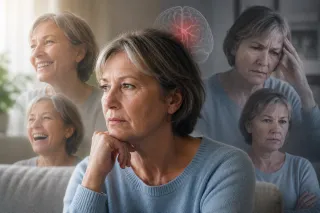
Emotional Changes After a Stroke
Emotional changes are one of the most common effects of stroke, yet they are often overlooked. You may feel happier, sadder, angrier or more anxious than before. ...more
Cognitive & Emotional Recovery
July 06, 2026•5 min read
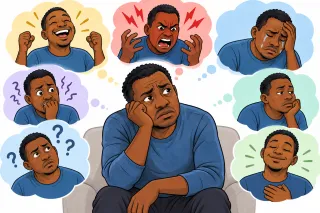
Emotional Lability (Pseudobulbar Affect) After a Stroke
Emotional lability, also known as pseudobulbar affect (PBA), is a common but often misunderstood effect of stroke. ...more
Cognitive & Emotional Recovery
July 06, 2026•6 min read

Can Stress Make Stroke Symptoms Worse?
Yes. Stress can make existing stroke symptoms feel worse, even years after a stroke. Learn why this happens, which symptoms are commonly affected, and how reducing stress may help you feel more like y... ...more
Cognitive & Emotional Recovery
July 05, 2026•6 min read
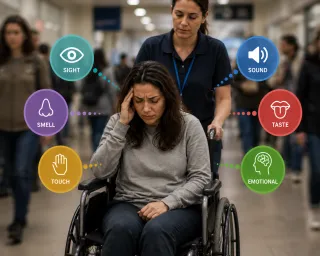
Why Does My Stroke Recovery Feel Like It's Going Backwards?
Many stroke survivors feel as though their recovery is going backwards at some point. Learn why this happens, what may be causing it, and when you should seek medical advice. ...more
Cognitive & Emotional Recovery
July 05, 2026•6 min read
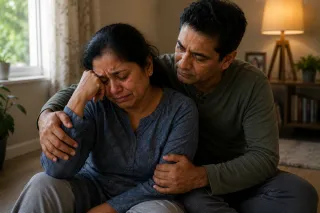
How to Stay Motivated During Stroke Recovery
Stroke recovery can be a long and emotional journey, and it is completely normal to experience periods of frustration, sadness and loss of motivation. Progress often happens slowly and recovery can so... ...more
Cognitive & Emotional Recovery
July 05, 2026•5 min read

Neuroplasticity After Stroke: How Your Brain Rewires Itself
Neuroplasticity is your brain's remarkable ability to reorganise and form new neural connections after a stroke. Learn how it works, why repetition matters and how rehabilitation helps your brain reco... ...more
Cognitive & Emotional Recovery
July 05, 2026•6 min read
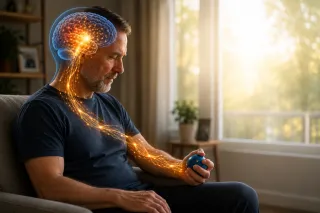
Can You Fully Recover From a Stroke? What Recovery Really Looks Like
Can you fully recover from a stroke? The answer is more complex than a simple yes or no. Learn what full recovery really means, why every stroke is different, and how meaningful improvements can conti... ...more
Cognitive & Emotional Recovery
July 05, 2026•6 min read

Hallucinations After a Stroke
Hallucinations after a stroke can be frightening, but they are more common than many people realise. ...more
Cognitive & Emotional Recovery
July 01, 2026•7 min read
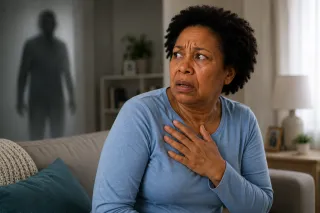
The Weight of “Full Recovery” in Stroke Recovery
It is one of the most important and emotionally difficult questions in stroke recovery. The idea of a full recovery often brings hope. But it can also bring pressure. ...more
Cognitive & Emotional Recovery
May 12, 2026•7 min read
Explore Other Recovery Topics
RECOVERY TOPIC
General Stroke Recovery
Practical guidance, reassurance and support for the wider stroke recovery journey.
RECOVERY TOPIC
Speech & Communication
Practical guidance for aphasia, dysarthria, apraxia and communication changes after stroke.
RECOVERY TOPIC
Sleep Disorders
Guidance for managing sleep problems, fatigue and disrupted rest after stroke.
Explore More Stroke Recovery Support
Browse the full recovery library for practical guidance, lived experience and support across every stage of stroke recovery.
Get the Latest News Delivered to Your Inbox
Never Miss an Update – Subscribe for Fresh News & Insights!
Alisia Gayle is a stroke survivor, author, and advocate whose life was transformed in a single, ordinary day.
COMPANY
Quick links


Copyright All Rights Reserved.