

Speech & Communication
Practical guidance for aphasia, dysarthria, apraxia and other communication changes that can follow a stroke.
Record your speech, language and everyday communication practice with our free Speech & Communication Checklist. Fill it in digitally or print a copy to note difficulties, fatigue and small wins to discuss with your speech and language therapist.
Featured Articles

SPEECH & COMMUNICATION
Technology for Communication After Stroke

SPEECH & COMMUNICATION
Best Books for Aphasia Recovery

SPEECH & COMMUNICATION
Communication Aids After a Stroke
SPEECH & COMMUNICATION
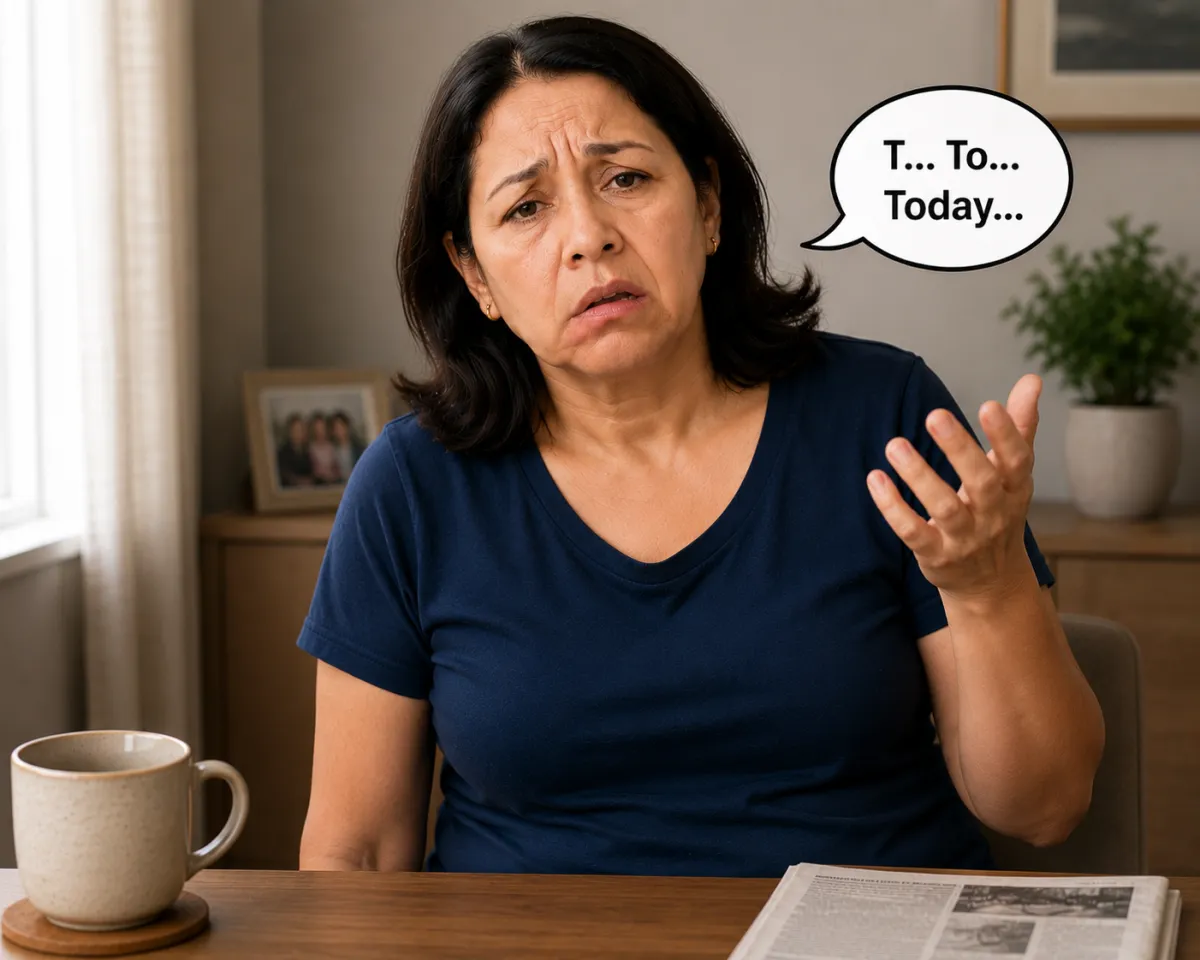
Slurred Speech Months After a Stroke
Article Library
Technology for Communication After Stroke
Technology can play an important role in helping stroke survivors communicate after a stroke. For people living with aphasia, speech difficulties or severe communication problems, modern technology ca... ...more
Speech & Communication (aphasia, dysarthria, apraxia)
July 19, 2026•6 min read

Best Books for Aphasia Recovery
Books can be valuable tools during aphasia recovery after a stroke. They can provide communication exercises, improve reading skills, support word finding and help both stroke survivors and family mem... ...more
Speech & Communication (aphasia, dysarthria, apraxia)
July 19, 2026•6 min read

Communication Aids After a Stroke
Communication aids after a stroke can help stroke survivors express their needs, thoughts and feelings when speaking becomes difficult. Problems such as aphasia, slurred speech or difficulty finding w... ...more
Speech & Communication (aphasia, dysarthria, apraxia)
July 19, 2026•6 min read
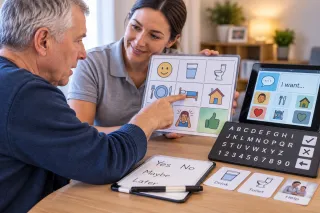
Slurred Speech Months After a Stroke
Slurred speech months after a stroke can be frustrating and worrying. You may have expected your speech to return to normal within a few weeks, only to find that words still sound unclear, particularl... ...more
Speech & Communication (aphasia, dysarthria, apraxia)
July 19, 2026•6 min read
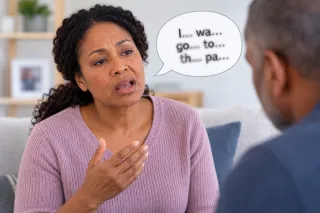
Why Is My Speech Slow After a Stroke?
Many stroke survivors notice that their speech becomes slower after a stroke. You may know exactly what you want to say, but the words take longer to come out. Conversations that once felt effortless ... ...more
Speech & Communication (aphasia, dysarthria, apraxia)
July 19, 2026•6 min read
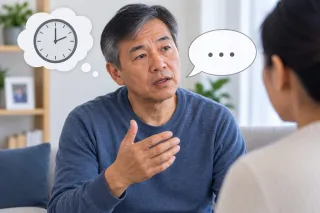
Can Speech Return Completely After a Stroke?
One of the most common questions stroke survivors ask is whether speech can return completely. Difficulties with speaking, understanding, reading or finding words can be frightening and frustrating, p... ...more
Speech & Communication (aphasia, dysarthria, apraxia)
July 19, 2026•6 min read
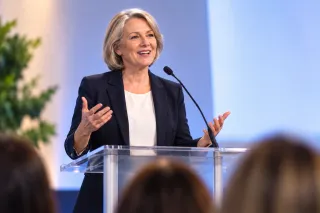
Confidence After Speech Problems: Rebuilding Communication After a Stroke
Speech and communication problems after a stroke can have a huge impact on confidence. Many survivors become anxious about speaking, worry about saying the wrong thing or avoid conversations altogethe... ...more
Speech & Communication (aphasia, dysarthria, apraxia)
July 19, 2026•6 min read
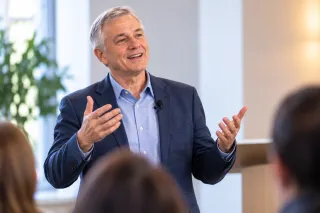
Social Isolation After Aphasia
Social isolation after aphasia is sadly very common. Following a stroke, communication difficulties can make conversations exhausting, frustrating and sometimes embarrassing. ...more
Speech & Communication (aphasia, dysarthria, apraxia)
July 19, 2026•6 min read

Communication Tips for Families After a Stroke
Communication problems are common after a stroke, particularly if the stroke has affected language, speech or thinking skills. Family members often want to help but may feel unsure about what to say o... ...more
Speech & Communication (aphasia, dysarthria, apraxia)
July 19, 2026•7 min read

Speech Exercises at Home After a Stroke
Speech exercises at home can play an important role in improving communication after a stroke. Regular practice may help strengthen language pathways in the brain, improve confidence and support ongoi... ...more
Speech & Communication (aphasia, dysarthria, apraxia)
July 19, 2026•6 min read
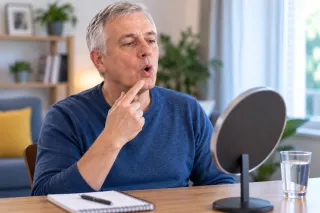
Singing Therapy After a Stroke
Singing therapy after a stroke can be a powerful way to improve speech, communication, breathing and emotional wellbeing. Some stroke survivors who struggle to speak discover that they can still sing ... ...more
Speech & Communication (aphasia, dysarthria, apraxia)
July 19, 2026•6 min read

Returning to Work With Aphasia After a Stroke
Returning to work with aphasia after a stroke can feel overwhelming. Communication is an important part of almost every job, and difficulties with speaking, understanding, reading or writing can make ... ...more
Speech & Communication (aphasia, dysarthria, apraxia)
July 19, 2026•6 min read

Telephone Conversations After a Stroke: Why They Feel So Difficult
Many stroke survivors find that telephone conversations become surprisingly difficult after a stroke. Even people who can communicate reasonably well face-to-face may struggle on the phone. ...more
Speech & Communication (aphasia, dysarthria, apraxia)
July 19, 2026•6 min read

Why Do I Say the Wrong Words After a Stroke?
Saying the wrong words after a stroke can be confusing, frustrating and sometimes embarrassing. You may know exactly what you want to say, but a completely different word comes out instead. ...more
Speech & Communication (aphasia, dysarthria, apraxia)
July 19, 2026•6 min read
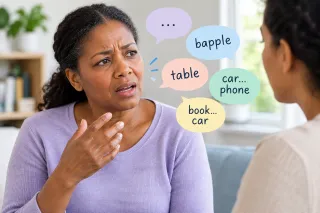
Why Do I Mix Up Words After a Stroke?
Mixing up words after a stroke is a common communication problem. You may say the wrong word, use a similar word by mistake or know exactly what you want to say but find that another word comes out in... ...more
Speech & Communication (aphasia, dysarthria, apraxia)
July 19, 2026•6 min read
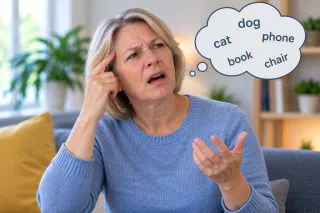
Why Can't I Write After a Stroke?
Difficulty writing after a stroke is a common problem that can affect both communication and independence. Some stroke survivors struggle to hold a pen because of weakness , while others know exactly ... ...more
Speech & Communication (aphasia, dysarthria, apraxia)
July 19, 2026•7 min read

Why Can't I Read After a Stroke?
Difficulty reading after a stroke is surprisingly common. You may find that words suddenly look unfamiliar, sentences no longer make sense or you become exhausted after reading only a few lines. ...more
Speech & Communication (aphasia, dysarthria, apraxia)
July 19, 2026•7 min read

Why Can't I Understand People After a Stroke?
After a stroke, some survivors find that people suddenly seem difficult to understand. Conversations may sound too fast, confusing or like a foreign language. You may hear the words clearly, but strug... ...more
Speech & Communication (aphasia, dysarthria, apraxia)
July 19, 2026•6 min read
Best Aphasia Apps After a Stroke
Aphasia apps can be a helpful tool for improving communication, practising language skills and supporting recovery. Many stroke survivors use apps to work on word finding, reading, understanding speec... ...more
Speech & Communication (aphasia, dysarthria, apraxia)
July 19, 2026•6 min read
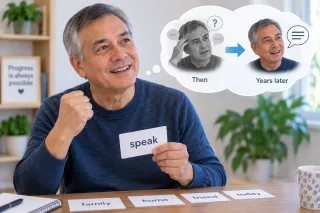
Can Aphasia Improve Years Later?
Yes, aphasia can improve years after a stroke. Although the fastest recovery often occurs during the first few months, many stroke survivors continue making meaningful gains in speech, understanding, ... ...more
Speech & Communication (aphasia, dysarthria, apraxia)
July 19, 2026•5 min read
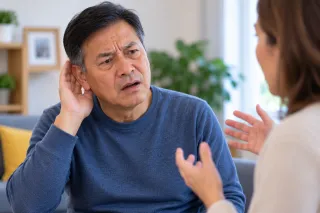
Receptive Aphasia After a Stroke: When Words No Longer Make Sense
Receptive aphasia can be one of the most confusing consequences of a stroke. A person may hear someone speaking, but the words no longer seem to make sense. Conversations can become overwhelming, frus... ...more
Speech & Communication (aphasia, dysarthria, apraxia)
July 19, 2026•7 min read
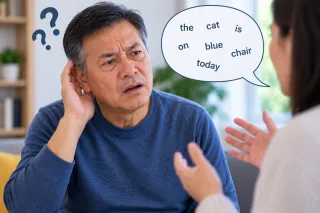
Expressive Aphasia After a Stroke
Expressive aphasia after a stroke can make it difficult to speak, write or find the right words, even though you may know exactly what you want to say. Many stroke survivors describe feeling trapped i... ...more
Speech & Communication (aphasia, dysarthria, apraxia)
July 19, 2026•6 min read
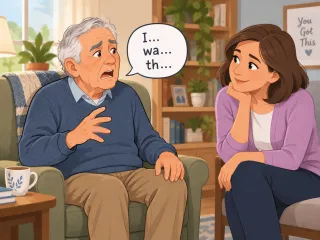
Global Aphasia After a Stroke
Global aphasia is one of the most severe types of aphasia that can occur after a stroke. It affects both the ability to understand language and the ability to speak, read and write. ...more
Speech & Communication (aphasia, dysarthria, apraxia)
July 19, 2026•6 min read

Severe Aphasia After a Stroke: Understanding Communication Difficulties and Recovery
Severe aphasia is one of the most devastating and frustrating consequences of stroke. It can make speaking, understanding language, reading and writing extremely difficult. ...more
Speech & Communication (aphasia, dysarthria, apraxia)
July 19, 2026•7 min read
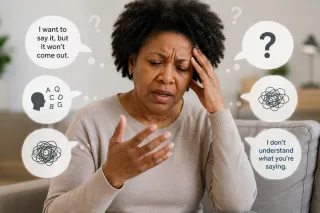
Mild Aphasia After a Stroke
Mild aphasia after a stroke can make communication feel frustrating and exhausting. You may know exactly what you want to say but struggle to find the right words, follow conversations or express your... ...more
Speech & Communication (aphasia, dysarthria, apraxia)
July 19, 2026•6 min read
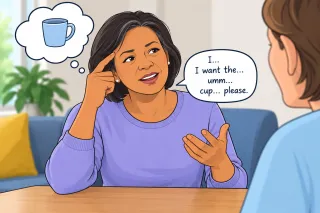
Writing Problems (Agraphia) After a Stroke
Agraphia is a writing disorder that can occur after a stroke. It can make writing words, spelling, forming letters or organising sentences difficult, even though you know exactly what you want to say. ...more
Speech & Communication (aphasia, dysarthria, apraxia)
July 06, 2026•7 min read

Reading Problems (Alexia) After a Stroke
Alexia is a reading disorder that can occur after a stroke. It can make letters, words or entire sentences difficult to recognise, even though your eyesight may be normal. ...more
Speech & Communication (aphasia, dysarthria, apraxia)
July 06, 2026•7 min read
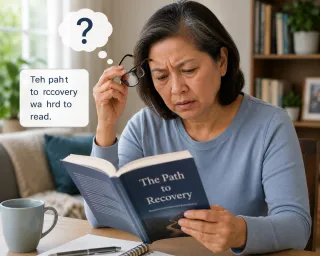
Speech Therapy After a Stroke: What to Expect
Speech therapy is one of the most important parts of stroke rehabilitation for people with communication or swallowing difficulties. ...more
Speech & Communication (aphasia, dysarthria, apraxia)
July 06, 2026•7 min read
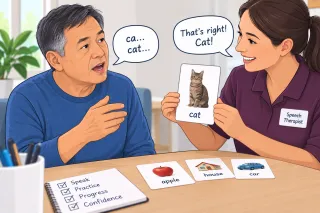
Can Speech Return After a Stroke?
Many stroke survivors wonder whether they will ever speak normally again. The answer is that speech recovery is possible. ...more
Speech & Communication (aphasia, dysarthria, apraxia)
July 06, 2026•7 min read
Difficulty Finding Words After a Stroke
Difficulty finding words after a stroke is one of the most common communication problems survivors experience. You may know exactly what you want to say but struggle to find the right word. ...more
Speech & Communication (aphasia, dysarthria, apraxia)
July 06, 2026•6 min read
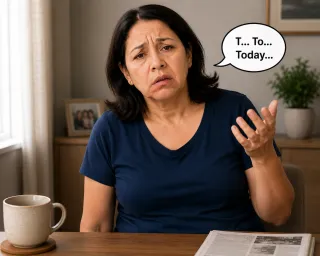
Why Can't I Talk Properly After a Stroke?
Difficulty talking is one of the most common effects of stroke. You may struggle to find words, your speech may sound slurred, or you may know exactly what you want to say but be unable to get the wor... ...more
Speech & Communication (aphasia, dysarthria, apraxia)
July 06, 2026•7 min read
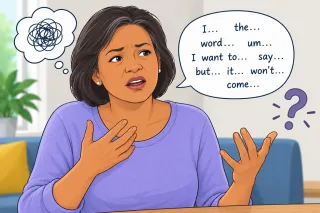
Apraxia of Speech After a Stroke: Symptoms and Recovery
Apraxia of speech is a communication disorder that can occur after a stroke. It makes it difficult for the brain to plan and coordinate the movements needed for speech. ...more
Speech & Communication (aphasia, dysarthria, apraxia)
July 06, 2026•7 min read
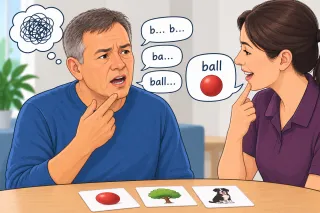
Dysarthria After a Stroke: Why Speech Becomes Slurred
Dysarthria is a common speech disorder after a stroke that causes speech to sound slurred, slow or difficult to understand. ...more
Speech & Communication (aphasia, dysarthria, apraxia)
July 06, 2026•6 min read
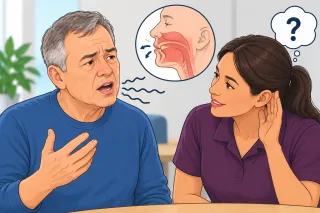
Aphasia After a Stroke: Causes, Treatment and Recovery
Aphasia is a common communication disorder that affects many stroke survivors. It can make speaking, understanding, reading and writing difficult, even though your intelligence remains unchanged. ...more
Speech & Communication (aphasia, dysarthria, apraxia)
July 06, 2026•7 min read
Explore Other Recovery Topics
RECOVERY TOPIC
Cognitive & Emotional Recovery
Support for memory, thinking, emotions and the psychological challenges that can follow a stroke.
RECOVERY TOPIC
Eating & Swallowing
Guidance for managing swallowing difficulties and eating safely after stroke.
RECOVERY TOPIC
Relationships and Care Giving
Support for stroke survivors, families and caregivers as relationships and everyday roles change.
Explore More Stroke Recovery Support
Browse the full recovery library for practical guidance, lived experience and support across every stage of stroke recovery.
Get the Latest News Delivered to Your Inbox
Never Miss an Update – Subscribe for Fresh News & Insights!

Alisia Gayle is a stroke survivor, author, and advocate whose life was transformed in a single, ordinary day.
COMPANY
Quick links


Copyright All Rights Reserved.