

Eating & Swallowing
Practical guidance for managing swallowing difficulties, eating safely and understanding dysphagia after stroke.
Keep a record of meals, drinks, comfort and swallowing concerns with our free Eating & Swallowing Checklist. Fill it in digitally or print a copy to use alongside your personal swallowing plan and prepare questions for your care team.
Featured Articles
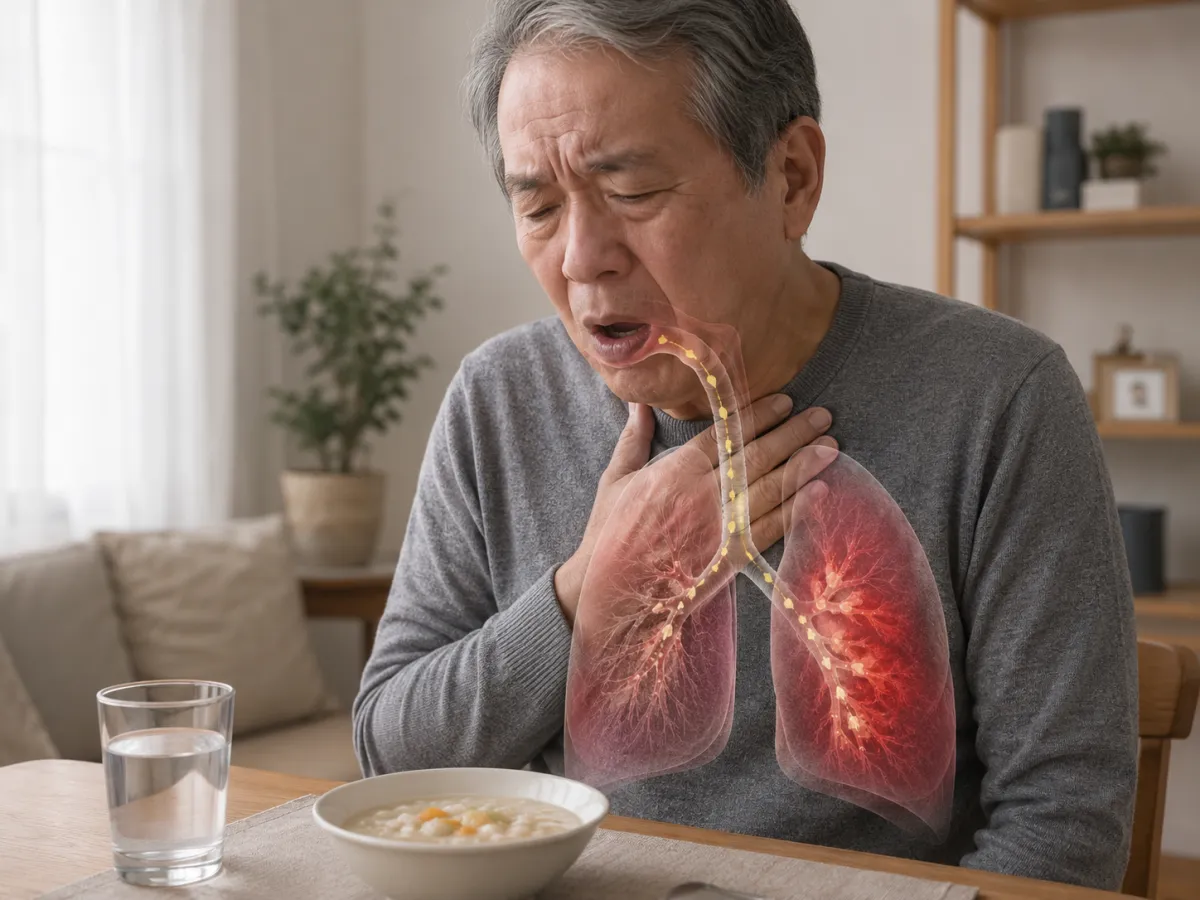
EATING & SWALLOWING
Aspiration Pneumonia After a Stroke: Symptoms, Risks, Treatment and Prevention
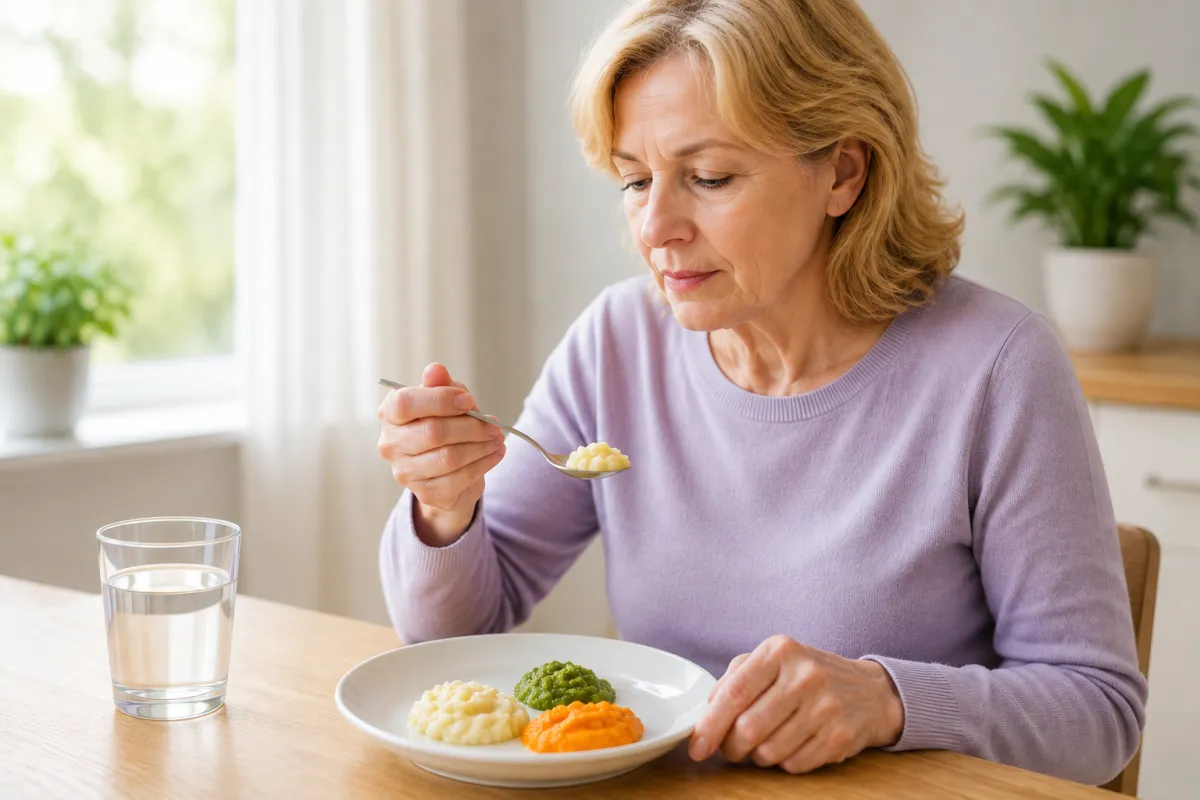
EATING & SWALLOWING
How to Eat Safely With Dysphagia After Stroke
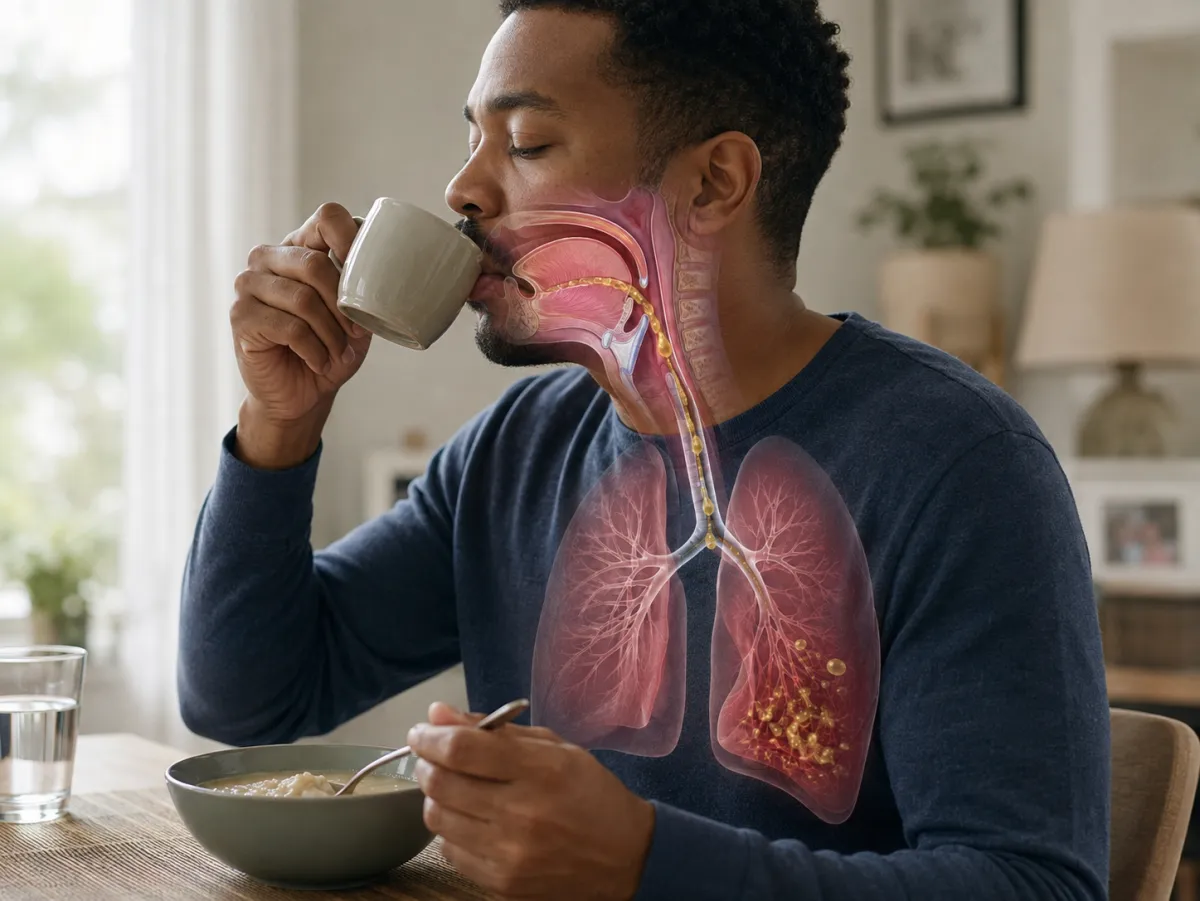
EATING & SWALLOWING
Silent Aspiration After a Stroke
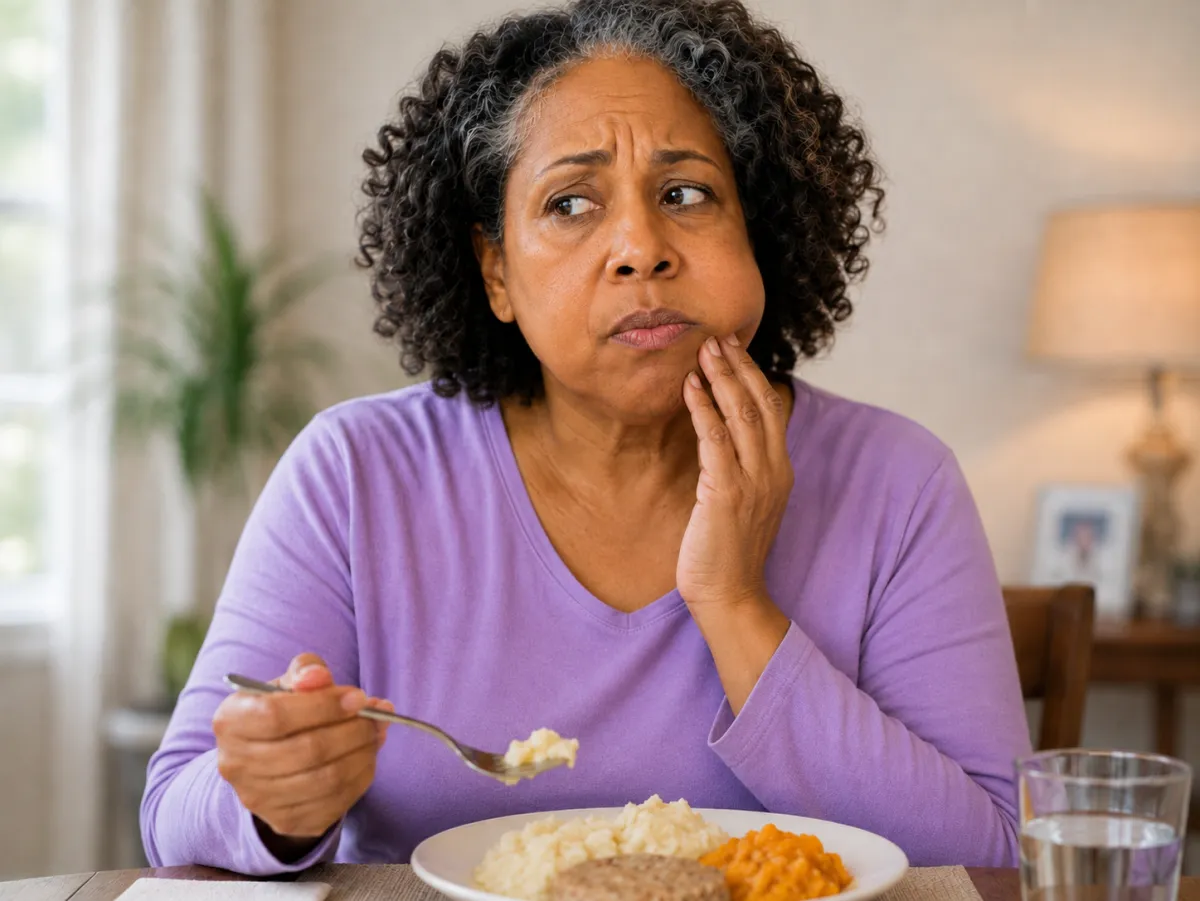
EATING & SWALLOWING
Pocketing Food in the Cheek After a Stroke: Why It Happens and What You Can Do
Article Library
Aspiration Pneumonia After a Stroke: Symptoms, Risks, Treatment and Prevention
Aspiration pneumonia after a stroke is a lung infection that can develop when food, drink, saliva, vomit or other material enters the airway and lungs instead of travelling safely towards the stomach. ...more
Eating & Swallowing (dysphagia)
August 19, 2026•15 min read
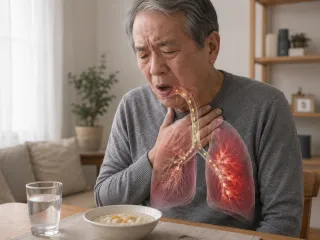
How to Eat Safely With Dysphagia After Stroke
If you have dysphagia after a stroke, eating safely means following the swallowing recommendations made specifically for you, sitting in the correct position, taking manageable mouthfuls, eating slowl... ...more
Eating & Swallowing (dysphagia)
August 19, 2026•18 min read
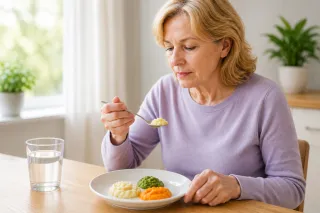
Silent Aspiration After a Stroke
Silent aspiration after a stroke means that food, drink or saliva enters your airway without causing the obvious coughing or choking you might expect. That is what makes it particularly important to r... ...more
Eating & Swallowing (dysphagia)
August 19, 2026•16 min read
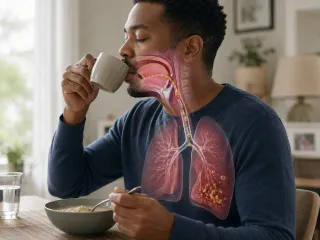
Pocketing Food in the Cheek After a Stroke: Why It Happens and What You Can Do
Pocketing food in the cheek after a stroke means that food remains trapped between your cheek and gums instead of being fully moved, chewed and swallowed. It can happen because stroke has weakened the... ...more
Eating & Swallowing (dysphagia)
August 19, 2026•21 min read
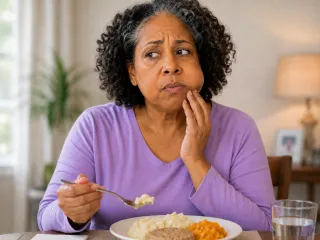
Difficulty Chewing After a Stroke
Difficulty chewing after a stroke can happen when weakness, reduced coordination, altered sensation or poor control of the lips, tongue, jaw or cheek affects the oral stage of eating. ...more
Eating & Swallowing (dysphagia)
August 19, 2026•17 min read
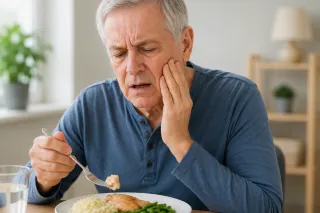
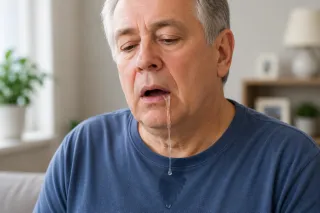
Drooling After a Stroke
Drooling after a stroke can happen when the muscles and sensation involved in keeping saliva inside the mouth or swallowing it normally have been affected. It does not necessarily mean your body is pr... ...more
Eating & Swallowing (dysphagia)
August 19, 2026•14 min read
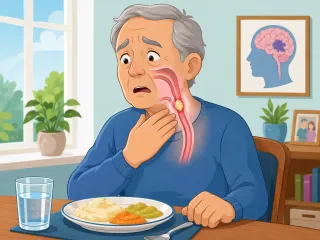
Food Getting Stuck in the Throat After a Stroke
Feeling as though food is getting stuck in your throat after a stroke can be a sign of dysphagia - difficulty swallowing. A stroke can disrupt the muscles, sensation and coordination needed to move fo... ...more
Eating & Swallowing (dysphagia)
August 19, 2026•15 min read
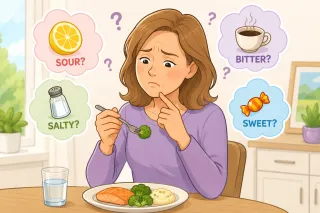
Taste Changes After a Stroke: Why Food Tastes Different and What You Can Do
Taste changes after a stroke are more common than many survivors realise. Food may suddenly taste metallic, bitter, excessively sweet, strangely bland or simply different from how you remember it. ...more
Eating & Swallowing (dysphagia)
August 19, 2026•17 min read
Loss of Appetite After a Stroke
Loss of appetite after a stroke is more common than many people realise. You may simply stop feeling hungry, find that food no longer interests you, become full after only a few mouthfuls, or discover... ...more
Eating & Swallowing (dysphagia)
August 19, 2026•13 min read
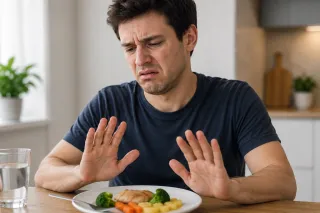
Can Swallowing Recover After a Stroke?
Swallowing problems are common after a stroke and can make eating and drinking feel frightening and exhausting. ...more
Eating & Swallowing (dysphagia)
July 06, 2026•6 min read
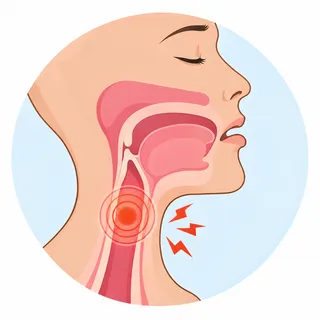
Thickened Fluids After Stroke: Do They Help?
Thickened fluids are often recommended for stroke survivors with dysphagia (difficulty swallowing). By slowing down the movement of liquids, they can reduce the risk of choking and aspiration. ...more
Eating & Swallowing (dysphagia)
July 06, 2026•6 min read
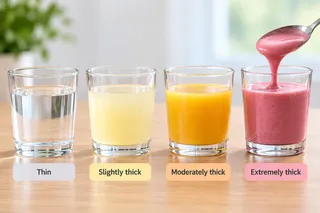
Why Do I Cough When Eating After a Stroke?
Coughing while eating after a stroke is often a sign of dysphagia (difficulty swallowing). It happens when food or drink enters the airway instead of travelling safely into the stomach. ...more
Eating & Swallowing (dysphagia)
July 06, 2026•7 min read
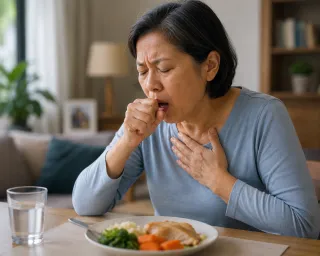
Swallowing Exercises After a Stroke
Swallowing exercises are an important part of recovery for many stroke survivors with dysphagia (difficulty swallowing). ...more
Eating & Swallowing (dysphagia)
July 06, 2026•7 min read
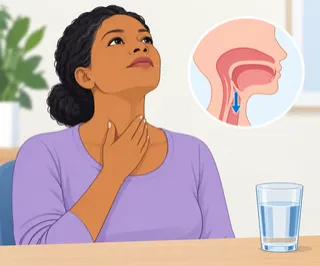
Foods That Are Easier to Swallow After a Stroke
Difficulty swallowing (dysphagia) is common after a stroke and can make eating stressful or even dangerous. ...more
Eating & Swallowing (dysphagia)
July 06, 2026•7 min read

Aspiration After a Stroke: Warning Signs and Prevention
Aspiration after a stroke occurs when food, drink, saliva or stomach contents enter the airway instead of the stomach ...more
Eating & Swallowing (dysphagia)
July 06, 2026•7 min read
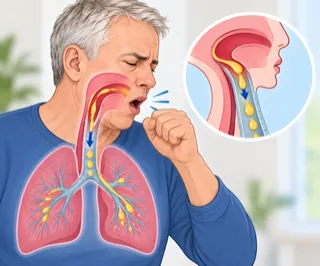
Choking After a Stroke: What You Need to Know
Choking after a stroke is often caused by swallowing difficulties (dysphagia), which can make eating and drinking unsafe. ...more
Eating & Swallowing (dysphagia)
July 06, 2026•7 min read
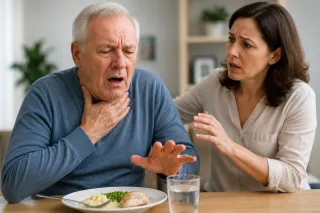
Dysphagia After a Stroke: Causes, Symptoms and Treatment
Dysphagia is the medical term for difficulty swallowing. It is one of the most common complications after a stroke and can affect eating, drinking and even taking medication safely. ...more
Eating & Swallowing (dysphagia)
July 06, 2026•7 min read
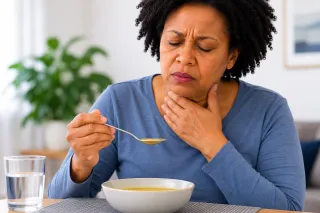
Malnutrition After a Stroke
Malnutrition after a stroke is more common than many people realise. Difficulty swallowing, reduced appetite, fatigue and problems preparing meals can all make it difficult to get the nutrition your b... ...more
Eating & Swallowing (dysphagia)
July 06, 2026•6 min read
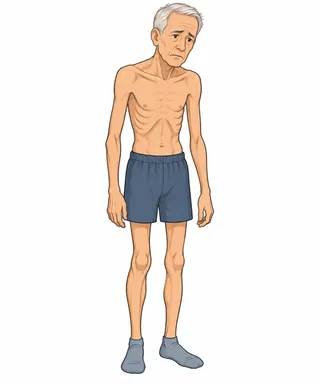
Weight Loss After a Stroke
Unexpected weight loss after a stroke is common, especially during the early stages of recovery. ...more
Eating & Swallowing (dysphagia)
July 06, 2026•5 min read
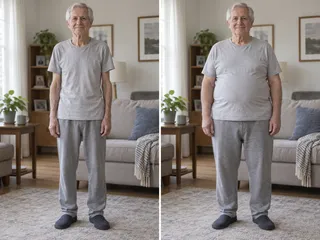
Weight Gain After a Stroke
Weight gain after a stroke is more common than many people realise. Reduced mobility, fatigue, medication and lifestyle changes can all contribute. ...more
Eating & Swallowing (dysphagia)
July 06, 2026•5 min read
Explore Other Recovery Topics
RECOVERY TOPIC
Speech & Communication
Practical guidance for aphasia, dysarthria, apraxia and communication changes after stroke.
RECOVERY TOPIC
Medical Complications
Clear guidance on common medical complications after stroke and what they may mean for recovery.
RECOVERY TOPIC
General Stroke Recovery
Practical guidance, reassurance and support for the wider stroke recovery journey.
Explore More Stroke Recovery Support
Browse the full recovery library for practical guidance, lived experience and support across every stage of stroke recovery.
Get the Latest News Delivered to Your Inbox
Never Miss an Update – Subscribe for Fresh News & Insights!

Alisia Gayle is a stroke survivor, author, and advocate whose life was transformed in a single, ordinary day.
COMPANY
Quick links


Copyright All Rights Reserved.