
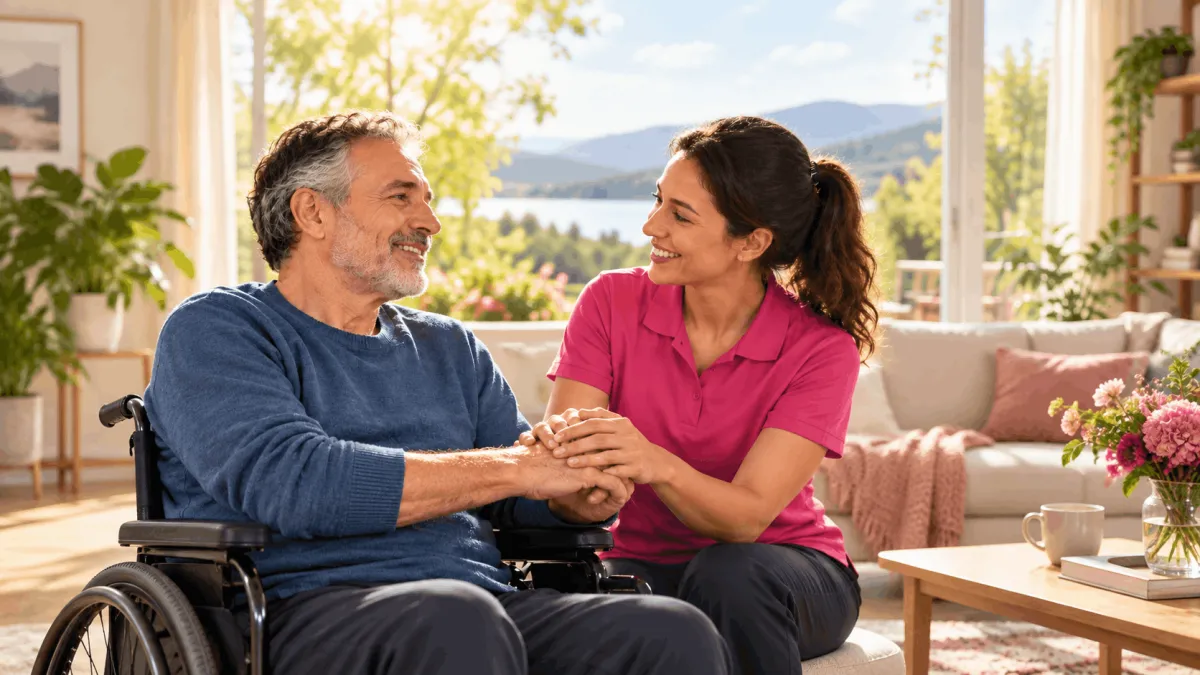
Relationships and Care Giving
Practical support for stroke survivors, families and caregivers as relationships, roles and everyday life change after stroke.
Reflect on communication, changing roles and the support you give or receive with our free Relationships & Caregiving Checklist. Fill it in digitally or print a copy to record what helps you connect and where more support would be useful.
Featured Articles
RELATIONSHIPS & CAREGIVING
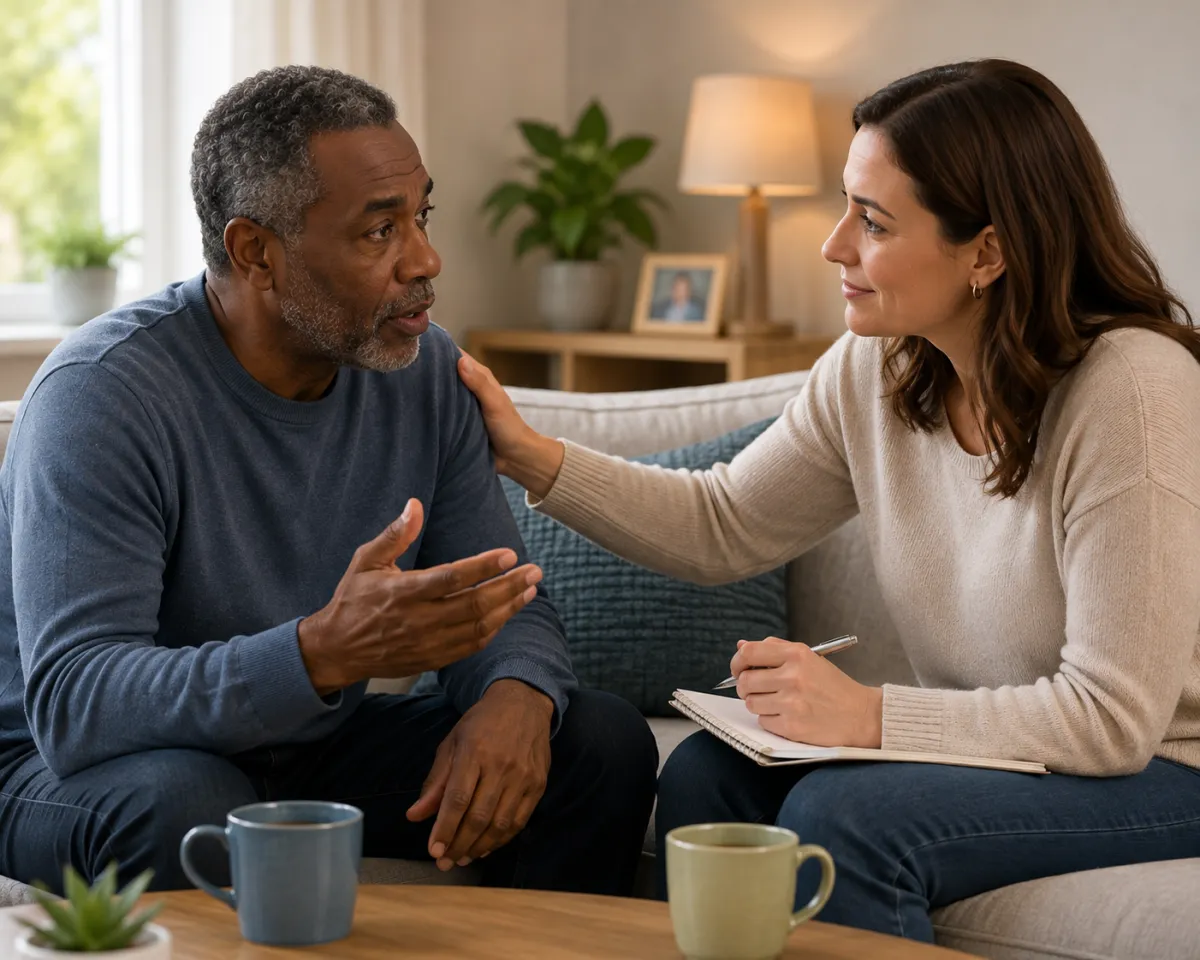
How to Ask for Help After Stroke: Accepting Support Without Losing Your Independence

RELATIONSHIPS & CAREGIVING
Building a Support Network After Stroke: How to Find the Help You Need
RELATIONSHIPS & CAREGIVING
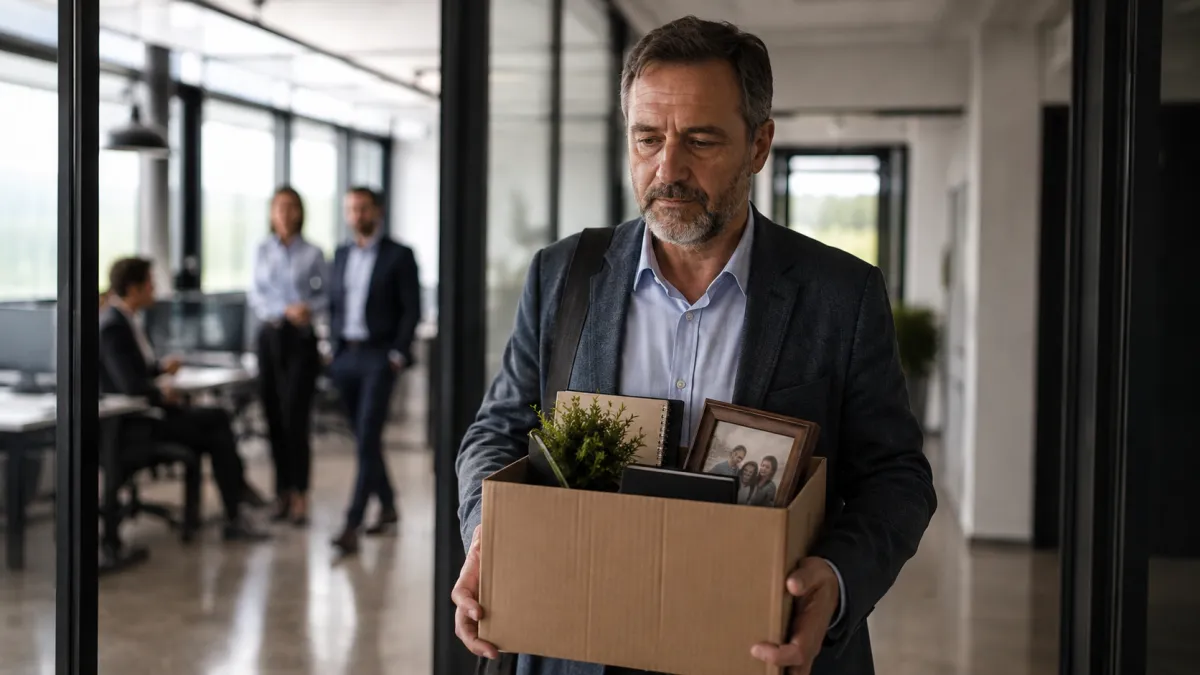
Stroke and Loneliness: Why You Can Feel Alone Even When People Are Around You
RELATIONSHIPS & CAREGIVING
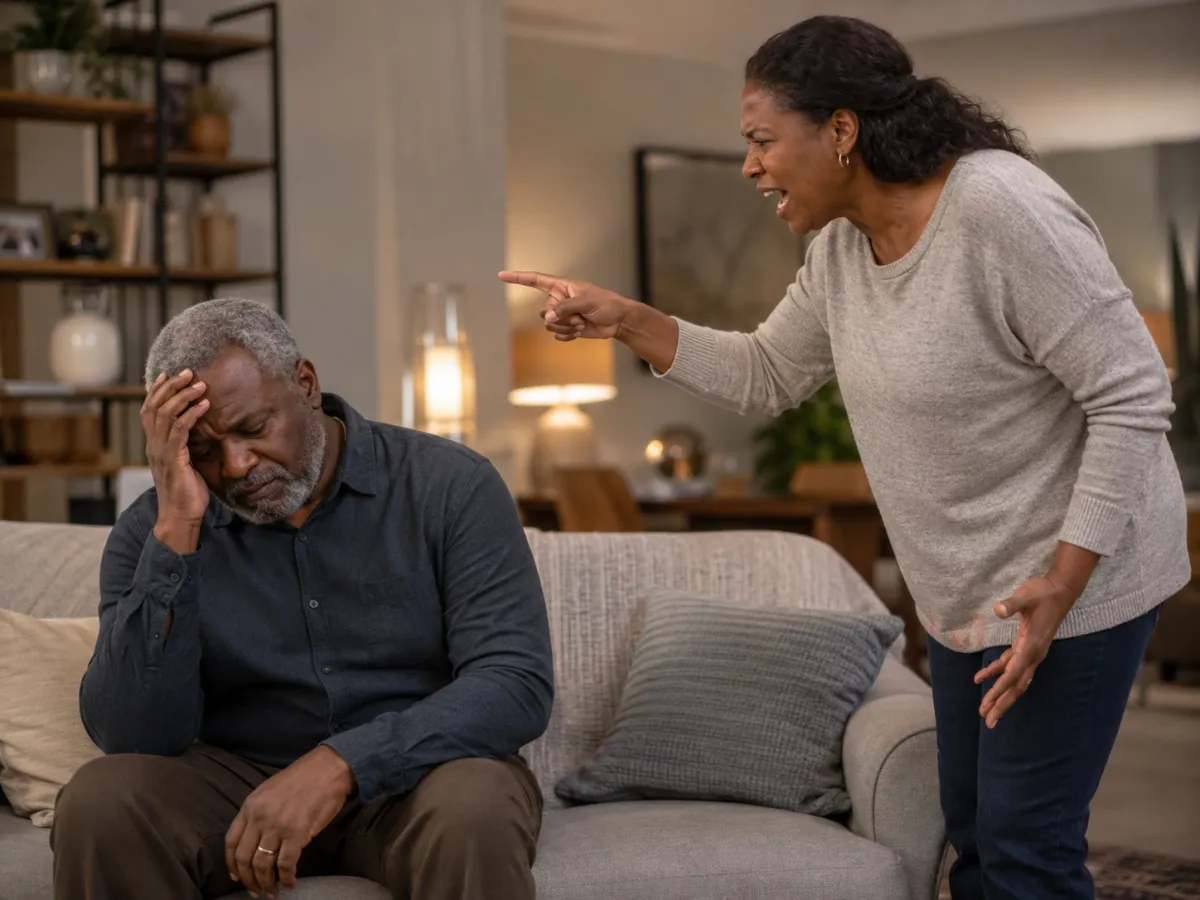
When Family Don't Understand Stroke: Coping With Disbelief, Frustration and Lack of Support
Article Library
How to Ask for Help After Stroke: Accepting Support Without Losing Your Independence
Asking for help after a stroke can be surprisingly difficult, particularly if you were independent before your stroke. You may worry about becoming a burden, losing control or relying too heavily on o... ...more
Relationships & Caregiving
August 12, 2026•23 min read
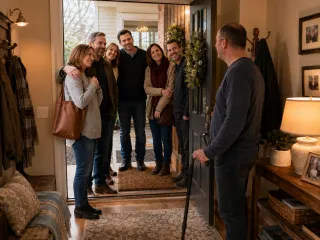
Building a Support Network After Stroke: How to Find the Help You Need
Recovery after stroke can be long, unpredictable and difficult to manage alone. A strong support network can provide practical help, emotional encouragement, professional guidance and connection durin... ...more
Relationships & Caregiving
August 12, 2026•20 min read
Stroke and Loneliness: Why You Can Feel Alone Even When People Are Around You
Loneliness after stroke can be profound. Your relationships may change, friends may disappear, work and social activities may stop, and even the people closest to you may struggle to understand what y... ...more
Relationships & Caregiving
August 12, 2026•19 min read
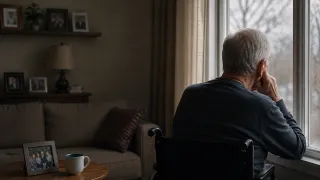
When Family Don't Understand Stroke: Coping With Disbelief, Frustration and Lack of Support
One of the hardest parts of stroke recovery can be dealing with family members who do not understand what you are going through. They may see you walking, talking or looking well and assume that you h... ...more
Relationships & Caregiving
August 12, 2026•23 min read
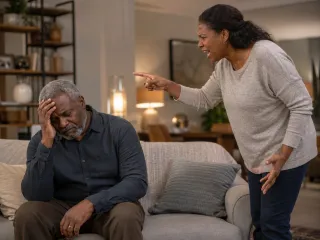
Caring for Someone With Personality Changes After Stroke
Caring for someone whose personality seems to have changed after a stroke can be confusing, upsetting and exhausting. The person you love may seem more irritable, impulsive, withdrawn, emotional, inse... ...more
Relationships & Caregiving
August 12, 2026•23 min read
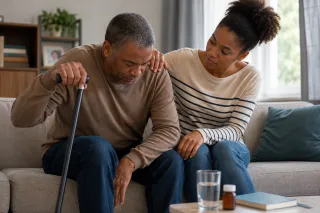
Supporting Someone With Aphasia
Aphasia can affect a person’s ability to speak, understand language, read or write after a stroke or other brain injury. It does not automatically mean that their intelligence has changed. Supporting ... ...more
Relationships & Caregiving
August 12, 2026•19 min read
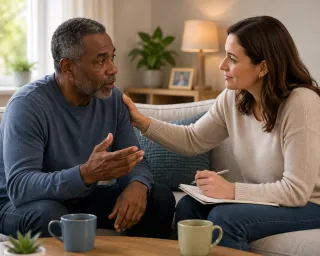
Confidence After Stroke: How to Rebuild Trust in Yourself and Your Life
A stroke can change the way you see yourself. Even when your physical recovery is progressing well, you may lose confidence in your body, your decisions, your appearance, your ability to work or simpl... ...more
Relationships & Caregiving
August 12, 2026•18 min read

Social Isolation After Stroke: Why It Happens and How to Reconnect
Social isolation after stroke can happen gradually. You may leave hospital surrounded by people, only to find that weeks or months later your world has become much smaller. Fatigue, mobility problems,... ...more
Relationships & Caregiving
August 12, 2026•26 min read
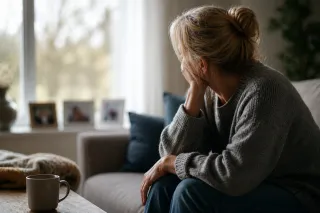
Feeling Like a Burden After Stroke: Why You Feel This Way and How to Rebuild Your Sense of Worth
After a stroke, needing help with everyday tasks can make you feel as though you have become a burden on the people around you. You may need help with washing, dressing, cooking, transport, appointmen... ...more
Relationships & Caregiving
August 12, 2026•21 min read

Guilt in Stroke Survivors: Why You Feel Guilty and How to Let It Go
Guilt after a stroke can appear in ways you never expected. You may feel guilty that your family has to care for you, guilty that you cannot work, guilty about the money being spent on your recovery o... ...more
Relationships & Caregiving
August 12, 2026•21 min read
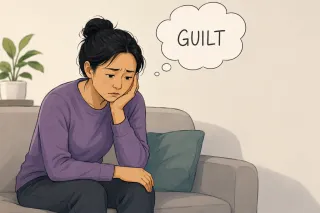
Resentment in Caregivers After Stroke: Why It Happens and What to Do About It
Caring for someone after a stroke can involve love, loyalty and commitment, but it can also create exhaustion, frustration and resentment. A partner, relative or friend may suddenly become responsible... ...more
Relationships & Caregiving
August 12, 2026•22 min read
Financial Stress After Stroke: Managing Money When Your Health and Income Have Changed
Financial stress after stroke can become almost as overwhelming as the physical recovery itself. You may suddenly face reduced income, time away from work, increased household costs, transport expense... ...more
Relationships & Caregiving
August 12, 2026•18 min read

Divorce After Stroke: Why Relationships Break Down and How to Rebuild Your Life
A stroke can change far more than your physical health. It can affect communication, intimacy, finances, independence, personality, parenting and the balance of responsibility within a relationship. ...more
Relationships & Caregiving
August 12, 2026•18 min read

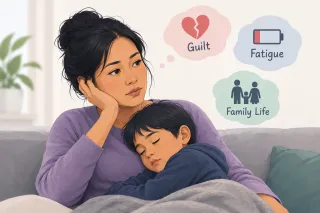
Parenting After Stroke: Managing Guilt, Fatigue and Family Life
Parenting after a stroke can feel overwhelming. You may be trying to recover movement, speech, memory or independence while still being responsible for a child who needs comfort, consistency and atten... ...more
Relationships & Caregiving
July 30, 2026•28 min read
Dating After Stroke: Confidence, Relationships and Starting Again
Dating after a stroke can feel intimidating. You may be dealing with physical changes, communication difficulties, fatigue, reduced confidence or fears about how another person will react. ...more
Relationships & Caregiving
July 30, 2026•19 min read
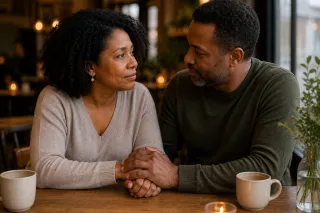
Why Friends Disappear After Stroke
Friends may gather around you immediately after a stroke, only to disappear when recovery becomes long, difficult or inconvenient. Some feel uncomfortable, some misunderstand your behaviour and others... ...more
Relationships & Caregiving
July 30, 2026•16 min read

Friendships After Stroke
Friendships after stroke can change in ways you never expected. Some friends become an important source of strength, while others slowly disappear. You may feel forgotten, rejected or misunderstood at... ...more
Relationships & Caregiving
July 30, 2026•20 min read
Stroke Caregiver Burnout
Stroke caregiver burnout is a state of physical, emotional and mental exhaustion that can develop when caring for someone after a stroke. ...more
Relationships & Caregiving
July 09, 2026•6 min read
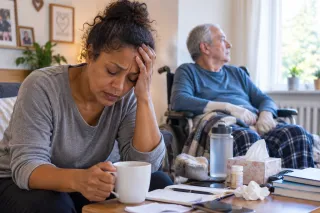
Tips for Family Members of Stroke Survivors: How to Support Recovery Without Becoming Overwhelmed
When someone you love has a stroke, your life changes too. You may suddenly find yourself helping with appointments, rehabilitation, household tasks and emotional support, all while coping with your o... ...more
Relationships & Caregiving
July 09, 2026•7 min read
How to Help Without Taking Away Independence
Knowing how to help someone after a stroke without taking away their independence can be difficult. It's natural to want to protect a loved one, but doing too much can sometimes slow recovery by reduc... ...more
Relationships & Caregiving
July 09, 2026•7 min read
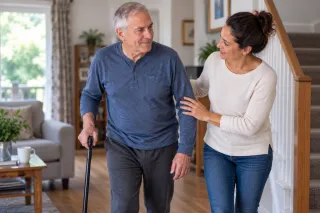
How to Support a Parent After a Stroke: Practical Ways to Help Without Taking Over
Supporting a parent after a stroke can be emotional, challenging and sometimes overwhelming. You may suddenly find yourself helping with appointments, daily activities, finances or emotional support. ...more
Relationships & Caregiving
July 09, 2026•7 min read
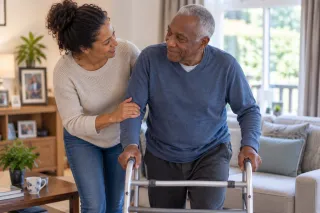
Depression in Stroke Caregivers
Yes, depression is common among people caring for a loved one after a stroke. Becoming a caregiver can be rewarding, but it can also be physically exhausting, emotionally overwhelming and socially iso... ...more
Relationships & Caregiving
July 09, 2026•6 min read
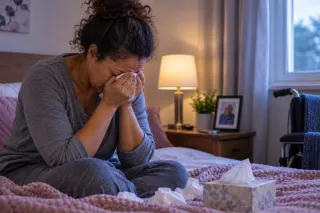
Helping a Loved One Recover After a Stroke: Practical Ways to Support Their Recovery
Recovering from a stroke can be physically, emotionally and mentally challenging—not only for the person who had the stroke but also for those who love them. ...more
Relationships & Caregiving
July 09, 2026•6 min read
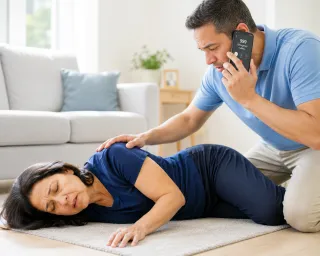
Intimacy after a Stroke
Managing intimacy after a stroke can feel challenging for both survivors and their partners. Stroke can affect physical ability, emotions, confidence, communication and sexual function, all of which c... ...more
Relationships & Caregiving
July 09, 2026•7 min read

Marriage After a Stroke: How a Stroke Can Affect Your Relationship and How to Move Forward Together
A stroke can affect every part of life, including your marriage or long-term relationship. Changes in physical ability, communication, emotions, roles and intimacy can place enormous strain on both pa... ...more
Relationships & Caregiving
July 09, 2026•6 min read
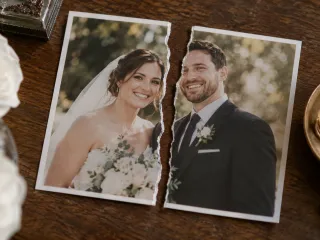
Caring for Someone After a Stroke
Caring for someone after a stroke can be both rewarding and challenging. Stroke survivors often need physical, emotional and practical support while they recover, and carers play a vital role in helpi... ...more
Relationships & Caregiving
July 09, 2026•7 min read
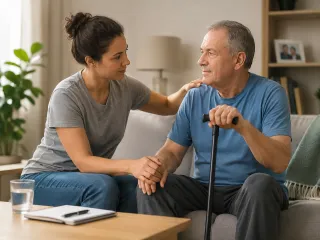
How Stroke Changes Relationships
A stroke can change relationships in ways that many people never expect. The physical, emotional and cognitive effects of a stroke can affect how you communicate. ...more
Relationships & Caregiving
July 09, 2026•6 min read
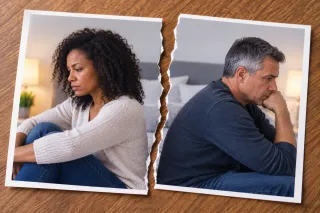
How Family Can Communicate With Someone Who Has Aphasia
Communicating with someone who has aphasia after a stroke can be challenging, but the right approach can make conversations less stressful and more meaningful. ...more
Relationships & Caregiving
July 06, 2026•6 min read
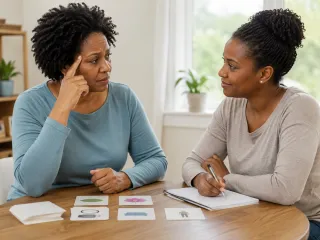
Sexual Problems After a Stroke
Changes in sexual function are common after a stroke, but many people feel too embarrassed to talk about them. ...more
Relationships & Caregiving
July 06, 2026•6 min read

Explore Other Recovery Topics
RECOVERY TOPIC
Cognitive & Emotional Recovery
Support for memory, thinking, emotions and the psychological challenges that can follow a stroke.
RECOVERY TOPIC
Speech & Communication
Practical guidance for aphasia, dysarthria, apraxia and communication changes after stroke.
RECOVERY TOPIC
General Stroke Recovery
Practical guidance, reassurance and support for the wider stroke recovery journey.
Explore More Stroke Recovery Support
Browse the full recovery library for practical guidance, lived experience and support across every stage of stroke recovery.
Get the Latest News Delivered to Your Inbox
Never Miss an Update – Subscribe for Fresh News & Insights!

Alisia Gayle is a stroke survivor, author, and advocate whose life was transformed in a single, ordinary day.
COMPANY
Quick links


Copyright All Rights Reserved.