

Arm & Hand Rehabilitation
Practical guidance for rebuilding arm and hand movement, strength, coordination and everyday function after stroke.
Keep track of arm and hand practice, everyday tasks and any pain or stiffness with our free Arm & Hand Rehabilitation Checklist. Fill it in digitally or print a copy to record changes alongside your agreed therapy plan.
Featured Articles
ARM & HAND REHABILITATION
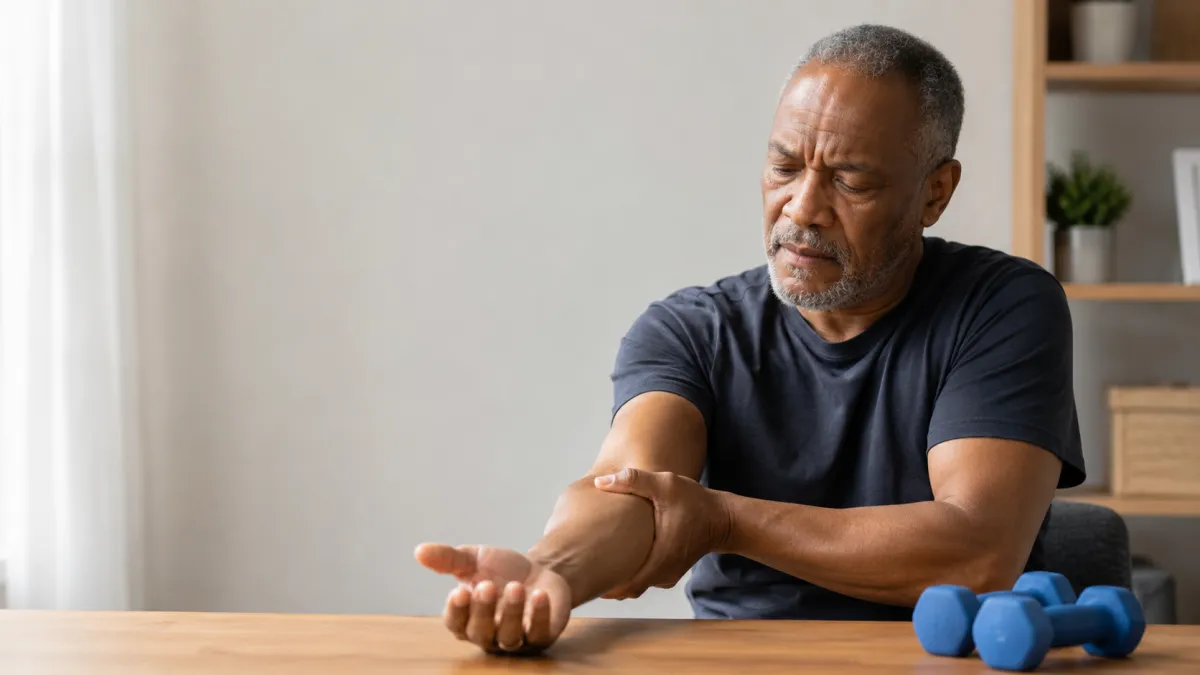
Why Is My Arm Recovery So Slow?
ARM & HAND REHABILITATION
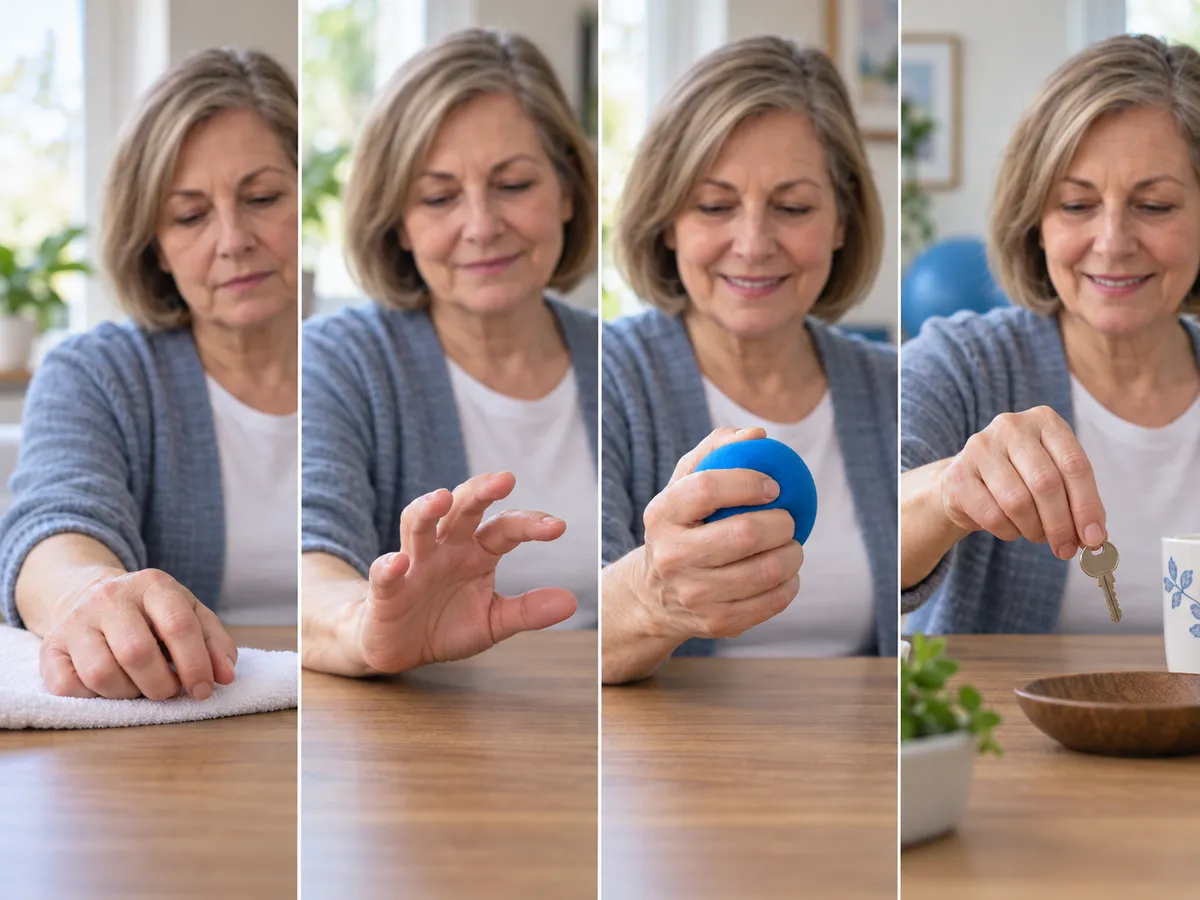
Hand Recovery Milestones After a Stroke

ARM & HAND REHABILITATION
Can I Knit After a Stroke?
ARM & HAND REHABILITATION
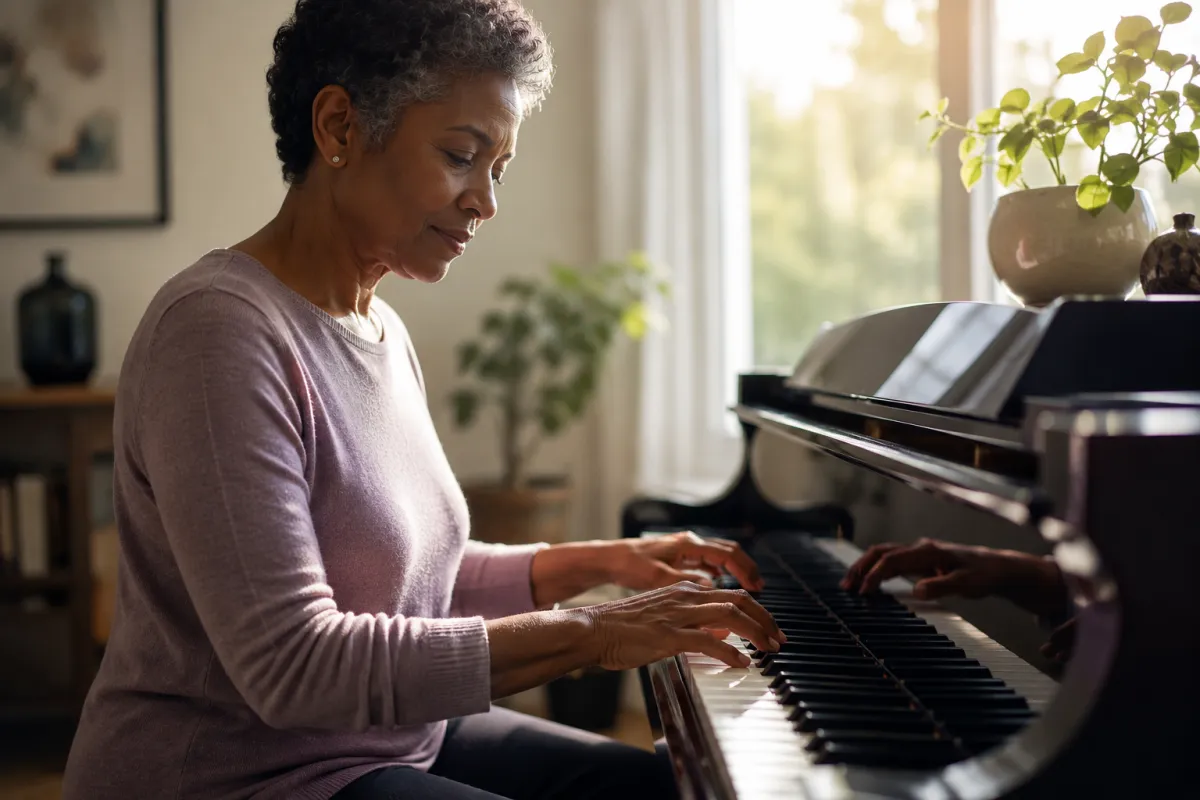
Can I Play Piano After a Stroke? Recovery, Challenges and Hope
Article Library
Contractures After a Stroke
Contractures after stroke can gradually reduce movement, cause pain and make everyday activities more difficult. Learn why they happen, how to prevent them and the treatments that may help preserve mo... ...more
Arm & Hand Rehabilitation
September 05, 2026•7 min read
Spasticity After a Stroke
Spasticity after stroke can make muscles feel tight, stiff and difficult to control. Learn why it happens, the symptoms to look out for, treatment options and how rehabilitation can help improve movem... ...more
Arm & Hand Rehabilitation
August 19, 2026•18 min read
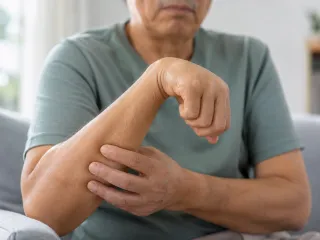
Why Is My Arm Recovery So Slow?
Arm recovery after a stroke is often slower than leg recovery, and many stroke survivors find this frustrating and discouraging. The arm and hand require extremely precise, complex movements. ...more
Arm & Hand Rehabilitation
July 10, 2026•6 min read
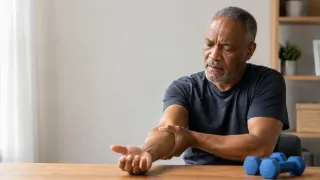
Hand Recovery Milestones After a Stroke
Hand recovery after a stroke can be one of the most challenging aspects of rehabilitation. Many stroke survivors become frustrated because improvements in the hand often happen more slowly than improv... ...more
Arm & Hand Rehabilitation
July 10, 2026•6 min read
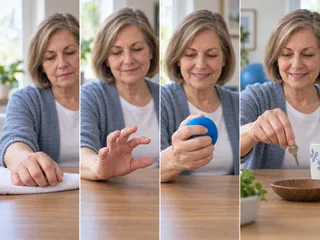
Can I Knit After a Stroke?
Yes, many people are able to return to knitting after a stroke. However, it may take time, patience and adaptation. Knitting requires fine motor skills, hand strength, sensation, concentration and coo... ...more
Arm & Hand Rehabilitation
July 10, 2026•6 min read

Can I Play Piano After a Stroke? Recovery, Challenges and Hope
Many stroke survivors wonder whether they will ever be able to play the piano again. A stroke can affect hand strength, coordination, sensation, vision, memory and concentration, all of which are impo... ...more
Arm & Hand Rehabilitation
July 10, 2026•6 min read

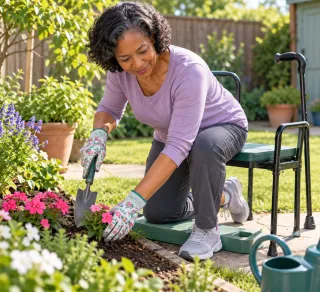
Gardening After a Stroke
Gardening after a stroke can be a wonderful way to improve physical health, emotional wellbeing and confidence during recovery. Many stroke survivors enjoy returning to gardening because it provides g... ...more
Arm & Hand Rehabilitation
July 10, 2026•6 min read
Using a Mobile Phone After a Stroke
Using a mobile phone after a stroke can suddenly become much more difficult than before. Weakness, changes in sensation, vision problems, fatigue, memory difficulties and reduced hand coordination can... ...more
Arm & Hand Rehabilitation
July 10, 2026•6 min read
Dressing With One Hand After a Stroke
Dressing with one hand after a stroke can feel frustrating, slow and overwhelming at first. Buttons, zips, socks and bras may suddenly become difficult or even impossible to manage independently. ...more
Arm & Hand Rehabilitation
July 10, 2026•6 min read
Typing After a Stroke: Why It Becomes Difficult and How to Improve
Typing can become surprisingly difficult after a stroke. Even if you can move your hand reasonably well, you may find that your fingers feel slow, clumsy or uncoordinated when using a keyboard or phon... ...more
Arm & Hand Rehabilitation
July 10, 2026•7 min read
Writing Again After a Stroke
Writing again after a stroke can feel frustrating, emotional and sometimes overwhelming. Something that once felt automatic may suddenly become difficult or even impossible. You may struggle to hold a... ...more
Arm & Hand Rehabilitation
July 10, 2026•6 min read
Bilateral Training After a Stroke
Bilateral training is a rehabilitation technique that involves using both arms or both legs together during exercises and everyday activities. After a stroke, moving the unaffected side alongside the ... ...more
Arm & Hand Rehabilitation
July 10, 2026•6 min read
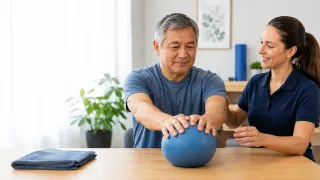
Taping the Shoulder After a Stroke
Taping the shoulder after a stroke is sometimes used to provide support, improve positioning and reduce pain in the affected arm. Following a stroke, weakness or paralysis of the shoulder muscles can ... ...more
Arm & Hand Rehabilitation
July 10, 2026•6 min read
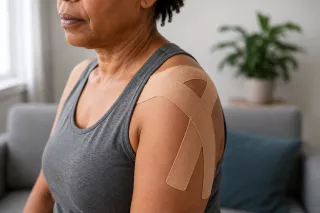
Cooking One-Handed After a Stroke
Cooking one-handed after a stroke can feel overwhelming at first. Tasks that once seemed simple such as chopping vegetables, opening jars or carrying hot pans may suddenly become difficult or unsafe. ...more
Arm & Hand Rehabilitation
July 10, 2026•6 min read
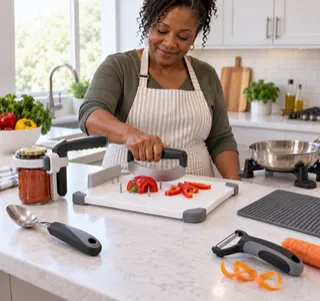
Botox for Hand Spasticity After Stroke
Botox injections are commonly used to help treat hand spasticity after a stroke. Spasticity can cause the hand and fingers to become tight, stiff or clenched, making it difficult to open the hand, per... ...more
Arm & Hand Rehabilitation
July 10, 2026•7 min read
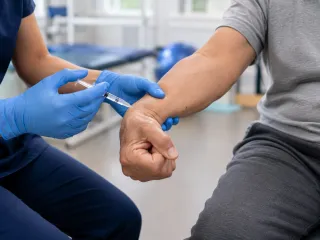
Hand Splints After a Stroke: Benefits, Types and When They May Help
Hand splints are sometimes used after a stroke to support the hand and wrist, improve positioning and help manage problems such as spasticity, stiffness or contractures. ...more
Arm & Hand Rehabilitation
July 10, 2026•6 min read
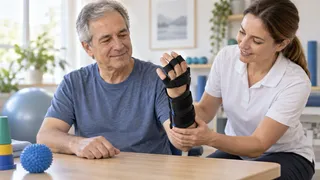
Wrist Stiffness After a Stroke
Wrist stiffness after a stroke is a common problem that can make everyday activities such as dressing, eating, writing and using your hand more difficult. ...more
Arm & Hand Rehabilitation
July 10, 2026•6 min read
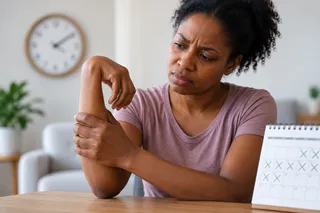
Elbow Stiffness After a Stroke
Elbow stiffness is a common problem after a stroke and can make everyday activities such as dressing, washing, reaching and using the affected arm more difficult. ...more
Arm & Hand Rehabilitation
July 10, 2026•5 min read
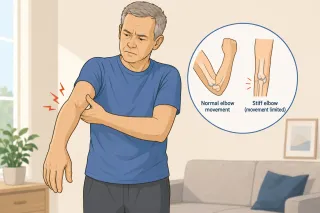
Arm Stiffness After a Stroke
Arm stiffness after a stroke is a common problem that can make movement difficult, uncomfortable and frustrating. Your arm may feel tight, heavy or resistant to movement. ...more
Arm & Hand Rehabilitation
July 10, 2026•6 min read
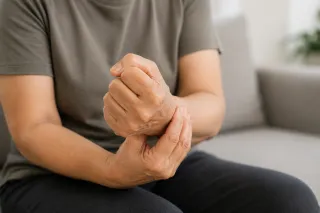
Arm Swelling After a Stroke
Arm swelling after a stroke is a common complication that can cause discomfort, stiffness and difficulty using the affected arm and hand. ...more
Arm & Hand Rehabilitation
July 10, 2026•6 min read
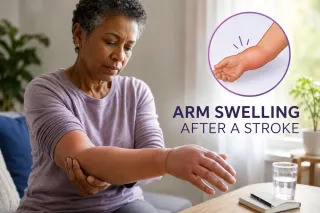
Heavy Arm After a Stroke: Why Does My Arm Feel So Heavy?
Many stroke survivors describe their affected arm as feeling incredibly heavy, as though it weighs far more than it actually does. ...more
Arm & Hand Rehabilitation
July 10, 2026•7 min read
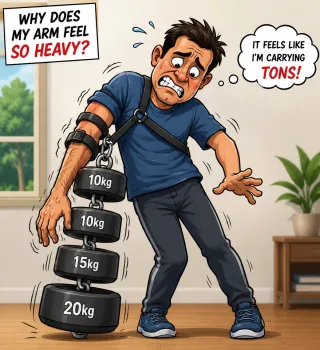
Hot Hand After a Stroke
A hot hand after a stroke can be an unusual and sometimes worrying symptom. Some stroke survivors notice that their affected hand feels warmer than the other, becomes red or swollen, or feels as thoug... ...more
Arm & Hand Rehabilitation
July 10, 2026•6 min read
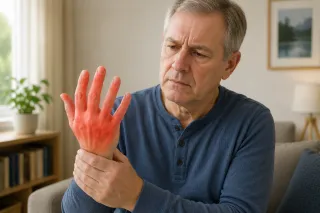
Cold Hand After a Stroke
A cold hand after a stroke is a common symptom that many stroke survivors experience. The affected hand may feel noticeably colder than the other hand, even when the room temperature is warm. ...more
Arm & Hand Rehabilitation
July 10, 2026•6 min read
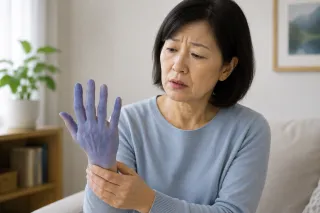
Numb Hand After a Stroke
A numb hand after a stroke is a common symptom that can affect sensation, coordination and everyday activities. Some stroke survivors describe their hand as feeling "dead", heavy, tingling or disconne... ...more
Arm & Hand Rehabilitation
July 10, 2026•6 min read
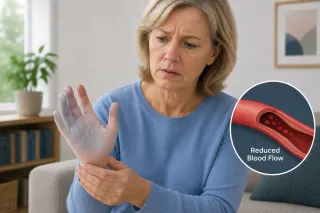
Thumb Weakness After a Stroke
Thumb weakness is a common problem after a stroke and can make everyday tasks surprisingly difficult. ...more
Arm & Hand Rehabilitation
July 10, 2026•5 min read
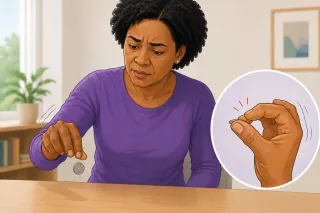
Weak Grip After a Stroke
Weak grip after a stroke is a common problem that can make everyday tasks feel frustrating and exhausting. Holding a cup, opening a bottle, carrying shopping bags or buttoning clothes may suddenly bec... ...more
Arm & Hand Rehabilitation
July 10, 2026•6 min read
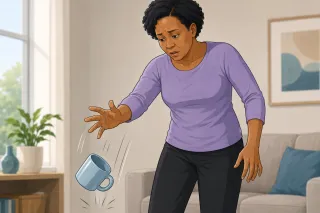
Hand Weakness After a Stroke
Hand weakness after a stroke is one of the most common and frustrating physical problems that stroke survivors experience. Weakness can make everyday tasks such as buttoning clothes, holding a cup, wr... ...more
Arm & Hand Rehabilitation
July 10, 2026•6 min read
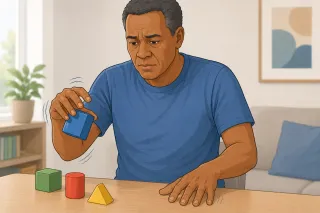
Shoulder Subluxation After a Stroke: Causes, Symptoms and Treatment
Shoulder subluxation is a common complication after a stroke, particularly in people with significant weakness or paralysis of the arm. It occurs when the upper arm bone partially slips out of its nor... ...more
Arm & Hand Rehabilitation
July 10, 2026•6 min read
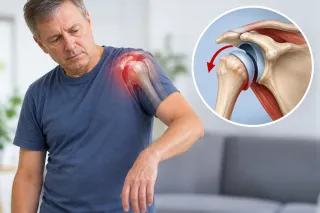
Why Can't I Lift My Arm After a Stroke?
Difficulty lifting your arm after a stroke is one of the most common and frustrating problems stroke survivors experience. You may feel as though your arm is heavy, weak or simply refuses to do what y... ...more
Arm & Hand Rehabilitation
July 10, 2026•7 min read
Flaccid Arm After a Stroke
A flaccid arm after a stroke refers to severe weakness or paralysis where the arm feels limp, heavy and difficult or impossible to move. ...more
Arm & Hand Rehabilitation
July 10, 2026•6 min read
Arm Paralysis After a Stroke
Arm paralysis after a stroke is one of the most common and distressing complications of stroke. Some people experience complete inability to move their arm, while others have severe weakness or very l... ...more
Arm & Hand Rehabilitation
July 10, 2026•6 min read
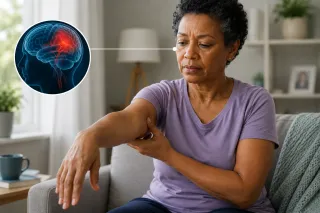
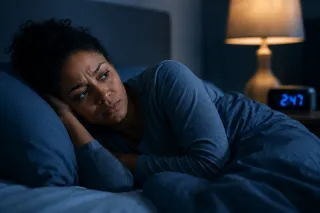
Does Poor Sleep Slow Stroke Recovery?
Yes, poor sleep can slow stroke recovery. Sleep is essential for brain healing, memory, learning and neuroplasticity; the brain's ability to form new connections after a stroke. ...more
Arm & Hand Rehabilitation
July 08, 2026•6 min read
Can Hand Function Return Years After a Stroke?
Yes, hand function can continue to improve years after a stroke. Although recovery is often fastest during the first few months, the brain remains capable of adapting through neuroplasticity for many ... ...more
Arm & Hand Rehabilitation
July 08, 2026•6 min read
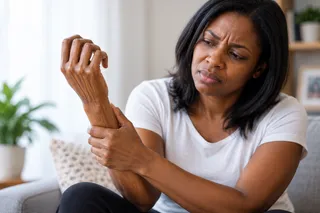
How Long Does Hand Recovery Take After a Stroke?
Hand recovery after a stroke varies from person to person. Some people regain useful hand movement within weeks, while others continue improving for months or even years. ...more
Arm & Hand Rehabilitation
July 08, 2026•7 min read
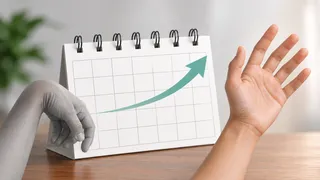
Best Hand Exercises After a Stroke
Hand exercises after a stroke help improve strength, flexibility, coordination and fine motor skills. Regular practice encourages neuroplasticity, allowing your brain to rebuild the pathways needed. ...more
Arm & Hand Rehabilitation
July 08, 2026•7 min read
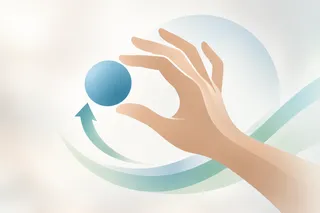
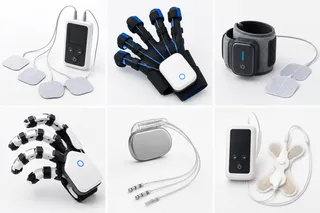
Electrical Stimulation for Hand Recovery After a Stroke
Electrical stimulation for hand recovery after a stroke uses small electrical impulses to activate weakened muscles in the hand and forearm. ...more
Arm & Hand Rehabilitation
July 08, 2026•7 min read
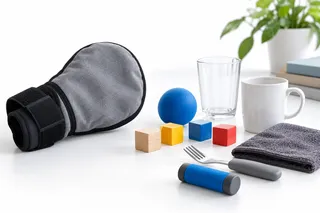
Constraint-Induced Movement Therapy (CIMT) After a Stroke
Constraint-Induced Movement Therapy (CIMT) is a stroke rehabilitation technique that encourages you to use your affected arm by limiting the use of your stronger arm during specific activities. ...more
Arm & Hand Rehabilitation
July 08, 2026•7 min read
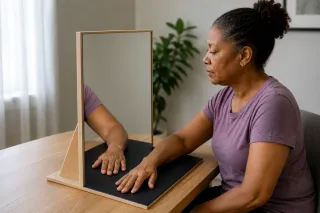
Mirror Therapy After a Stroke
Mirror therapy after a stroke is a rehabilitation technique that uses a mirror to create the illusion that your affected arm or hand is moving normally. ...more
Arm & Hand Rehabilitation
July 08, 2026•7 min read
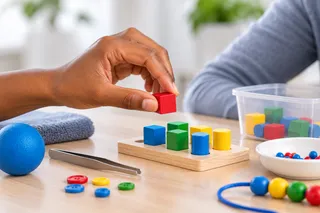
Fine Motor Skills After a Stroke
Fine motor skills after a stroke are often affected because damage to the brain disrupts the precise movements needed to control your fingers and hand. ...more
Arm & Hand Rehabilitation
July 08, 2026•6 min read
Hand Tremor After a Stroke
A hand tremor after a stroke is an involuntary shaking or trembling movement that can make everyday activities such as writing, eating and holding objects difficult. ...more
Arm & Hand Rehabilitation
July 07, 2026•6 min read
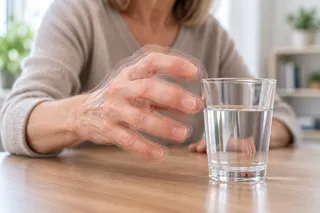
Arm Weakness After a Stroke
Arm weakness after a stroke is one of the most common physical effects of stroke. It occurs when damage to the brain interrupts the signals that control movement, making it difficult to lift, reach, g... ...more
Arm & Hand Rehabilitation
July 07, 2026•6 min read
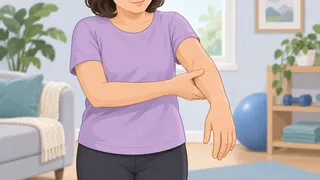
Why Won't My Fingers Straighten After a Stroke?
If your fingers won't straighten after a stroke, it is usually because the muscles that bend your fingers have become tight (spastic), while the muscles that straighten them have become weak. ...more
Arm & Hand Rehabilitation
July 07, 2026•7 min read
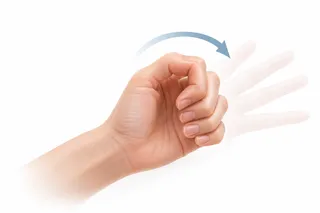
Why Can't I Open My Hand After a Stroke?
Difficulty opening your hand after a stroke is a common problem caused by weakness, spasticity or disrupted communication between the brain and the muscles. ...more
Arm & Hand Rehabilitation
July 07, 2026•7 min read
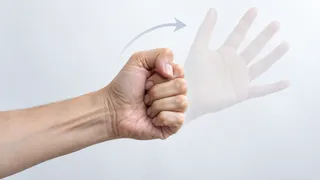
Hand Swelling After a Stroke
Hand swelling after a stroke is a common complication that can make your hand feel tight, heavy and difficult to move. ...more
Arm & Hand Rehabilitation
July 07, 2026•7 min read
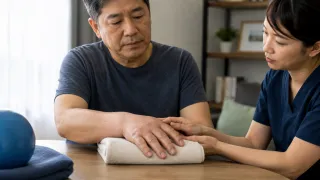
Finger Stiffness After a Stroke
Finger stiffness after a stroke is a common problem that can make it difficult to straighten your fingers, grip objects or perform everyday tasks. ...more
Arm & Hand Rehabilitation
July 07, 2026•7 min read
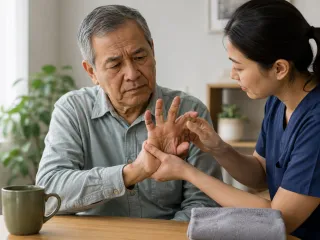
Hand Spasticity After a Stroke
Hand spasticity after a stroke causes the muscles in your hand and fingers to become stiff, tight and difficult to control. ...more
Arm & Hand Rehabilitation
July 07, 2026•7 min read
Why Is My Hand Still Clenched After a Stroke?
A clenched hand after stroke is often caused by spasticity, muscle imbalance or disrupted communication between the brain and hand muscles. ...more
Arm & Hand Rehabilitation
July 05, 2026•6 min read
Explore Other Recovery Topics
RECOVERY TOPIC
Mobility and Physical Recovery
Guidance on walking, balance, movement and rebuilding physical confidence after stroke.
RECOVERY TOPIC
Medical Complications
Clear guidance on common medical complications after stroke and what they may mean for recovery.
RECOVERY TOPIC
Vision & Eye Problems
Guidance and support for understanding and managing vision changes after stroke.
Explore More Stroke Recovery Support
Browse the full recovery library for practical guidance, lived experience and support across every stage of stroke recovery.
Get the Latest News Delivered to Your Inbox
Never Miss an Update – Subscribe for Fresh News & Insights!

Alisia Gayle is a stroke survivor, author, and advocate whose life was transformed in a single, ordinary day.
COMPANY
Quick links


Copyright All Rights Reserved.