
Medication & Stroke Prevention
Clear guidance on stroke medication, managing risk factors and reducing the chance of another stroke.
Organise notes about your prescribed medicines, daily routines and appointments with our free Medication & Stroke Prevention Checklist. Fill it in digitally or print a copy to record missed doses, possible side effects and questions for your clinician or pharmacist.
Featured Articles
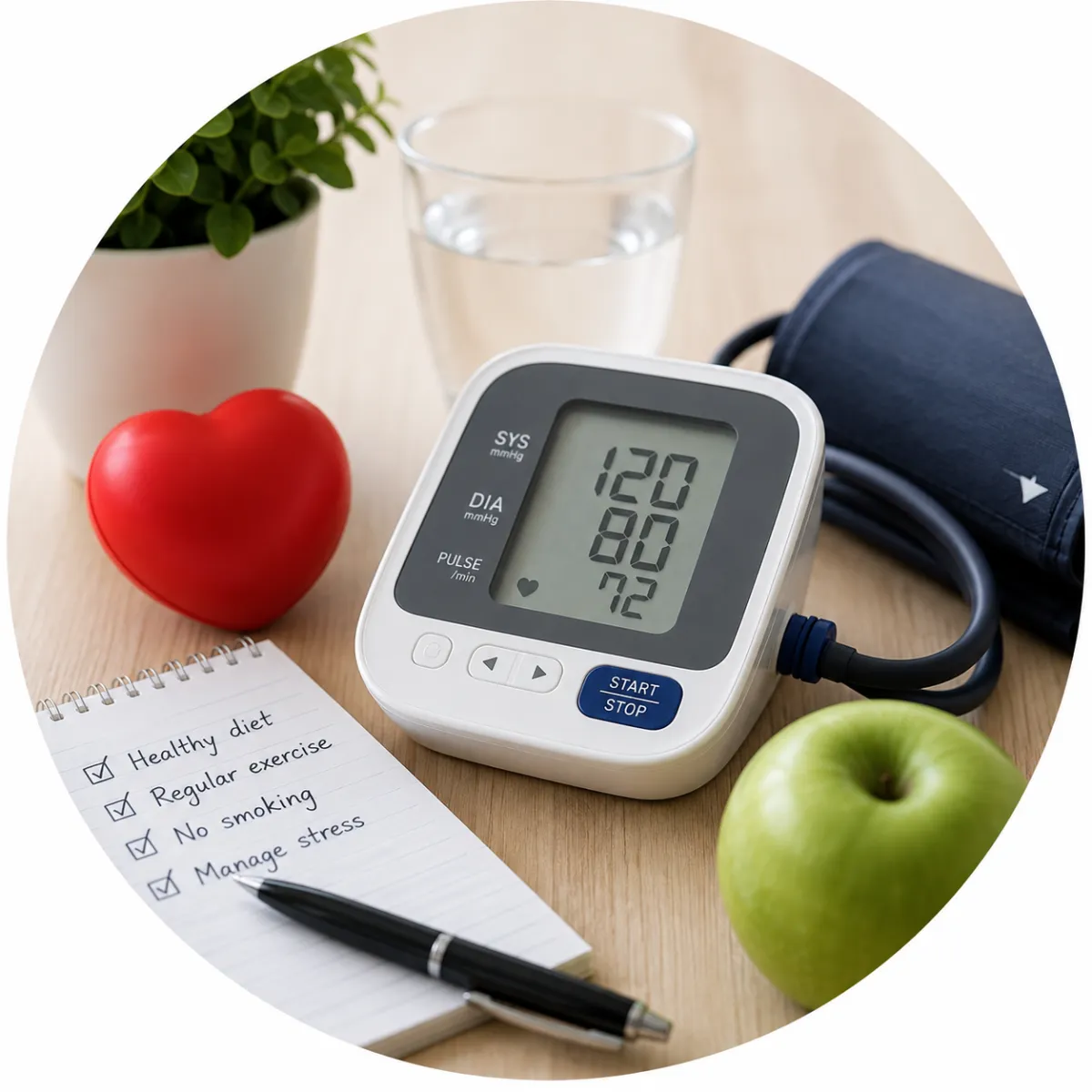
MEDICATION & STROKE PREVENTION
Stroke Prevention Checklist
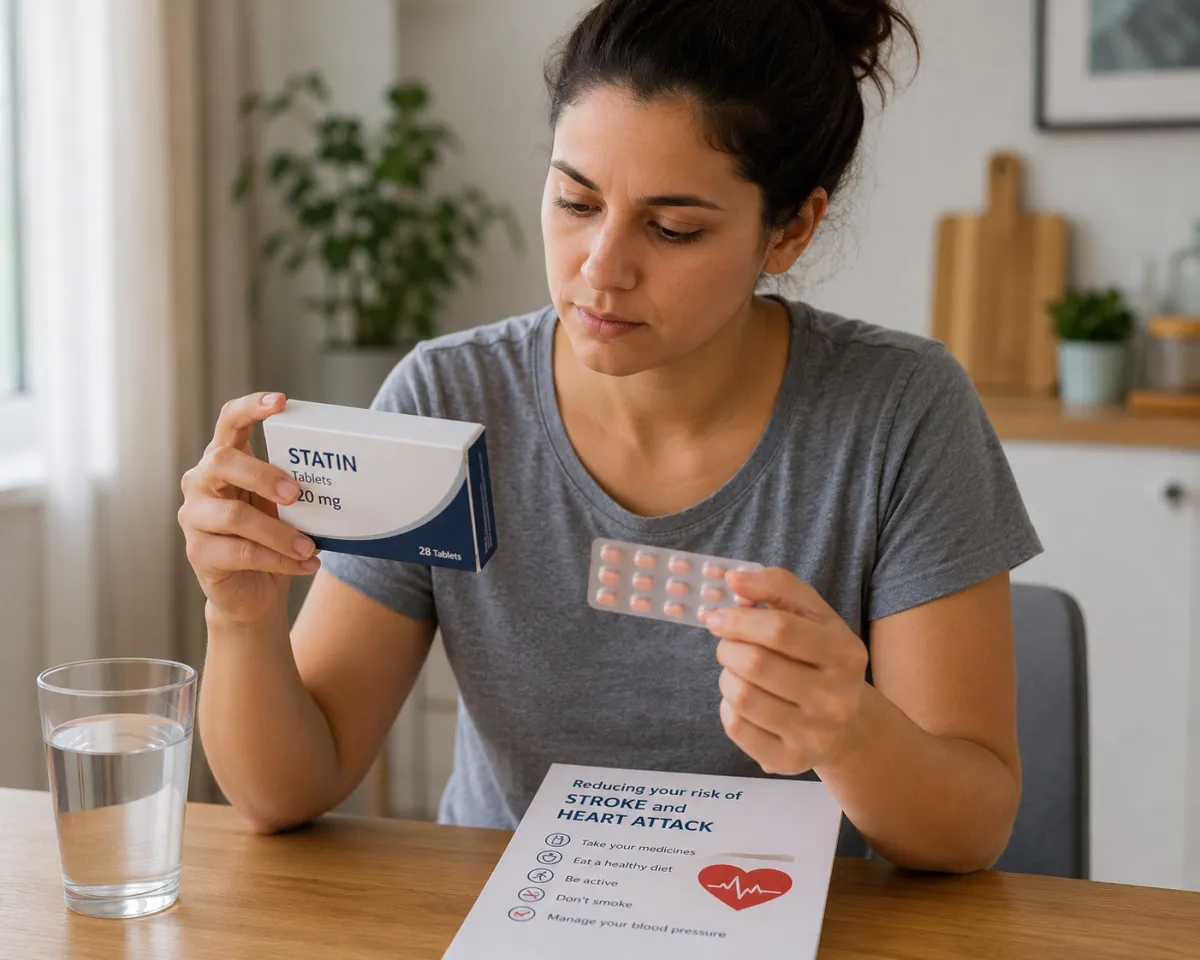
MEDICATION & STROKE PREVENTION
Taking Your Medication After Stroke

MEDICATION & STROKE PREVENTION
Vitamin Deficiencies After Stroke
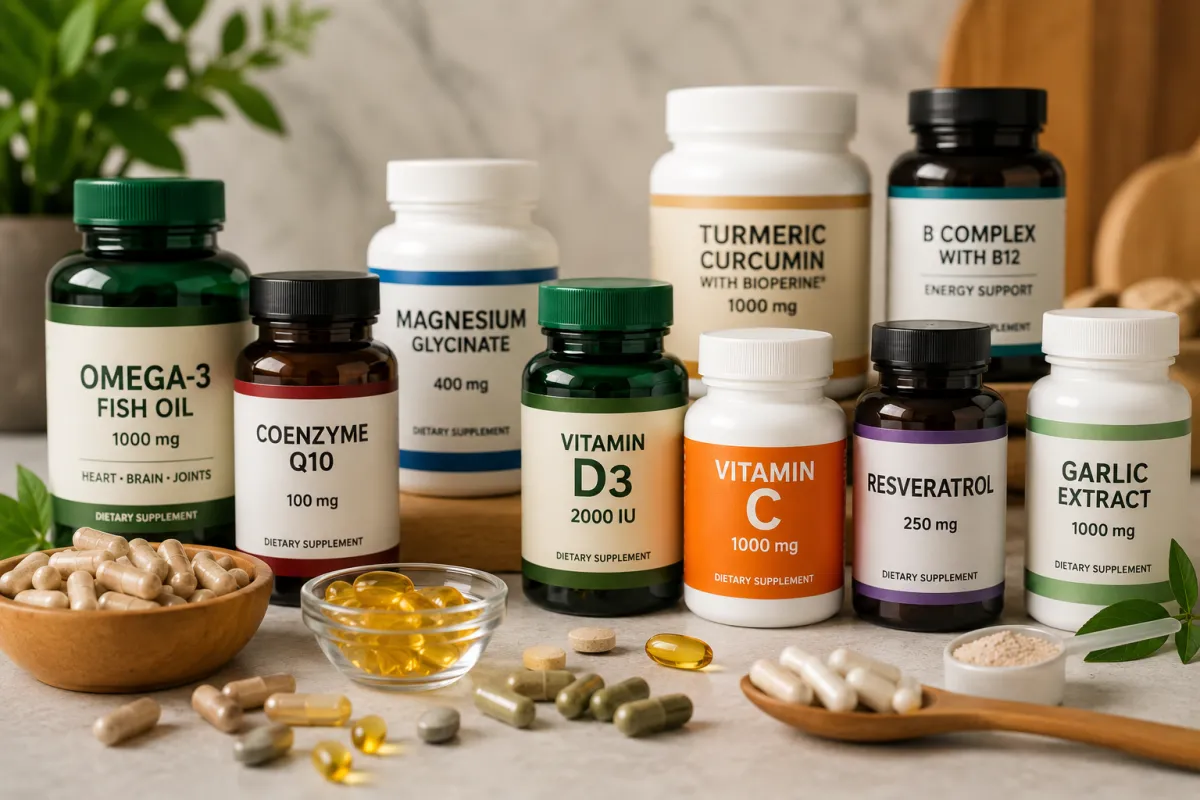
MEDICATION & STROKE PREVENTION
Can Supplements Prevent Stroke?
Article Library
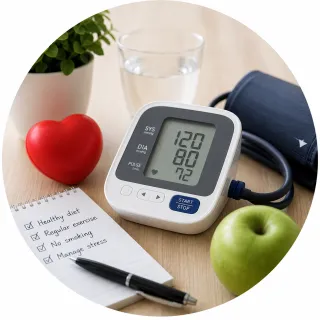
Stroke Prevention Checklist
Preventing a stroke is rarely about one dramatic lifestyle change. It is about identifying the risk factors that apply to you and managing them consistently. Blood pressure, smoking, cholesterol, diab... ...more
Medication & Stroke Prevention
August 13, 2026•17 min read
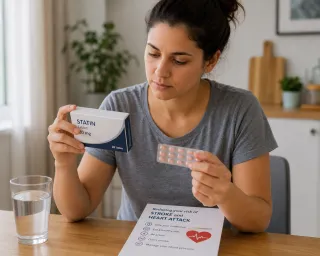
Taking Your Medication After Stroke
Taking your prescribed medication consistently after a stroke can be one of the most important parts of reducing the risk of another vascular event. Depending on the cause of your stroke, treatment ma... ...more
Medication & Stroke Prevention
August 13, 2026•19 min read
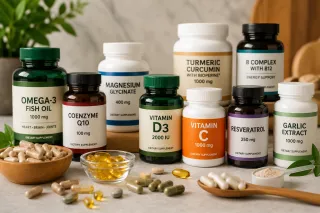
Vitamin Deficiencies After Stroke
Vitamin deficiencies can sometimes complicate recovery after a stroke because several deficiencies can cause fatigue, weakness, memory problems, pins and needles, poor concentration or balance difficu... ...more
Medication & Stroke Prevention
August 13, 2026•18 min read

Can Supplements Prevent Stroke?
Supplements are often marketed as an easy way to protect the heart and brain, but there is no vitamin, mineral, herbal product or “brain supplement” proven to reliably prevent stroke in the way that c... ...more
Medication & Stroke Prevention
August 13, 2026•19 min read
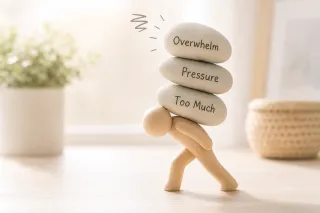
Stress and Second Stroke Risk
Stress is not as simple a stroke risk factor as smoking or high blood pressure, but chronic stress can still matter after a stroke. Stress can temporarily raise blood pressure and may contribute to be... ...more
Medication & Stroke Prevention
August 13, 2026•20 min read
Dehydration and Stroke Risk
Staying properly hydrated is important for normal circulation, blood pressure, kidney function and recovery after a stroke. Severe dehydration reduces the amount of fluid circulating in the body and c... ...more
Medication & Stroke Prevention
August 13, 2026•18 min read

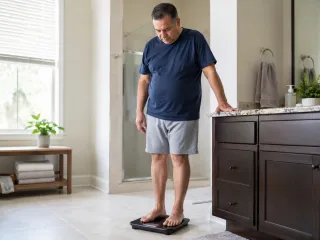
Weight Management After Stroke
Weight management after a stroke is not simply about appearance or reaching a particular number on the scales. Maintaining a healthy weight supports cardiovascular health and may help reduce important... ...more
Medication & Stroke Prevention
August 13, 2026•19 min read
How Often Should I See My Doctor After a Stroke?
How often you should see your doctor after a stroke depends on your stage of recovery, the cause of your stroke, your medications and any ongoing symptoms. There is no single schedule that suits every... ...more
Medication & Stroke Prevention
August 13, 2026•18 min read

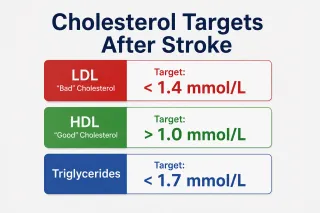
Cholesterol Targets After Stroke
Cholesterol targets after a stroke are usually lower than the levels considered acceptable for someone who has never had cardiovascular disease. This is because an ischaemic stroke places you in a hig... ...more
Medication & Stroke Prevention
August 13, 2026•20 min read
Blood Pressure Targets After Stroke
Keeping blood pressure under control is one of the most important parts of preventing another stroke. High blood pressure can damage blood vessels throughout the body and significantly increase the ri... ...more
Medication & Stroke Prevention
August 13, 2026•20 min read
TIA Warning Signs
A transient ischaemic attack (TIA), sometimes called a mini-stroke, causes sudden stroke-like symptoms because the blood supply to part of the brain is temporarily disrupted. The symptoms do not mean ... ...more
Medication & Stroke Prevention
August 13, 2026•18 min read
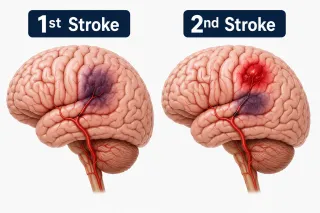
What Causes a Second Stroke?
A second stroke can happen when the underlying cause of the first stroke remains active or when other stroke risk factors develop or are not adequately controlled. High blood pressure, atrial fibrilla... ...more
Medication & Stroke Prevention
August 13, 2026•20 min read
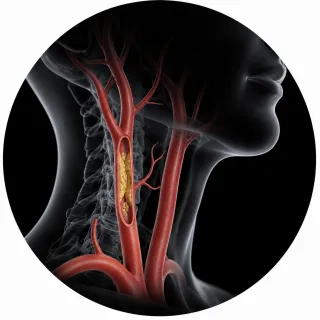
Carotid Artery Disease
Carotid artery disease occurs when fatty deposits build up inside one or both of the carotid arteries in your neck, causing them to narrow. Because these arteries supply blood to the brain, significan... ...more
Medication & Stroke Prevention
August 13, 2026•18 min read
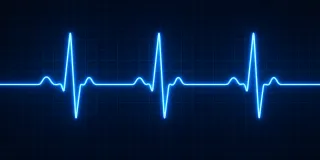
Atrial Fibrillation and Stroke
Atrial fibrillation, often called AF or AFib, is a common heart rhythm problem that can significantly increase the risk of an ischaemic stroke. When the heart beats irregularly, blood may not move smo... ...more
Medication & Stroke Prevention
August 13, 2026•17 min read
Salt and Blood Pressure After Stroke
Eating too much salt can raise blood pressure, and high blood pressure is one of the biggest modifiable risk factors for stroke. After a stroke, reducing excess salt can therefore become an important ... ...more
Medication & Stroke Prevention
August 13, 2026•18 min read
Exercise and Stroke Prevention
Regular physical activity is one of the most important lifestyle changes you can make to reduce your risk of stroke and help protect yourself after a previous stroke or TIA. ...more
Medication & Stroke Prevention
August 13, 2026•18 min read

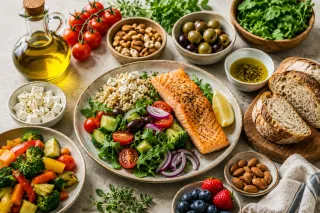
Mediterranean Diet After Stroke
The Mediterranean diet is one of the most widely recommended eating patterns for cardiovascular health and stroke prevention. It focuses on vegetables, fruit, wholegrains, beans, lentils, nuts, seeds,... ...more
Medication & Stroke Prevention
August 13, 2026•18 min read
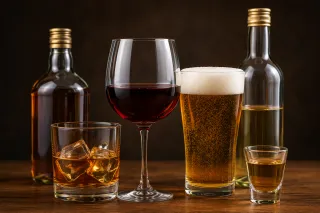
Alcohol After Stroke
Alcohol after a stroke is not necessarily completely forbidden for everyone, but it deserves much more caution than it may have before. Drinking too much alcohol can raise blood pressure, trigger abno... ...more
Medication & Stroke Prevention
August 13, 2026•19 min read
Smoking After Stroke
Smoking after a stroke significantly increases the risk of further cardiovascular disease and another stroke. Cigarette smoke damages blood vessels, encourages blood clot formation and contributes to ... ...more
Medication & Stroke Prevention
August 13, 2026•17 min read

Diabetes and Stroke Risk
Diabetes can significantly increase the risk of stroke because persistently high blood sugar can damage blood vessels over time and often occurs alongside other major stroke risk factors such as high ... ...more
Medication & Stroke Prevention
August 13, 2026•18 min read
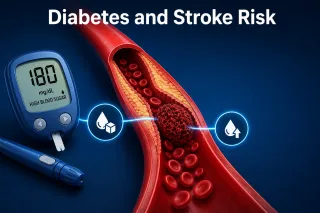
Cholesterol After a Stroke: Why It Matters and How to Manage It
Cholesterol plays an important role in your body, but high levels of low-density lipoprotein (LDL) cholesterol can increase your risk of another stroke. ...more
Medication & Stroke Prevention
July 09, 2026•7 min read
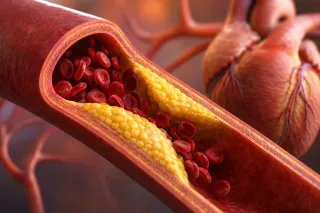
Managing High Blood Pressure After a Stroke
Managing high blood pressure after a stroke is one of the most important steps you can take to reduce your risk of another stroke. ...more
Medication & Stroke Prevention
July 09, 2026•7 min read
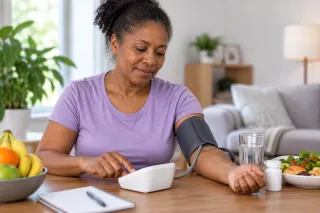
Do Stroke Medications Have Side Effects?
Yes, stroke medications can have side effects, but most people take them without experiencing serious problems. The benefits of these medications usually far outweigh the risks because they help reduc... ...more
Medication & Stroke Prevention
July 09, 2026•5 min read
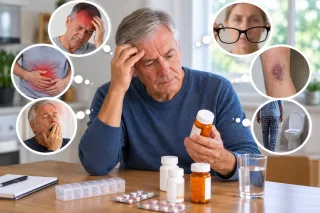
Blood Pressure Medication After a Stroke: Why It's Prescribed, Types and Side Effects
Blood pressure medication is one of the most important treatments after a stroke. High blood pressure is the leading risk factor for both first and recurrent strokes, even if you have never previously... ...more
Medication & Stroke Prevention
July 09, 2026•7 min read
Why Do I Need So Many Tablets After a Stroke?
It is completely normal to be prescribed several different medications after a stroke. Although taking multiple tablets every day can feel overwhelming, each medication usually has a specific purpose,... ...more
Medication & Stroke Prevention
July 09, 2026•6 min read
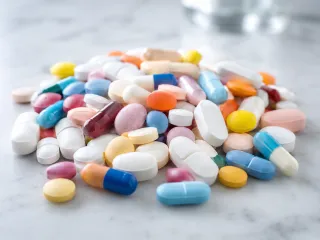
Statins After a Stroke: Benefits, Side Effects and Why They're Prescribed
Statins are commonly prescribed after an ischaemic stroke or transient ischaemic attack (TIA) to help reduce the risk of another stroke or heart attack ...more
Medication & Stroke Prevention
July 09, 2026•7 min read
How to Reduce Your Risk of a Second Stroke
Yes, there are many things you can do to reduce your risk of having another stroke. Although having one stroke increases your chances of experiencing a second, many risk factors can be treated or cont... ...more
Medication & Stroke Prevention
July 09, 2026•6 min read

Preventing Another Stroke
Preventing another stroke is one of the most important parts of stroke recovery. Although having one stroke increases your risk of another. ...more
Medication & Stroke Prevention
July 09, 2026•7 min read

Aspirin After a Stroke
Yes, aspirin is commonly prescribed after an ischaemic stroke to help reduce the risk of another stroke. It works by making platelets in your blood less likely to stick together and form clots. ...more
Medication & Stroke Prevention
July 09, 2026•6 min read
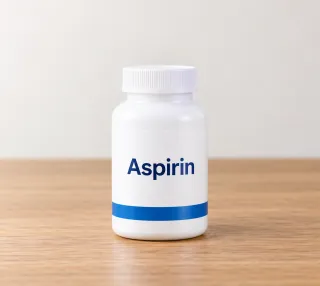
Blood Thinners After a Stroke
Blood thinners after a stroke help reduce the risk of another stroke by preventing harmful blood clots from forming. ...more
Medication & Stroke Prevention
July 09, 2026•7 min read
Explore Other Recovery Topics
RECOVERY TOPIC
Medical Complications
Clear guidance on common medical complications after stroke and what they may mean for recovery.
RECOVERY TOPIC
General Stroke Recovery
Practical guidance, reassurance and support for the wider stroke recovery journey.
RECOVERY TOPIC
Sleep Disorders
Guidance for managing sleep problems, fatigue and disrupted rest after stroke.
Explore More Stroke Recovery Support
Browse the full recovery library for practical guidance, lived experience and support across every stage of stroke recovery.
Get the Latest News Delivered to Your Inbox
Never Miss an Update – Subscribe for Fresh News & Insights!
Alisia Gayle is a stroke survivor, author, and advocate whose life was transformed in a single, ordinary day.
COMPANY
Quick links


Copyright All Rights Reserved.